Quick answer
Candle lids aren't essential for every burn, but they do help preserve scent and keep dust out between uses. If you burn a candle daily, a lid is optional; if you burn occasionally or store candles for months, a lid is worth it. Accessories like trimmers and snuffers improve burn quality, but you can start without them.
Candle lids look nice on a shelf, but are they actually doing anything? If you've ever wondered whether that little metal or wood disc is just for show, you're not alone. Many people skip lids or toss them aside, assuming they're decorative. The truth is, lids serve a few practical purposes—and sometimes you can safely do without them.
In this guide, we'll separate fact from fiction about candle lids and accessories. We'll look at what lids actually do, when they matter, and which accessories are worth your money. By the end, you'll know exactly what your candle care routine really needs.
What do candle lids actually do?
Candle lids have two main jobs: keeping dust and debris out of the wax, and slowing down scent evaporation. When a candle sits uncovered, dust, pet hair, and lint can settle on the surface. When you light it, those particles can burn and create soot or an off smell. A lid keeps the wax clean between burns.
Lids also help preserve the fragrance. Scent molecules in the wax evaporate over time, even when the candle isn't lit. A lid creates a barrier that slows this process, so your candle smells stronger when you finally burn it. This is especially useful for candles you don't use every day.
However, lids don't affect the burn itself. They won't prevent tunneling, fix a wick that's too long, or improve scent throw. Those issues are about wick care and burn time, not lids. So if you're expecting a lid to solve burn problems, you'll be disappointed.
- Always remove the lid before lighting—never burn a candle with the lid on.
- If you don't have a lid, cover the candle with a small plate or bowl to keep dust out.
When can you skip the lid?
If you burn a candle every day and finish it within a few weeks, a lid is less critical. The wax doesn't have time to collect much dust or lose significant scent. You can safely leave the lid off and just enjoy the candle.
But if you burn candles occasionally—say, once a week or less—a lid becomes more valuable. Over months, uncovered wax will gather dust and lose some of its fragrance. A lid keeps the candle in better shape for those longer gaps between burns.
Also, consider where you store candles. A shelf in a high-traffic area or near a window will collect more dust and light exposure. Light can fade the wax color and degrade scent. A lid offers some protection, but storing candles in a cabinet or drawer is even better.
- For daily burners, lids are optional—just keep the wick trimmed and the wax clean.
- For occasional burners, use a lid or store candles in a closed cabinet to preserve scent.
Which candle accessories are worth it?
Beyond lids, there are a few accessories that genuinely improve your candle experience. A wick trimmer keeps wicks at the recommended 1/4 inch, which helps the candle burn evenly and reduces soot. A candle snuffer extinguishes the flame without blowing smoke, which can linger in the air and affect the next burn.
A candle warmer or lamp can be a great alternative to burning if you want to enjoy the scent without a flame. But if you're just starting out, you don't need a full accessory kit. A simple wick trimmer and a lid (or a plate) are enough to keep your candles in good shape.
What about decorative accessories like holders or trays? Those are about aesthetics, not function. They can make your space look nice, but they won't change how the candle burns. Spend your money on tools that affect burn quality first, and add decorative pieces only if you want to.
- Invest in a wick trimmer first—it's the most impactful accessory for burn quality.
- A snuffer is nice but not essential; you can blow out the flame gently.
- Skip fancy holders unless they serve a practical purpose in your space.
Verdicts on common lid myths
- Myth: Lids are only for looks: Lids do more than decorate—they keep dust out and preserve scent. If you store candles for weeks or months, a lid makes a real difference. Use a lid for occasional burners; it's not just aesthetic.
- Myth: You must burn a candle until the wax pools to the edge: While burning long enough to melt the top layer fully helps prevent tunneling, lids don't affect this. Focus on wick length and burn time instead. Lids won't fix tunneling—trim wicks and burn 3-4 hours at a time.
- Myth: All candle accessories are essential: You only need a few basics: a wick trimmer, a lid or plate, and maybe a snuffer. Decorative holders are optional. Start with the essentials, add extras only if they fit your routine.
Candles that work well with lids
- Palo Santo Classic 2-Wick Candle: This candle features top notes of cypress leaf and eucalyptus, middle notes of red cedar and Palo Santo, and base notes of vetiver and oakmoss. Woody scents like Palo Santo can fade faster if left uncovered. Using a lid between burns helps preserve the deep, rich aroma so you get the full experience every time.
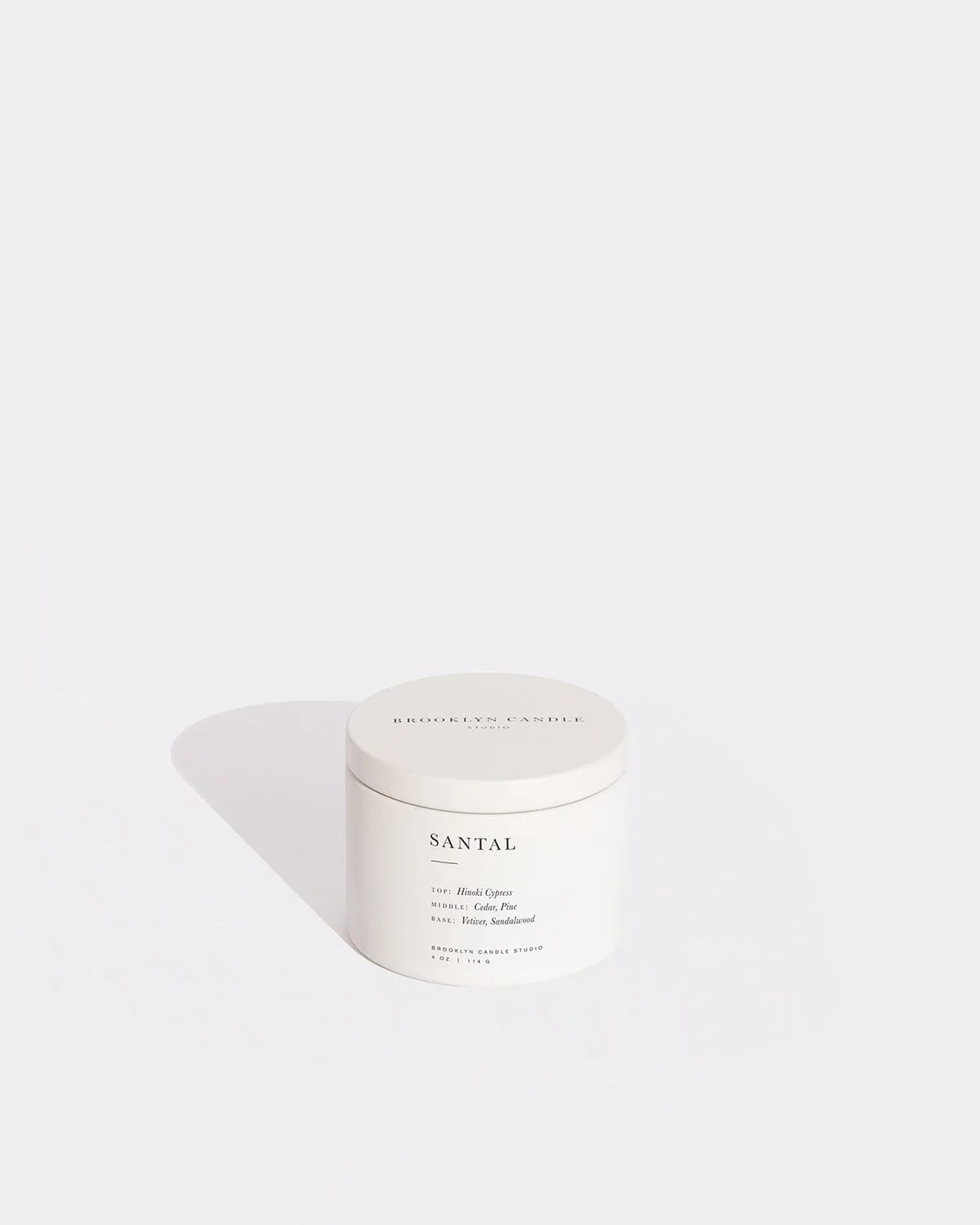
- Santal Classic 2-Wick Candle: A blend of hinoki cypress, cedar, pine, vetiver, and sandalwood, made with 100% soy wax and lead-free cotton wicks. If you burn this candle occasionally, a lid keeps the sandalwood and cedar notes strong. Plus, the soy wax stays cleaner when protected from dust.
Candle lids are a simple tool that can extend the life and scent of your candles, especially if you don't burn them daily. Accessories like wick trimmers and snuffers improve the burn experience, but you don't need a full kit to enjoy your candles. Use lids when you can, store candles properly, and focus on wick care—that's the real secret to a great candle.