A leak usually points to the seal, not the whole filter
When water starts pooling under your canister filter, the first suspect is the rubber seal that sits between the canister body and the lid. This is the canister filter o ring, and it is a wear item. Over time, rubber can harden, flatten, or pick up grit that breaks the seal. Before you replace the entire unit, check the o ring. A replacement rubber seal filter is inexpensive and often solves the problem.
But not every leak is the o ring. Before ordering, dry the filter exterior and run it briefly to see exactly where water emerges. If the leak is at a hose clamp or a cracked housing, a new seal will not help. This guide focuses on seal-related leaks and how to choose the right replacement.
Match the seal to your filter model, not just the brand
Canister filter o rings are not universal. Even within one brand, different models can use different seal dimensions. The safest approach is to match the replacement to the exact model number printed on your filter. If you own a Polar Aurora 265GPH series external filter, the Polar Aurora Canister Filter 265GPH Replacement Rubber Seal O Ring is a manufacturer-direct replacement part for that series. For SUNSUN CPF-180, CPF-280, or CPF-380 pond pressure bio filters, the SUNSUN CPF-180/280/380 Pressure Canister Filter Replacement Rubber Seal O-Ring is the corresponding genuine part.
If your filter is a similar model but not an exact match, both product listings advise emailing before purchase to confirm the size. That step matters because an o ring that is slightly too thick or too thin may not seat properly and can still leak. The listings also note that if you are unsure of the size you need, you should feel free to email. Use that option rather than guessing.
Polar Aurora 265GPH seal: what the listing confirms
-
Polar Aurora Canister Filter 265GPH Replacement Rubber Seal O Ring: Genuine replacement rubber seal for Polar Aurora 265GPH series external filters. This is the direct-fit option if your filter is in that series, so you avoid the sizing guesswork.
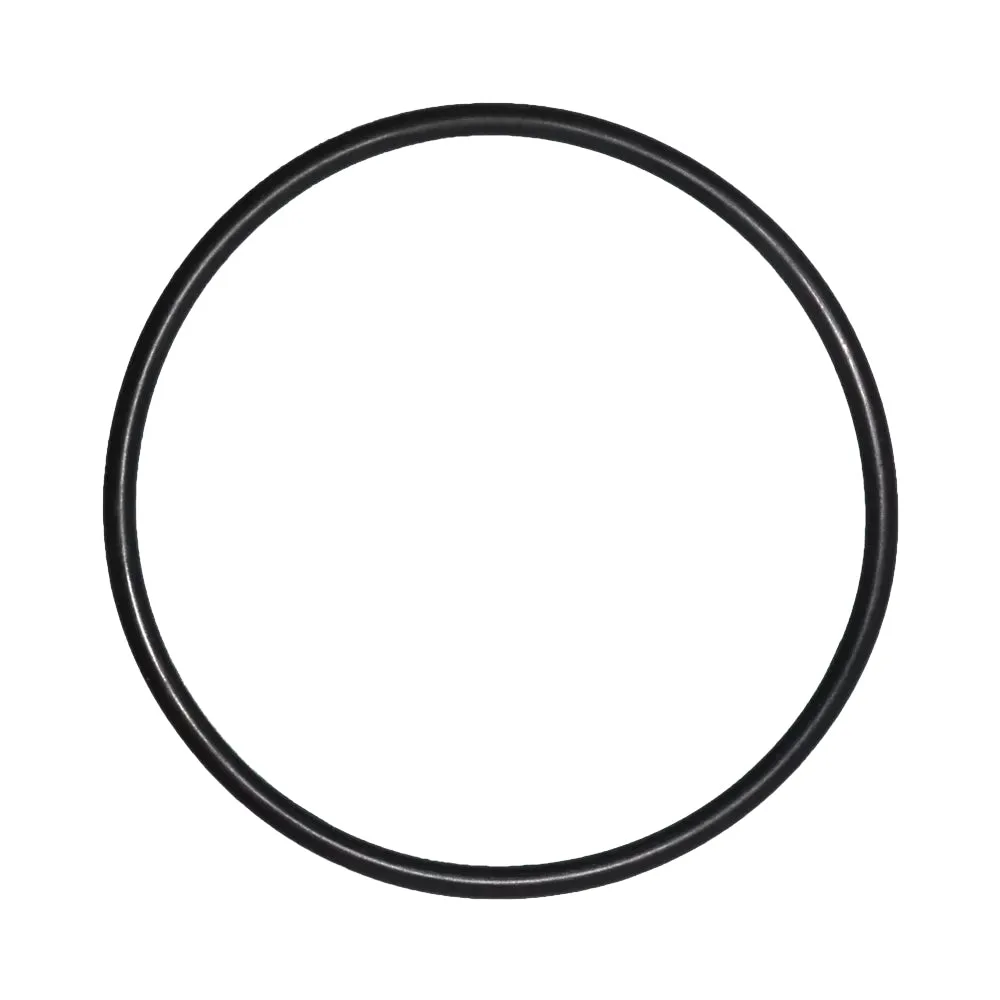
Polar Aurora Canister Filter 265GPH Replacement Rubber Seal O Ring
-
Polar Aurora Canister Filter 265GPH Replacement Rubber Seal O Ring: Manufacturer direct replacement part; all branded parts offered are directly from the manufacturer. Buying a genuine part reduces the risk of poor fit that can lead to leaks or damage.
-
Polar Aurora Canister Filter 265GPH Replacement Rubber Seal O Ring: The replacement O ring seal will work on similar models, but the listing asks you to email to confirm the size before purchase. Similar does not mean identical; confirming size prevents a return or a second leak.
-
Polar Aurora Canister Filter 265GPH Replacement Rubber Seal O Ring: The listing warns that cheap replicas from other sellers can damage your filter, leading to leaks or other issues. A low-cost replica may cost more in the long run if it fails and damages the filter housing.
SUNSUN CPF series seal: what the listing confirms
-
SUNSUN CPF-180/280/380 Pressure Canister Filter Replacement Rubber Seal O-Ring: Genuine replacement rubber seal for CPF-180/280/380 Pond Pressure Bio Filter. This is the correct replacement if you run one of those SUNSUN pressure filters.
SUNSUN CPF-180/280/380 Pressure Canister Filter Replacement Rubber Seal O-Ring
-
SUNSUN CPF-180/280/380 Pressure Canister Filter Replacement Rubber Seal O-Ring: Will fit SunSun CPF-180/280/380 external filter series. The listing explicitly covers all three model numbers, so you can order with confidence if yours matches.
-
SUNSUN CPF-180/280/380 Pressure Canister Filter Replacement Rubber Seal O-Ring: Manufacturer-direct replacement part. Genuine parts are less likely to have inconsistent dimensions that cause leaks.
-
SUNSUN CPF-180/280/380 Pressure Canister Filter Replacement Rubber Seal O-Ring: The listing advises emailing if you wish to use the replacement O ring seal on a similar model to confirm the size before purchase. If your filter is not exactly CPF-180, 280, or 380, confirm fit first to avoid a leak.
Why a cheap replica seal can make the leak worse
Both product listings carry a clear warning: be cautious of other sellers on large market platforms who claim their replacement parts are genuine. Most of these are cheap replicas that can damage your filter, leading to leaks or other issues in your aquarium. A replica seal may look similar but use rubber with different hardness or dimensions. If it does not compress correctly, water can bypass it. In some cases, forcing a poor-fitting seal can deform the filter lid or housing, turning a simple seal swap into a bigger repair.
Castle Dawn Aquatics states that all branded parts offered are directly from the manufacturer. That does not mean every part fits every filter, but it does mean you are starting with a part made to the original specification. The Polar Aurora listing also notes that the item is brand new, although it may have minor cosmetic imperfections such as scratches. That is a cosmetic note, not a performance issue, but it is worth knowing if appearance matters to you.
What the listings do not tell you about installation
The supplied product records do not include step-by-step installation instructions, torque values, or cleaning routines for the seal. They also do not confirm whether lubricants are recommended or which ones are safe. Because that information is not provided, we cannot give you a procedure for fitting the seal. If you are unsure how to replace the o ring on your specific filter, consult the filter manufacturer’s documentation or ask a qualified aquarium technician. The key takeaway from the listings is to confirm size and buy genuine.
A practical checklist before you order a replacement seal
- Identify your exact model number: Look for a label on the filter body or the original packaging. For Polar Aurora, confirm it is the 265GPH series. For SUNSUN, confirm CPF-180, CPF-280, or CPF-380.
- Check whether your filter is an exact match: If your model is not listed, the product pages advise emailing to confirm the size before purchase. Do that rather than guessing.
- Buy a genuine part: Both listings warn that replicas can damage your filter and cause leaks. Choose a manufacturer-direct replacement.
- Inspect the old seal for clues: If the old seal is flattened, cracked, or coated in grit, that supports a seal replacement. If it looks fine, the leak may be elsewhere, such as a hose connection.
- Keep a spare on hand: Rubber seals degrade over time. A spare replacement rubber seal filter means you can fix a leak without waiting for shipping.