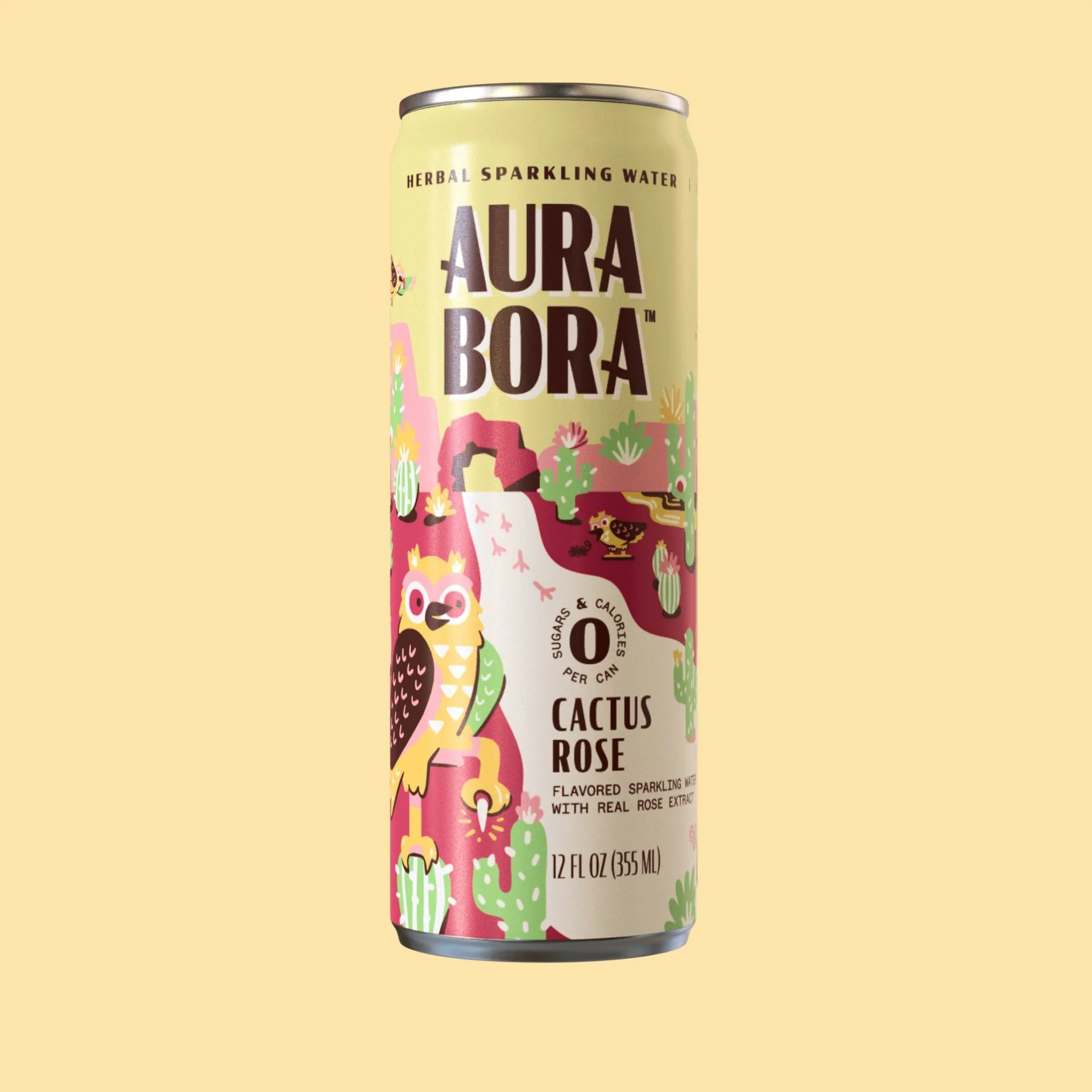
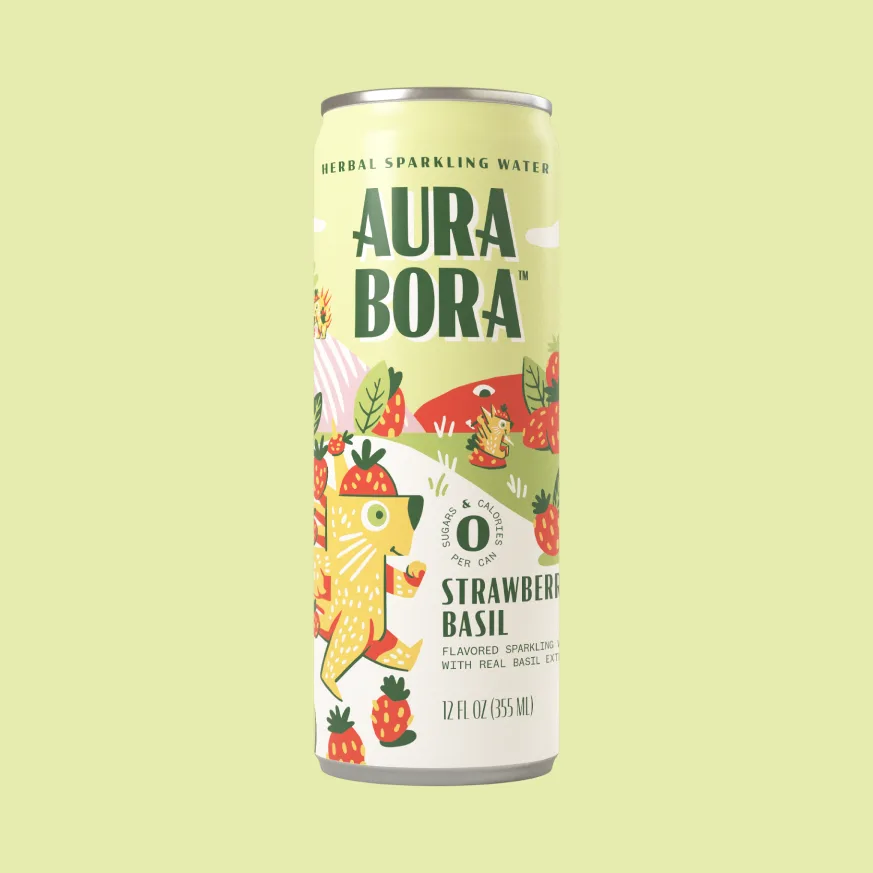
When you reach for a refreshing beverage, have you ever paused to consider the container it comes in? The debate between canned and bottled water has intensified as consumers become more environmentally conscious. While both options quench your thirst, their ecological footprints differ significantly. Understanding the environmental impact of each can help you make a more sustainable choice—one that aligns with your values and the health of the planet.
In this article, we’ll break down the key factors: material sourcing, manufacturing energy, recycling rates, and end-of-life disposal. We’ll also look at how innovative brands like Aura Bora are leading the way with eco-friendly packaging and delicious flavors such as Hibiscus Passionfruit and Lavender Cucumber. By the end, you’ll know exactly which option is better for the Earth—and your taste buds.
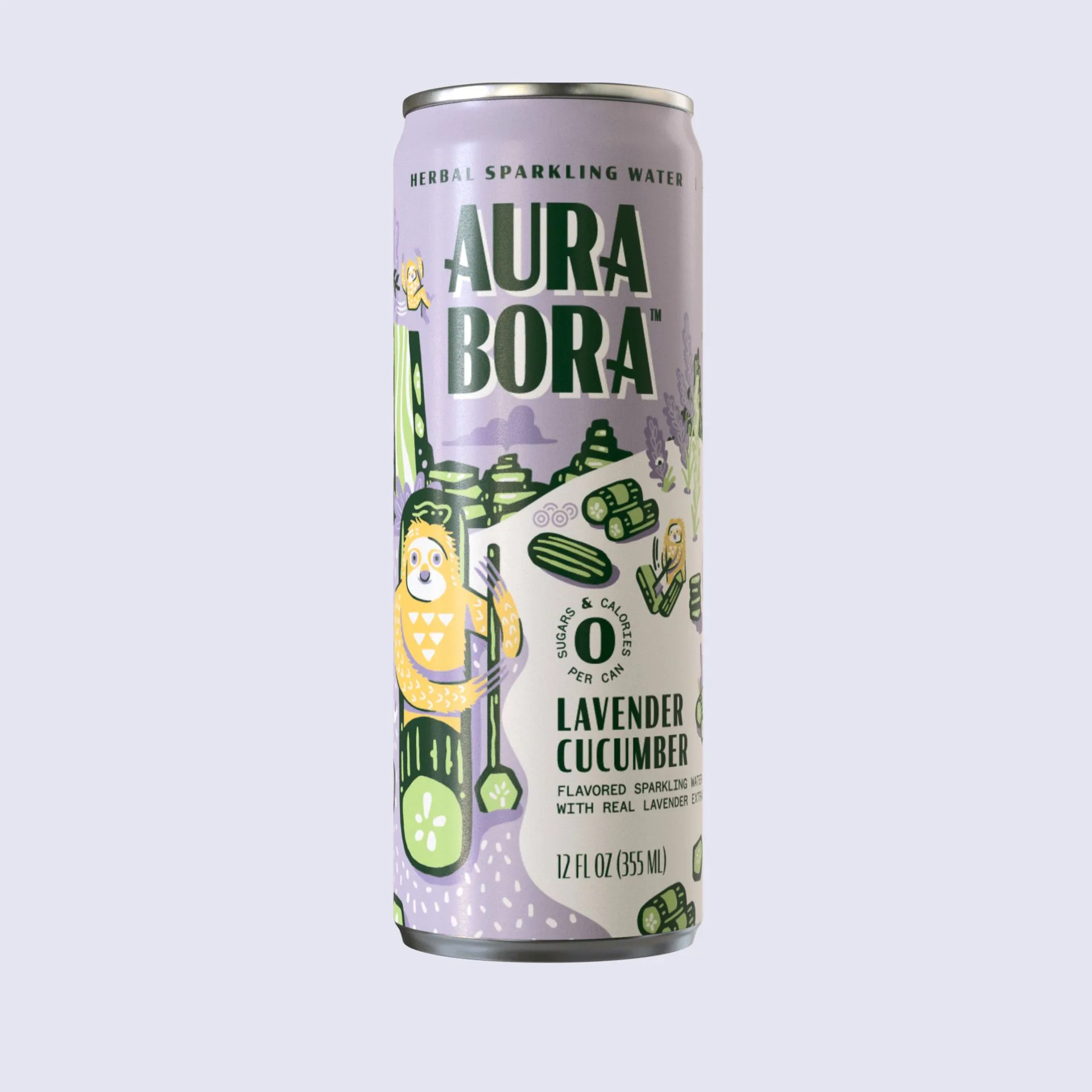
Lavender Cucumber
The Carbon Footprint of Production: Aluminum vs. Plastic
Producing aluminum cans and plastic bottles both require significant energy, but the numbers tell a revealing story. Virgin aluminum production is highly energy-intensive—mining bauxite and refining it into aluminum emits roughly 14-16 tons of CO2 per ton of metal. However, recycled aluminum uses only about 5% of that energy, making it a star player in the circular economy. Plastic bottles, made from PET, require about 2-3 tons of CO2 per ton of resin, but the extraction of fossil fuels and the refining process add hidden environmental costs.
When you compare the full lifecycle, aluminum cans often have a lower carbon footprint if they are recycled. But the real challenge is that many plastic bottles are not recycled at all. The convenience of plastic has led to a massive waste problem, with millions of bottles ending up in landfills or oceans each year. For brands committed to sustainability, choosing aluminum—like the cans used for Aura Bora’s sparkling waters—is a deliberate step toward reducing greenhouse gas emissions.
- Aluminum cans: high virgin production energy, but low recycled energy footprint.
- Plastic bottles: moderate production energy, but high reliance on fossil fuels.
- Recycling rates: aluminum cans are recycled at nearly 50% in the U.S., while plastic bottles lag at around 30%.
Recycling Rates and the Circular Economy
Recycling is where the canned vs. bottled debate gets really interesting. Aluminum is one of the most valuable materials in the recycling stream—it can be recycled indefinitely without losing quality. In the United States, the recycling rate for aluminum cans hovers around 50%, which is far higher than the 30% rate for PET plastic bottles. Moreover, a used aluminum can can be back on the shelf as a new can in as little as 60 days. Plastic bottles, on the other hand, are often downcycled into lower-quality products like carpet or textiles, which eventually end up in landfills.
This difference matters immensely for the environment. Higher recycling rates mean less virgin material extraction and less waste. Brands that package their drinks in aluminum, such as Aura Bora, are actively contributing to a circular economy. Their cans are infinitely recyclable, and when you pair that with delicious flavors like Hibiscus Passionfruit, you’re making a choice that’s both refreshing and responsible. The next time you finish a can, you can feel good knowing it has a strong chance of becoming another can instead of a piece of ocean pollution.
- Aluminum: 50% recycling rate, can be recycled infinitely.
- Plastic: 30% recycling rate, often downcycled into non-recyclable products.
- Consumer action: always rinse and recycle your cans and bottles correctly.
Ocean Pollution and Wildlife Impact
Plastic pollution in our oceans has reached crisis levels. An estimated 8 million tons of plastic enter the ocean each year, and a significant portion comes from single-use plastic bottles. These bottles break down into microplastics that are ingested by marine life, entering the food chain and eventually reaching humans. The lightweight nature of plastic makes it prone to being carried by wind and water, traveling thousands of miles from where it was discarded.
Aluminum cans, while not immune to littering, are heavier and less likely to float. They also degrade more quickly in marine environments—aluminum corrodes and breaks down into harmless oxides over time, whereas plastic persists for hundreds of years. Choosing canned water over bottled water is a simple way to reduce your contribution to ocean plastic. For a truly guilt-free sip, try Aura Bora’s Lavender Cucumber, a crisp and calming flavor that comes in a fully recyclable aluminum can.
- Plastic bottles are a major source of ocean microplastics.
- Aluminum cans corrode and degrade faster in saltwater.
- Every can of Aura Bora you drink helps reduce plastic demand.
Water Usage and Resource Extraction
Both aluminum and plastic production consume water, but the amounts differ. It takes about 1,000 gallons of water to produce one ton of aluminum, while PET plastic uses roughly 1,500 gallons per ton. However, water is also used in the bottling process itself—especially for bottled water, which often involves transporting water from distant springs. This can strain local water resources in areas where water is already scarce.
Aluminum cans, by contrast, are typically filled at regional facilities, reducing the need to transport water long distances. Additionally, many sparkling water brands, including Aura Bora, use filtered tap water rather than bottled spring water, further cutting down on water waste. The result is a product that is lighter on the planet from start to finish. If you’re looking to minimize your environmental footprint, choosing canned sparkling water over bottled still water is a smart move.
- Aluminum production: ~1,000 gallons of water per ton.
- Plastic production: ~1,500 gallons per ton, plus water for bottling.
- Regional filling of cans reduces transportation water waste.
The evidence is clear: when it comes to environmental impact, canned water outperforms bottled water in recycling rates, ocean pollution, and resource efficiency. By choosing brands that prioritize aluminum packaging, you’re voting for a cleaner planet. Next time you’re thirsty, reach for a can of Aura Bora’s Hibiscus Passionfruit—it’s a small change that makes a big difference for the Earth.