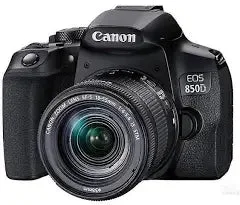
Quick answer
Buy a pre-owned Canon EOS 1100D with the 18-55mm lens only if you want a low-cost, simple entry into DSLR photography and you can verify the shutter count, sensor condition, and lens glass before paying. It is a 2011-era 12.2-megapixel camera, so set expectations for older autofocus and low-light performance.
Why the 1100D still makes sense as a first DSLR
The Canon EOS 1100D (also called the Rebel T3 in some regions) was released in 2011 as an entry-level DSLR. Its 12.2-megapixel APS-C sensor and optical viewfinder give you a true DSLR experience for learning exposure, depth of field, and lens choice. The 18-55mm kit lens covers a useful standard zoom range, so you can start shooting immediately without buying extra glass.
Compared with a modern smartphone, the 1100D offers interchangeable lenses and better control over depth of field, but it lacks the instant sharing and computational features of a phone. If you want to learn photography fundamentals with a dedicated camera and a physical viewfinder, it remains a capable and inexpensive tool.
The trade-offs you accept with an older entry-level DSLR
The 1100D's autofocus system and high-ISO performance are dated by today's standards. In low light, images will show more noise than newer cameras, and the autofocus may hunt more in dim conditions. The rear LCD is small and not touch-sensitive, so menu navigation feels slower. Video is limited compared with modern mirrorless cameras.
These limitations matter if you plan to shoot fast action, weddings, or indoor events. For those uses, a newer camera is a better fit. For learning and everyday photography in good light, the 1100D's trade-offs are acceptable and the savings are significant.
What the catalog tells you—and what it doesn't
The supplied catalog facts confirm the 12.2-megapixel APS-C sensor and the 2011 release date. They do not list shutter count, sensor dust condition, or lens-specific details. That means you must verify those points yourself or ask the seller directly. Treat the absence of information as a reason to inspect carefully, not as a red flag by itself.
Decision rules for buying a used 1100D with 18-55mm
- Shutter count: Ask the seller for a shutter count reading or check it yourself with a free tool. If the count is above 50,000, budget for a possible shutter replacement or walk away unless the price is very low. A high shutter count is the biggest hidden cost risk on an older DSLR.
- Sensor and image test: Shoot a blank white wall at f/16 and inspect the image for dark spots that indicate sensor dust or damage. Also take a few shots at different apertures and ISO settings to check for consistent exposure and no banding. Sensor cleaning costs money; factor that into your offer.
- Lens glass and autofocus: Look through the 18-55mm lens against a light source for scratches, fungus, or haze. Test autofocus at both ends of the zoom range and listen for grinding noises. A hazy or slow-focusing lens may need servicing. The kit lens is cheap to replace, but a bad copy defeats the purpose of buying a bundle.
- Body condition and ports: Check all buttons, dials, the mode dial, and the pop-up flash. Open the battery compartment and card slot for corrosion or bent pins. Test the USB and HDMI ports if present. A worn grip is normal; cracks in the body are not. Sticky buttons or a dead flash can be expensive to repair on a budget camera.
- Price versus condition: Compare the asking price with recent sold listings for the same bundle. If the price is near the top of the range, insist on a low shutter count and clean glass. If it is well below average, accept cosmetic wear but still verify function. A low price does not excuse a non-working flash or a scratched lens.
Product facts
-
Canon EOS 1100D with 18-55m lens Pre-owned: 12.2-megapixel APS-C CMOS sensor, released in 2011 as an entry-level DSLR. This resolution is fine for learning and prints up to A4, but it limits cropping compared with newer sensors.

Canon EOS 1100D with 18-55m lens Pre-owned
Is the pre-owned Canon EOS 1100D right for you?
Best for
- Beginners who want to learn DSLR photography on a tight budget
- Students or hobbyists who need an inexpensive camera for good-light shooting
- Buyers who want a simple, repairable camera with an optical viewfinder
Not for
- Anyone who needs reliable low-light autofocus or high-ISO performance
- Video creators who need 4K or advanced video features
- Photographers who plan to crop heavily or print large formats