Quick Answer
Choose the Canon EOS 2000D if you are a beginner seeking an affordable, easy-to-use DSLR for everyday photography. Choose the Nikon D780 if you are an enthusiast or professional needing a full-frame sensor, superior image quality, and advanced features for serious work.
Sensor Size and Image Quality
The most significant difference between these two DSLRs is the sensor. The Canon EOS 2000D features an APS-C sensor, which is smaller and more common in entry-level cameras. The Nikon D780, on the other hand, has a full-frame sensor, which is larger and captures more light, resulting in better low-light performance, higher dynamic range, and shallower depth of field. This directly impacts image quality and the types of photography each camera excels at.
Price and Target User
The Canon EOS 2000D is priced for beginners, making it one of the most accessible DSLRs on the market. The Nikon D780 is a significant investment, targeted at serious hobbyists and professionals who need top-tier performance. The price difference reflects the vast gap in capabilities and build quality. The 2000D is a great learning tool, while the D780 is a workhorse for demanding shoots.
Lens Ecosystem and Kit Options
The Canon EOS 2000D comes with an EF-S 18-55mm lens, a standard zoom that covers wide-angle to portrait lengths on its APS-C sensor. This is a perfect starter lens. The Nikon D780 is often purchased as a body only or with higher-end lenses like the AF-S 24-120mm f/4G ED VR, which provides a versatile zoom range with constant aperture and image stabilization. The full-frame Nikon system offers a wider range of professional-grade lenses, but at a higher cost.
Key Tradeoffs: Canon EOS 2000D vs Nikon D780
- Image Quality vs. Cost: The Nikon D780 offers vastly superior image quality due to its full-frame sensor, but it costs over four times as much as the Canon EOS 2000D kit. You are paying for professional-grade performance.
- Ease of Use vs. Advanced Control: The Canon EOS 2000D is designed for beginners with a user-friendly interface and automatic modes. The Nikon D780 provides extensive manual controls and customization, which can be overwhelming for a new photographer.
- Lens Investment vs. All-in-One Kit: The Canon 2000D kit includes a capable starter lens, so you can begin shooting immediately. The Nikon D780 body requires a separate lens purchase, and building a full-frame lens kit is a significant additional expense.
Product Facts
-
Canon EOS 2000D Body with EF-S 18-55mm DC III Lens: Designed for Everyday Photography: The Canon EOS 2000D with the EF-S 18-55mm DC III lens is an excellent entry-level DSLR designed for beginners and photography enthusiasts. This confirms the 2000D is built for simplicity and ease of use, making it a low-risk, high-value choice for someone new to DSLR photography.
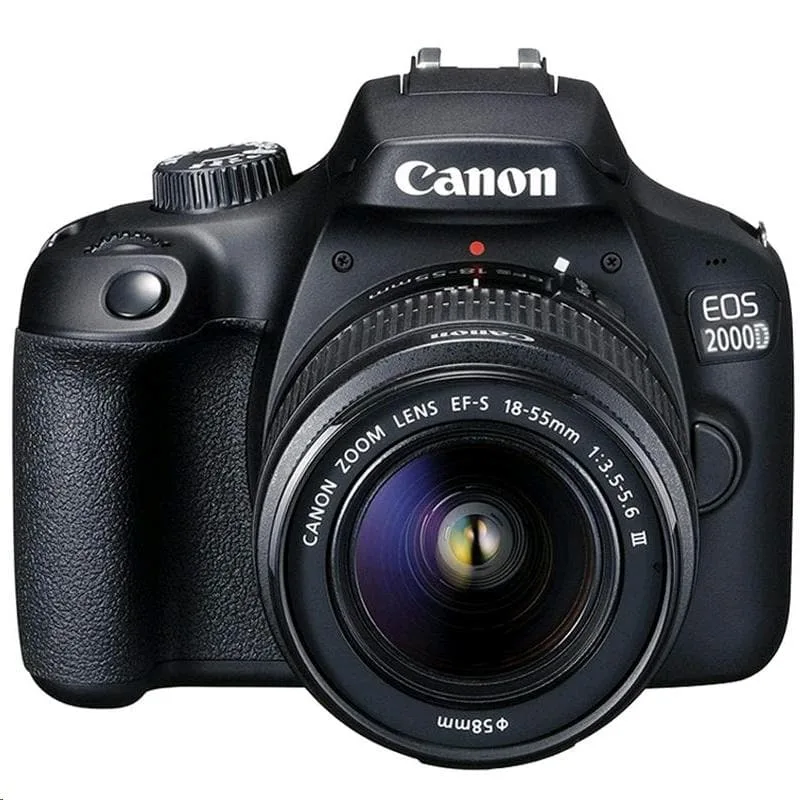
Canon EOS 2000D Body with EF-S 18-55mm DC III Lens
-
Nikon D780 Body with AF-S 24-120mm f/4G ED VR Lens: Full-Frame Sensor: The Nikon D780 features a full-frame 24.5 MP sensor, delivering stunningly sharp images with rich detail and true-to-life colors. The full-frame sensor is the core advantage of the D780, providing professional-grade image quality that the 2000D's APS-C sensor cannot match, especially in low light.
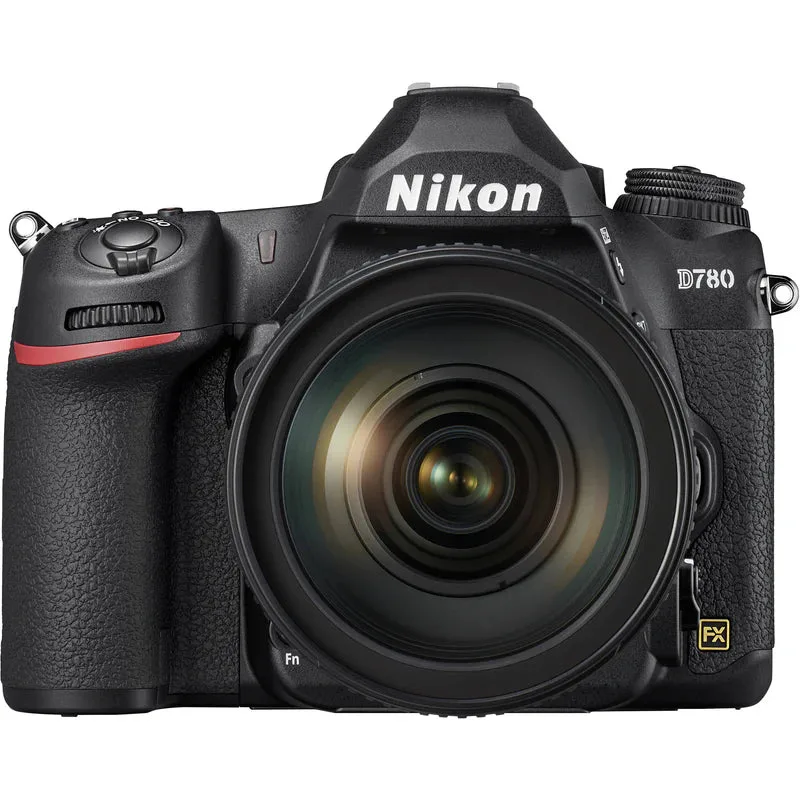
Nikon D780 Body with AF-S 24-120mm f/4G ED VR Lens
Which DSLR is Right for You?
Best For
- Beginners on a budget who want a simple, reliable camera for family, travel, and everyday photos.
- Anyone learning photography who wants an affordable entry point into the Canon DSLR system.
Not For
- Photographers who need professional image quality, low-light performance, or advanced features like fast continuous shooting and 4K video.
- Anyone planning to shoot commercial work, events, or in demanding conditions where a full-frame sensor is essential.