Quick answer
If you need full-frame resolution and robust video features, choose the Canon EOS R6 Mark III kit. For a lighter, more affordable entry into the Canon mirrorless system, the R10 kit delivers impressive speed and versatility.
Sensor size differences and practical impact
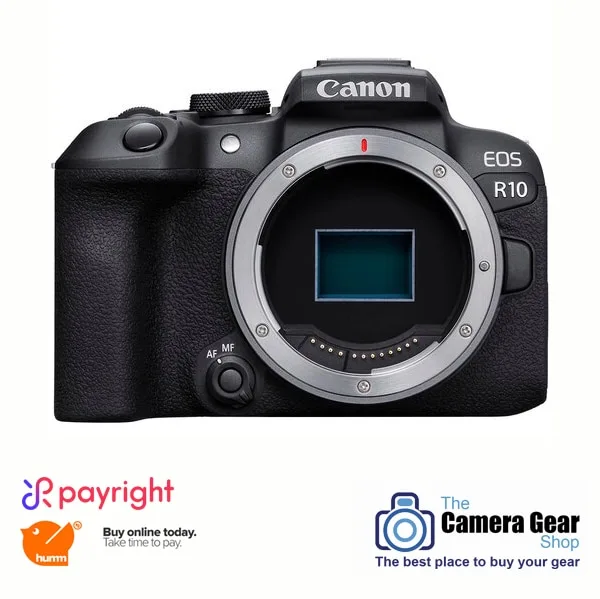
The Canon EOS R6 Mark III uses a full-frame 32.5MP sensor, while the EOS R10 features an APS-C sensor. Full-frame sensors generally offer better low-light performance and shallower depth of field, which matters for portrait and event work. The APS-C sensor on the R10 provides a 1.6x crop factor, effectively extending your telephoto reach—useful for wildlife or sports without needing a longer lens.
Kit lens versatility and reach
The R6 Mark III kit includes an RF 24-105mm f/4-7.1 IS STM lens, a standard zoom covering wide-angle to short telephoto. The R10 kit pairs with an RF-S 18-150mm f/3.5-6.3 IS STM lens, offering a much wider zoom range (equivalent to about 29-240mm on full-frame). That extra reach makes the R10 kit more flexible for travel or casual shooting without swapping lenses.
Budget and weight considerations
The R6 Mark III kit is priced significantly higher, reflecting its full-frame sensor and advanced build. The R10 kit costs roughly half as much, making it a sensible choice if you are starting out or upgrading from a smartphone. The R10 body and lens combination is also noticeably lighter, which can make a difference during long shoots or hikes.
Key trade-offs between the two kits
- Image quality vs. portability: The R6 Mark III's full-frame sensor gives better dynamic range and low-light performance, but the R10's APS-C sensor with a lighter body and lens is easier to carry all day.
- Zoom range vs. lens cost: The R10 kit's 18-150mm lens covers a massive range without changing lenses, while the R6 Mark III's 24-105mm is more limited but pairs with a broader RF lens ecosystem for future upgrades. If you want one lens for everything, the R10 kit saves money and weight.
- Speed features and video: The R10 shoots up to 15 fps, excellent for fast action. The R6 Mark III offers more advanced video capabilities (like 4K 60p with full sensor readout), though Canon does not specify exact frame rates in the supplied facts. Serious videographers should lean toward the R6 Mark III; the R10 still handles well for hybrid use.
Product facts at a glance
-
Canon EOS R6 Mark III Full Frame Mirrorless Camera RF 24-105 f/4-7.1 IS STM Lens Kit: Canon EOS R6 Mark III Full Frame Mirrorless Camera RF 24-105 f/4-7.1 IS STM Lens Kit – 32.5MP full-frame sensor. Higher resolution and better low-light performance for professional-grade hybrid shooting.
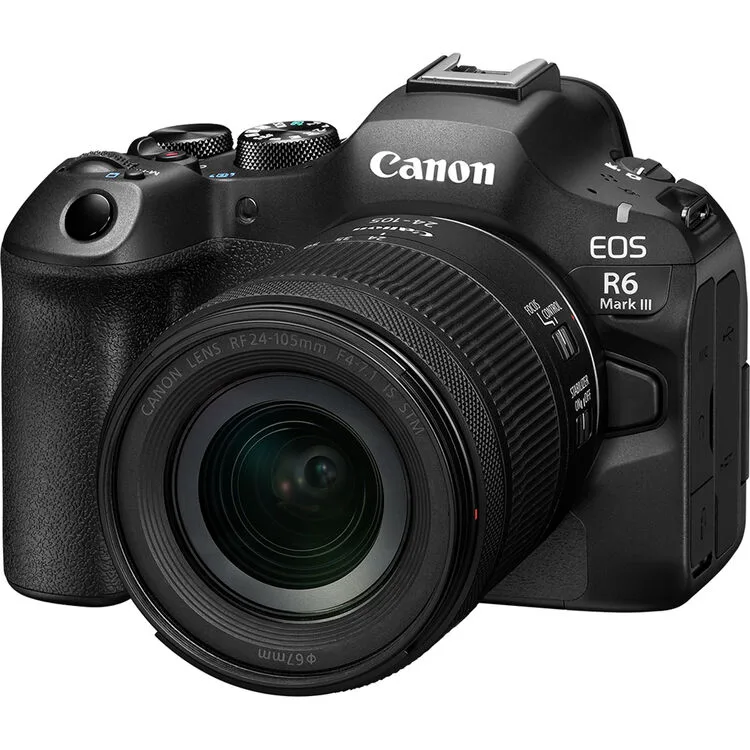
Canon EOS R6 Mark III Full Frame Mirrorless Camera RF 24-105 f/4-7.1 IS STM Lens Kit
-
Canon EOS R10 with RF-S 18-150mm f/3.5-6.3 Lens Kit: Canon EOS R10 & RF-S 18-150mm Lens Kit – APS-C sensor with 15 fps burst shooting. Fast burst rate and a versatile zoom range make it ideal for action and travel photography on a budget.
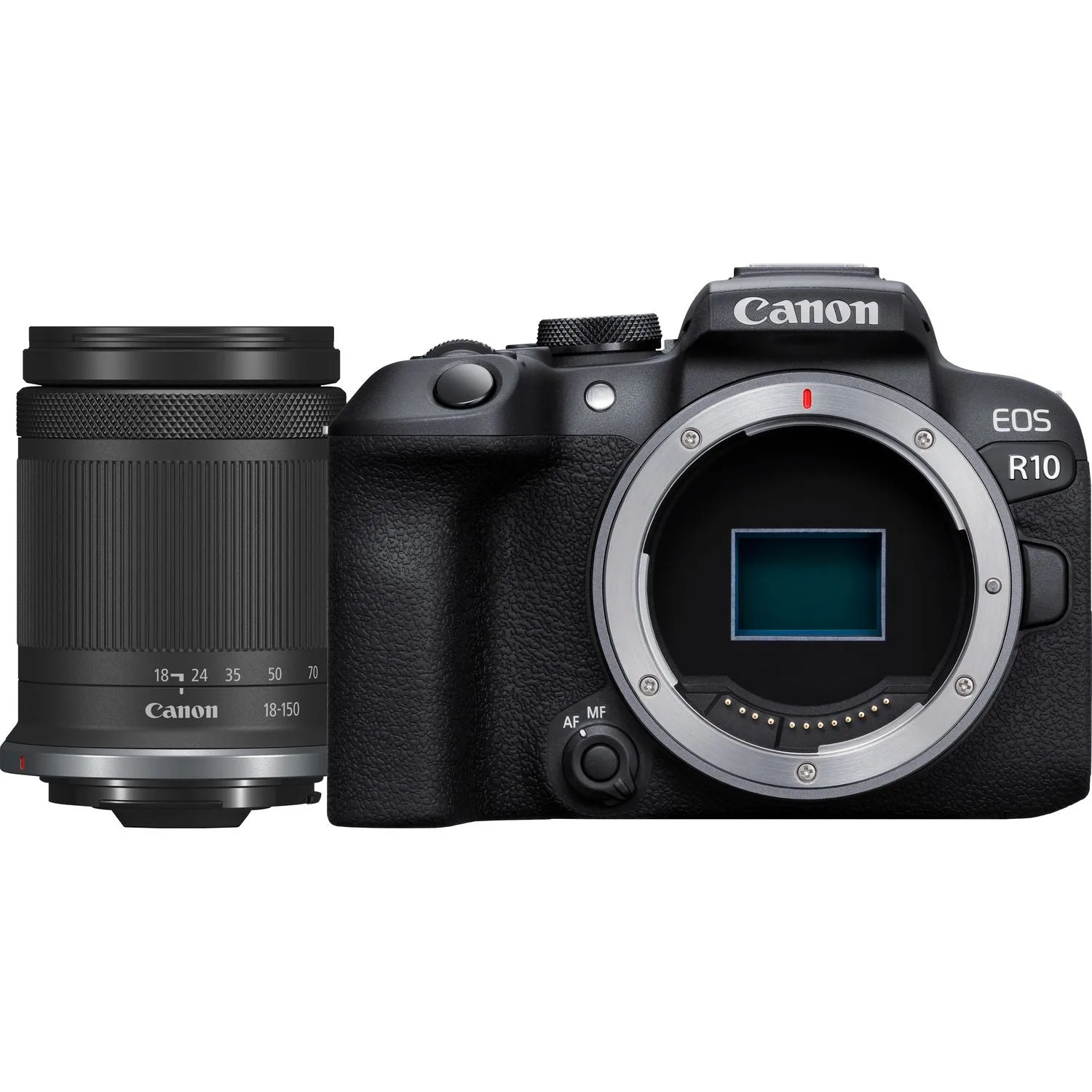
Canon EOS R10 with RF-S 18-150mm f/3.5-6.3 Lens Kit
Which kit fits you?
Best for
- Hybrid shooters who need full-frame image quality and advanced video features
- Event and portrait photographers wanting shallow depth of field and low-light performance
Not for
- Budget-conscious beginners who want an all-in-one travel zoom
- Shooters who prefer a lightweight kit for casual or action photography