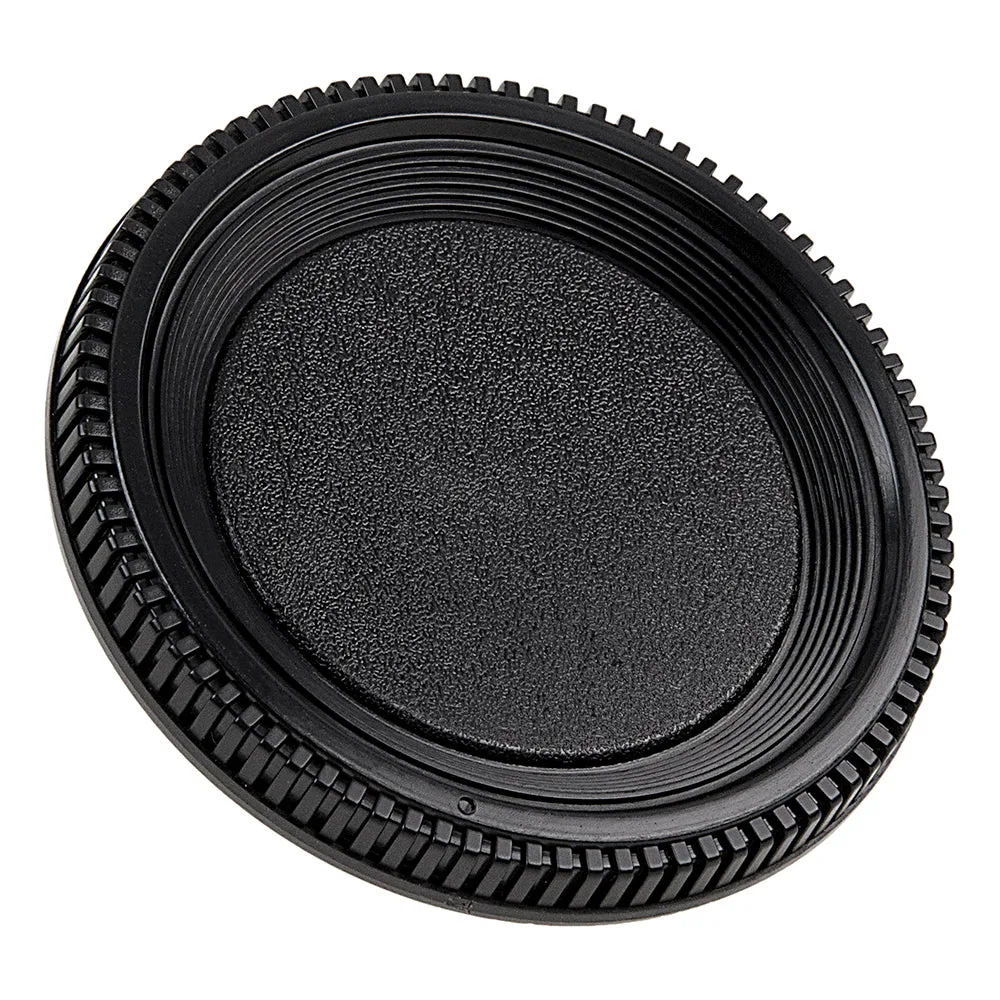
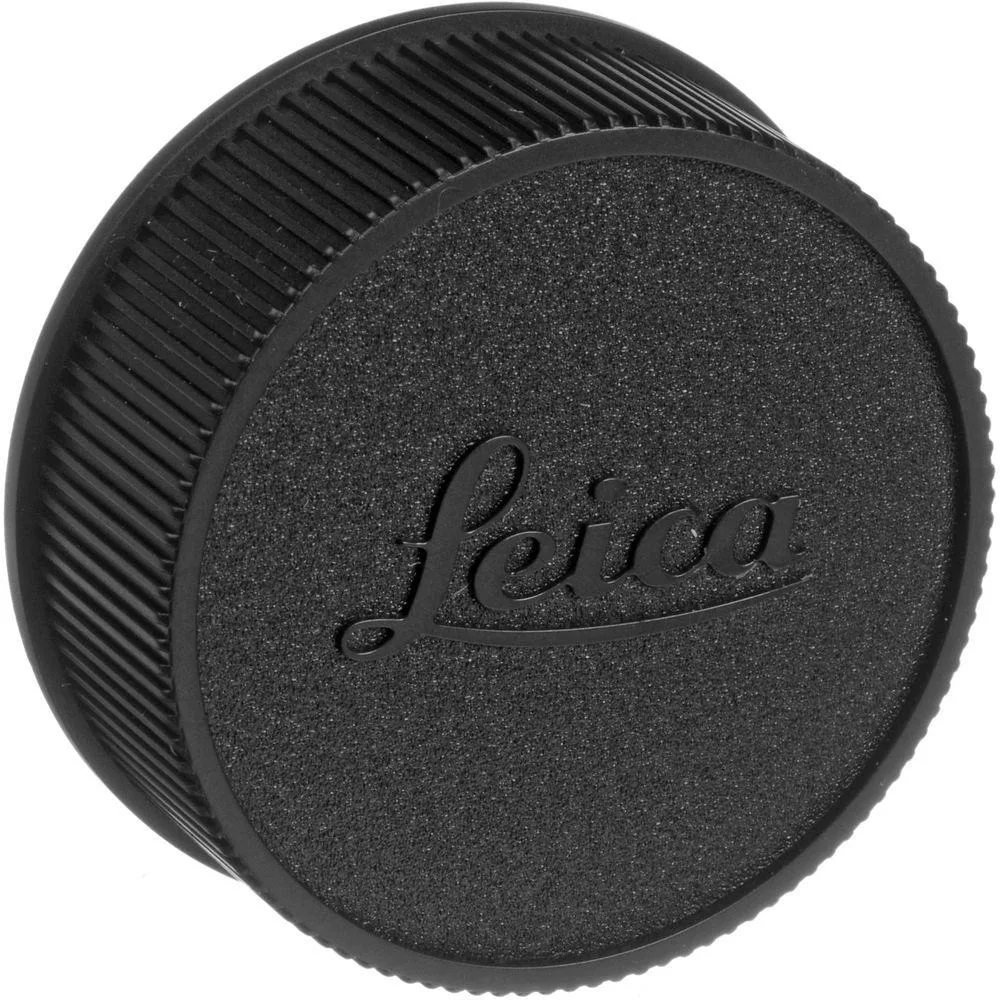
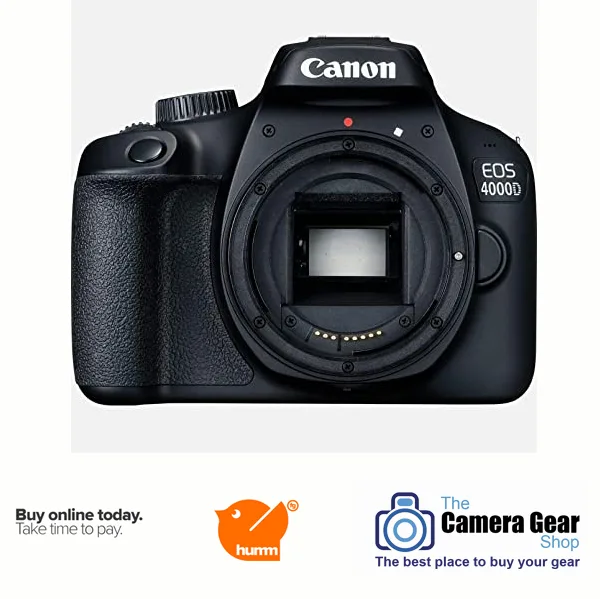
The claim: a body cap is just a dust cover you can skip
A common assumption is that a body cap is optional clutter, especially once you keep a lens on your EOS R most of the time. The reasoning sounds sensible: if the camera is rarely open, why buy a cap?
The problem is that the moments when the mount is exposed are exactly the moments when a cap matters. Changing lenses, storing a body separately, or packing a camera for travel all leave the sensor and mount area open to dust and accidental contact. A body cap does not clean your sensor or replace careful handling, but it closes that opening when no lens is attached.
The supplied catalog evidence for this article centers on a related but different accessory: the Canon RF rear lens cap. That distinction matters for evaluating the claim, because a rear lens cap and a body cap protect opposite sides of the same mount. The catalog does not supply a separate body cap record, so any claim about a specific body cap set's materials, sealing, or included pieces cannot be confirmed from the supplied information.
What the catalog actually confirms about RF mount protection
-
CANON RF SET BODY CAPS FOR EOS R CAMERAS: Dedicated to Canon RF-mount lenses, the RF Rear Lens Cap protects the lens's rear element from dust and scratches when it is not attached to a camera. This confirms the RF mount has a dedicated rear protection accessory for lenses, which is the counterpart to a body cap. It supports the general principle that both sides of the mount benefit from a cover when separated.
CANON RF SET BODY CAPS FOR EOS R CAMERAS
-
CANON RF SET BODY CAPS FOR EOS R CAMERAS: Suitable to be taken on-location shoots to secure your RF lenses when not attached to your EOS R camera. The catalog frames rear caps as on-location gear, not just storage-room items. That is relevant to the claim that caps are unnecessary: the risk exists precisely when you are swapping lenses in the field.
Body cap vs rear lens cap: they are not interchangeable
A body cap covers the camera's lens mount opening. A rear lens cap covers the back of a lens that is off the camera. They are shaped and sized for different surfaces, so one cannot substitute for the other.
The supplied Canon RF rear lens cap record describes protection for the lens's rear element from dust and scratches when it is not attached to a camera. That is a lens-side job. A body cap's job is the camera side. If you remove a lens and set the body down without a cap, the rear cap in your bag does nothing for the camera.
This is the clearest myth to bust: owning a rear lens cap is not the same as protecting your EOS R body. The two accessories solve different problems, and a complete RF kit typically needs both.
What each cap protects, and when it matters
- Canon RF rear lens cap: Protects the rear element of an RF-mount lens when it is off the camera. The supplied record confirms this role and notes it is suitable for on-location shoots. Use it whenever a lens leaves the body.
- Body cap for an EOS R camera: Covers the camera's open mount when no lens is attached. The supplied information does not include a specific body cap record, so materials, sealing, and set contents cannot be confirmed here. The protective role is the same principle: close the opening.
- Front lens cap: Covers the front glass of a lens. It does nothing for the rear element or the camera mount. The supplied record does not describe front caps, so treat this as a separate item in your kit rather than a substitute.
When a body cap earns its place in your bag
A body cap is not something you need every minute. It is something you need at specific moments. These are the situations where skipping it creates avoidable risk:
- Lens changes in the field: When you remove a lens, the mount is open. Having a body cap within reach lets you close it while you handle the next lens. The supplied rear cap record notes on-location use for lenses, which reflects the same field reality.
- Storing the body without a lens: If your EOS R body sits in a bag or drawer without a lens, a body cap keeps dust and accidental contact away from the mount area. The catalog does not specify storage conditions, so this is general handling advice rather than a manufacturer instruction.
- Travel and transport: Packing a body separately from lenses is common. A cap protects the opening during transit. The supplied information does not confirm any impact or weather sealing for body caps, so do not treat a cap as protection against drops or moisture.
The honest limits of the evidence
The supplied catalog record for the Canon RF rear lens cap is clear about its purpose, but it does not describe a body cap set, its materials, whether it includes both front and rear caps, or any sealing properties. Claims that a particular set is weather-sealed, fits every RF body, or includes a specific number of pieces cannot be verified from the supplied information.
What the evidence does support is narrower and still useful: RF-mount gear has dedicated caps for protecting the lens side when off the camera, and the same logic applies to the camera side. A body cap is a low-cost way to close an opening that is otherwise exposed during lens changes and storage.
The myth that a body cap is pointless tends to come from people who never remove a lens, or who confuse rear lens caps with body caps. If you change lenses, store the body separately, or travel with your EOS R, the case for having a cap is straightforward. If your camera never leaves the house without a lens attached, the need is lower, but the cost of being wrong is a dusty mount or a scratched sensor cover.
A simple routine that makes caps work
You do not need a complicated system. A repeatable habit is enough to get the benefit:
- Cap the lens you removed: As soon as a lens comes off the body, fit its rear cap. The supplied record confirms the RF rear lens cap protects the rear element from dust and scratches when the lens is not attached to a camera.
- Cap the body before setting it down: Fit the body cap before placing the camera in a bag or on a surface. This closes the mount opening while you handle the next lens.
- Keep caps where you change lenses: A cap in a distant case does not get used. Keep the body cap and rear caps in the same pocket or pouch you use during lens changes.
- Check the mount before remounting a lens: Look at the camera mount and the lens rear element before attaching. Caps reduce exposure but do not guarantee a clean mount, and the supplied information does not include cleaning instructions.