Quick answer
For outdoor steps, choose cantera stone if you want a handcrafted, textured look that blends with natural surroundings, but be ready for more upkeep. Choose French limestone if you prefer a smoother, more refined appearance and are willing to seal it to protect against staining and weathering.
Texture and Appearance
Both stones bring natural character, but they read very differently underfoot and from a distance. Cantera stone is a volcanic rock with a porous, rustic texture that gives steps a hand-hewn, earthy feel. French limestone, by contrast, has a finer grain and a more uniform surface, which suits traditional or contemporary facades.
Your choice here is mostly about style. If you want steps that look like they belong to a hillside or a Mediterranean courtyard, cantera's irregularities are an asset. If you want clean lines and a more formal entry, limestone's subtle variation and smooth finish will serve you better.
Durability and Weather Resistance
Both stones are natural and will weather outdoors, but they respond differently to moisture and freeze-thaw cycles. Cantera is more porous, so it absorbs water quickly. In climates with freezing temperatures, that trapped water can expand and cause spalling. French limestone is denser, but it is still a sedimentary stone and can be vulnerable to acidic rain or staining if left unsealed.
The practical takeaway: in wet or freezing regions, French limestone is generally the safer structural choice, provided it is sealed. In dry, warm climates, cantera's porosity is less of a liability and its texture can help with slip resistance.
Maintenance and Long-Term Care
Outdoor steps take a beating from foot traffic, dirt, and weather. Cantera's open texture holds onto grime and requires more frequent cleaning. It also benefits from a penetrating sealer to reduce water absorption, but the sealer needs reapplication over time. French limestone is easier to keep clean because its surface is smoother, but it still needs sealing to prevent stains from oil, soil, or leaf litter.
If you want low-maintenance steps, limestone will demand less elbow grease. If you enjoy the patina that comes with natural aging and don't mind periodic upkeep, cantera can be a rewarding choice.
Trade-offs at a glance
- Climate: In freeze-thaw regions, choose French limestone (sealed) to reduce spalling risk. In dry, warm climates, cantera's porosity is less of a problem. Check your local frost depth before deciding.
- Maintenance: Cantera needs more frequent cleaning and resealing. French limestone is easier to clean but still requires sealing to prevent stains. Budget for annual sealer reapplication on either stone.
- Style: Cantera suits rustic, earthy designs; French limestone fits formal or contemporary aesthetics. View samples in your actual outdoor light before ordering.
Product facts
-
Badlands 6x6: The Badlands 6x6 is a handcrafted piece of natural cantera with authentic texture, sized 6" x 6" for versatile use on walls, floors, or decorative applications. This gives you a real sense of cantera's rustic, artisanal character before you commit to a full run of steps.
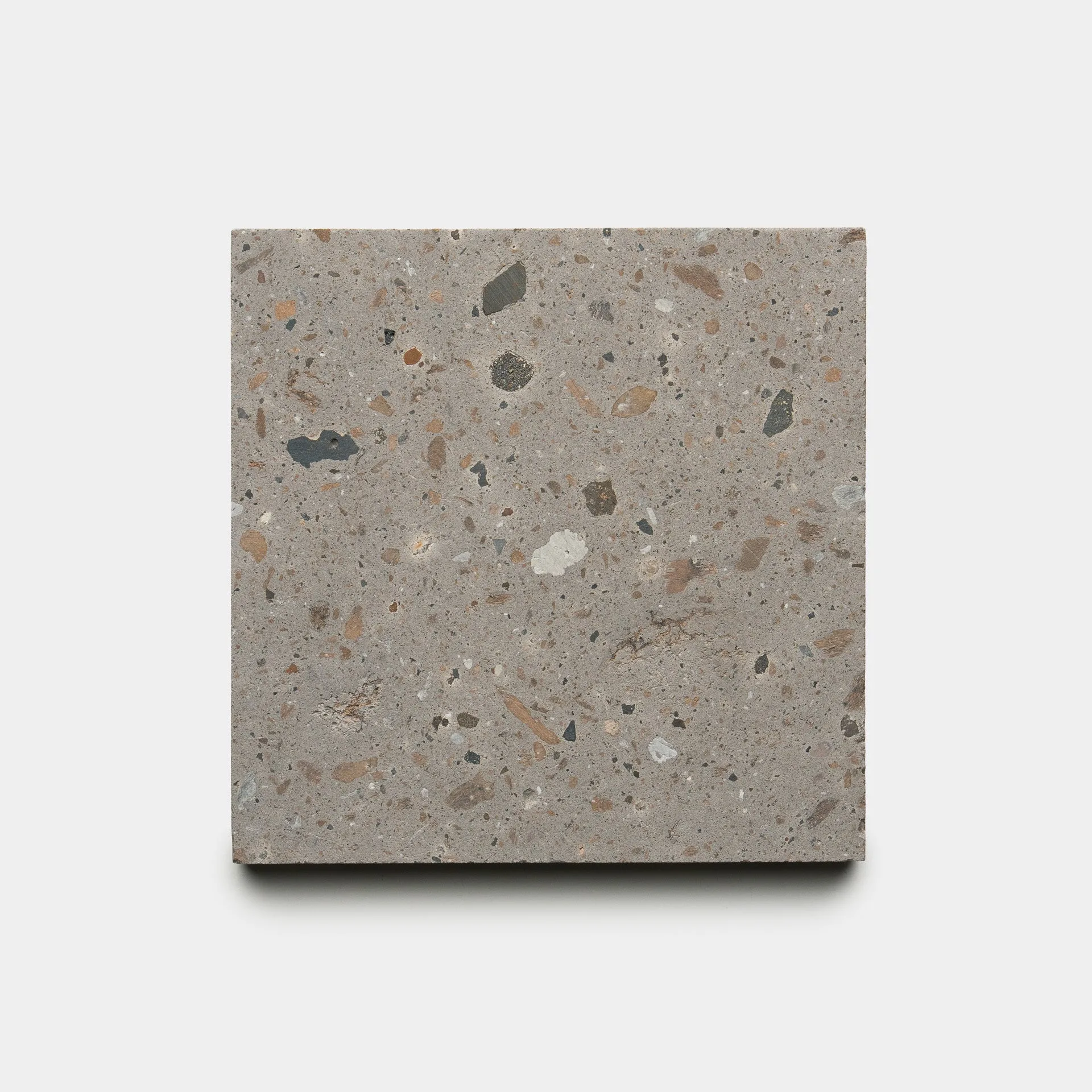
Badlands 6x6
-
French Limestone 8x8, Sample: The French Limestone 8x8 sample lets you assess the look and feel of French limestone in your own space. Because limestone's appeal is subtle and varies with lighting, a sample helps you confirm it matches your outdoor setting before ordering.
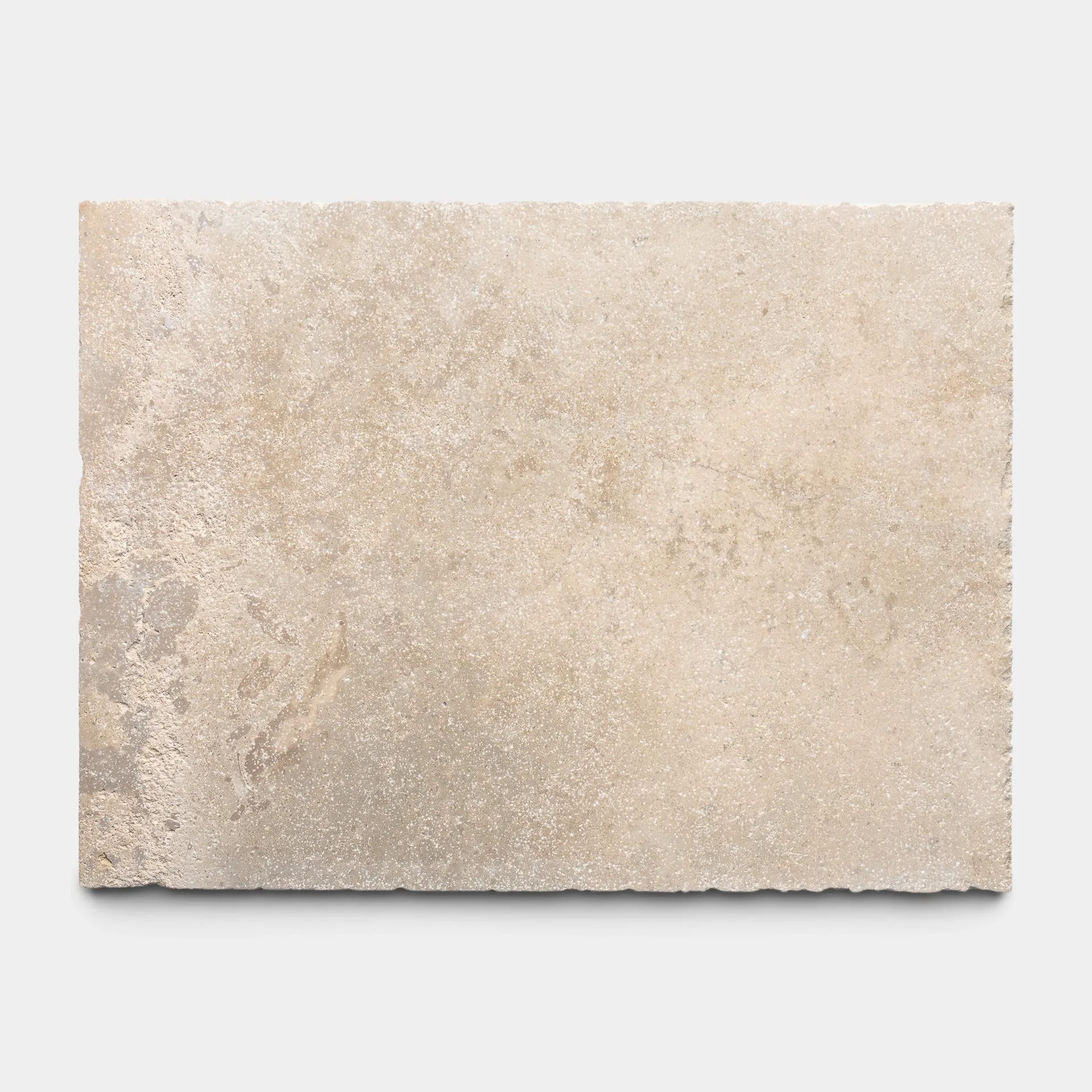
French Limestone 8x8, Sample
Which stone fits you?
Best for
- Homeowners in dry climates who want a handcrafted, textured look
- Projects where slip resistance is a priority and maintenance is acceptable
Not for
- Freeze-thaw regions without a robust sealing schedule
- Anyone seeking minimal upkeep on outdoor steps