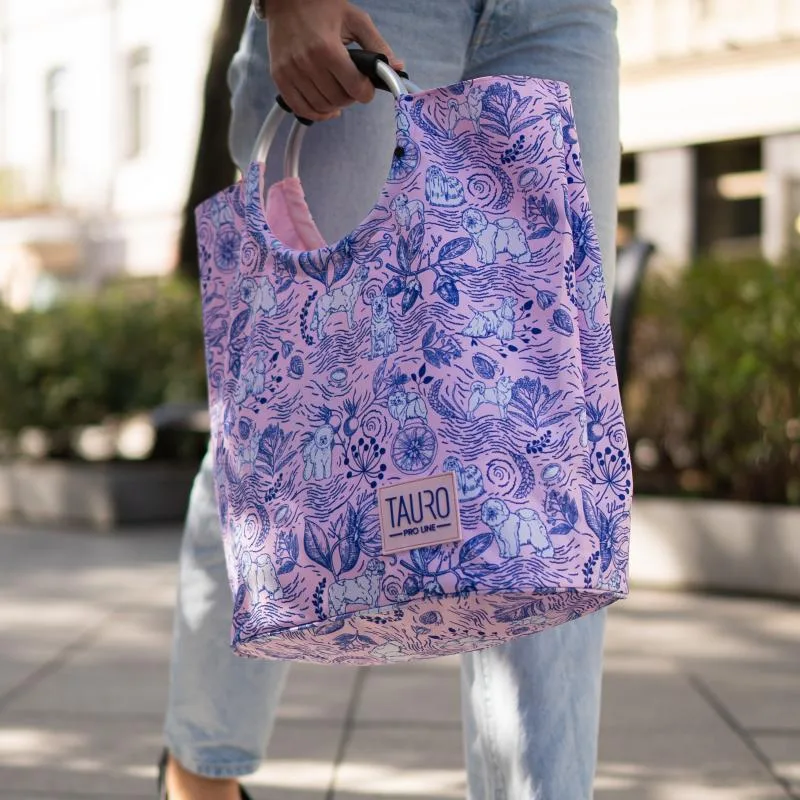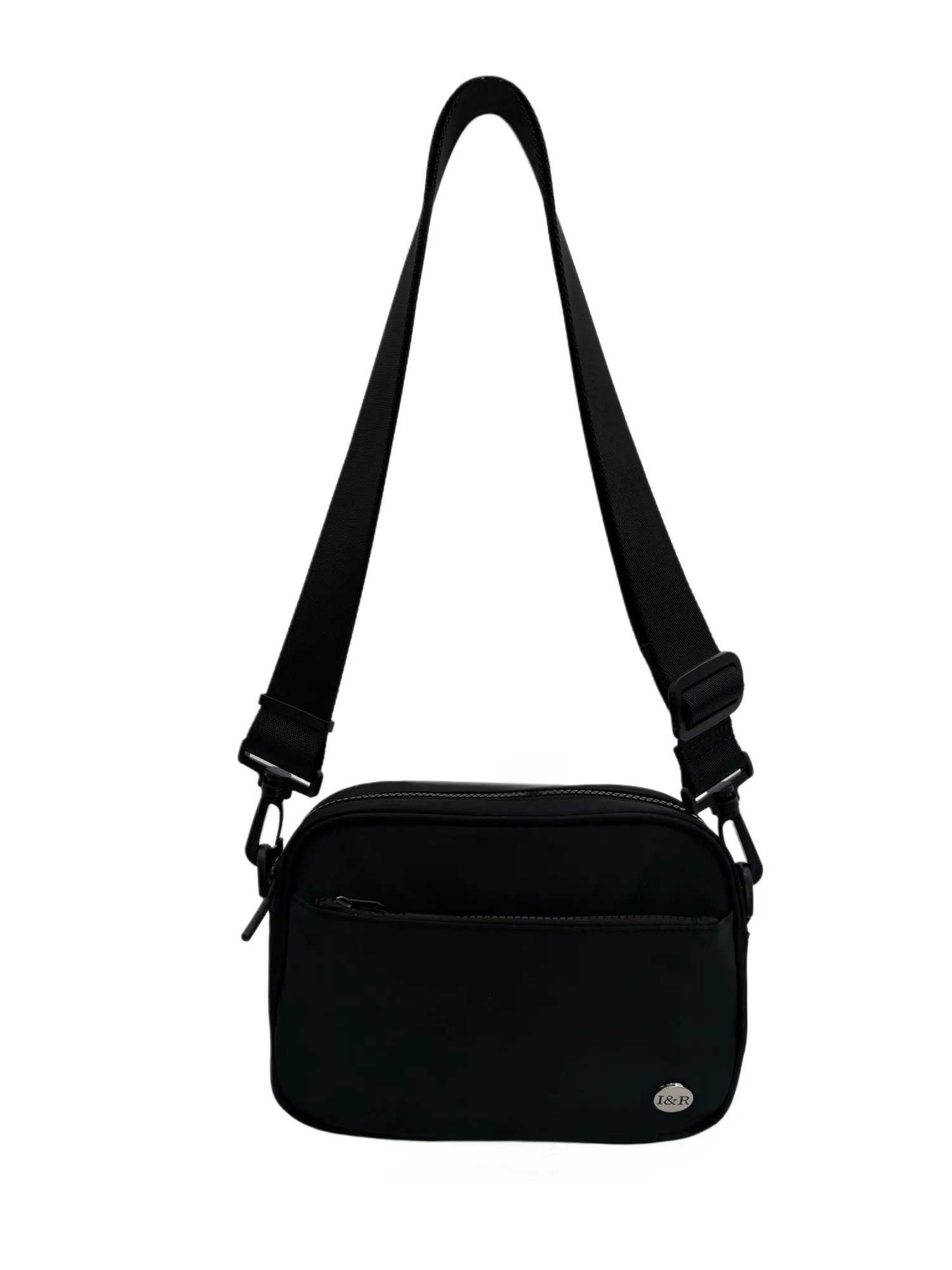
Quick Verdict
If you value a natural feel, heavyweight durability, and a biodegradable end‑of‑life, choose a canvas tote. If you need a lightweight, water‑resistant bag with a lower carbon imprint from recycled fibers, the polyester option is the better fit.
Canvas and recycled polyester totes dominate the sustainable‑accessories market, but they aren’t interchangeable. Understanding how each material is made, how it ages, and how it fits into a zero‑waste lifestyle helps you pick the bag that truly matches your values.
In this comparison we break down the environmental impact, durability, and practical trade‑offs of each option, so you can decide which tote earns a spot in your daily carry.
Environmental Impact
Canvas is a natural fiber derived from cotton or linen. Its production uses water and land, but the fibers are biodegradable and can be composted at the end of their life. Recycled polyester, on the other hand, repurposes post‑consumer plastic bottles, diverting waste from landfills and reducing the need for virgin petroleum‑based polyester.
Both materials lower carbon emissions compared with conventional nylon or leather, yet the key difference lies in end‑of‑life handling: canvas returns to soil, while recycled polyester may eventually be down‑cycled or incinerated.
- Choose canvas for a fully compostable bag.
- Pick recycled polyester if you want to keep plastic out of oceans.
Durability & Everyday Use
Canvas tote bags are thick, often 12‑14 oz, giving them a rigid structure that resists tearing under heavy loads. They develop a soft patina over time, which many users find appealing. Recycled polyester totes are lighter, typically 4‑6 oz, and excel at resisting water, stains, and UV fading, making them ideal for travel or outdoor activities.
Consider how you’ll use the bag: a canvas tote can hold books, groceries, or a laptop without stretching, while a polyester tote folds flat and dries quickly after a rainstorm.
- Canvas = sturdy, heavy‑duty, natural look.
- Polyester = lightweight, water‑proof, packs small.
Key Trade‑offs to Consider
- Material Source: Canvas comes from renewable plant fibers; recycled polyester uses post‑consumer plastic. Both reduce waste, but canvas offers a biodegradable end‑of‑life.
- Weight & Packability: Canvas bags are heavier and hold shape; polyester bags are lighter and fold flat. Pick canvas for sturdy carry, polyester for travel‑friendly packing.
- Water Resistance: Polyester is inherently water‑repellent; canvas can absorb moisture unless treated. Choose polyester for rain‑prone outings.
Related Dotori Designs Products
- Princess Mononoke Bento Box Enamel Pin: 1.5 inch wide – Gold‑plated hard enamel pin – 2 rubber backing – Engraved logo on the back The gold plating adds durability and a premium feel, showing how material choices affect longevity in small accessories.
- Textured Planner Monthly Tabs with Gold Foil Lettering: Decorate your planners with minimalist monthly tabs; gold foil adds elegant flair; sized to fit most planner margins; 2" x 3" sticker sheet The precise sizing and foil finish illustrate the balance between aesthetic detail and functional compatibility—similar to tote material trade‑offs.
Which Tote Is Right for You?
Best For
- Students or professionals needing a robust bag for books and laptops
- Eco‑conscious shoppers who prefer biodegradable products
Not Ideal For
- Travelers who prioritize ultra‑light packing
- Outdoor activities where water resistance is essential
Both canvas and recycled polyester totes deliver eco‑friendly options; your choice hinges on whether you prioritize natural durability or lightweight water resistance. Align the bag with your daily routine, and you’ll carry sustainability in style.