Two capillary tips, two access priorities
Ultradent offers two capillary tips for dental professionals: the Capillary Tip and the Micro Capillary Tip. Both are designed for precise delivery, but the catalog evidence points to different access needs. The Capillary Tip is described as a way to access curved canals and minimize the use of paper tips. The Micro Capillary Tip is described as the world's smallest molded tip for dental professional use, with visibility against soft tissues. This comparison focuses on what the supplied information confirms and where it leaves room for your clinical judgment.
Because the catalog does not provide procedural instructions, safety data, or compatibility details for either tip, this article does not recommend a step-by-step protocol. Instead, it helps you compare the two products based on their stated purposes and limitations, so you can decide which tip aligns with your etch and bond delivery needs.
Catalog evidence for the Capillary Tip
-
Capillary Tip: Access curved canals and minimize the use of paper tips with the Capillary tip by Ultradent. This is the primary stated use: reaching curved canals while reducing reliance on paper tips. If your delivery challenge involves curved anatomy and you want to limit paper tip usage, this tip is positioned for that scenario.
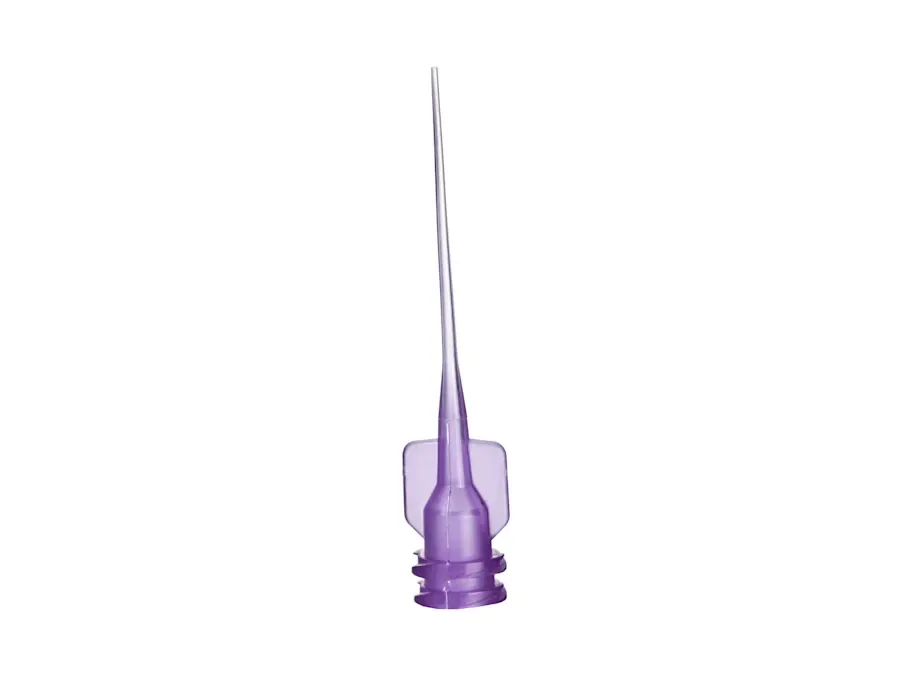
Capillary Tip
Catalog evidence for the Micro Capillary Tip
-
Micro Capillary™ Tip: The Micro Capillary tip is the world's smallest molded tip for dental professional use. Size is the defining feature here. If your priority is the smallest possible tip footprint for fine access, this is the relevant option according to the catalog.
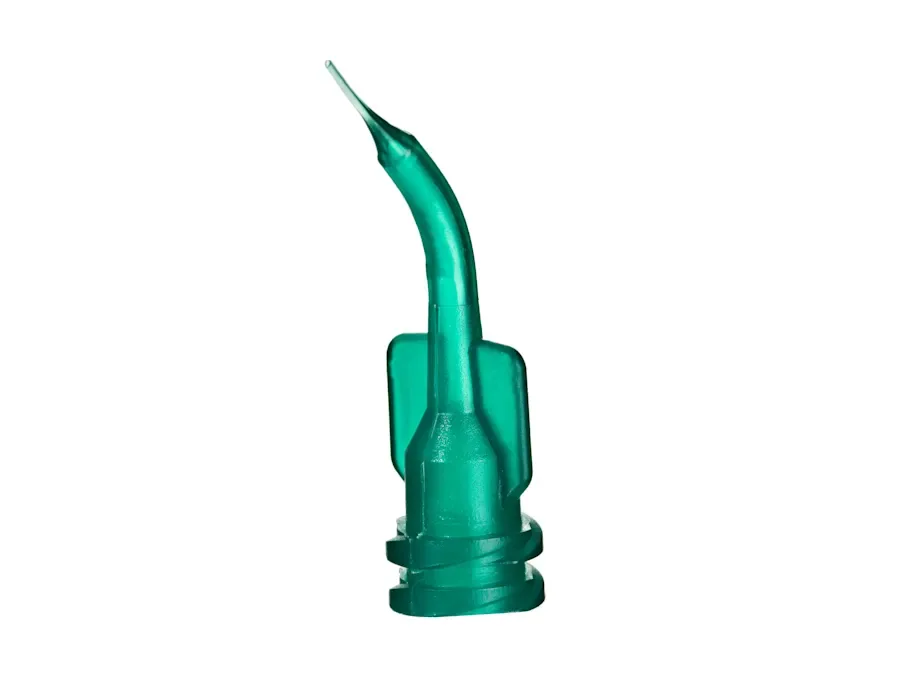
Micro Capillary™ Tip
-
Micro Capillary™ Tip: See it clearly against soft tissues. Visibility against soft tissues is called out, which may matter when working in areas where contrast helps you confirm tip position.
How the two tips compare on stated features
- Primary access goal: Capillary Tip: access curved canals. Micro Capillary Tip: smallest molded tip for fine access.
- Paper tip usage: Capillary Tip: explicitly associated with minimizing paper tips. Micro Capillary Tip: no paper tip reduction claim in the supplied information.
- Size claim: Micro Capillary Tip: described as the world's smallest molded tip for dental professional use. Capillary Tip: no size claim in the supplied information.
- Visibility: Micro Capillary Tip: noted for visibility against soft tissues. Capillary Tip: no visibility claim in the supplied information.
- Catalog price: Capillary Tip: USD 210.90 (comparison price USD 285.00). Micro Capillary Tip: USD 185.25 (comparison price USD 285.00).
Choosing between them for etch and bond delivery
The catalog does not specify which tip is intended for etch gel versus bonding agent, nor does it provide instructions for use with either material. Both are described as capillary tips, and both are listed under dental professional categories (Bond Etch and Tips Syringes), but the supplied evidence does not assign one material to one tip. Your choice should therefore be based on the access challenge you face, not on a catalog-stated material match.
If your priority is reaching curved canals and reducing paper tip use, the Capillary Tip is the one described for that purpose. If your priority is the smallest possible tip and visibility against soft tissues, the Micro Capillary Tip is the one described for that. In many cases, the decision may come down to which access limitation is more critical for the task at hand. Because the catalog does not provide compatibility or safety information, you should rely on your own clinical judgment and the manufacturer's full instructions before use.
What the catalog does not tell you
The supplied product records do not include specifications, preparation steps, operating instructions, or critical care and safety evidence for either tip. That means details such as tip dimensions, material compatibility, sterilization or single-use status, and recommended procedures are not confirmed here. This absence is a limitation of the available information, not a statement that the products lack such features. For any clinical decision, consult the full manufacturer documentation and your professional training.