Quick answer
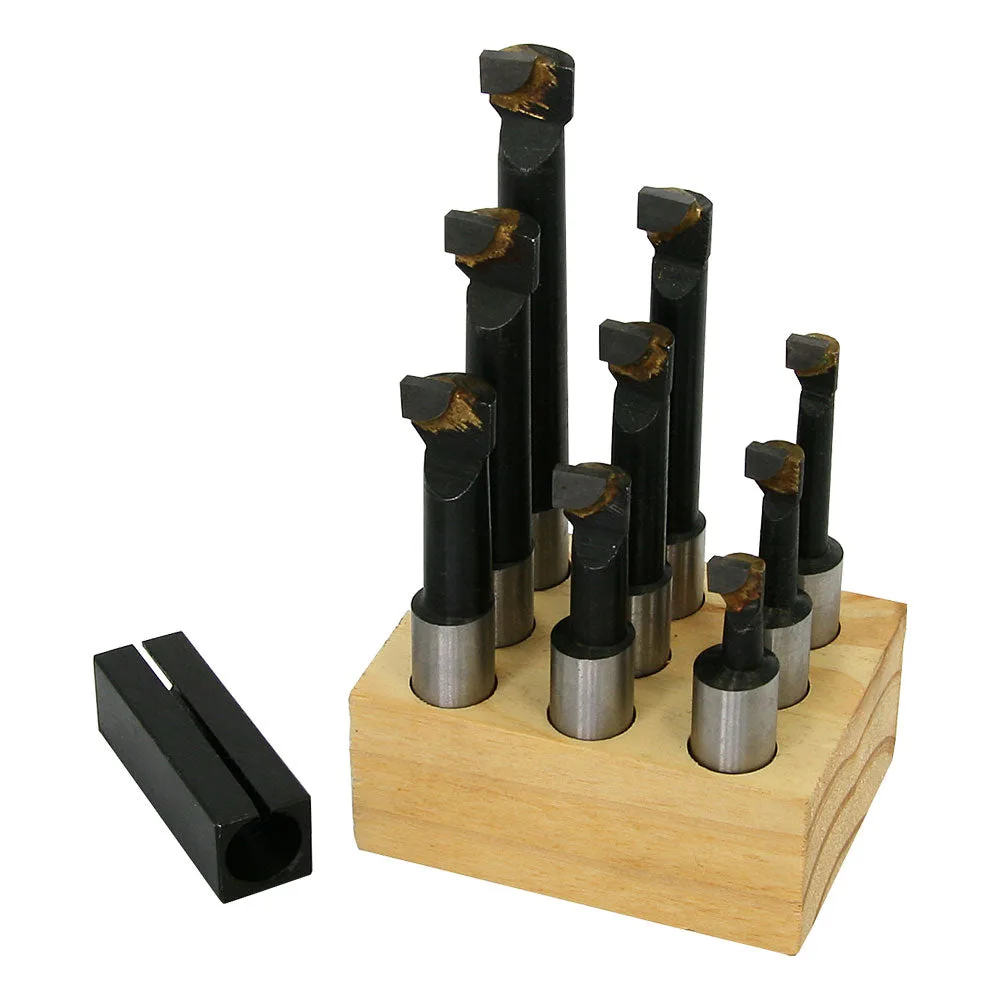
Start with a 1/2" shank set that matches your tool post: the 9-piece carbide-tipped boring bar set (product 1282221) covers 5/16" to 9/16" minimum bores and includes a holder for the standard 4-way tool post on 7x10, 7x12, and 7x14 mini lathes. If you need production-quality indexable tooling for a wider range of materials, the A.R. Warner #14 kit (product 1279475) is the step up. Confirm shank diameter and minimum bore before buying.
tool post
Match the shank to your tool post before anything else
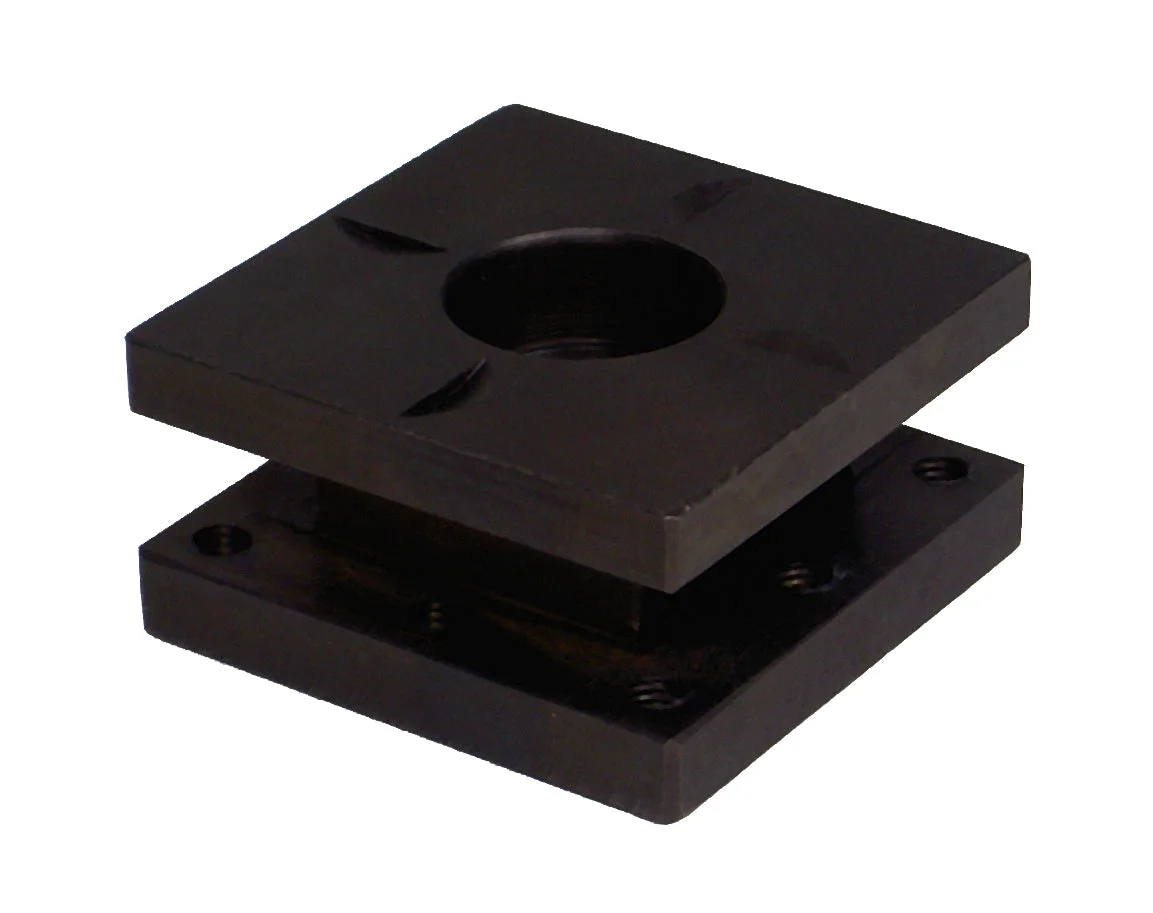
Boring bar shank size is the first compatibility check. A 1/2" shank is common on mini lathes, but not every lathe uses the same tool post. The 9-piece carbide-tipped set includes a holder that fits the standard 4-way tool post on 7x10, 7x12, and 7x14 mini lathes and holds 1/2" shanks. If your lathe uses a quick-change tool post or a different holder style, you may need an adapter or a different boring bar holder. Measure your tool post slot and confirm the shank diameter before ordering.
Read minimum bore and depth as a range, not a single number
A boring bar set is only useful if it covers the hole sizes you actually machine. The carbide-tipped 9-piece set includes three different length bars for minimum bores of 5/16", 7/16", and 9/16", with bore depth ranging from 3/4" to 3". That means you can start a small bore and step up as the hole grows. If you need to bore deeper than 3" or smaller than 5/16", this set will not reach those jobs without a different bar. Check the depth-to-diameter ratio: a bar that is too long for a small bore will chatter.
Decide between carbide-tipped and indexable inserts
Carbide-tipped bars are brazed, so you sharpen or replace the whole bar when the tip dulls. Indexable bars use replaceable inserts, so you rotate or swap the insert and keep the bar. The A.R. Warner #14 kit uses high speed steel or carbide inserts and is a production-quality tool holder made in the USA. Indexable tooling costs more up front but can be more consistent for repeated cuts. If you are doing one-off hobby work and want a low entry price, the carbide-tipped set is the practical choice. If you cut a lot of steel or want repeatable results, indexable is worth the step up.
Set tool height accurately or the best bar will still cut poorly
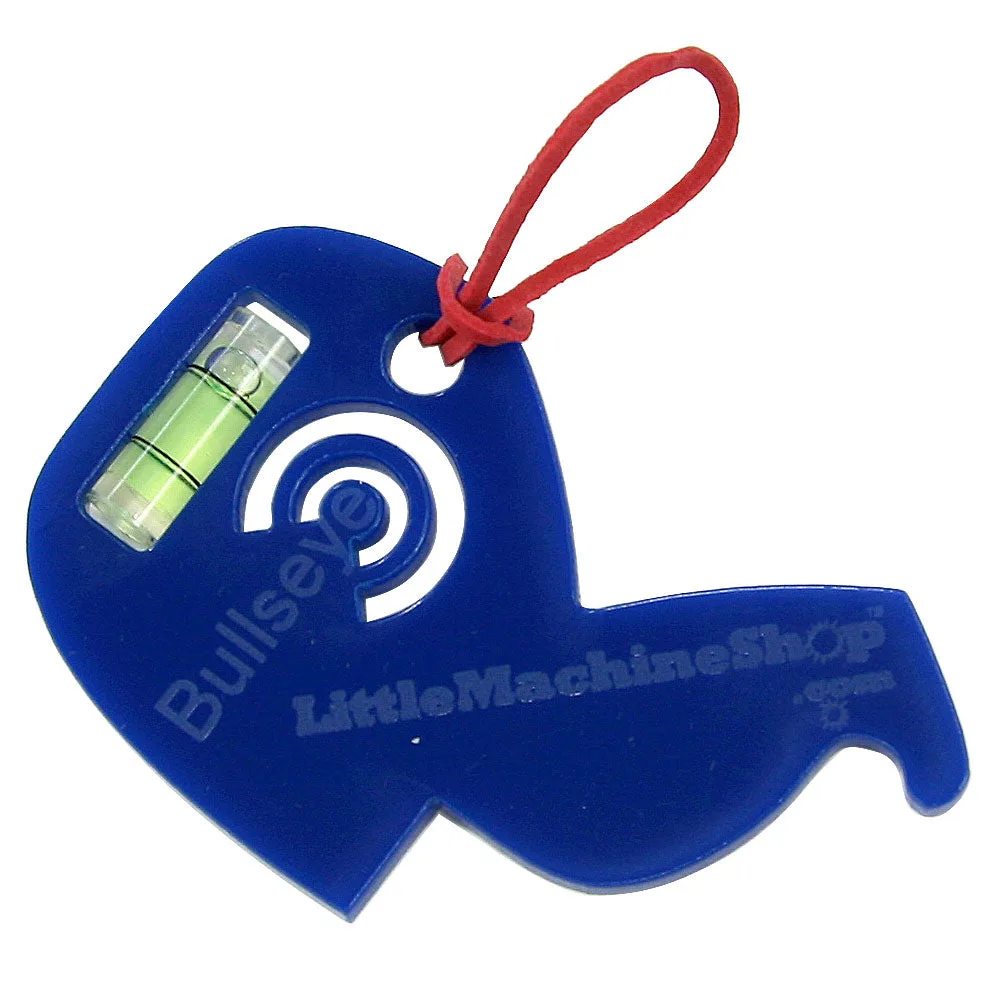
Boring bar performance depends on center height. A bar set slightly above or below center will rub, taper the bore, or break tips. The Bullseye lathe tool height setter (product 1280387) lets you quickly check and adjust tool height without guesswork. Use it after every tool change. This is a small accessory that prevents a lot of wasted stock and broken inserts.
Bullseye lathe tool height setter
Check your lathe's belt tensioner hardware if you are already ordering
If you are placing an order for boring tooling and your 9x20 bench lathe belt tensioner is loose or missing a spacer, the washer/spacer (product 1280121) is a 20mm outside diameter, 9mm inside diameter, 6mm thick part used in that assembly. It is a low-cost add-on that avoids a second shipment. This is not a boring bar part, but it is a common wear item on the 9x20 bench lathe.
Decision rules for buying a boring bar set
- Rule 1: Shank diameter must match your holder: Measure your tool post or existing holder. If it takes 1/2" shanks, the 9-piece set with holder (1282221) fits 7x10, 7x12, and 7x14 mini lathes with a standard 4-way tool post. If you have a quick-change post, confirm it accepts 1/2" boring bars or plan for an adapter. No fit, no cut. Verify before ordering.
- Rule 2: Minimum bore and depth must cover your job: List the smallest hole you need to bore and the deepest. The 9-piece set covers 5/16" to 9/16" minimum bores and 3/4" to 3" depth. If your job falls outside that, choose a different set or add a longer bar. Match the range, not just the shank.
- Rule 3: Choose carbide-tipped for low volume, indexable for repeatability: Carbide-tipped bars are lower cost and fine for occasional hobby work. Indexable bars like the A.R. Warner #14 kit cost more but let you swap inserts and keep the bar, which pays off in repeated cuts or harder materials. Buy for your volume and material, not just the price.
- Rule 4: Budget for a height setter: A tool height setter like the Bullseye (1280387) removes guesswork and protects your inserts. It is a small cost compared to broken tooling and scrap parts. Add it to the same order.
Product facts
- Boring Bar Set, 1/2" Shank, Carbide with Holder for Mini Lathe: This carbide tipped 9-piece boring bar set includes three different length boring bars each for minimum bores of 5/16", 7/16", and 9/16". The bore depth ranges from 3/4" to 3". The heat treated, alloy steel shanks are held to 0.000 to -0.0005" from the nominal diameter. The boring bar holder fits in the standard 4-way tool post on 7x10, 7x12, and 7x14 mini lathes and holds boring bars with 1/2" shanks. This set covers a useful range of small to medium bores and includes a holder that fits common mini lathe tool posts, so you can start boring without buying a separate holder. The tight shank tolerance helps reduce runout and chatter.
- Boring Bar, 1/2" Indexable, HSS Triangle Inserts, A R Warner Kit #14: This Arthur R. Warner Co. precision tool holder kit uses high speed steel or carbide inserts. These are production quality tool holders that are made in the USA. Indexable inserts let you replace the cutting edge without replacing the bar, which is more economical for repeated work and gives consistent geometry. The USA-made construction is a consideration if you value domestic manufacturing or need predictable tool life.
Who should buy which
Best for
- Hobbyists with a 7x10, 7x12, or 7x14 mini lathe and a standard 4-way tool post who need a ready-to-use boring set
- Machinists who bore small to medium holes (5/16" to 9/16") up to 3" deep and want a low-cost carbide-tipped option
Not for
- Anyone who needs to bore deeper than 3" or smaller than 5/16" with the same set
- Operators with a quick-change tool post that does not accept 1/2" shanks without an adapter
- High-volume production work where indexable inserts and repeatable geometry are required