Quick answer
Choose carbon fiber tent poles when you need a dedicated, packable pole set for a shelter designed around them and want to leave trekking poles at home. Stick with aluminum or your existing trekking poles when you need maximum durability against rock and repeated abuse, or when your shelter is not designed for a dedicated pole set.
Why carbon fiber earns a place in a shelter kit
Carbon fiber's main advantage is stiffness at low weight. That matters when a shelter depends on pole structure to hold its shape in wind, because a pole that flexes too much can let the canopy sag or flap. For backpackers who already count grams, swapping trekking poles for a dedicated carbon set can simplify the setup and remove a piece of gear you have to carry anyway.
The trade-off is that carbon fiber is not a forgiving material. It handles steady compression well but can crack or splinter from sharp impacts or being stepped on. Treat poles as a structural part of your shelter, not as hiking staffs, and store them protected in your pack.
When trekking poles are the better call
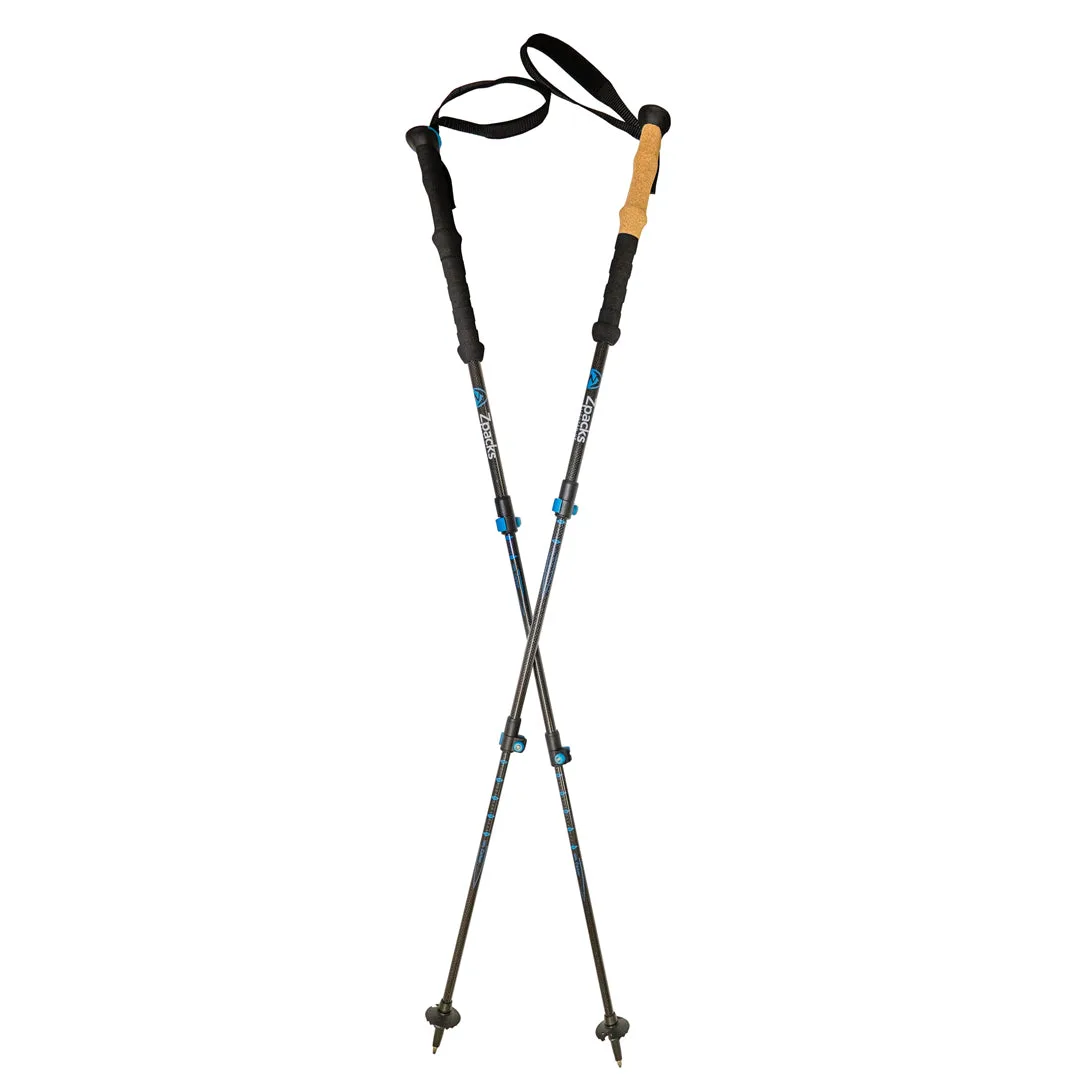
If you already hike with trekking poles and your shelter is designed to pitch with them, adding a dedicated pole set is often redundant weight and cost. Trekking poles also give you adjustable height and a second job on the trail, and aluminum models tolerate being jammed into rocky ground or leaned on during breaks.
Dedicated carbon poles make more sense for bikepackers, paddlers, or hikers who prefer not to carry trekking poles at all. They also help when you want a repeatable pitch: a pole made for a specific shelter removes the guesswork of setting two trekking poles to the same height.
Fit and compatibility come before material
A carbon pole that is the wrong length or diameter for your shelter is worse than a heavier pole that fits. Check the shelter's stated pole requirements first, then confirm the pole's adjustable range and section count. More sections pack smaller but add joints, which are the usual failure points on any collapsible pole.
Do not assume a pole set fits every shelter in a brand's line. Model-specific designs exist for a reason: the UltaMid 2 and 4, Unbound 2, and Mid 1 series each have their own geometry, and a pole intended for one may not give the correct pitch on another. If your shelter is not listed as compatible, ask the maker before buying.
Carbon versus aluminum in practice
Aluminum poles bend; carbon poles tend to fail more abruptly. A bent aluminum pole can often be straightened enough to finish a trip, while a cracked carbon pole may need a splint or replacement. That difference matters most on rocky ground, in high wind, or on trips where you cannot easily replace gear.
Carbon's stiffness can be an advantage in wind, but only if the pole is correctly sized and seated. A pole that is too long or not fully seated concentrates stress at the joints. Whichever material you choose, pitch with the pole adjusted to the shelter's recommended height rather than forcing extra tension.
Decision rules for buying carbon fiber tent poles
- Start with your shelter, not the pole: Confirm your shelter is designed for a dedicated pole set and check the maker's listed compatible models. If your shelter pitches with trekking poles only, a dedicated carbon set is not the right purchase. Compatibility is a hard requirement; material is a secondary choice.
- Match the adjustable range to your pitch height: Compare the pole's adjustable range with the shelter's recommended pole height. A pole that only just reaches the required height leaves little margin for uneven ground or pitch adjustments.
- Choose carbon when packability and weight drive the decision: Pick carbon if you want a compact, dedicated pole set and will protect it in transit. Choose aluminum if you expect rough handling, rocky pitches, or want a pole that can be field-straightened. Carbon rewards careful handling; aluminum tolerates abuse.
- Count the joints: More sections pack smaller but create more joints. If pack length is not a constraint, a pole with fewer sections has fewer potential failure points.
- Plan for field repair: Carry a repair sleeve or splint sized for your pole diameter, and know how to use it before your trip. A cracked pole without a repair option can end a trip early. Test your repair method at home before relying on it.
Product facts
-
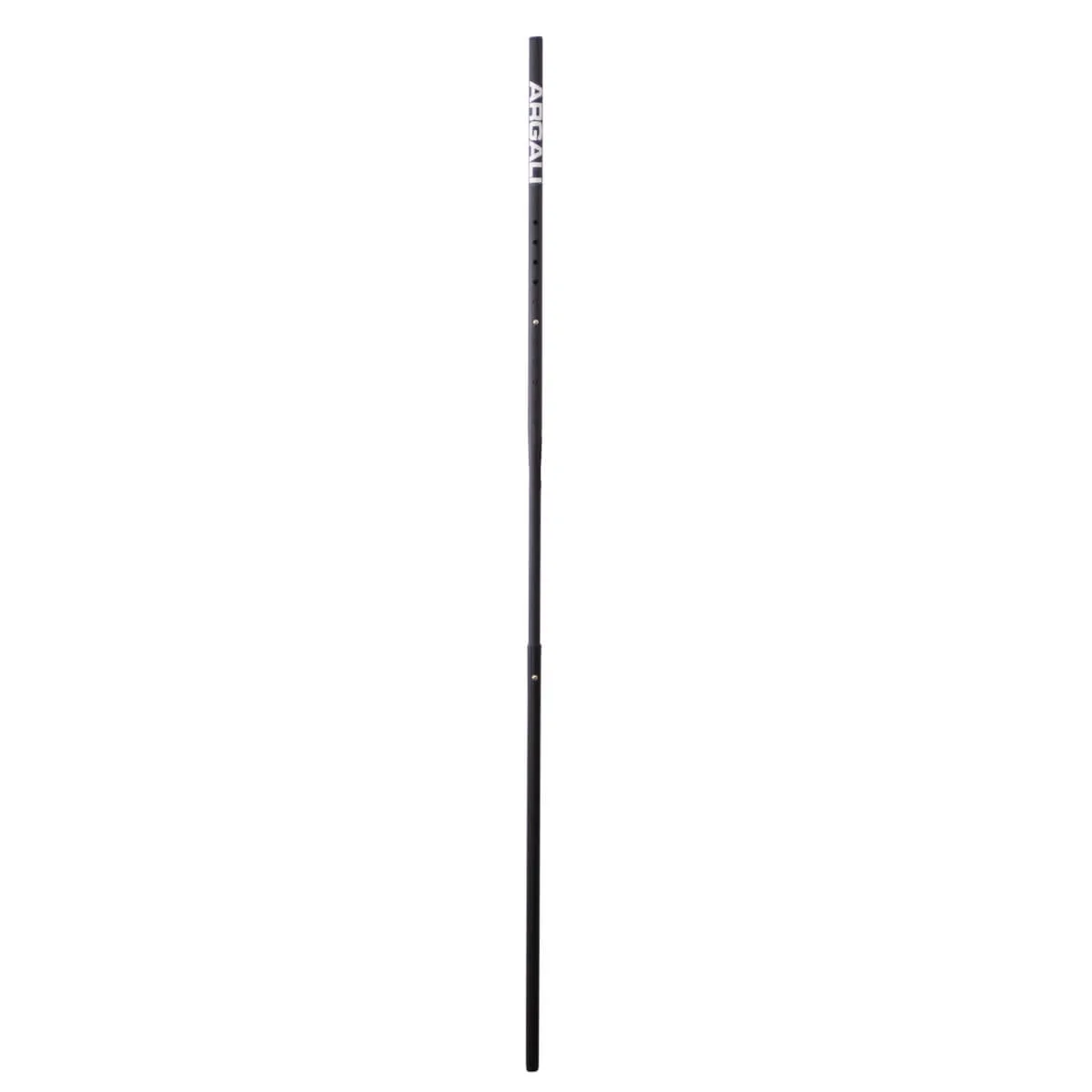
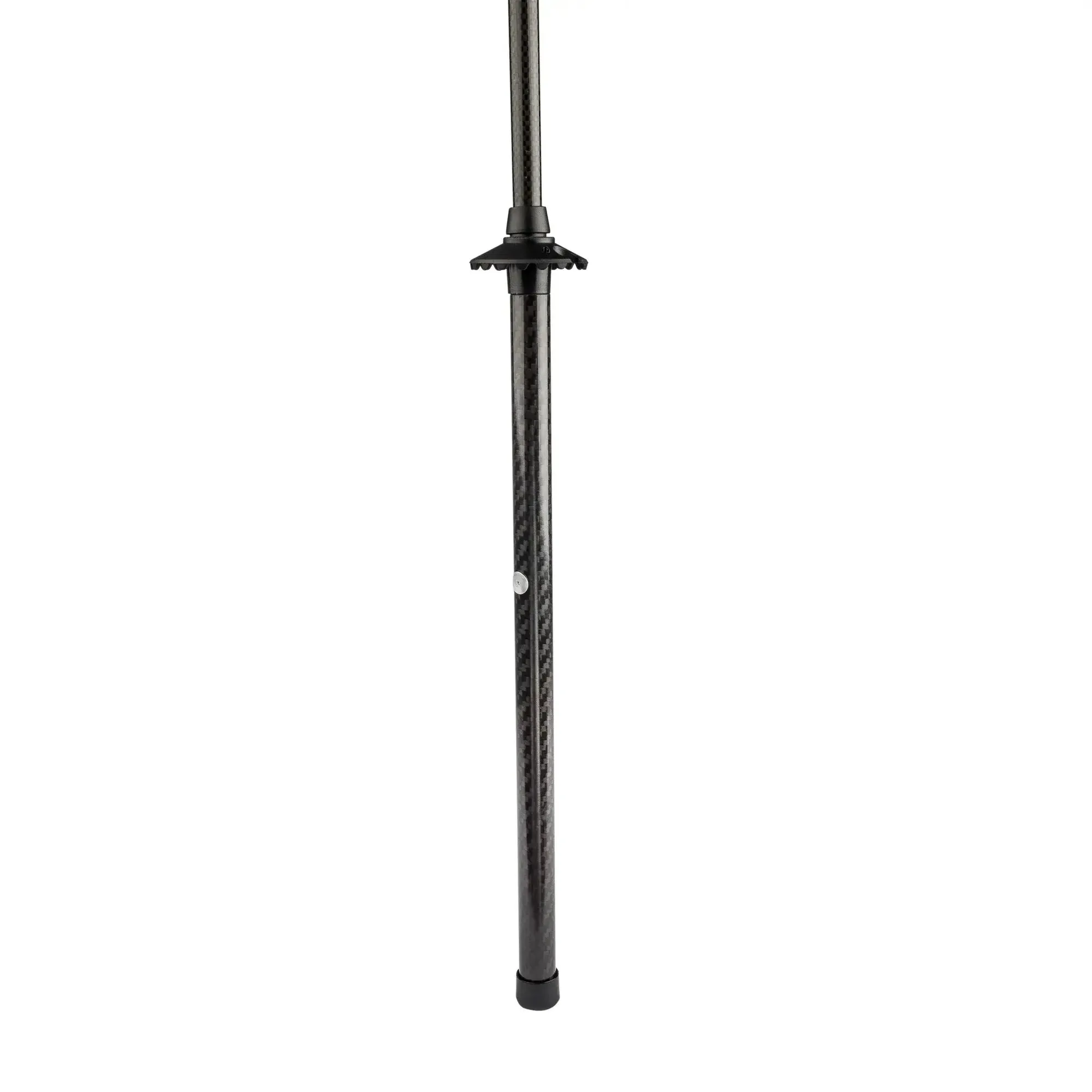
Carbon Fiber Tent Poles: Height-adjustable carbon fiber poles designed specifically for the UltaMid 2 and 4, Unbound 2, and Mid 1 series, breaking down into compact sections. If you own one of those shelters and do not carry trekking poles, this is a direct-fit option that packs small for backpacking or bikepacking.
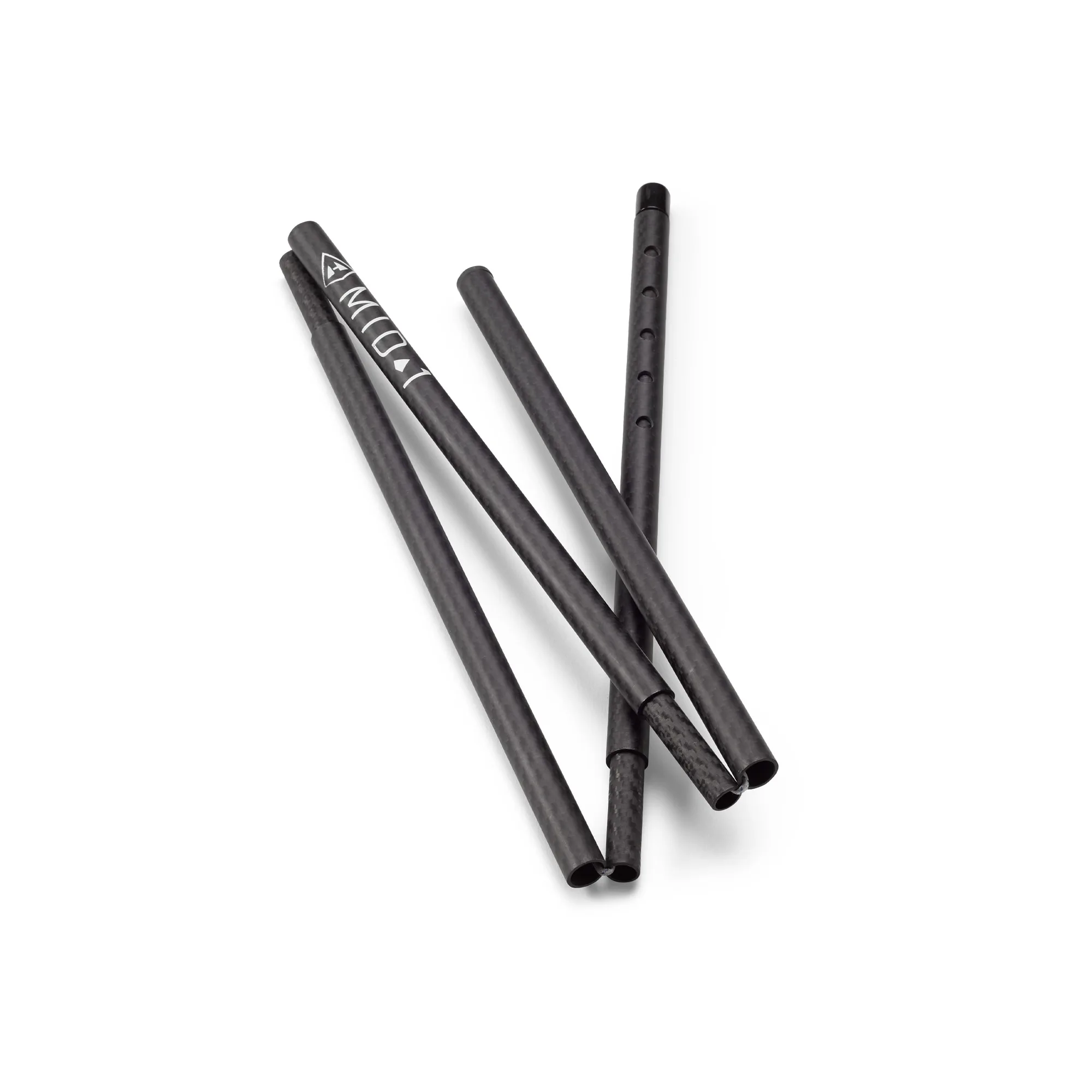
Carbon Fiber Tent Poles
Who should buy carbon fiber tent poles
Best for
- Owners of shelters specifically designed for dedicated carbon poles, such as the UltaMid 2 and 4, Unbound 2, and Mid 1 series
- Bikepackers and paddlers who do not carry trekking poles
- Hikers who want a repeatable pitch and compact packed size
Not for
- Hikers who already carry trekking poles and use them to pitch their shelter
- Shelters not listed as compatible with the pole set
- Trips where gear will be handled roughly and field-straightening matters more than weight