Quick Answer
To start learning card control, focus on the overhand shuffle, the riffle shuffle, and the double lift. These foundational moves will improve your handling and set the stage for more advanced techniques. Practice each slowly and consistently to build muscle memory.
Card control is the foundation of many card tricks and cardistry moves. Whether you're a budding magician or just want to handle cards more confidently, mastering a few essential techniques will transform your performance. This tutorial breaks down the core moves into simple, actionable steps.
We'll cover the overhand shuffle, the riffle shuffle, and the double lift—three techniques that every card handler should know. Along the way, we'll point out common mistakes and offer tips to help you progress faster. By the end, you'll have a solid starting point for your card control journey.
Why Card Control Matters
Card control is the ability to manipulate cards smoothly and precisely, whether you're shuffling, dealing, or performing a trick. It's not just about looking cool—good card control ensures that your movements are clean, deliberate, and free from accidental reveals. For magicians, control is essential for maintaining the illusion; for cardists, it's the basis of visually stunning displays.
Starting with the basics is crucial. Jumping straight into advanced moves without a solid foundation often leads to frustration and bad habits. By focusing on the core techniques, you'll develop the dexterity and confidence needed to tackle more complex maneuvers later.
- Practice in front of a mirror to see your handling from the audience's perspective.
- Use a quality deck that feels comfortable in your hands; a worn deck can hinder your progress.
Essential Equipment: Choosing the Right Deck
The deck you use can significantly impact your practice. For beginners, a standard Bicycle deck is often recommended because of its balanced feel and durability. However, specialized decks can offer advantages. For example, the 1ST Playing Cards V6 Black features high-grade Bicycle stock that has been crushed for enhanced responsiveness and longevity. This makes it an excellent choice for practicing card control, as the cards handle smoothly and last longer.
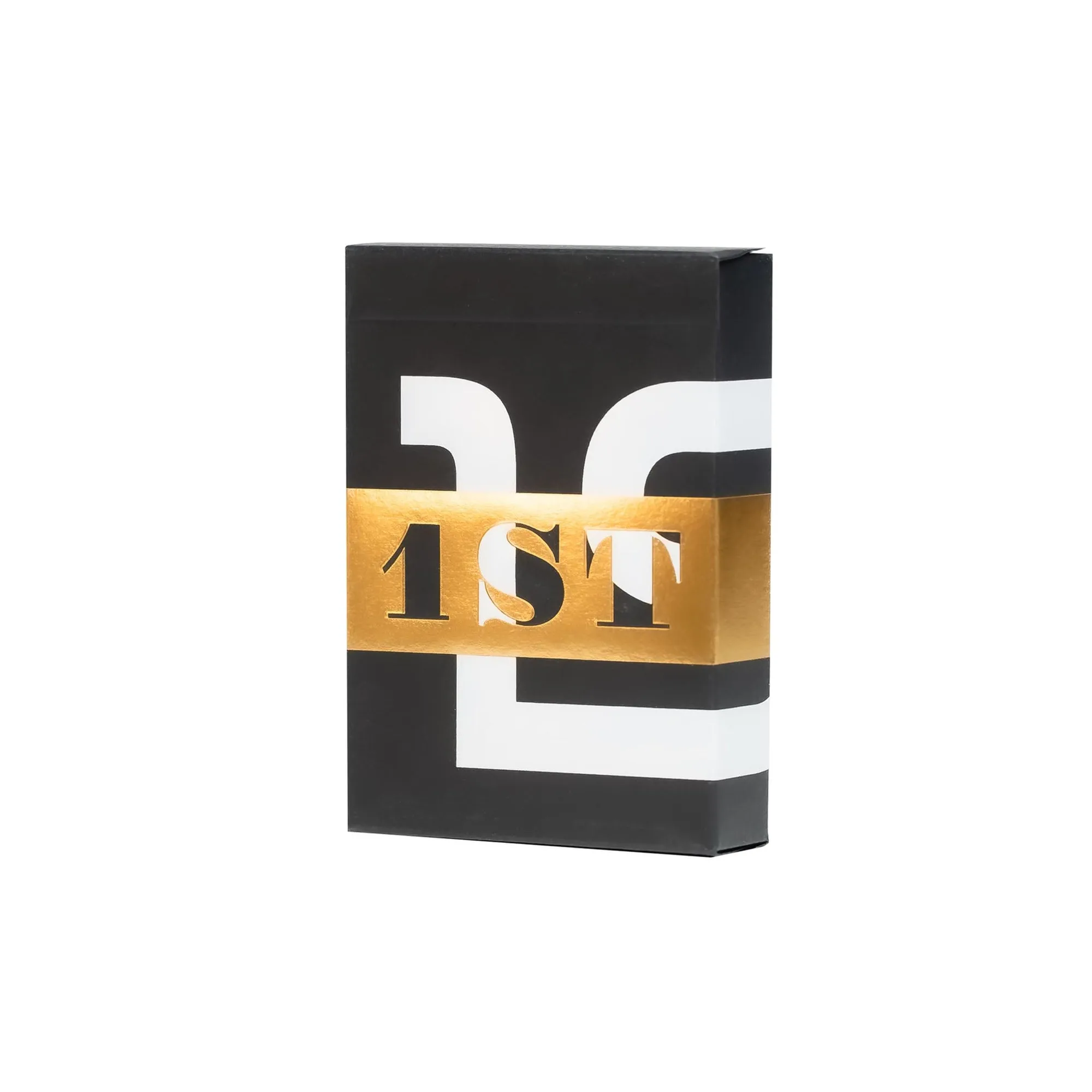
1ST Playing Cards V6 Black
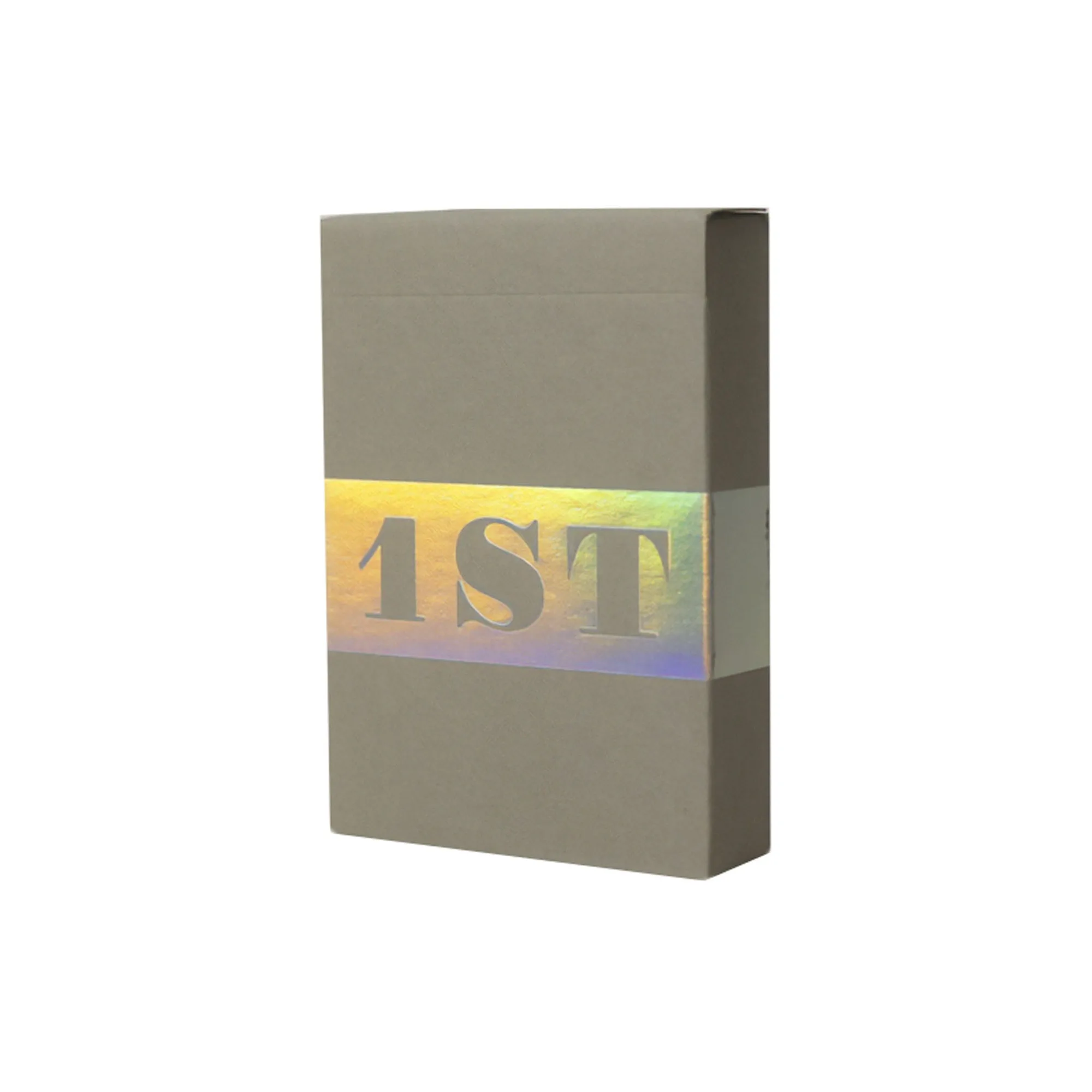
Another option is the 1ST Playing Cards Holo Edition, which uses holographic foil and crushed stock. While the holo effect is visually striking, the finish is also designed for performance. Both decks are produced by USPCC, ensuring consistent quality. When starting, choose a deck that feels good in your hands and isn't too slippery or sticky.
- Consider a deck with a Magic Finish, like the Holo Edition, to reduce friction during shuffles.
- If you're practicing for long periods, a crushed stock deck like the V6 Black can be more comfortable.
Setting Up Your Practice Routine
Consistency is key when learning card control. Set aside 15-20 minutes a day to practice. Short, focused sessions are more effective than occasional marathon practice. Start each session with a few warm-up shuffles to get your hands accustomed to the cards.
Use a metronome or a slow count to pace your movements. This helps you maintain a steady rhythm and prevents rushing. As you become more comfortable, gradually increase your speed while maintaining accuracy. Remember, it's better to be slow and correct than fast and sloppy.
- Keep a practice log to track your progress and identify areas needing improvement.
- Film yourself to review your technique; this can reveal mistakes you might not notice in real-time.
Step-by-Step Tutorial: Mastering the Basics
- Step 1: Master the Overhand Shuffle: Hold the deck in your non-dominant hand with your thumb on top. Use your dominant hand to pull a small packet from the top and let it fall into your palm. Repeat this motion, varying the packet sizes. This shuffle is fundamental for controlling the top card or maintaining a stack. Checkpoint: Ensure the cards fall cleanly without sticking. Common mistake: gripping too tightly, causing cards to bend.
- Step 2: Learn the Riffle Shuffle: Split the deck into two halves, holding each with your thumbs on the inner corners. Release the cards so they interlace, then push them together. This shuffle is essential for mixing cards while maintaining control over specific positions. Checkpoint: Aim for a clean interlace without cards flipping over. Common mistake: applying uneven pressure, causing the halves to misalign.
- Step 3: Practice the Double Lift: Hold the deck in your hand. With your thumb, push over two cards as if you were lifting one. Grip the two cards together and turn them face up to show the 'top card.' This move is crucial for many tricks and requires precise finger positioning. Checkpoint: The two cards should move as one unit. Common mistake: accidentally lifting three cards or flashing the bottom card.
Product Facts
- 1ST Playing Cards V6 Black: 1ST Playing Cards V6 feature high-grade Bicycle stock that has been crushed for enhanced responsiveness and longevity. Every deck includes a duplicate 4 of spades, two identical jokers and a blank card for customization. Mnemonica stack. For beginners, a responsive deck makes learning card control easier. The crushed stock provides a good balance of flexibility and stiffness, which is ideal for practicing shuffles and lifts.
- 1ST Playing Cards Holo Edition *NOT GILDED*: 1ST Playing Cards Holo edition by USPCC. Holographic Foil/MetalLuxe Crushed stock Magic Finish. Includes 56 playing cards with identical jokers, a blank card, and a duplicate 4 of Spades. The Magic Finish reduces friction, allowing smoother movements during practice. This is beneficial for beginners who are still developing their handling skills.
Mastering these three foundational card control techniques will set you on the path to more advanced card magic and cardistry. Remember to practice regularly, focus on precision over speed, and choose a deck that enhances your learning experience. With time and dedication, you'll develop the smooth, confident handling that defines skilled card handlers.