Quick answer
Match sleeves to the card's exact millimeter dimensions, not to a game name or a vague "standard" label. Measure the card's width and height in millimeters, then buy sleeves a millimeter or two larger so the card slides in without bowing. If you are sleeving a board game, check the card count and grab a pack sized to the card, such as PRIME Sleeves for 72 x 112 mm cards.
Why "standard" means different things in different games
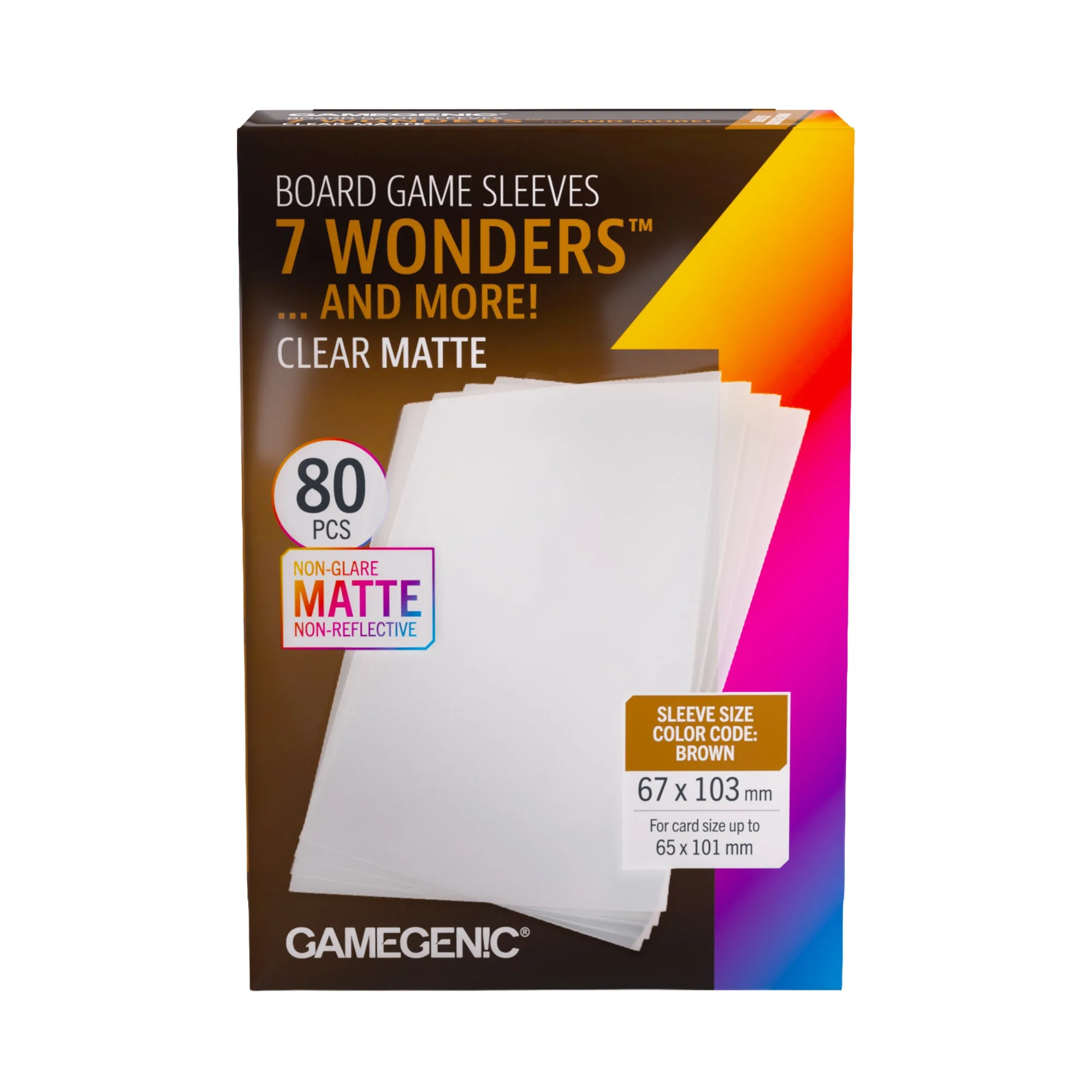
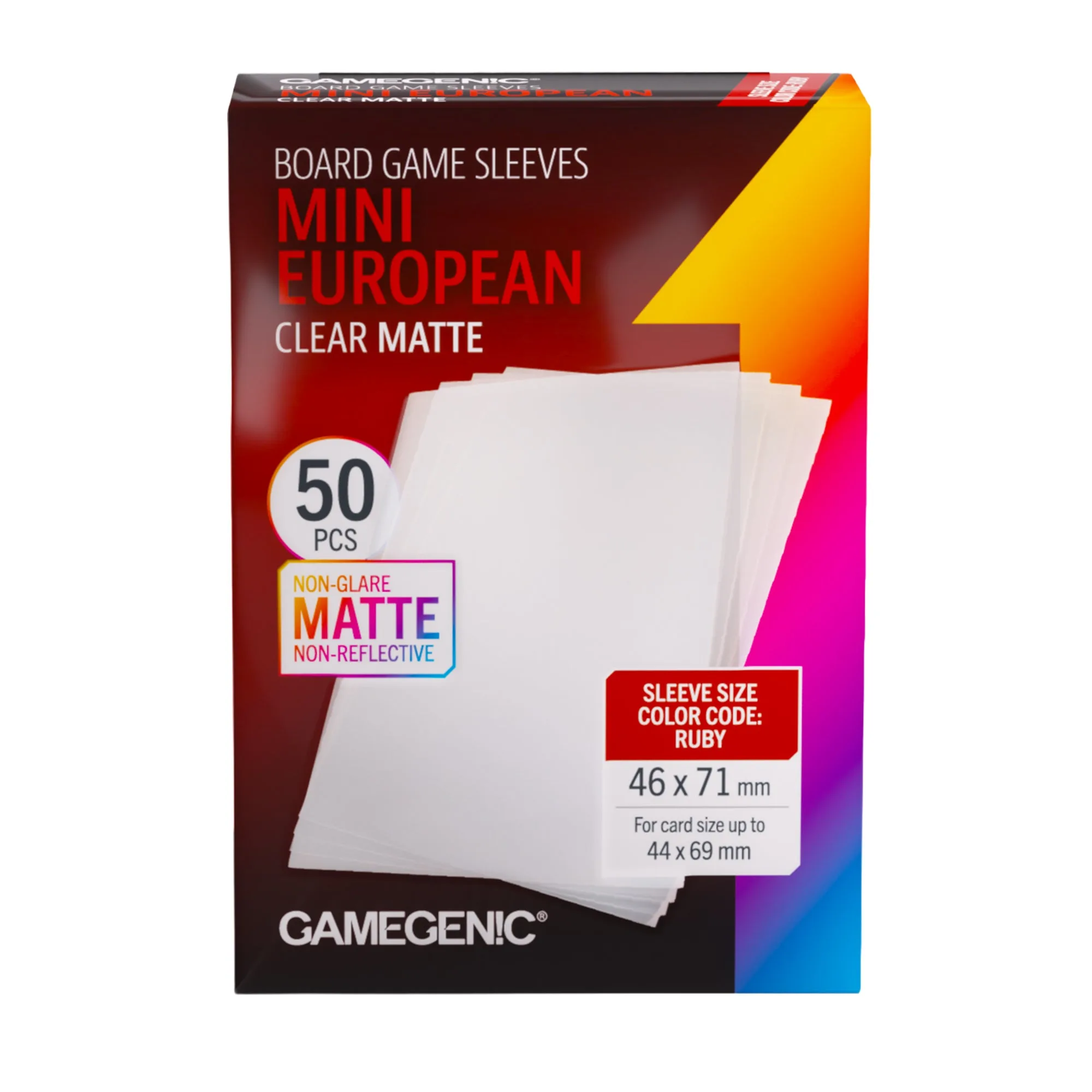
The word standard is the biggest source of sleeve-buying mistakes. In trading card games, standard usually means a sleeve sized for cards around 63 x 88 mm. In board games, a card can be 44 x 67 mm, 57 x 89 mm, 70 x 120 mm, or dozens of other sizes, and publishers rarely print the dimensions on the box. That is why a card sleeve size guide should start with a ruler, not a label.
Measure the card itself, not the art or the border. Write down width first, then height, and keep the numbers in millimeters. If you are measuring a stack, measure one card only; stacks compress and give you a false reading. Once you have the numbers, compare them to the sleeve's stated range and choose the closest size that still leaves a little room.
How to measure a card without damaging it
Use a ruler or digital calipers on a flat surface. Place the card against the zero mark, read the width at the widest point, then rotate the card and read the height. Round to the nearest millimeter. If the card has a linen finish or slightly uneven cut, measure two or three cards from the same deck and use the largest number.
Do not measure a card that is already in a sleeve, and do not measure a card inside a rigid top loader. Both add thickness and distort the reading. For odd-shaped cards, such as tarot or square cards, measure the longest edge and the shortest edge separately, because some sleeves are sold by one dimension only.
When a slightly larger sleeve is the right call
A sleeve that is 1 to 2 mm larger than the card is usually the best fit. The card drops in without force, the sleeve does not bow, and shuffling stays smooth. If the sleeve is too tight, you risk bending corners every time you insert a card. If it is too loose, cards slide around, corners catch, and the stack becomes uneven.
Thickness also matters. A reinforced sleeve with a thicker material adds weight and strength, which helps cards survive repeated shuffling and table handling. The tradeoff is a taller stack that may not fit a tight insert. Measure your box depth before committing to a thick sleeve for an entire game.
Sleeving a whole board game without overspending
Count the cards first, then check how many sleeves come per pack. Most board game sleeves are sold in packs of 50, 60, or 100, so a 120-card game may need three packs. Buy one extra pack for spares and for any promo cards you pick up later. If the game has multiple card sizes, sort the deck by size before you order, or you will end up with the wrong count for one size.

the game
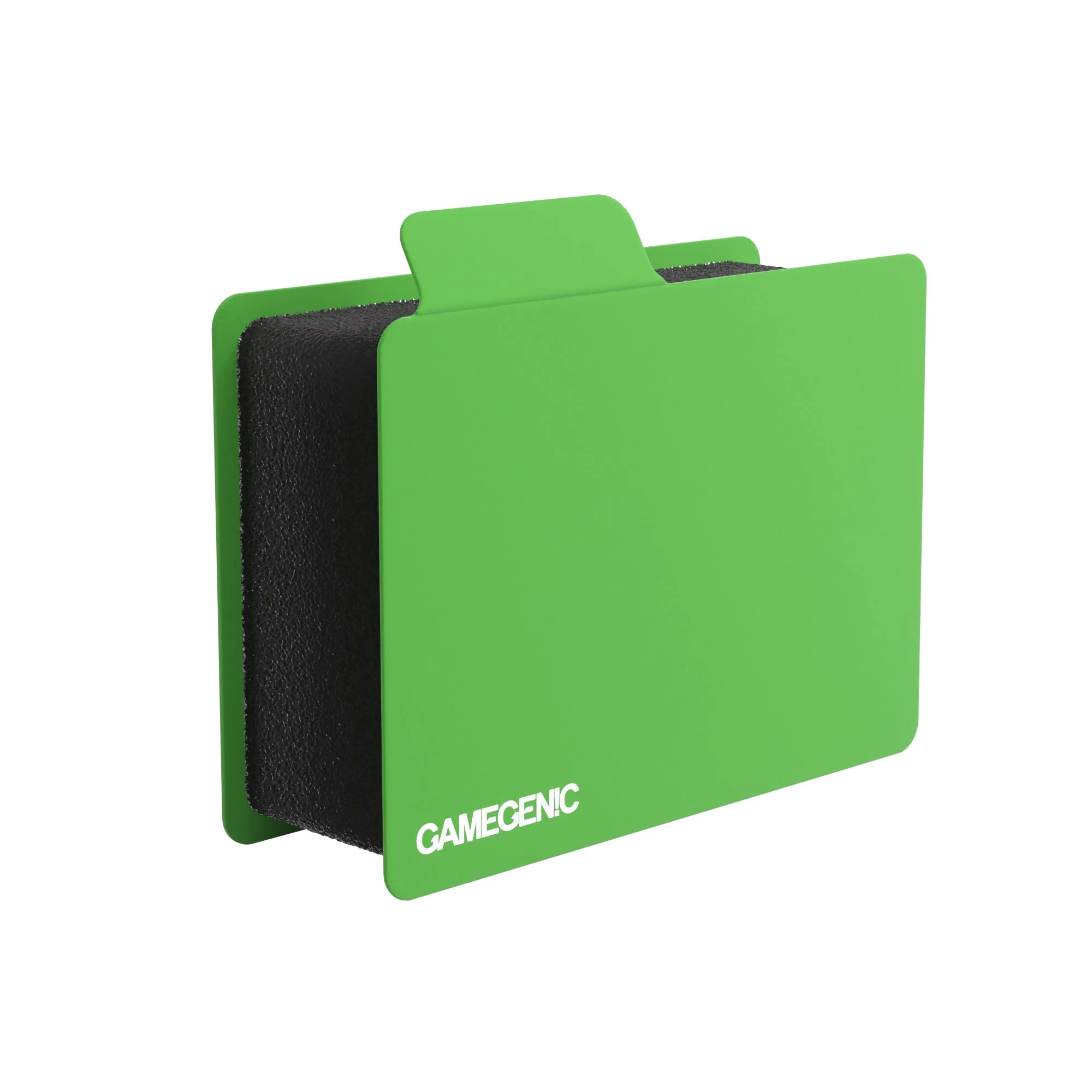
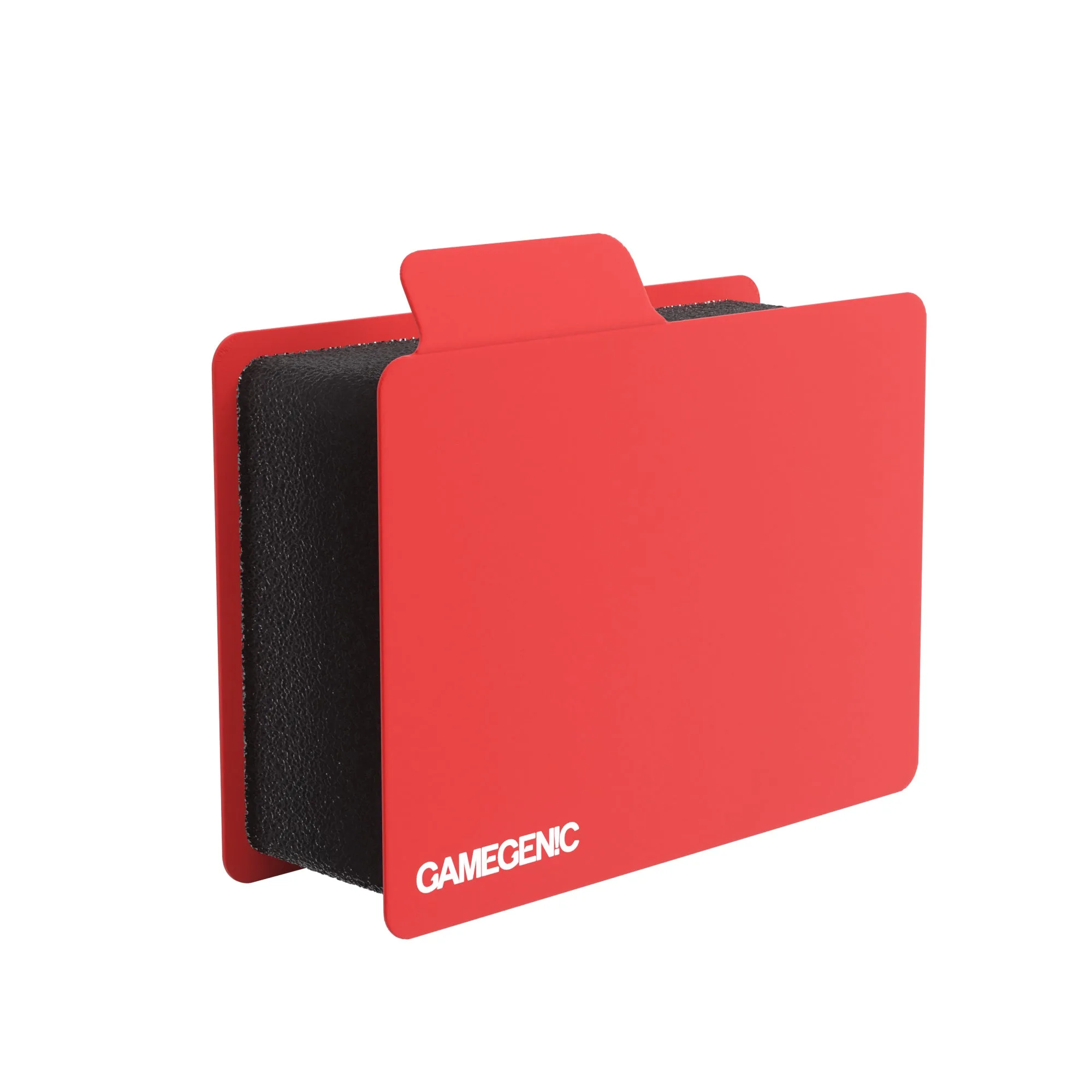
For storage, a divider that adjusts to the space left in the box keeps sleeved decks from sliding around. Sizemorph Divider is built for that job: its width changes to fit unused box space, so you can fill the gap between two decks or hold a deck box in place. That is a small accessory, but it prevents the bent corners that come from loose cards rattling around in a half-empty box.
Sleeve sizing FAQ
What size sleeves do I need for a standard trading card?
Measure the card first. Most trading cards land near 63 x 88 mm, and a sleeve sized for that range fits with a small margin. If your card measures 61 x 88 mm, a 63 x 88 mm sleeve still works; a 66 x 91 mm sleeve will feel loose. Write the millimeter measurement on a note before you shop.
Are mini card sleeves the same as small board game sleeves?
Not always. Mini usually refers to cards around 44 x 67 mm, but some publishers use mini for 41 x 63 mm or 45 x 68 mm. Treat mini as a starting point, then confirm the exact millimeter range on the sleeve listing. Compare the sleeve's stated range to your measurement, not to the word mini.
Can I use standard card sleeves for board game cards?
Only if the board game card is close to 63 x 88 mm. Many board game cards are smaller or larger, so a standard sleeve will either swallow the card or refuse to fit. Check the game's card size before buying a full set of standard sleeves. One game can mix two or three card sizes; sort before ordering.
How many sleeves should I buy for one board game?
Count every card, including reference cards and promos, then divide by the pack count. Round up to the next full pack and add one spare pack if the game is out of print or hard to replace. Extra sleeves are cheaper than replacing a damaged card later.
Do thicker sleeves fit in the original box insert?
Not always. A 100-micron sleeve adds noticeable height to a stack, and some inserts are molded for unsleeved cards. Measure the box depth or plan to store sleeved decks outside the insert. If the lid lifts, use a divider to stop the deck from sliding.
Products that match common sleeve questions
- PRIME Sleeves: Scythe and-or Lost Cities (72 x 112 mm): PRIME Sleeves: Scythe and-or Lost Cities (72 x 112 mm) are made from extra clear polypropylene with a reinforced 100-micron thickness. The 72 x 112 mm size fits large-format board game cards, and the thicker material adds weight and strength for games that see frequent shuffling.
- Sizemorph Divider Blue: Sizemorph Divider Blue changes width to fit almost any unused box space, from 5 mm upward. After sleeving, decks take up more room; this divider fills the leftover gap so cards stay put instead of sliding and bending.
- Gemini® Polyhedral Black-Shell/white 7-Die Set: Gemini Polyhedral Black-Shell/white 7-Die Set includes 1 D4, 1 D6, 1 D8, 2 D10, 1 D12, and 1 D20, with two colors swirled together. If you are organizing a game box for play rather than storage, a full dice set in one purchase saves hunting for missing dice later.