The short answer: seeds for control, pods for ritual
Cardamom seeds and whole pods both give you a warm, aromatic cup, but they are not interchangeable in the kettle. Seeds are the inner part of the pod, so they release flavor quickly and let you measure by the spoonful. Pods add a layer of texture and a slower release, which suits slow-simmered chai or a decorative pot of tea. If you want repeatable strength and a straightforward brew, seeds are the easier starting point. If you enjoy the look of whole spices and don't mind a longer steep, pods can be satisfying.
One practical difference: the supplied information for Organic Cardamom Seeds gives a clear brewing range — 1–2 teaspoons per 8 oz of boiling-temperature water, steeped 5–7 minutes. That level of specificity makes seeds easier to test and adjust. Pods are not included in the supplied product records, so this comparison focuses on what is documented for seeds and on general form differences you can observe in the kitchen.
Seeds vs pods at a glance
- Form and prep: Seeds are already separated from the pod, so you can scoop and steep directly. Whole pods usually need a light crush or a longer steep to release their flavor; the supplied records do not include pod preparation steps, so treat that as a general kitchen observation rather than a brand instruction.
- Measuring and consistency: Seeds measure cleanly by teaspoon, which makes it easier to repeat a cup you liked. Pods are counted rather than spooned, so strength can vary with pod size and freshness.
- Flavor release: Seeds expose more surface area, so they tend to infuse faster. Pods act as a wrapper and typically need more time or heat to give up their aroma.
- Best fit for chai: For cardamom chai, seeds are convenient because you can add a measured spoonful to a simmering pot without fishing out large pods. Pods can stay in the pot for a slower build, but you will need to strain them before serving.
- Caffeine: Organic Cardamom Seeds are documented as caffeine-free. That makes them a flexible base for evening cups or for blending with caffeinated teas when you want to control the total caffeine.
How to use cardamom seeds in tea without guessing
The supplied instructions for Organic Cardamom Seeds are simple: add 1–2 teaspoons of tea to 8 oz of boiling-temperature water and let it steep for 5–7 minutes. Start at the lower end if you are new to the flavor, then move up if you want a stronger cup. Because the seeds are already loose, you can use a fine-mesh strainer or a tea filter; the records do not specify a particular infuser, so choose one that keeps the seeds out of your teeth.
Water quality matters more than most people expect. The supplied care note says filtered water is best because unfiltered water can really affect the taste of the tea. That is a small step with a noticeable payoff, especially for a delicate, floral-citrus infusion like cardamom.
For cardamom chai, you can add the measured seeds directly to your simmering milk-and-water base, then strain. The supplied records do not give a chai recipe or a different steeping time for milk-based brewing, so use the 5–7 minute range as your starting point and taste as you go. If you prefer a sweeter cup, the records note that sugar or honey can enhance the flavor.
What Organic Cardamom Seeds give you
-
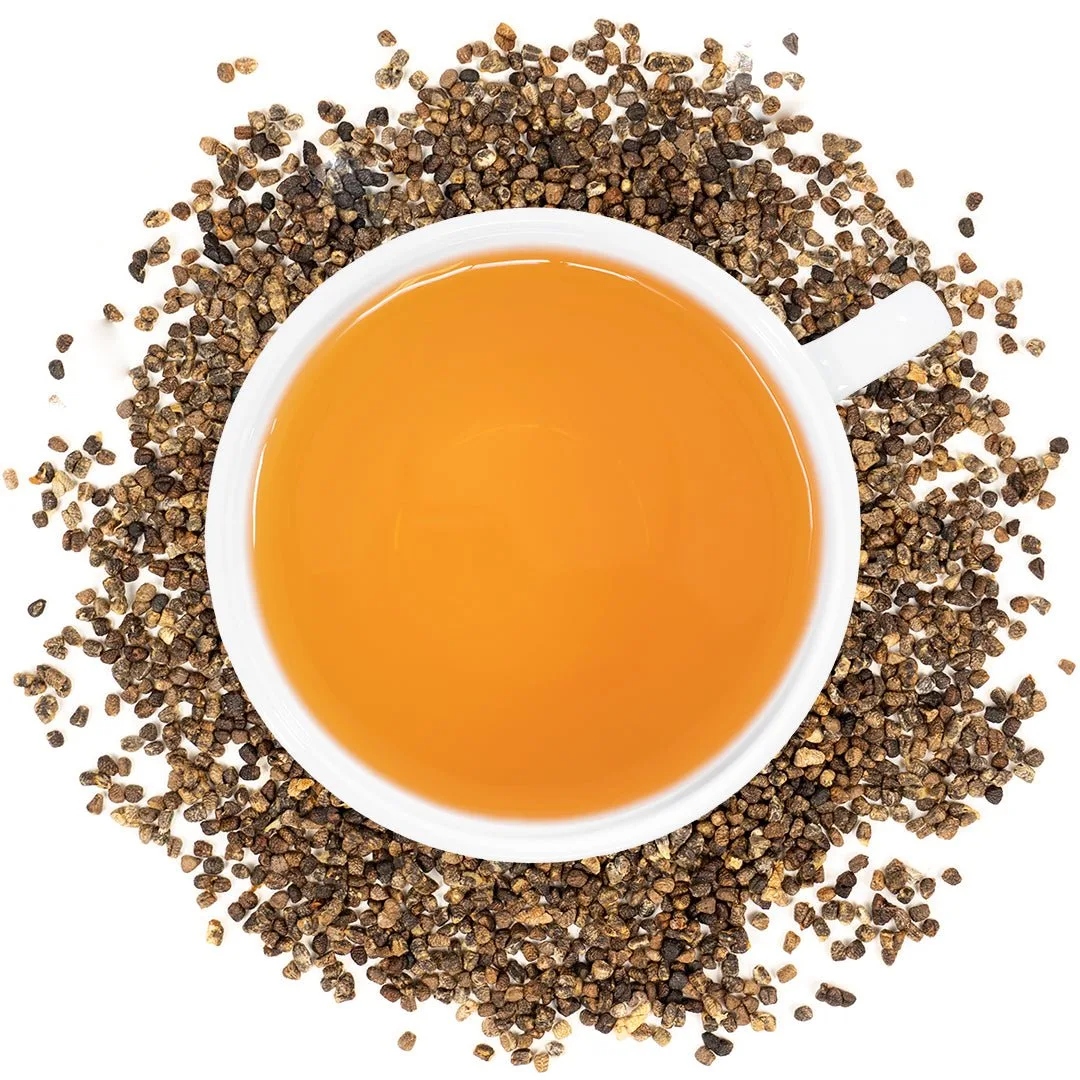
Organic Cardamom Seeds: Ingredients: organic cardamom seeds; caffeine content: none. A single-ingredient, caffeine-free seed tea is easy to blend and fits a wider range of drinking occasions than a pre-mixed chai.
Organic Cardamom Seeds
-
Organic Cardamom Seeds: Use 1–2 teaspoons per 8 oz of boiling-temperature water and steep 5–7 minutes. This is a documented starting range, so you can adjust strength deliberately rather than guessing.
-
Organic Cardamom Seeds: Flavor described as comforting smoky, floral, and citrusy. Knowing the flavor profile helps you decide whether to drink it plain, sweeten it, or use it as a blending spice.
-
Organic Cardamom Seeds: Available sizes: sample bag (approx. 3–5 servings), 2 oz bag (approx. 30 servings), and 1/2 lb bulk bag (approx. 120 servings). You can test the flavor with a small bag before committing to bulk, which is useful when comparing seeds with pods for the first time.
Where pods still make sense
Whole pods are not obsolete. If you already keep them for cooking, they can go into a teapot or a simmered chai for a slower, more gradual infusion. The trade-off is that you will need to crush or open them to get the most flavor, and you will need to strain before drinking. The supplied records for Organic Cardamom Seeds do not cover pod preparation, so this is general kitchen guidance rather than a manufacturer instruction.
Pods also have a visual role: a few whole pods floating in a clear pot signal a special occasion. Seeds disappear into the brew, which is fine for everyday cups but less dramatic for a tea service.
Ground cardamom vs pods and seeds
Ground cardamom is the most convenient form, but it is also the hardest to control in tea. A fine powder can turn cloudy and bitter if it steeps too long, and it is easy to overshoot the flavor. Seeds sit between whole pods and powder: they are already broken out of the pod, so they infuse faster than whole pods, but they are still pieces you can strain out. The supplied records do not include a ground cardamom product, so treat this as a form comparison rather than a product recommendation.
If you want the clarity of a seed tea with the convenience of a spoon, Organic Cardamom Seeds are the closest match in the supplied catalog. If you want to grind your own, you can start from seeds, but the records do not give grinding instructions or a different steeping time for ground seeds, so you would be experimenting.
A simple buying decision
Choose Organic Cardamom Seeds if you want a measured, repeatable cup, a caffeine-free option, and a form that works equally well for a plain infusion or a chai-style simmer. The sample bag is a low-commitment way to test the flavor before buying the 2 oz or bulk size. Choose whole pods if you already use them in cooking, enjoy the ritual of crushing and straining, or want the visual of whole spices in the pot. Neither is objectively better; the right choice depends on how much control you want over each cup.