A felt trivet is one of those quiet kitchen heroes—it protects your table from hot dishes, adds a soft texture to your tabletop, and somehow makes even a simple dinner feel more intentional. But because felt is a natural, porous material, it can show stains, dust, or wear if you don't give it a little regular attention.
Whether you use yours daily or only for special meals, knowing how to clean felt potholders and keep the fibers fresh is the key to making them last. Here's the straightforward, no-fuss approach to artisan felt trivet care that won't shrink, warp, or ruin the look you love.
Why Felt Trivets Need Special Care
Felt is made from compressed wool fibers, which gives it that soft yet sturdy feel. Unlike cotton or silicone, wool felt is naturally water-resistant and flame-retardant, but it's also sensitive to heat, agitation, and harsh chemicals. That's why general trivet maintenance for felt is different from what you'd do for a kitchen towel or a rubber mat.
The good news is that felt trivets are surprisingly low-maintenance when you follow a few basic rules. The goal is to remove dirt and food residue without breaking down the fibers or causing the felt to lose its shape. With the right approach, your artisan felt trivet can stay looking new for years.
- Always test a small hidden area before using any cleaning method for the first time.
Everyday Care: Spot Cleaning and Brushing
For daily upkeep, the simplest method is to gently brush the surface with a soft-bristled brush or a dry microfiber cloth. This lifts dust and crumbs without pushing them deeper into the fibers. If you notice a small spill or stain, act quickly—blot (don't rub) the area with a dry paper towel to absorb as much liquid as possible.
For stubborn spots, mix a tiny amount of mild dish soap with cool water. Dip a clean white cloth into the solution, wring it out until it's just damp, and dab the stain gently. Avoid soaking the felt, because excess moisture can cause the fibers to mat or shrink. Let the trivet air dry flat away from direct heat or sunlight.
- Never use bleach, fabric softener, or hot water on wool felt.
- Rotate your trivets occasionally so wear is even across the set.
Deep Cleaning Without Damage
Every few months, or if your trivet has accumulated greasy residue, a deeper clean can help. Fill a basin or sink with cool water and add a few drops of a gentle wool-safe detergent. Submerge the felt trivet and gently swirl it around—don't scrub or wring. Let it soak for 5–10 minutes, then drain the soapy water and rinse with fresh cool water until no suds remain.
To remove excess water, press the trivet between two clean towels. Never twist or squeeze it like a sponge. Then reshape it by hand and lay it flat on a drying rack or a dry towel. Avoid hanging it, as the weight of the wet felt can stretch it out of shape. This method works well for felt potholder care too, since the materials are similar.
- If your trivet has a strong odor, add a tablespoon of white vinegar to the rinse water—it neutralizes smells without leaving a vinegar scent.
Storing Your Felt Trivets Properly
How you store your felt trivets matters almost as much as how you clean them. Keep them in a dry, well-ventilated drawer or on a shelf away from direct sunlight, which can fade the color over time. Stacking them is fine, but avoid placing heavy objects on top that could compress the fibers permanently.
If you have a set like the Artisan Felt Coasters - Set of 4, you can store them together in a small box or basket to keep dust off. For larger trivets, a simple linen pouch works well. The key is to let the felt breathe—plastic bags trap moisture and can lead to mildew.
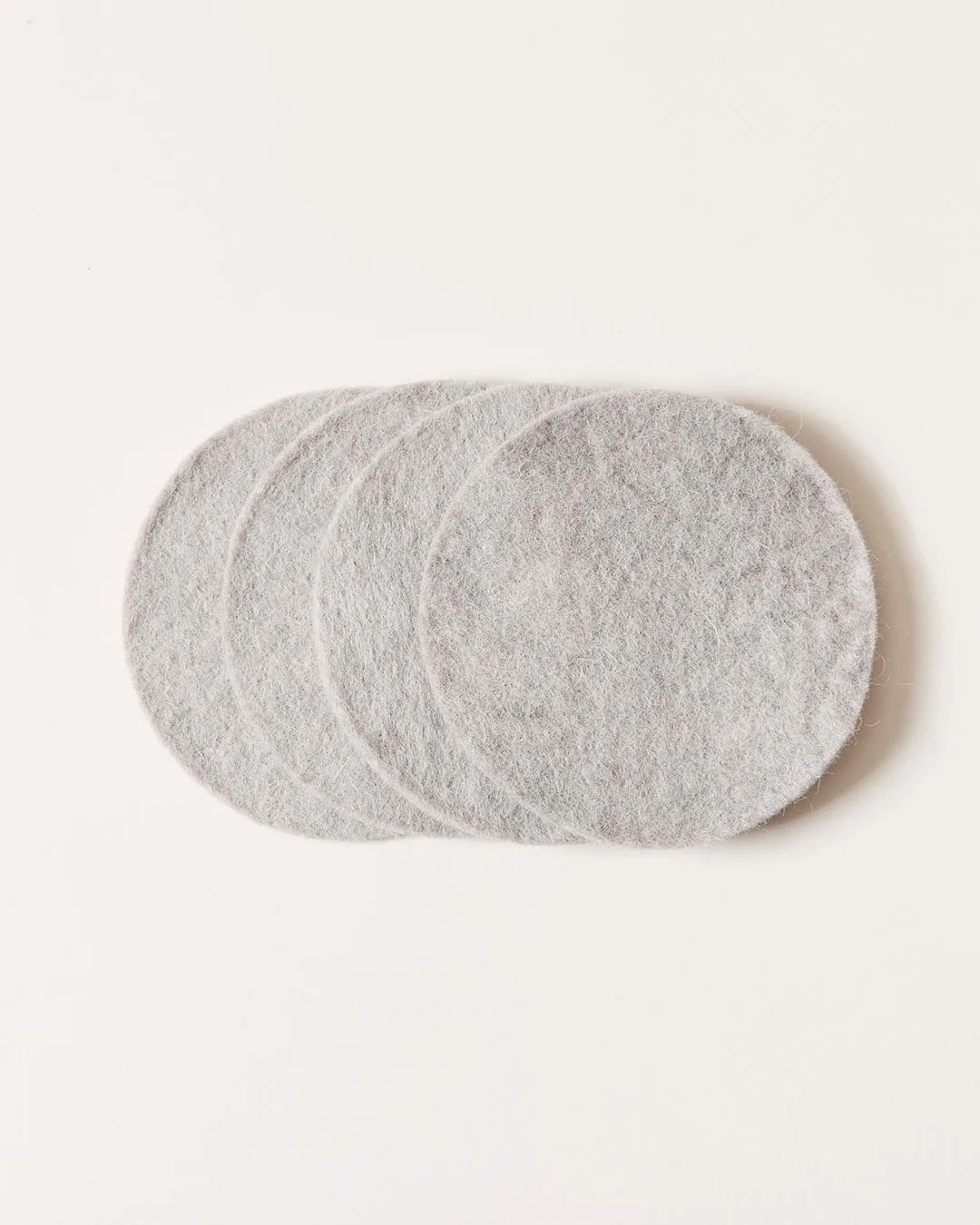
Artisan Felt Coasters - Set of 4
- Don't store felt trivets near strong-smelling items like spices or candles—wool can absorb odors.
What to Avoid: Common Mistakes
One of the most common mistakes in felt trivet care is tossing them in the washing machine. Even on a gentle cycle, the agitation can cause the fibers to pill, shrink, or lose their shape. Similarly, the dryer is a definite no—heat will shrink wool felt dramatically.
Another pitfall is using stain removers that contain enzymes or alcohol. These can break down the wool fibers and leave a permanent discoloration. Stick to the mild soap and cool water method, and you'll avoid most problems. If you're ever unsure, remember that less is more when it comes to trivet maintenance.
- If a stain won't come out with gentle cleaning, embrace it as patina—felt trivets gain character over time.
Caring for your artisan felt trivet doesn't have to be complicated. With regular brushing, prompt spot cleaning, and an occasional gentle soak, you can keep your felt trivets looking fresh and functioning well for years. Treat them with the same respect you give your favorite wooden cutting board or ceramic dish, and they'll reward you with quiet, reliable service at every meal.