Acacia wood serving platters bring warmth and natural beauty to your table, but they require a bit of know-how to stay in top shape. Unlike glass or ceramic, wood is a living material that reacts to moisture, temperature, and humidity. Without proper care, even a high-quality platter can develop cracks, dark stains, or a rough surface over time.
The good news? A few simple habits — from the way you wash it to how you store it — can keep your acacia platter looking beautiful for years. Whether you use it daily for cheese boards and appetizers or only for special occasions, these maintenance tips will help you avoid common pitfalls and get the most out of your wooden serveware.
Why Acacia Wood Needs Special Care
Acacia is a dense, durable hardwood, but it's still porous. That means it can absorb liquids, oils, and food acids, leading to stains and odors. More importantly, wood expands and contracts with changes in humidity. If a platter dries out too quickly or gets soaked repeatedly, the stress can cause cracks or splits. Understanding this natural behavior is the first step to preventing damage.
Many acacia platters come with an initial oil or wax finish, but that protective layer wears off with use and washing. Reapplying a food-safe oil every few months — more often if you use the platter frequently — keeps the wood hydrated and seals the surface against spills. The goal is to maintain a balance: not too dry, not too wet.
- Never soak an acacia platter in water or put it in the dishwasher — the heat and moisture will warp and crack the wood.
- Always hand-wash with mild soap and warm water, then dry immediately with a soft cloth.
How to Clean Acacia Wood Without Damaging It
Cleaning an acacia serving platter is straightforward, but a few common mistakes can shorten its life. After each use, rinse off food residue with warm (not hot) water and a drop of mild dish soap. Use a soft sponge or cloth — never abrasive scrubbers that can scratch the surface. For stuck-on bits, let the platter sit with a damp cloth for a minute, then wipe gently.
Once clean, dry the platter thoroughly with a lint-free towel and let it air-dry upright on its edge, not flat on a counter. Trapped moisture under a flat platter can lead to warping or mold. If you notice any lingering odors from strong foods like garlic or fish, wipe the wood with a cut lemon half or a paste of baking soda and water, then rinse and dry immediately.
- Avoid using bleach, vinegar, or harsh chemicals — they can strip the wood's natural oils and dull the finish.
- For stubborn stains, lightly sand the area with fine-grit sandpaper (220-grit or higher) and re-oil the spot.
Seasoning and Oiling: Keeping the Wood Hydrated
Seasoning is the process of applying a food-safe oil to protect the wood from moisture and stains. Mineral oil (often labeled as cutting board oil) is the most common choice because it won't go rancid. Coconut oil or beeswax-based conditioners also work well. Avoid vegetable or olive oils — they can turn sticky and develop an unpleasant smell over time.
To season your platter, apply a generous amount of oil to a soft cloth and rub it into the wood in the direction of the grain. Let it absorb for 15-30 minutes, then wipe off any excess. For a deeper treatment, let the oil sit overnight. How often? If water no longer beads on the surface or the wood looks dry and pale, it's time to oil again. For weekly use, every 2-3 months is a good rhythm.
- Test your platter's moisture by placing a drop of water on the surface — if it soaks in immediately, it needs oiling.
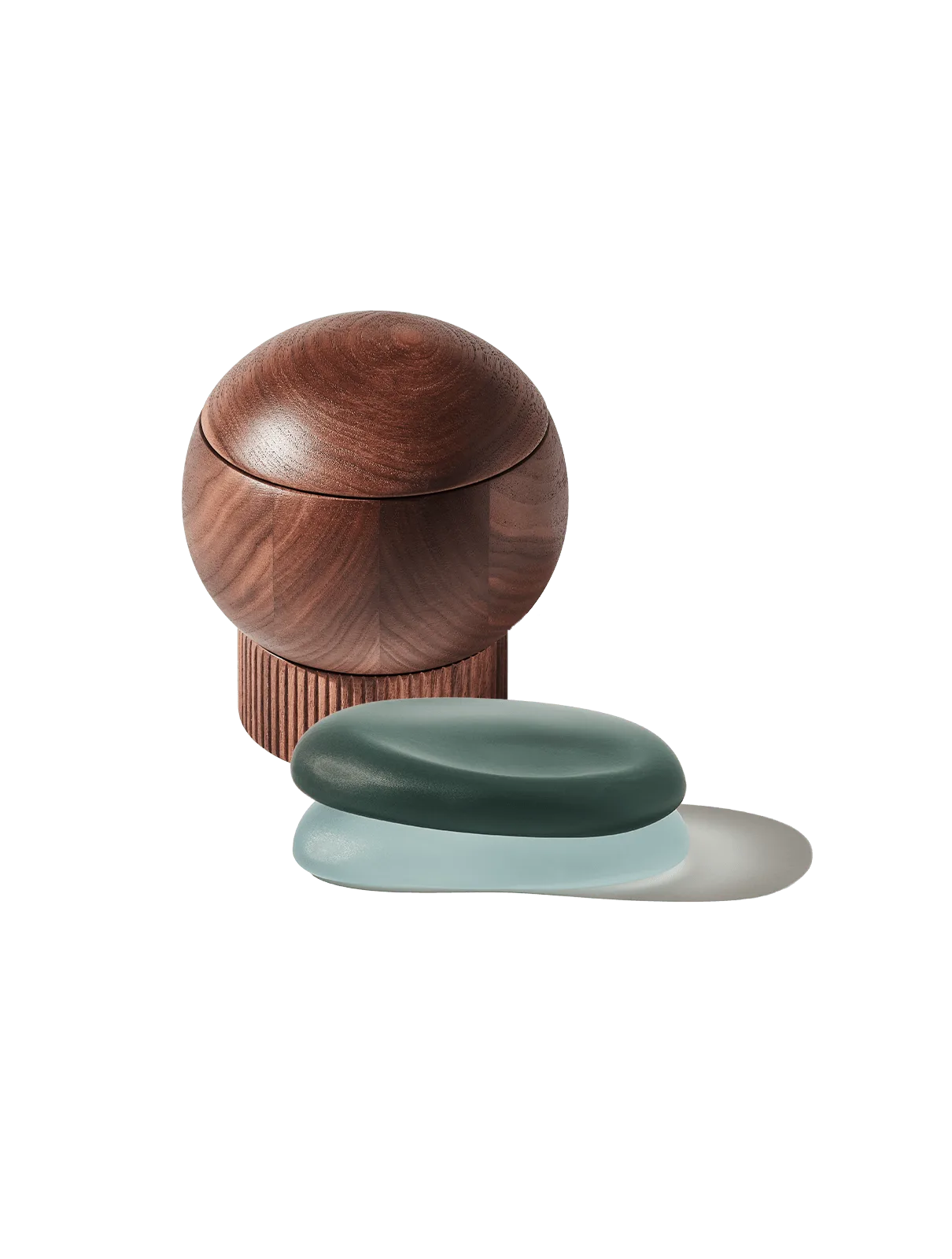
- Pair your acacia platter with the Bread Plate Single for a cohesive serving setup that's easy to mix and match.
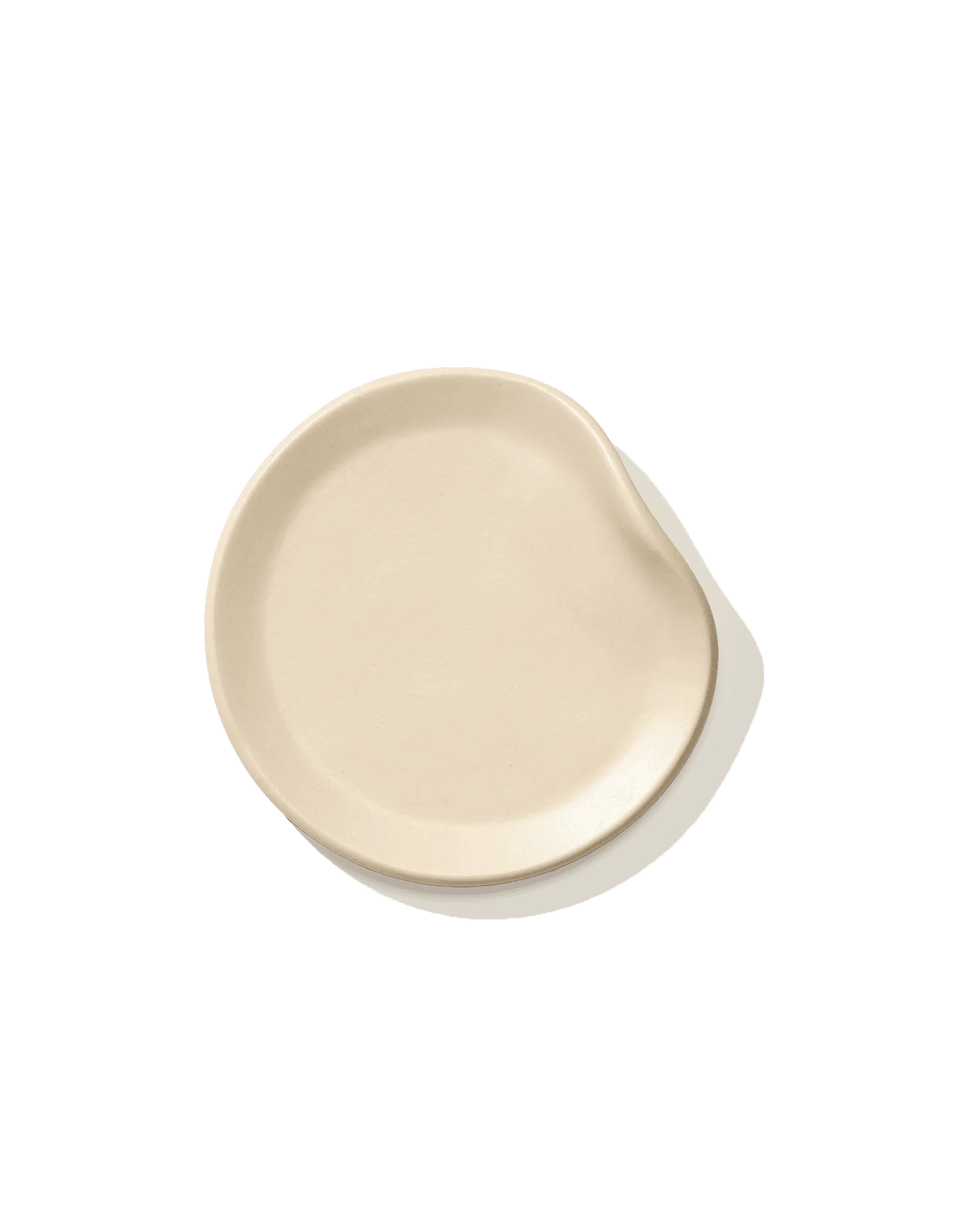
Bread Plate Single
Storage Tips to Prevent Cracking and Warping
Where and how you store your acacia platter matters just as much as how you clean it. Avoid placing it near heat sources like radiators, ovens, or direct sunlight — rapid drying is a leading cause of cracks. Similarly, don't store it in a damp basement or a humid bathroom. A moderate, consistent environment is best.
Store the platter vertically on its edge if possible, or lay it flat with a clean cloth or paper towel between stacked items to allow airflow. Never stack heavy cookware on top of a wooden platter, as the pressure can cause it to bow. If you live in an especially dry climate, consider using a humidifier in the room or placing a small dish of water nearby to keep the air from sucking moisture out of the wood.
- If your platter develops a small crack, you can fill it with a mixture of food-safe wood glue and fine sawdust, then sand smooth and re-oil.
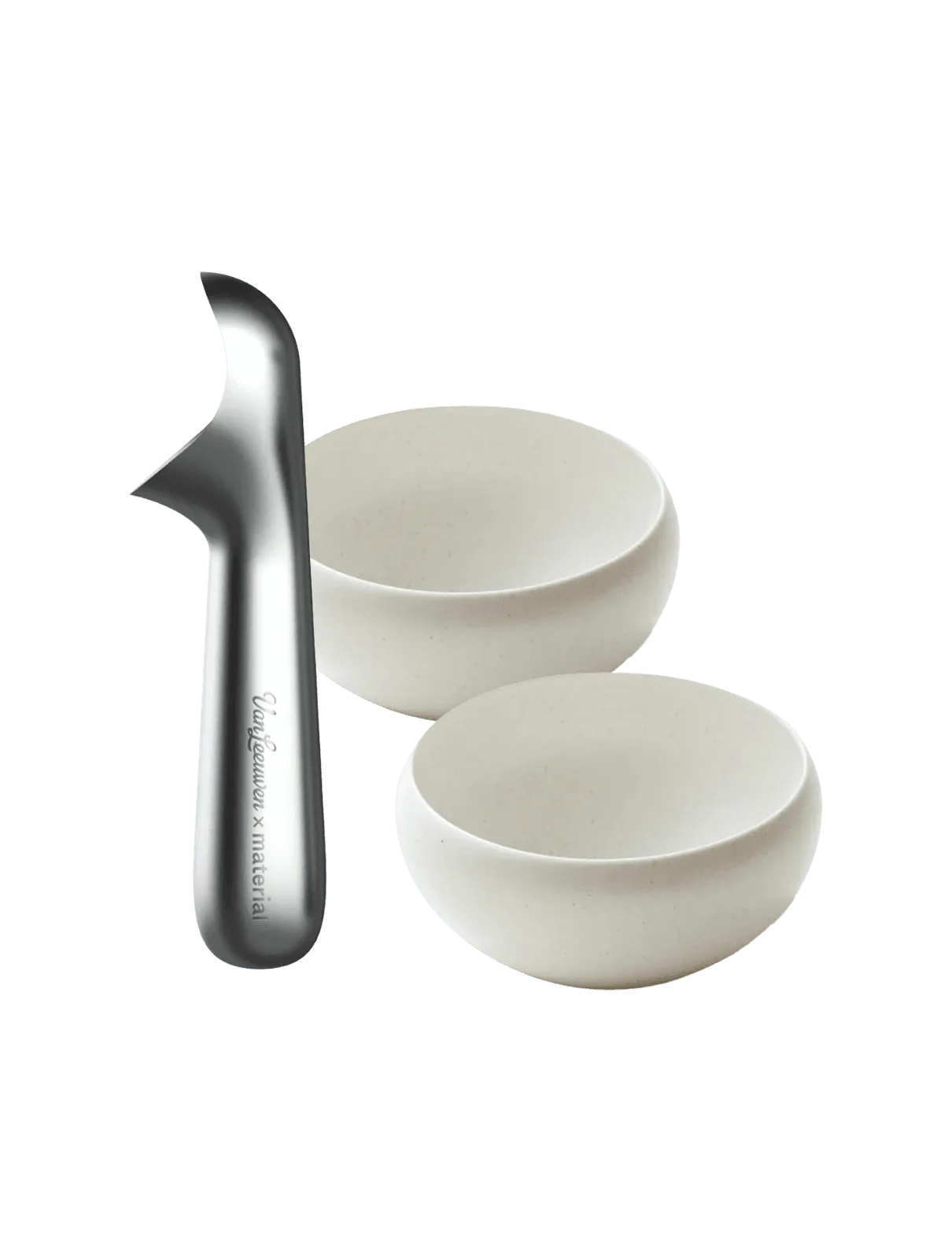
- For everyday use, the Silo Cutlery complements acacia platters beautifully — just be sure to wipe knife blades clean after cutting on wood to avoid metal marks.
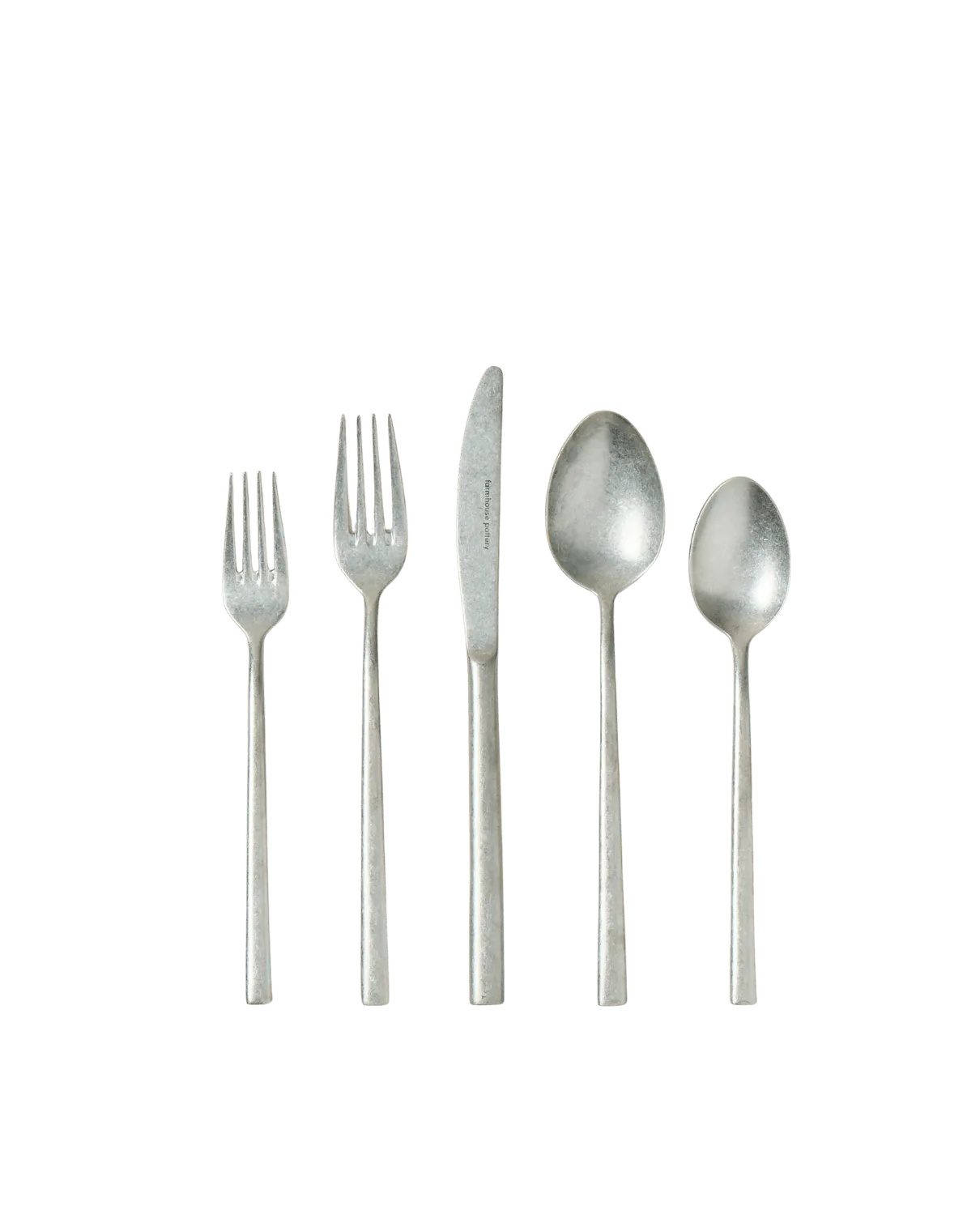
Silo Cutlery
What to Avoid: Common Acacia Wood Mistakes
Even with the best intentions, a few habits can shorten your platter's life. The biggest culprit: leaving acidic foods like citrus, tomatoes, or vinegar-based dressings on the wood for long periods. These can etch the surface and leave permanent light spots. Always serve acidic items on a small dish or liner, or clean the platter promptly after use.
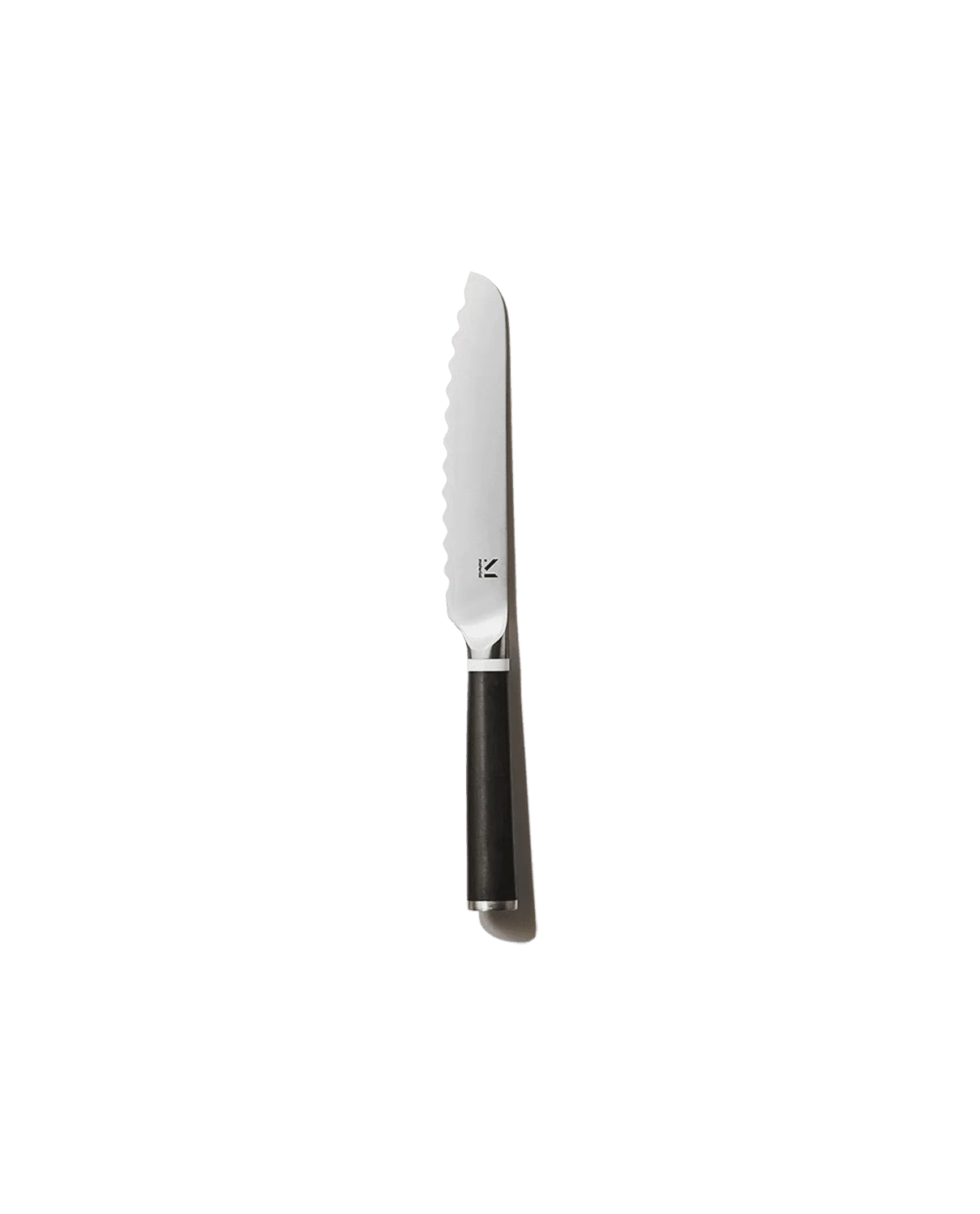
Another common error is using the platter as a cutting board. While acacia is hard, knife marks will eventually accumulate and create grooves where bacteria can hide. Reserve your platter for serving, and use a dedicated cutting board (like The MK Free Board) for chopping. Finally, never microwave or oven-heat an acacia platter — the moisture inside the wood can turn to steam and cause internal cracking.
- If you accidentally stain your platter with red wine or beet juice, try a paste of baking soda and water — let it sit for 10 minutes, then rinse.
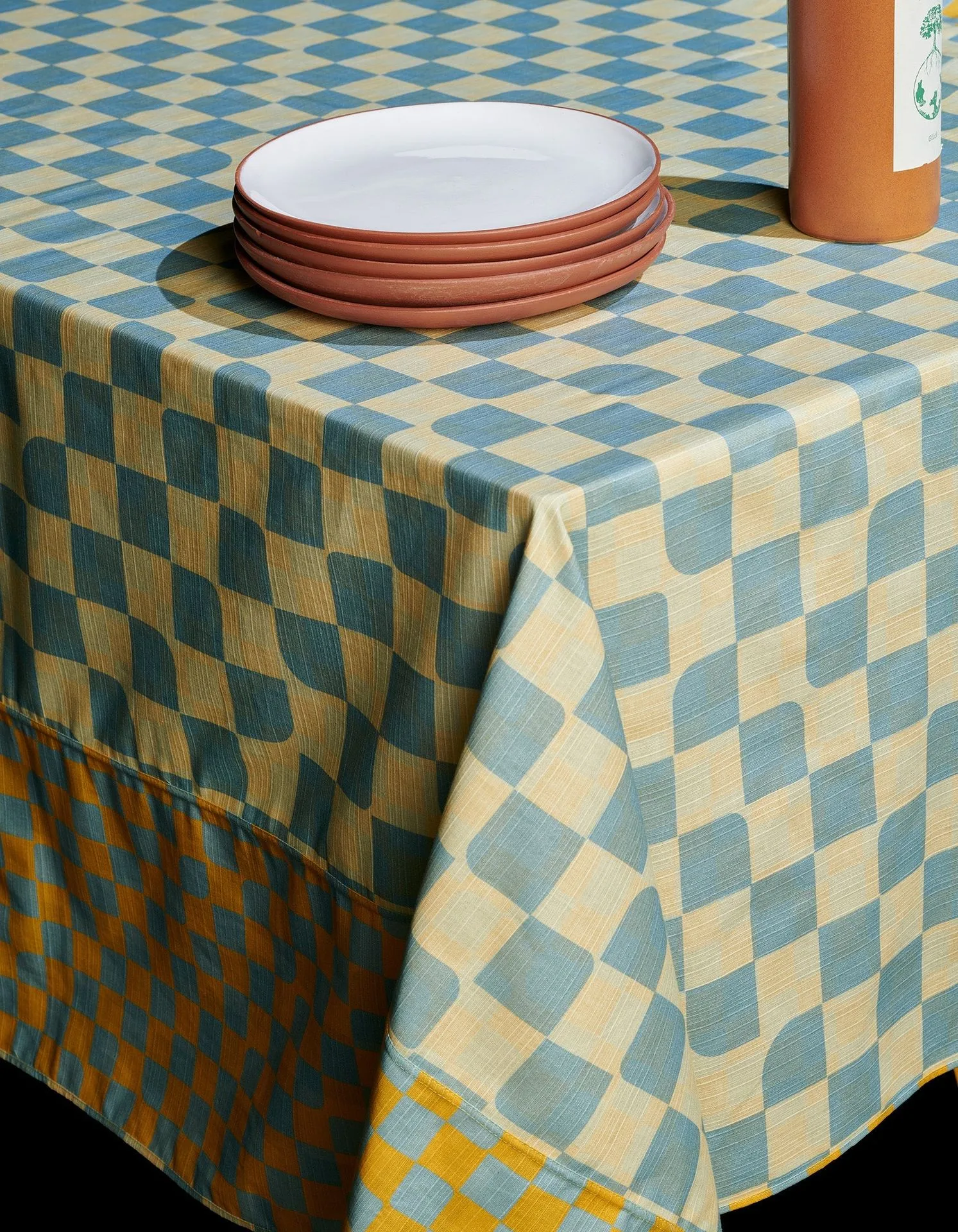
- The Dinner Napkins Double Sided Drift - Quiet Season make a great pairing with acacia platters for a natural, earthy tablescape.
Caring for acacia wood serving platters doesn't have to be complicated. By washing gently, oiling regularly, and storing thoughtfully, you can prevent cracking, staining, and warping for years of beautiful use. A little routine attention goes a long way — and your platter will reward you with warmth and character that no other material can match.