Early caries detection is the cornerstone of modern preventive dentistry. Identifying lesions before they cavitate allows for minimally invasive treatment, preserving tooth structure and reducing patient discomfort. Traditional methods like visual inspection and probing often miss incipient lesions, especially in fissures and interproximal areas. This is where caries indicator dyes, such as Sable Seek, come into play.
Sable Seek is a specially formulated caries indicator that selectively stains infected dentin, helping clinicians distinguish between affected and infected tissue. This guide provides a comprehensive, step-by-step approach to using Sable Seek for accurate early caries diagnosis, improving your clinical outcomes and patient care.
Understanding Caries Detection and the Role of Sable Seek
Dental caries is a dynamic process involving demineralization and remineralization. Early detection is crucial for implementing preventive measures and minimally invasive restorations. Traditional diagnostic tools, such as explorers and radiographs, have limitations, particularly in detecting non-cavitated lesions. Caries indicator dyes like Sable Seek offer a reliable adjunct by staining the infected dentin, making it visible to the clinician.
Sable Seek works by binding to the denatured collagen in infected dentin, leaving healthy, remineralizable tissue unstained. This selective staining allows for precise removal of only the infected tissue, preserving sound tooth structure. It is especially useful in deep lesions, where the boundary between infected and affected dentin is often unclear.
- Sable Seek is a caries indicator dye that selectively stains infected dentin.
- It aids in differentiating infected from affected dentin, guiding minimally invasive excavation.
- Suitable for use in both primary and permanent teeth.
Step-by-Step Clinical Protocol for Using Sable Seek
Proper use of Sable Seek involves a few simple steps. First, isolate the tooth with a rubber dam to maintain a dry field. Then, apply Sable Seek directly to the suspicious area using a microbrush or a suitable applicator. Allow the dye to remain for about 10 seconds, then rinse thoroughly with water. The infected dentin will retain the stain, while healthy tissue will appear clean.
After rinsing, examine the stained area. Infected dentin will appear dark blue or black, while affected dentin may show a lighter stain. Use a slow-speed round bur or hand excavator to remove the stained infected tissue. Reapply Sable Seek as needed to ensure complete removal, but avoid over-excavation by preserving the lightly stained or unstained dentin, which is remineralizable.
- Isolate the tooth and dry the cavity thoroughly.
- Apply Sable Seek for 10 seconds, then rinse.
- Excavate only the darkly stained infected dentin.
- Reapply to verify complete removal.
Interpreting the Stain: What the Colors Mean
Understanding the staining pattern is key to effective caries removal. Dark blue or black staining indicates infected, irreversibly denatured dentin that must be removed. Light blue or faint staining may represent affected dentin, which is demineralized but potentially remineralizable. In some cases, a pink or red stain may appear if the dye is left on too long, but this is not typical with Sable Seek.
Clinicians should note that staining can be influenced by the thickness of the dentin and the presence of biofilm. Therefore, it's essential to combine Sable Seek findings with clinical judgment and other diagnostic aids, such as radiographs and tactile feedback.
- Dark stain = infected dentin (remove).
- Light or no stain = affected or healthy dentin (preserve).
- Use in conjunction with radiographs and tactile sensation.
Integrating Sable Seek into Your Practice: Tips and Best Practices
To maximize the benefits of Sable Seek, integrate it into your standard caries management protocol. Use it for initial diagnosis, during excavation, and as a final check before restoration. It is particularly valuable in pediatric dentistry, where conservative treatment is paramount. Additionally, patient education can be enhanced by showing them the stained areas, helping them understand the importance of oral hygiene.
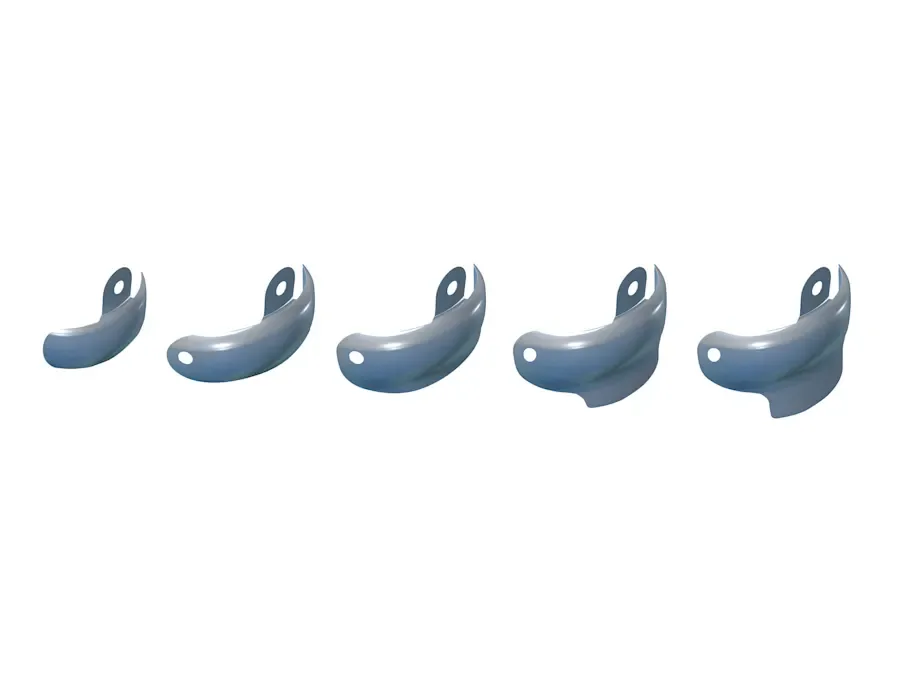
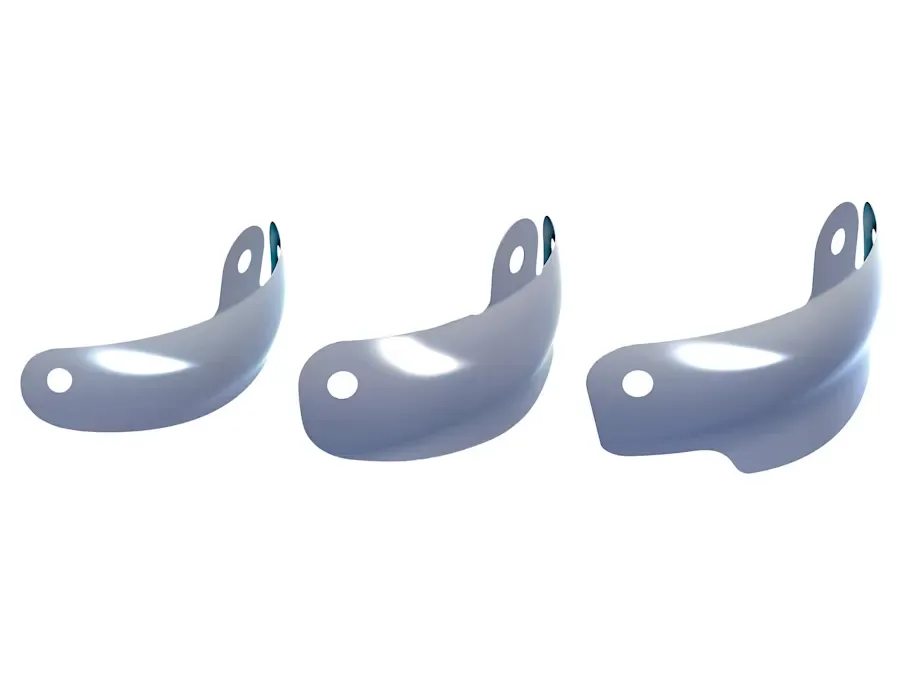
When using Sable Seek, always follow the manufacturer's instructions. Store the solution properly to maintain its efficacy. For optimal results, pair Sable Seek with high-quality restorative materials and accessories. For instance, using the MosaicTM Syringes and Singles-Universal Composite ensures a durable and aesthetic restoration after caries removal. Additionally, the V3 Tab-Matrix-Sectional Matrix can help achieve proper contact points when restoring interproximal lesions.
- Incorporate Sable Seek into every caries excavation procedure.
- Educate patients by showing them stained areas.
- Combine with reliable restorative products for best outcomes.
Advantages of Sable Seek Over Traditional Methods
Compared to traditional probing, Sable Seek provides a clearer visual indication of infected dentin, reducing the risk of under- or over-excavation. It is also more sensitive than radiographs for detecting early lesions. This leads to more conservative restorations, preserving tooth structure and improving long-term prognosis.
Moreover, Sable Seek is easy to use, requires no special equipment, and can be quickly incorporated into any dental practice. Its cost-effectiveness and reliability make it a valuable tool for both general dentists and specialists.
- Higher sensitivity than traditional probing.
- Reduces over-excavation and preserves tooth structure.
- Cost-effective and simple to use.
Incorporating Sable Seek into your caries detection protocol enhances diagnostic accuracy and supports minimally invasive dentistry. By distinguishing infected from affected dentin, you can preserve more tooth structure and improve patient outcomes. To further optimize your restorative procedures, consider pairing Sable Seek with high-quality products like the MosaicTM Syringes and Singles-Universal Composite, ensuring excellent results in every case.