Quick answer
Handmade ceramic tile thrives in high-moisture rooms when you seal it properly, clean with pH-neutral products, and control humidity. Focus on the grout and tile surface—both need different care. A simple routine of sealing, gentle cleaning, and ventilation prevents stains, mold, and wear.
Why handmade ceramic tile needs special care in damp spaces
Handmade ceramic tile, like cement and cotto varieties, has subtle surface variations that make each piece unique. Those same variations—tiny pores, slight texture, and natural material composition—mean the tile can absorb moisture if left unsealed. In a bathroom or shower, that moisture can lead to discoloration, efflorescence, or even mold growth behind the tile.
Unlike mass-produced glazed porcelain, many handmade ceramic tiles have a matte or unglazed finish that requires a penetrating sealer. Cement tiles in particular are porous and need sealing before grouting and again after installation. Cotto tiles, made from fired terra cotta clay, also benefit from a quality sealer to protect against humidity and splashes.
The role of ventilation and humidity control
Even with proper sealing, high humidity is the enemy of any tile installation. Bathrooms should have an exhaust fan that vents to the outside, not just into an attic. Running the fan during and for 20–30 minutes after a shower pulls moisture out of the air before it can settle on tile surfaces and grout lines.
If your bathroom lacks a fan, open a window or use a dehumidifier. Keeping relative humidity below 60% reduces the chance of mold and mildew forming on grout and tile. A simple hygrometer costs little and helps you monitor conditions.
Step-by-step care routine for high-moisture rooms
- Seal before grouting and after installation: Apply a penetrating sealer to unglazed handmade tile before grouting. This prevents grout from staining the tile surface. After the grout cures, apply a second coat of sealer to both tile and grout. For cement tiles, use a sealer designed for porous natural materials. Common mistake: skipping the pre-grout seal. Grout can permanently discolor unsealed handmade tile, especially lighter colors.
- Clean with pH-neutral products only: Use a mild, pH-neutral cleaner diluted in warm water. Avoid vinegar, bleach, ammonia, or abrasive scrubbers—they can etch the tile surface or break down the sealer. Wipe with a soft cloth or mop, then rinse with clean water. Checkpoint: If you see a hazy film after cleaning, you may be using too much cleaner or not rinsing enough. Switch to a dedicated stone and tile cleaner.
- Dry surfaces after each use: After a shower or bath, use a squeegee on tile walls and a towel on countertops. This removes standing water that can leave mineral deposits or encourage mildew on grout. For floor tiles, a quick dry mop helps. Common mistake: letting water pool on tile. Even sealed tile can develop water spots or efflorescence if moisture sits for hours.
- Reseal annually or when water stops beading: Test your sealer by sprinkling a few drops of water on the tile. If the water soaks in within a minute, it's time to reseal. For high-use showers, reseal every 6–12 months. Use the same penetrating sealer as the initial application. Checkpoint: Don't over-seal. One thin, even coat is better than a thick layer that can peel or discolor.
Tile choices that handle moisture well
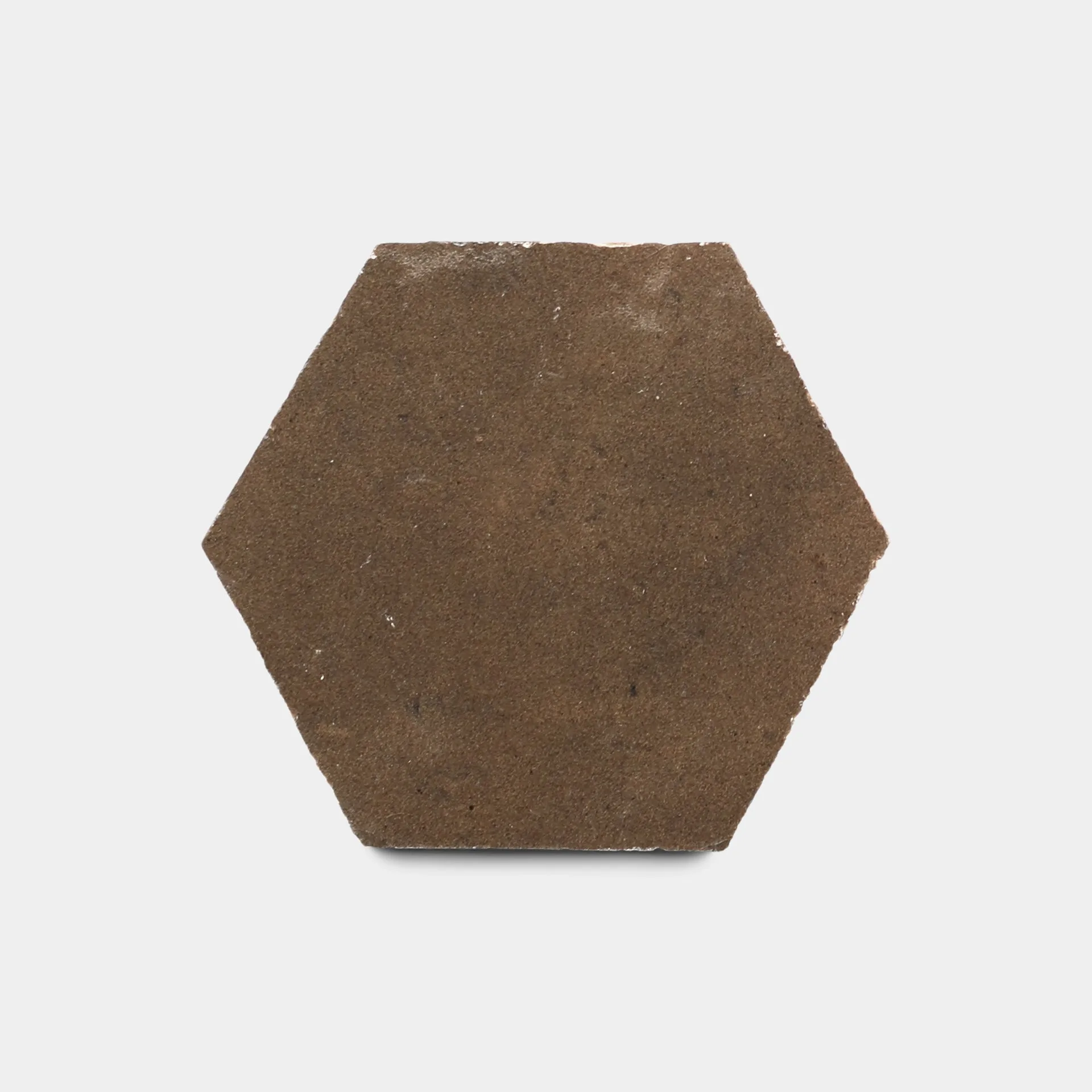
- Alcazar + Fired Earth: Cotto, a Terra Cotta love story. Cotto (from the Italian terra cotta or "baked earth") is part of a long line of fired clays that date back to the dawn of civilization itself. The materials that go into making our Cotto haven't changed much over the millennia. Cotto tiles are naturally beautiful but porous. In a high-moisture room, they need a penetrating sealer applied before grouting and periodically after installation to prevent water absorption and staining.
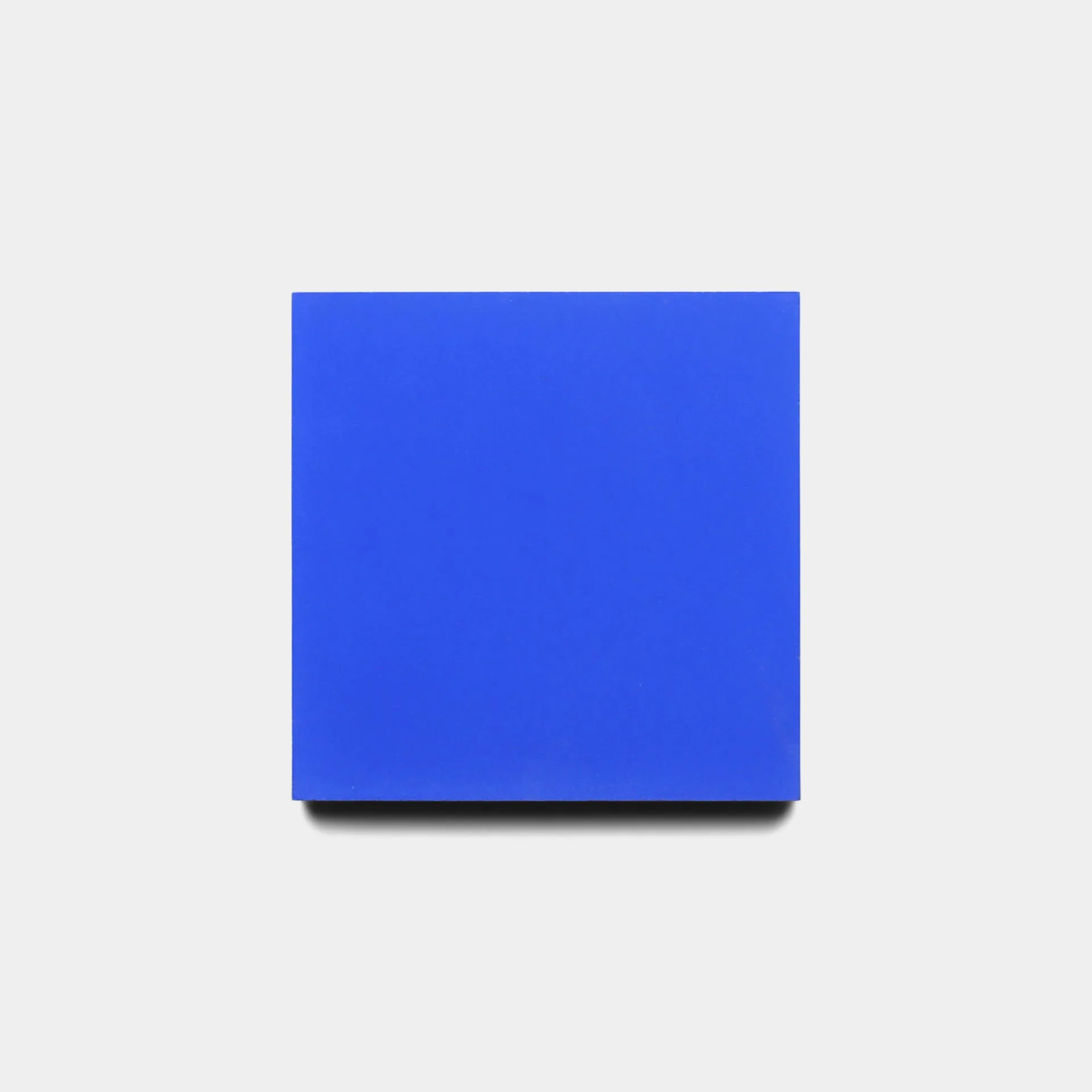
- Elemental Blue 4x4: Our Elemental Blue 4x4 Cement design is matte silky, and gorgeous. As one of our 4x4 Cement color collection, each tile has subtle tonal variation. Elemental Blue 4x4 Cements are perfect for bathrooms, showers, and flooring applications. Cement tiles are dense but not waterproof. Their matte, silky surface shows water spots easily if not sealed. Using a quality impregnating sealer preserves the subtle tonal variation and makes daily cleaning easier in a shower or bathroom floor.