Kitchen textiles are the unsung heroes of a well-run home. From the dish towel that dries your favorite handmade mug to the linen tablecloth that transforms a weeknight dinner into a special occasion, these fabrics work hard every day. But without proper care, even the highest-quality linens can fade, fray, or lose their absorbency. The good news is that a few simple habits can extend the life of your kitchen textiles significantly, saving you money and reducing waste.
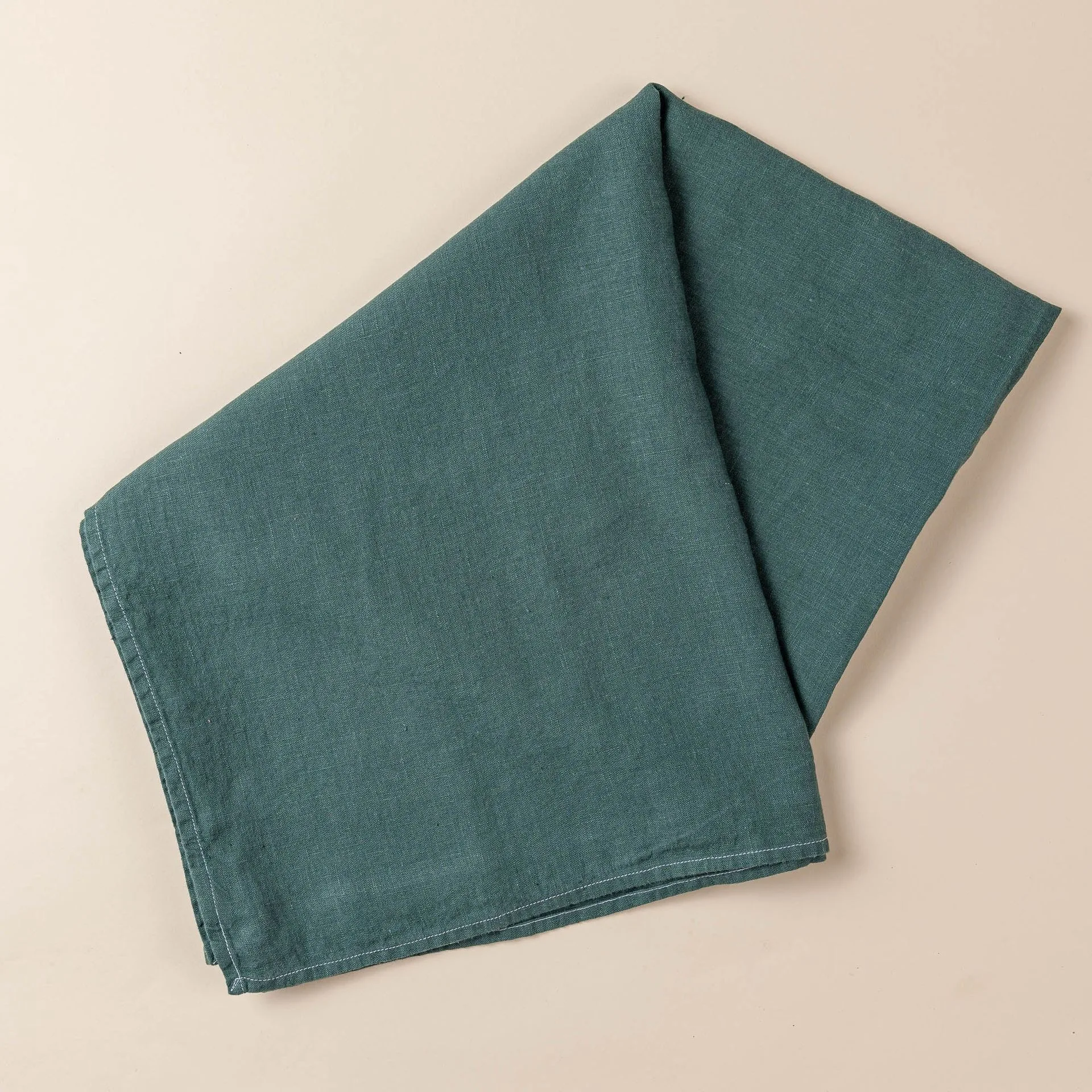
linen tablecloth
Whether you’re caring for a beloved Linen Tablecloth or a set of everyday dish towels, understanding the basics of fabric care is essential. In this guide, we’ll walk you through the best practices for washing, drying, and storing your kitchen linens so they stay soft, vibrant, and ready to serve you for years to come.
Why Proper Care Matters for Kitchen Linens
Kitchen textiles face unique challenges: frequent washing, exposure to food stains, high heat, and constant handling. Over time, improper washing can break down natural fibers, dull colors, and cause shrinkage. Linen, cotton, and blends each have specific needs. For example, linen is prized for its durability and natural luster, but it can become stiff if washed with too much detergent or dried on high heat. Cotton dish towels are absorbent but prone to pilling if not handled gently.
By adopting a care routine tailored to your textiles, you preserve their functionality and beauty. A well-maintained tablecloth remains crisp and stain-free for holiday gatherings, while a properly washed dish towel continues to dry dishes without leaving lint. This not only enhances your daily experience but also supports a more sustainable lifestyle by reducing the need for frequent replacements.
- Always check the care label on your kitchen textiles for specific instructions.
- Separate linens by color and fabric type before washing to avoid dye transfer.
- Treat stains promptly—soaking in cold water can prevent set-in marks.
Washing Your Kitchen Textiles: Best Practices
When it comes to washing, temperature and detergent choice are key. For most kitchen linens, warm water (around 40°C or 104°F) is ideal—it’s hot enough to break down grease and food residue but not so hot that it damages fibers. Use a mild, liquid detergent free of bleach or optical brighteners, which can weaken linen and cotton over time. Avoid fabric softeners entirely; they coat fibers and reduce absorbency, which is counterproductive for dish towels and napkins.
For heavily soiled items like kitchen towels used for drying hands or wiping counters, a pre-soak in cold water with a splash of white vinegar can help lift odors and stains. Vinegar is a natural deodorizer and fabric softener. If you’re washing a delicate Linen Tablecloth, turn it inside out and place it in a mesh laundry bag to protect the weave. Wash similar fabrics together—heavy cottons with cottons, linens with linens—to prevent abrasion.
- Use half the recommended amount of detergent to avoid residue buildup.
- Add a cup of white vinegar to the rinse cycle for extra softness and odor removal.
- Never overload the washing machine; linens need room to move freely for a thorough clean.
Drying Techniques for Long-Lasting Softness
Drying is where many kitchen textiles meet their demise. High heat can cause shrinkage, set stains, and weaken fibers. The gentlest method is air drying: hang dish towels and napkins on a line or drying rack, preferably out of direct sunlight to prevent fading. Linen especially benefits from air drying, as it retains its natural texture and becomes softer with each wash. If you’re short on time, tumble dry on a low or delicate setting and remove the items while they are still slightly damp to minimize wrinkles.
still
For a Linen Tablecloth, consider ironing it while slightly damp to restore a crisp, elegant finish. This is especially nice before a dinner party. Avoid drying kitchen textiles with heavy items like jeans or towels, which can cause friction and pilling. If you use a dryer, clean the lint filter every time to maintain efficiency and reduce fire risk. A final tip: shaking out your linens before drying helps them maintain their shape and reduces wrinkles.
- Air drying is best for linen and delicate cotton textiles.
- If using a dryer, remove linens while slightly damp to reduce wrinkles.
- Iron tablecloths and napkins on a medium setting for a polished look.
Storing Kitchen Linens to Preserve Their Beauty
Proper storage is the final piece of the longevity puzzle. Store clean, completely dry linens in a cool, dark, and well-ventilated space. Humidity can lead to mildew and musty odors, so avoid basements or damp cabinets. Fold linens loosely to prevent sharp creases that can weaken fibers over time. For special-occasion pieces like a Linen Tablecloth, consider rolling it around a cardboard tube to avoid permanent fold lines.
Keep your kitchen textiles separate from items with strong odors (like spices or cleaning products) as fabrics can absorb smells. If you have multiple sets, rotate them regularly so wear is distributed evenly. A dedicated drawer or shelf with cedar blocks or lavender sachets can deter moths naturally without harsh chemicals. For everyday dish towels, a simple basket or open shelf works beautifully—just ensure they are fully dry before folding to prevent trapped moisture.
- Store linens in a dry, dark place away from direct sunlight.
- Roll tablecloths to prevent deep creases and prolong fabric life.
- Use natural moth repellents like cedar or lavender instead of chemical sprays.
Special Care for Specialty Kitchen Textiles
Not all kitchen textiles are created equal. Some pieces, like a beautifully woven Linen Tablecloth, may have delicate trims or embroidery that require extra attention. For these, hand washing in cool water with a gentle detergent is safest. Similarly, vintage or heirloom linens should be treated with care—avoid wringing or twisting, and dry them flat on a towel. For everyday items like cotton dish towels, machine washing is perfectly fine as long as you follow the guidelines above.
If you own a set of napkins or a runner that sees occasional use, store them in a breathable cotton bag to protect from dust. Always test a small, inconspicuous area before using any stain remover. For tough stains like red wine or tomato sauce, a paste of baking soda and water applied before washing can work wonders. With a little extra attention, your specialty textiles will remain heirloom-quality for years.
- Hand wash delicate or embroidered linens in cool water.
- Dry specialty textiles flat to maintain their shape.
- Treat stains gently with natural solutions like baking soda or white vinegar.
Caring for your kitchen textiles doesn’t have to be complicated. By washing with care, drying gently, and storing thoughtfully, you can extend the life of your favorite linens and keep them looking beautiful for years. Whether you’re investing in a new set of dish towels or preserving a cherished tablecloth, these simple habits make all the difference. Explore our collection of kitchen textiles, including the versatile Linen Tablecloth, to find pieces that bring both function and elegance to your home.