A leather clutch is more than just an accessory; it's an investment in style that can last for decades if cared for properly. Whether you own a sleek evening clutch or a versatile everyday piece, understanding how to maintain leather clutch items is essential to preserving their beauty and functionality.
In this guide, we'll walk you through the essential steps of leather clutch care, from regular cleaning to proper storage. We'll also share tips on protecting your clutch from common hazards like moisture, heat, and scratches. With a little effort, you can ensure your leather clutch remains a timeless staple in your wardrobe.
Understanding Your Leather Clutch
Before diving into care routines, it's important to know what type of leather your clutch is made from. Full-grain leather is the highest quality, featuring natural markings and developing a beautiful patina over time. Top-grain leather is slightly more processed but still durable. Bonded leather, on the other hand, is less expensive and requires more careful handling.
Each type of leather responds differently to cleaning and conditioning products. Always test any product on a small, inconspicuous area first to ensure it doesn't discolor or damage the finish. Knowing your leather type will help you choose the right care products and techniques.
- Check the label or ask the manufacturer if unsure about the leather type.
- For high-end leather, consider professional cleaning for deep stains.
Daily Maintenance for Your Leather Clutch
The key to maintaining a leather clutch is consistency. Simple daily habits can prevent dirt and oils from building up. After each use, gently wipe the surface with a soft, dry cloth to remove dust and surface dirt. This prevents particles from settling into the leather's pores and causing wear.
Avoid overstuffing your clutch, as this can distort its shape and strain the seams. When not in use, keep it in a dust bag to protect it from light and dust. If your clutch has metal hardware, such as a magnetic snap, ensure it doesn't scratch the leather when closed.
- Use a microfiber cloth for daily wiping to avoid scratching.
- Rotate your clutches to give each one a break and reduce wear.
Deep Cleaning: How to Clean a Leather Clutch
Every few months, your leather clutch will need a deeper clean to remove embedded dirt and grime. Start by emptying the clutch and turning it inside out if possible. Use a soft-bristled brush or a vacuum with a brush attachment to remove loose debris from the lining.
For the exterior, mix a few drops of mild soap (like castile soap) with distilled water. Dampen a soft cloth with the solution and gently wipe the leather in circular motions. Avoid saturating the leather; it should only be slightly damp. After cleaning, wipe with a separate damp cloth to remove any soap residue, then pat dry with a towel.
- Never use harsh chemicals or alcohol-based cleaners on leather.
- If your clutch is very dirty, consider a professional leather cleaning service.
Conditioning and Protection
Leather needs moisture to stay supple and prevent cracking. After cleaning and drying, apply a high-quality leather conditioner. Use a soft cloth to apply a small amount of conditioner in circular motions, then let it absorb for a few hours. Buff with a clean cloth to bring out the shine.
To protect your clutch from water and stains, consider applying a leather protector spray. These products create an invisible barrier that repels liquids without altering the leather's appearance. Always test on a small area first and reapply periodically, especially if you use your clutch frequently.
- Condition your leather clutch every 3-6 months, depending on usage.
- Choose a conditioner that matches your leather type (e.g., for smooth or textured leather).
Proper Storage for Longevity
How you store your leather clutch when not in use is crucial for its longevity. Always store it in a cool, dry place away from direct sunlight, which can fade and dry out the leather. Avoid plastic bags, as they trap moisture and can cause mildew. Instead, use a breathable cotton or linen dust bag.
To maintain the clutch's shape, stuff it with acid-free tissue paper or a soft cloth. Avoid using newspaper, as the ink can transfer. If you have multiple clutches, store them upright and not stacked, to prevent crushing. Also, keep them away from heat sources like radiators or heating vents.
- Use a dedicated shelf or drawer for your leather accessories.
- Consider using silica gel packets to control humidity in storage areas.
Handling Common Issues
Even with the best care, your leather clutch may encounter issues like scratches, scuffs, or stains. For light scratches, gently rub the area with a soft eraser or a leather repair kit. For deeper scratches, consult a professional. Water stains can often be removed by gently blotting with a damp cloth and letting it dry naturally.
If your clutch gets wet, blot excess moisture immediately with a dry cloth and let it air dry away from heat. Never use a hairdryer or place it near a radiator. Once dry, condition the leather to restore moisture.
- Treat stains as soon as possible to prevent them from setting.
- For ink stains, use a cotton swab dipped in rubbing alcohol, but test first.
Caring for your leather clutch doesn't have to be complicated. With regular cleaning, conditioning, and proper storage, you can keep it looking elegant for years. Remember to handle it with care, and it will continue to complement your style. For high-quality leather accessories that are built to last, explore our collection of leather cases and wallets, such as the Custom Crossbody iPhone 14 Pro Max leather case or the GTR V-Mag Mini Wallet, which are crafted from premium materials and designed with durability in mind.
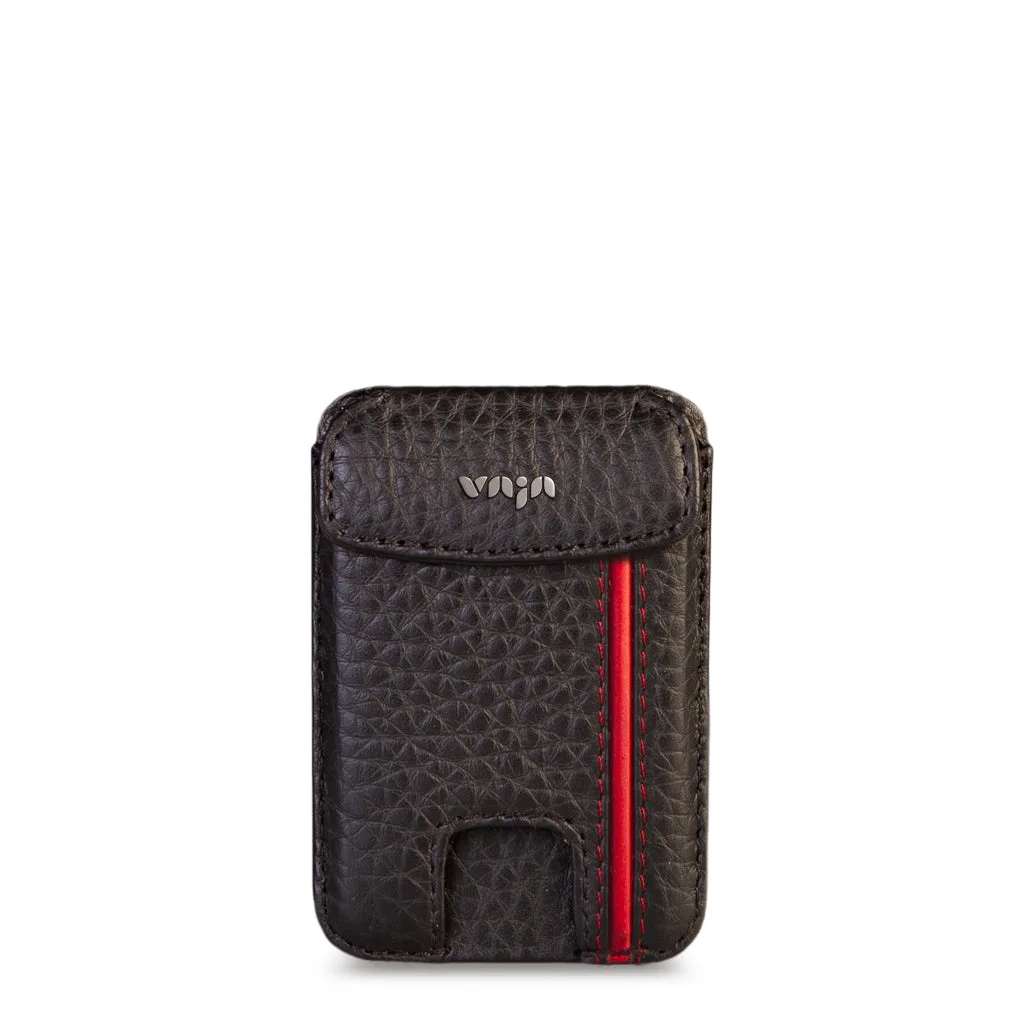
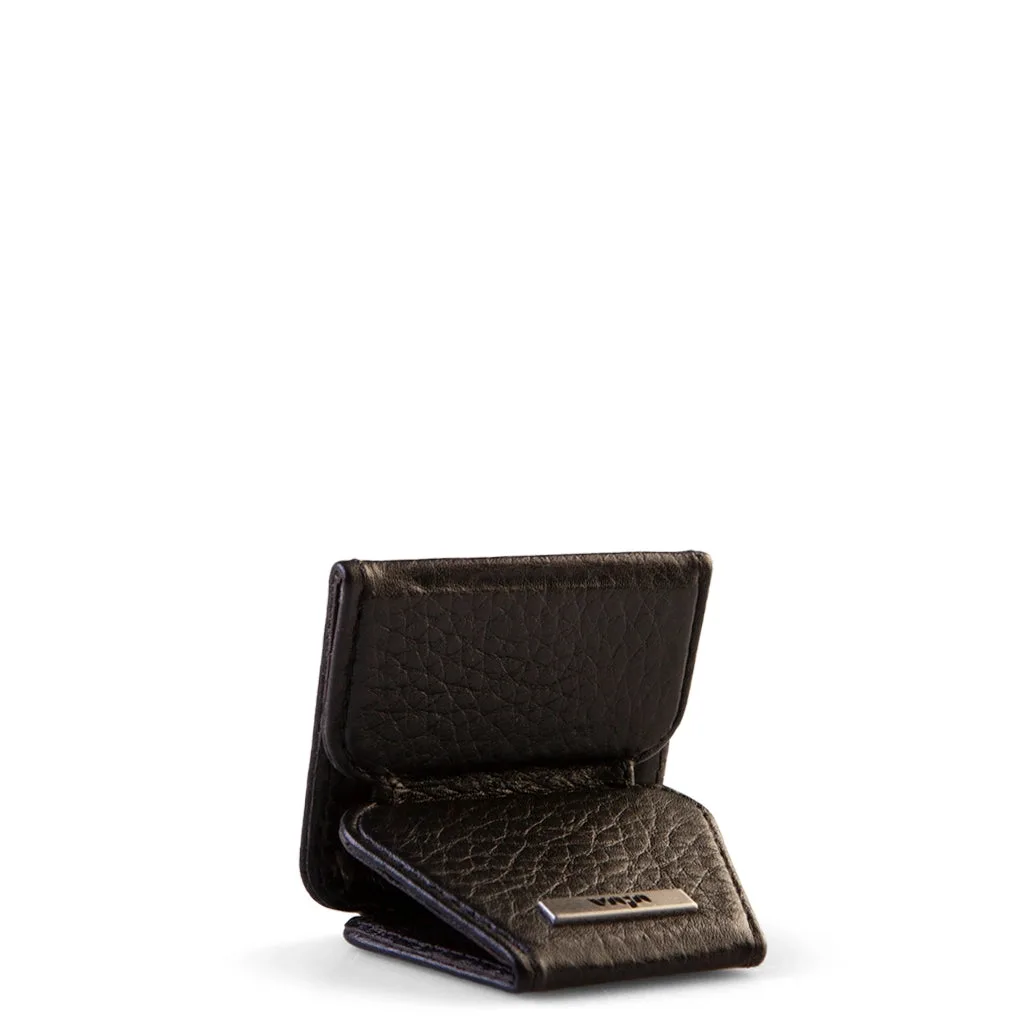
GTR V-Mag Mini Wallet