Quick Answer
For most flights, a carry-on suitcase wins on organization and easy rolling through airports, while a duffel shines when you need flexibility and a softer, more casual carry. Choose based on your trip length, packing style, and how much you want to carry on your shoulder.
Organization and Packing Ease
A carry-on suitcase typically features dedicated compartments and compression straps that keep clothes neat and accessible. This structure makes it easier to find items without unpacking everything, especially on shorter trips where you might live out of the bag.
A duffel, on the other hand, is essentially one large open space. While this allows for flexible packing of bulky or oddly shaped items, it often means digging to the bottom for your toiletries. Using packing cubes can help, but the lack of built-in organization is a trade-off.
Mobility and Airport Navigation
Carry-on luggage with spinner wheels lets you glide through terminals with minimal effort, which is a huge advantage when you have a long layover or heavy bag. You can also rest it on top of a larger suitcase if you're traveling with more gear.
Duffels are typically carried by hand or over the shoulder. This can be convenient for navigating stairs, crowded trains, or uneven streets, but it puts the weight on your body. If you have back issues or tend to overpack, a duffel may become uncomfortable quickly.
Durability and Protection
Hard-shell carry-ons offer rigid protection for fragile items like electronics or souvenirs. Soft-sided luggage provides some give and can fit into tight overhead bins more easily, but may not shield contents from impact as well.
Duffels are usually made of soft fabric and offer minimal protection. They are best for clothing and soft items, not for anything breakable. If you're carrying a laptop or camera, you'll want a padded sleeve or separate case.
Decision Rules: Carry-On vs Duffel
- Trip length: Choose a carry-on for trips longer than 2 nights where you need more clothing and organization. Choose a duffel for a quick 1-2 night trip where you can pack light. If your trip is 3+ nights, a carry-on is usually the better fit.
- Packing style: If you like to keep items separated and easily accessible, a carry-on with compartments is ideal. If you prefer to toss everything in one open space, a duffel offers that simplicity. Consider using packing cubes in a duffel to add organization.
- Mobility needs: If you have long airport walks, connections, or heavy items, a wheeled carry-on saves your back. If you're navigating stairs, cobblestones, or public transit, a duffel is more maneuverable. Think about your ground transportation, not just the flight.
- Protection requirements: If you're carrying fragile items like electronics or glass, a hard-shell or padded carry-on offers better protection. A duffel is fine for clothing and soft goods only. Use a separate padded case for electronics in a duffel.
Product Spotlight
-
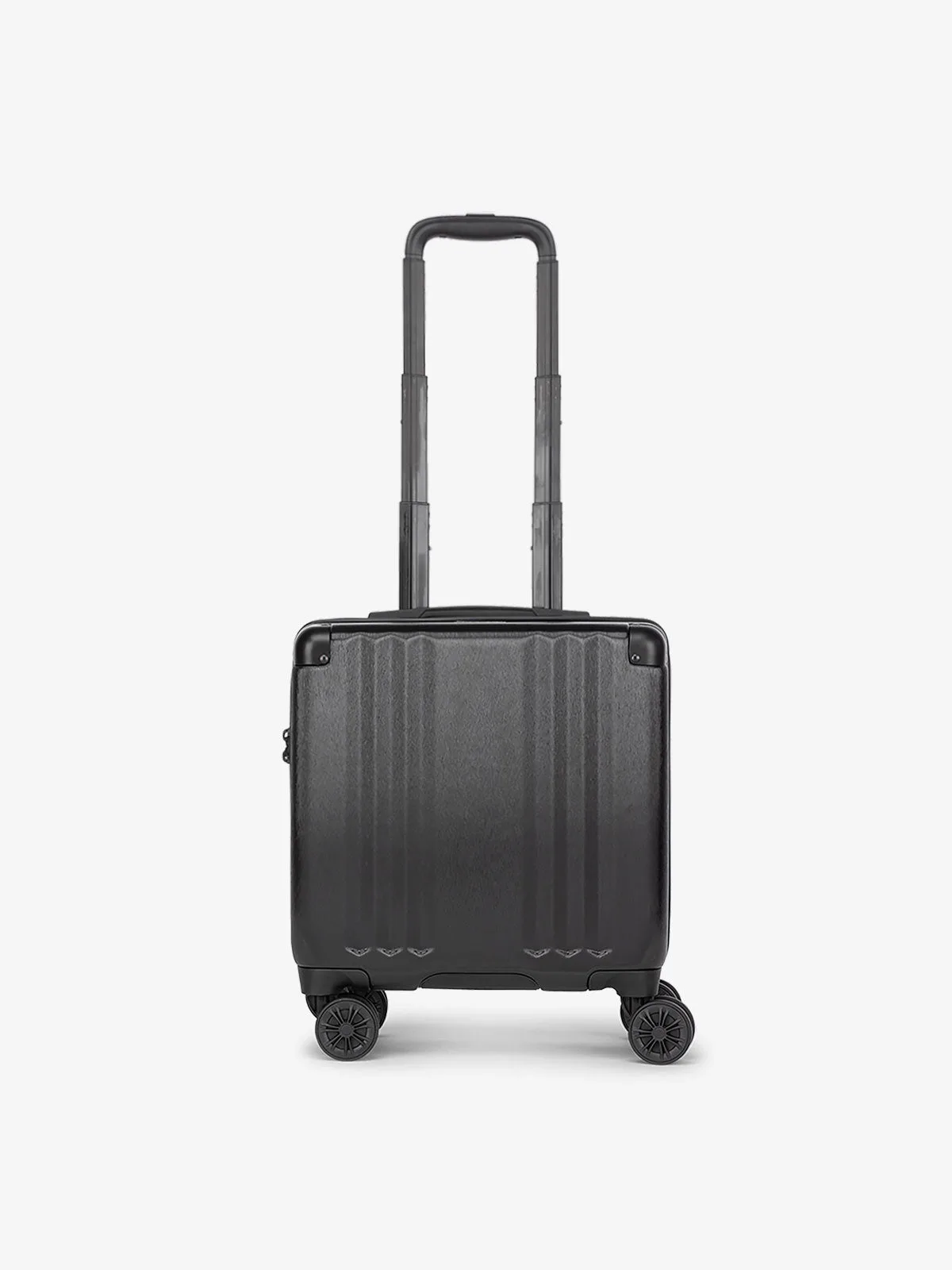
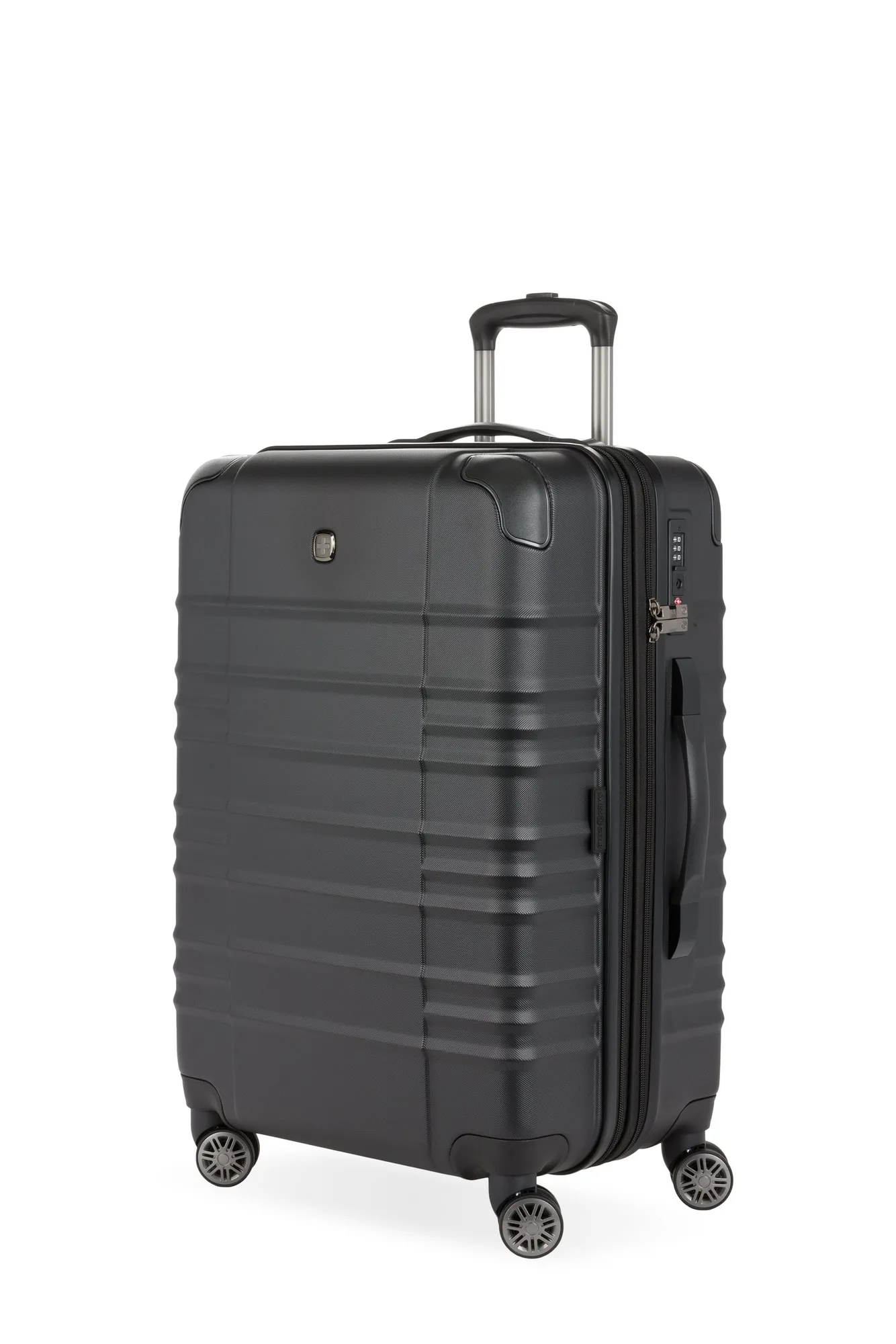
Evry Carry-On Luggage: The Evry Carry-On Luggage is compact enough for overhead bins yet spacious enough for essentials, with an expandable design and organized interior compartments. This makes it a strong contender for travelers who want the structure of a suitcase without sacrificing packability, especially on weekend trips.
Evry Carry-On Luggage
Which Should You Choose?
Best for
- Travelers who prioritize organization and easy airport navigation
- Those taking multi-day trips with a need for structured packing
- People carrying fragile items like laptops or cameras
Not for
- Travelers who prefer a casual, flexible carry and don't mind digging for items
- Those who frequently navigate stairs or uneven terrain without smooth surfaces