Quick answer
Cars, puzzles, and blocks all build fine motor skills, but they train different grips. Choose soft, easy-to-hold toys for babies under 12 months, chunky puzzles for toddlers learning to match shapes, and blocks or push-along cars for preschoolers refining hand control. Match the toy to the grip your child is practicing right now, not the age on the box.
Fine motor skills grow through repeated, slightly challenging hand movements: grasping, pinching, stacking, and placing. Cars, puzzles, and blocks each ask for a different version of those movements, which is why a mix works better than any single toy.
This guide explains what each toy type actually trains, how to choose fine motor toys by age, and where the trade-offs sit. It also flags the catalog details that matter when you are comparing options, so you can buy once and use the toy for longer.
What each toy type trains
Cars for toddlers train a whole-hand grip and wrist control. Pushing, rolling, and steering build the muscles that later support drawing and handwriting. The trade-off: a car that is too heavy or too fast frustrates a new walker, so look for lightweight shapes a small hand can wrap around.
Puzzles for babies and toddlers train the pincer grasp and shape matching. Lifting a piece, rotating it, and dropping it into place is a precise sequence that builds concentration alongside hand control. Chunky pieces suit beginners; smaller knobs and tighter fits suit older toddlers who already place objects deliberately.
Blocks for toddlers train stacking, balancing, and releasing on purpose. That release is harder than it looks and directly supports self-feeding and later pencil control. Soft or textile blocks are safer for early stackers; firmer blocks hold taller towers but hurt more when they topple.
- Pick one toy per grip stage: whole-hand, pincer, then controlled release.
- Rotate toys weekly so each grip gets practice without boredom.
Match the toy to the grip stage, not the birthday
A one-year-old and a two-year-old can both enjoy a puzzle, but they need different pieces. If your child still mouths everything, choose larger pieces with no small parts and expect the toy to be explored, not solved. If your child already drops objects into containers on purpose, move to puzzles with distinct shapes and knobs.
The same logic applies to cars and blocks. A child who cannot yet release an object will knock towers down rather than build them, so offer soft blocks first. A child who lines toys up in rows is ready for stacking and simple sorting games.
When a toy is too easy, children abandon it quickly. When it is too hard, they get frustrated and stop trying. The sweet spot is a toy your child can almost use, with one small step left to master.
Material and safety trade-offs
Natural rubber and cotton toys are soft, quiet, and safe for mouthing, which suits babies who still chew. They cost more per toy and wear faster than plastic. Plastic and wooden toys hold their shape and last through siblings, but they are firmer and louder, and wooden pieces can hurt when thrown.
For any toy, check the size against a choke-test tube, look for loose parts, and confirm the finish is labeled non-toxic if your child mouths it. If a specification is not listed, treat it as unknown rather than assuming it is safe for chewing.
Washable materials matter more than you expect. Textile toys collect drool and crumbs, so choose ones you can hand wash or machine wash on a gentle cycle, and check the care label before buying.
- Mouthing stage: soft, one-piece toys with no detachable parts.
- Placing stage: chunky puzzle pieces and lightweight cars.
- Building stage: stackable blocks and simple push-along vehicles.
How many toys do you actually need
Three to five fine motor toys per stage is plenty. More than that and children flit between toys without finishing a single action, which reduces the repetition that builds skill. A small, rotating set works better than a full toy box.
If you are building a gift set, combine one grasping toy, one placing toy, and one stacking toy. That covers the three main grips and gives the child a clear progression as they grow.
Decision rules for buying fine motor toys
- If your child still mouths toys: Choose one-piece soft toys with no detachable parts, like natural rubber sensory balls or a one-piece bath toy. Skip puzzles with small pieces until mouthing stops.
- If your child drops objects into containers on purpose: Move to chunky puzzles and memory cards that require lifting, rotating, and placing. This is the pincer grasp window, so prioritize pieces a small hand can pinch.
- If your child stacks two objects without help: Add blocks and lightweight push-along cars to build controlled release and wrist control. Choose soft blocks first if your child tends to throw.
- If you are buying a gift: Combine one grasping toy, one placing toy, and one stacking toy so the set grows with the child. Check the care label and material before assuming it suits a mouthing baby.
Catalog details worth knowing
- Fruits&Veggies Memory Game Cards: A classic memory game with 12 handmade natural cotton cards, stored in a little textile bag that makes it easy to take anywhere. The cards train the pincer grasp and visual memory at the same time, and the bag keeps pieces together so nothing gets lost between play sessions.
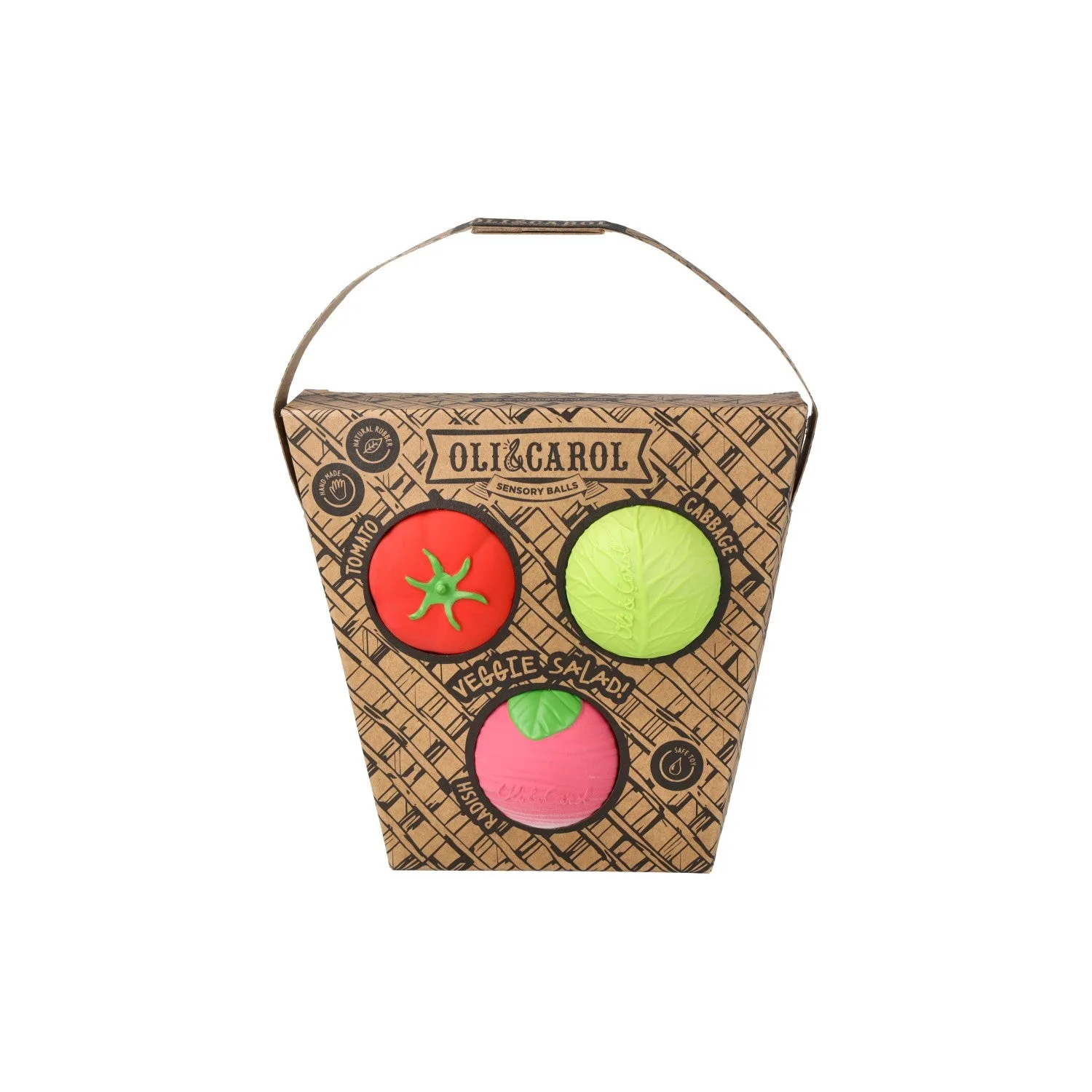
- Veggie Salad Baby Sensory Balls: Three mini sensory balls made from 100% natural rubber from Hevea trees, designed for grabbing, rolling, and teething. The soft rubber suits babies who still mouth toys, and the round shape builds the whole-hand grip that comes before a pincer grasp.
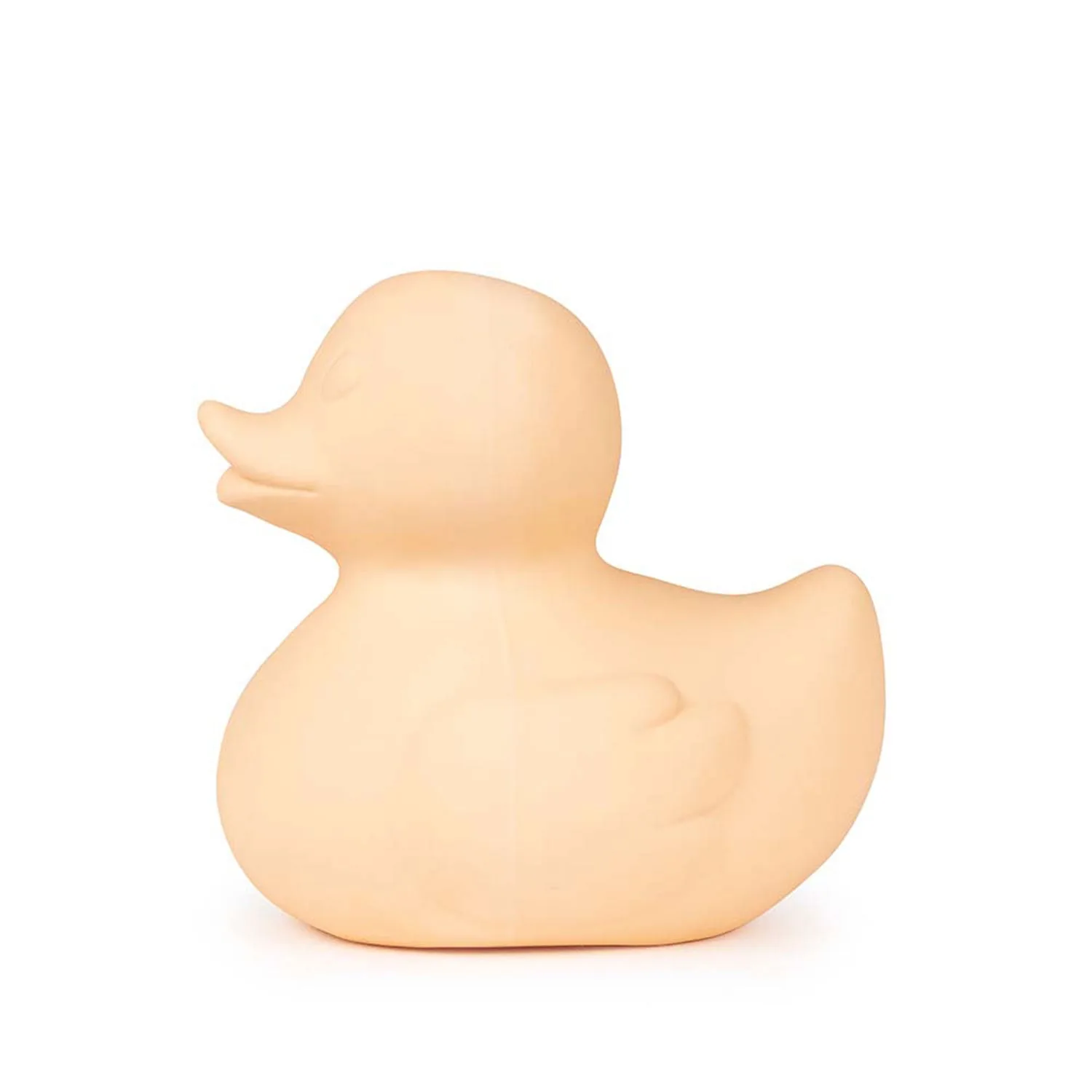
- Elvis the Duck Nude Bath Toy: Made all in one piece without a hole, which prevents bacteria from building up inside. A one-piece toy removes the mold risk common in squirt-style bath toys, so it can double as a teether and sensory toy without hidden cleaning problems.
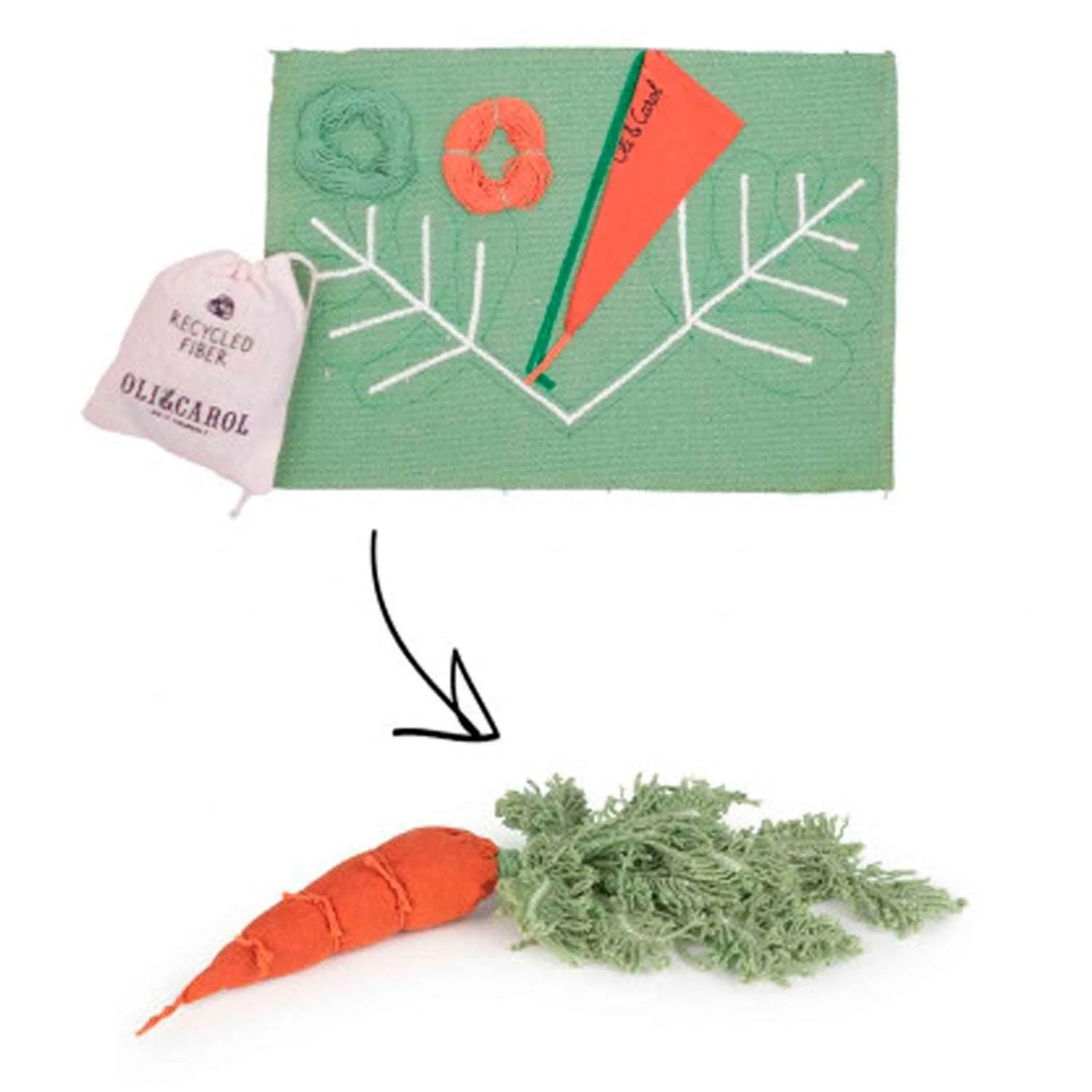
- DIY Cathy The Carrot: A sewing kit that lets children handcraft their own textile carrot-shaped toy during a family activity. Sewing is advanced fine motor practice for older children, and the finished toy becomes a soft object a younger sibling can safely hold.
Who these toys fit
Best for
- Parents building a small, rotating set of fine motor skill toys
- Babies and toddlers who need practice with grasping, pinching, or releasing
- Gift buyers who want toys that stay useful across more than one stage
Not for
- Families looking for a single toy that covers every age and grip stage
- Children past preschool who need more advanced construction or building sets
- Buyers who need toys with published safety certifications not listed in the product details
Pick toys by the grip your child is practicing now, keep the set small, and rotate it often. Cars, puzzles, and blocks each earn their place when they match the stage, and the catalog details above show which options suit mouthing, placing, and building without guesswork.