Quick answer
Keep a case of dates in the pantry for shelf-stable snacking and lunchbox backup, and keep fresh fruit in the fridge for juicy, high-water snacks. Dates win on convenience and longevity; fresh fruit wins on texture, hydration, and variety.
Are dates a fruit, and does that change the comparison?
Yes, dates are the fruit of the date palm. That matters because the comparison is not fruit versus a processed snack; it is fresh fruit versus a dried fruit with a very different moisture profile. Fresh fruit such as grapes, blueberries, or pomegranates is mostly water and needs cold storage. Dates are naturally sweet and dense, so they hold up in a pantry and deliver concentrated energy in a small portion.
The practical result: dates behave more like a pantry staple than a produce item. You can keep them on hand without planning around a fridge shelf or a short ripe window.
Shelf life and storage: pantry versus fridge
Fresh fruit has a clock on it. Berries, grapes, and cut fruit need refrigeration and careful handling to avoid mush or mold. Dates are far more forgiving: an unopened case stores at room temperature, and once opened you can keep the remainder in an airtight container away from heat and moisture. The catalog does not specify a best-by date, so treat the package date as your guide and inspect dates for firmness and smell before eating.
This is the core trade-off. Fresh fruit gives you hydration and bright flavor but demands fridge space and attention. Dates give you low-maintenance shelf stability but less water content and a chewier texture.
Nutrition compared to fresh fruit
Both dates and fresh fruit supply carbohydrates, fiber, and micronutrients, but their profiles differ. Dates are calorie-dense and naturally high in sugar, so portion size matters more than with watery fruit like berries or melon. Fresh fruit offers volume and hydration for relatively few calories, which makes it easy to eat a large serving.
Neither is a substitute for the other in every situation. If you want a small, filling snack that travels well, dates are practical. If you want a light, hydrating snack or a base for fruit salads, fresh fruit is the better fit. The catalog does not provide a nutrition panel for the case of dates, so check the package label if you are tracking sugar or calories closely.
Buying dates in bulk: what to consider
A case makes sense if you already eat dates regularly or want a backup snack that will not spoil quickly. It makes less sense if you are the only date eater in the house and have never worked through a larger quantity before. Because the catalog does not list the exact case weight or count, confirm the package details before ordering if portion planning matters to you.
Fresh fruit bought in bulk has the opposite risk: a large case of berries or grapes can turn before you finish it. That is why many households keep a small amount of fresh fruit and a shelf-stable backup like dates rather than choosing one exclusively.
Trade-offs to weigh before you stock up
- Shelf life and storage: Dates stay pantry-friendly and need only an airtight container after opening; fresh fruit needs refrigeration and has a shorter window. Choose dates if you want backup snacks that do not depend on fridge space. If your fridge is already full, dates solve a storage problem that fresh fruit creates.
- Texture and hydration: Fresh fruit delivers water content and juicy texture; dates are dense and chewy. Pick fresh fruit when you want a light, hydrating snack, and dates when you want something compact and filling.
- Sugar and portion control: Dates are naturally high in sugar and calorie-dense, so a small serving goes a long way. Fresh fruit lets you eat a larger volume for fewer calories. If you are watching sugar intake, portion dates deliberately rather than snacking from the case. Portion dates into small containers instead of eating straight from the case.
- Bulk buying risk: A case of dates is a low-spoilage bulk buy; a case of fresh fruit is a race against ripeness. Buy dates in bulk if you already snack on them regularly, and buy fresh fruit in quantities you can finish within its ripe window.
Product facts
-
Case of Dates: Manhattan Milk sells this product as a case of dates, a naturally sweet fruit for snacking or pairing with lunch or breakfast. A case format suits households that want a shelf-stable snack ready for lunches and breakfasts without a fridge run.
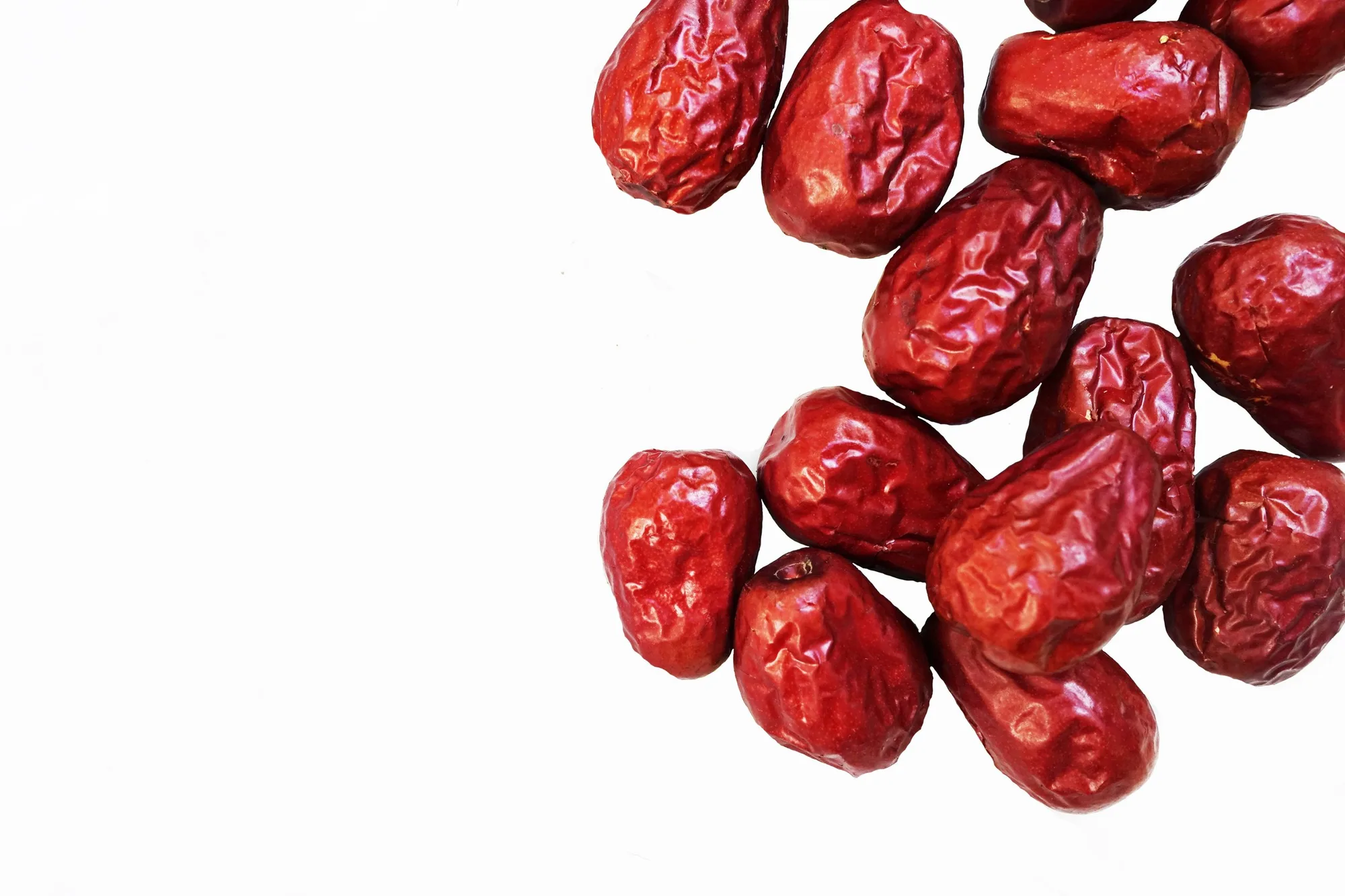
Case of Dates
Who should choose which
Best for
- Pantry-focused households that want a shelf-stable snack for lunches and breakfasts
- People who already eat dates regularly and can finish a case before quality declines
- Anyone building an emergency or backup snack shelf that does not rely on refrigeration
Not for
- Shoppers who want a juicy, hydrating snack or a fruit-salad ingredient
- Households that rarely eat dates and would struggle to finish a case
- Anyone tracking sugar intake closely without a plan for small portions