Quick answer
Buy a case of oranges when you want a sweet, juicy snack for breakfast, lunch, or afternoon breaks and can store the fruit in a cool, ventilated spot. Choose a case with firm, heavy fruit for juicing, and plan to use or share the oranges within a couple of weeks.
Why a whole case makes sense for snacking and juicing
A case of oranges gives you enough fruit to keep a bowl on the counter and still have extras for juice. The catalog describes these oranges as sweet, juicy, and delicious, which makes them a natural fit for eating fresh or squeezing. Buying in bulk also means fewer trips to restock, but it only works if you have a cool spot to store the fruit and a realistic plan for using it before it declines.
The trade-off: volume versus freshness
A full case is convenient for a crowd, but oranges are perishable. If you live alone or only eat an orange occasionally, a smaller amount may be smarter. For households that go through several oranges a day, or for events and office kitchens, bulk oranges for a crowd reduce the risk of running out. The key is to check the fruit as soon as it arrives and remove any damaged pieces so they do not speed up spoilage in the rest of the case.
What you cannot tell from the listing
The product record does not specify the orange variety, exact count per case, or growing region. That means you should treat the case as a general supply of sweet, juicy snacking oranges rather than a guaranteed single variety for a specific juice recipe. If variety matters for your plans, ask the store before ordering or plan to blend whatever arrives.
Decision rules for your case of oranges
- Picking juicy oranges: Choose fruit that feels heavy for its size and has firm, smooth skin. Avoid oranges with soft spots, mold, or a spongy texture. Heaviness suggests more juice, while firmness points to freshness. Inspect the whole case on arrival and set aside any fruit that feels light or soft for immediate use.
- Storing oranges at home: Keep oranges in a cool, dry, ventilated place, such as a pantry or countertop basket, away from direct sunlight. For longer storage, refrigerate them in a loosely closed bag. Do not seal them in a tight plastic container, which traps moisture and encourages mold. Check stored oranges every few days and remove any that start to soften or show mold.
- Choosing oranges for juicing: Use firm, heavy oranges for juicing. Roll each orange on the counter before cutting to help release more juice. If you are juicing a large batch, work over a bowl and strain if you prefer a smoother texture. Juice the heaviest oranges first; lighter fruit is better eaten fresh or used in cooking.
- Bulk oranges for a crowd: For parties, meetings, or large families, plan on roughly one to two oranges per person for snacking, plus extra if you are juicing. A case works well when you can assign someone to check and rotate the fruit daily. If you cannot use or share the case within about two weeks, buy a smaller quantity instead.
Product facts
-
Case of Oranges: Sweet, juicy, and delicious oranges that work as a snack with breakfast, lunch, or as an afternoon treat. These oranges are versatile enough to eat fresh throughout the day, so a case can serve both snacking and casual juicing without needing a separate purchase.
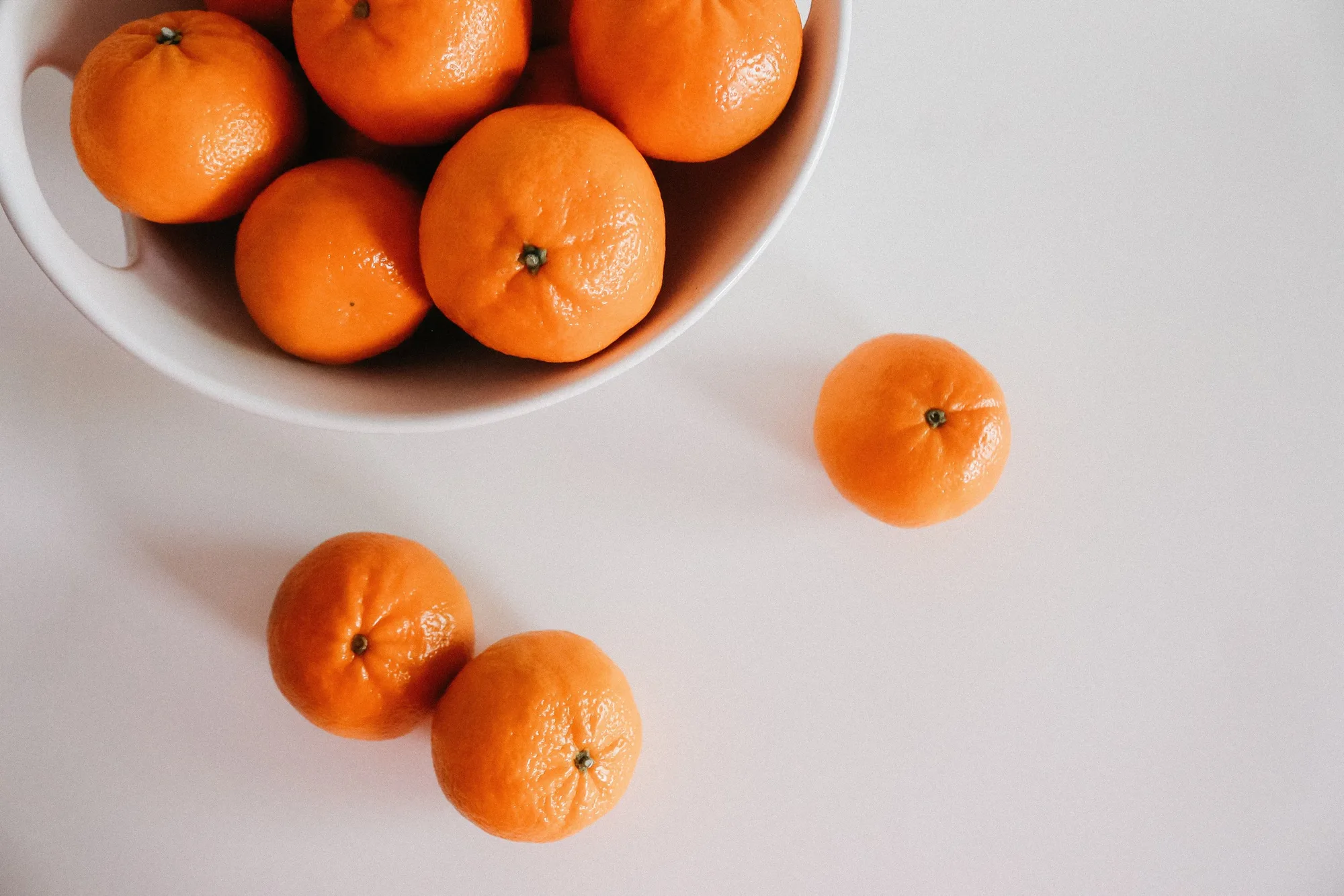
Case of Oranges
Is a case of oranges right for you?
Best for
- Households that eat oranges daily or want a ready snack for breakfast and lunch
- Offices, events, or gatherings that need bulk oranges for a crowd
- Home juicers who want a supply of sweet, juicy fruit to squeeze
Not for
- Solo shoppers who rarely finish fresh fruit before it spoils
- Anyone who needs a specific orange variety for a recipe and cannot confirm the variety before ordering