Quick answer
Choose casein when you want a slow-digesting protein to support overnight recovery or keep you full between meals. Choose whey when you need fast-absorbing protein for post-workout muscle recovery or a quick, convenient protein hit. If your goal is weight loss, either can work—casein's slower digestion may help with satiety, while whey's lower calorie-per-gram profile fits tightly controlled macros.
How digestion speed changes what each protein does
The main practical difference between casein and whey is how quickly your body absorbs them. Whey is a fast protein: it digests quickly and delivers amino acids to your muscles shortly after you drink it, which is why it's a common choice right after training. Casein is a slow-digesting protein: it forms a gel in your stomach and releases amino acids gradually over several hours, which makes it useful when you won't eat again for a while—like before bed or during a long gap between meals.
That single difference in absorption speed drives most of the decision-making. If you want to spike amino acid availability around a workout, whey is the better tool. If you want a steady drip of protein to support recovery while you sleep or to stay full during a busy afternoon, casein fits better.
Casein before bed and overnight recovery
One of the most common uses for casein is a shake before bed. Because it digests slowly, it can supply amino acids to your muscles during the overnight fast when you're not eating. If your goal is overnight recovery—especially if you train late in the day or have a long gap between dinner and breakfast—casein is the more logical choice. It also tends to be thicker and more satiating than whey, which some people find helpful for curbing late-night hunger.
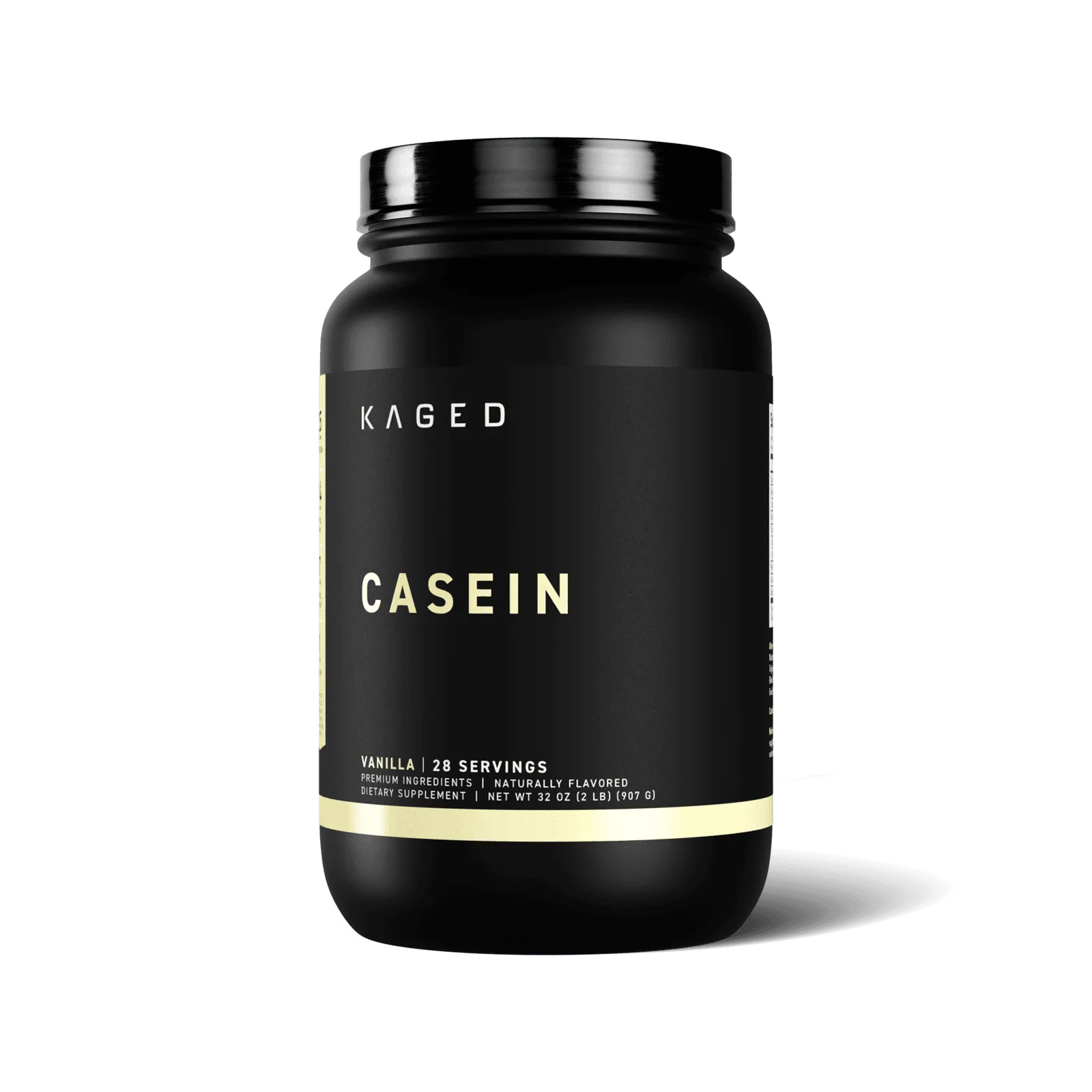
Kaged Casein is a 100% micellar isolate, slow-digesting protein. It goes through a micro-filtration process, so it contains only 1g of sugar and less than 1% lactose, and it's Informed-Sport Certified, which matters if you're a drug-tested athlete. That combination makes it a practical pick for a before-bed shake or as a daytime protein that carries you between meals.
Whey for muscle recovery and convenient daily protein
Whey's fast absorption makes it a strong fit for post-workout muscle recovery. After resistance training, you want amino acids available quickly to support repair and growth, and whey delivers that. It's also versatile: you can use it in a shaker, blend it into a smoothie, or mix it into oatmeal or yogurt to raise the protein content of a normal meal.
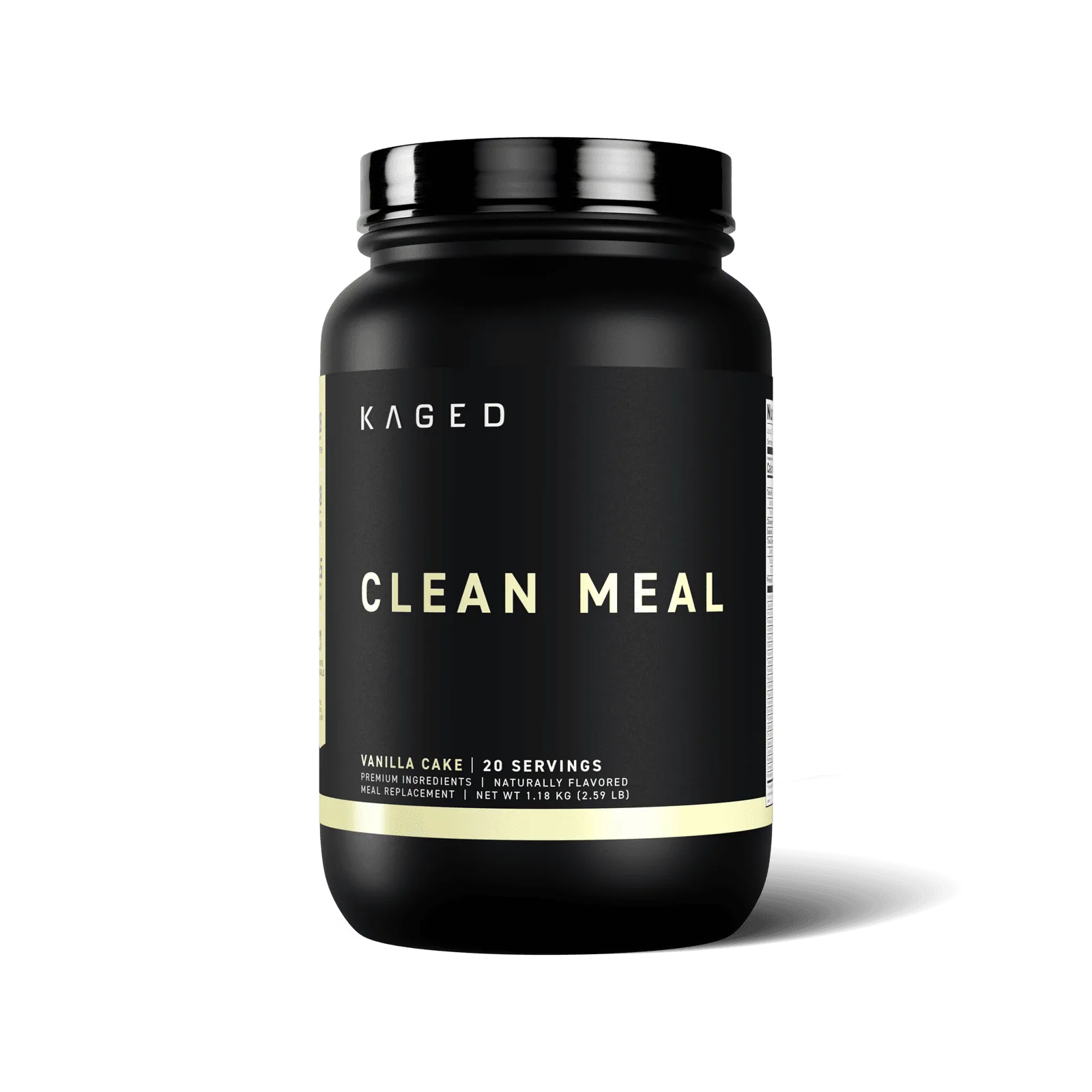
If your priority is convenience and you want a complete meal in a shake, Kaged Clean Meal is a different option worth considering. Each scoop has 28g of enhanced-absorption whey protein isolate, 18g of organic quinoa and oats, 4g of MCT oil from coconut oil, whole-food micronutrients, and 2g of sugar or less. That makes it more of a meal replacement than a pure protein powder, which can be useful when you're traveling, skipping a meal, or need something more substantial than a standard whey shake.
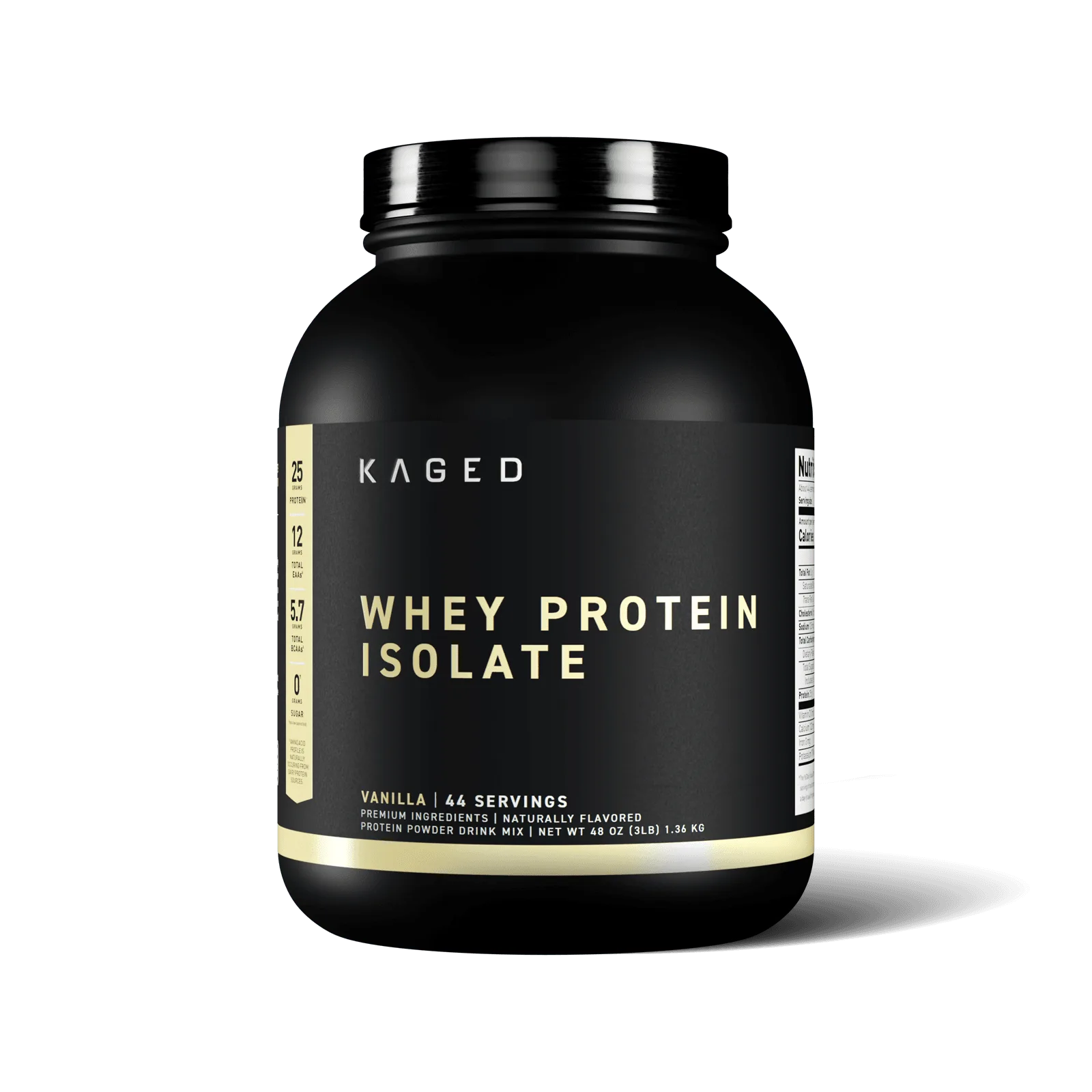
whey protein isolate
Whey vs casein for weight loss
For weight loss, the better choice depends on what you struggle with. If hunger between meals is your main challenge, casein's slow digestion and thicker texture may help you feel fuller for longer, which can make it easier to stick to a calorie deficit. If you're tracking calories closely and want the most protein for the fewest calories, whey is often the more efficient option because it's a leaner protein source.
Neither protein directly burns fat. They support weight loss by helping you hit your protein target, which preserves muscle while you're in a deficit and keeps hunger manageable. Pick the one that fits your daily routine—casein if you need staying power, whey if you need a fast, low-calorie protein hit.
Trade-offs to weigh before you buy
- Digestion speed: Whey absorbs quickly; casein digests slowly over several hours. Choose whey for post-workout; choose casein for overnight or long gaps between meals.
- Satiety vs. calorie efficiency: Casein's slow digestion and thicker texture can help you feel fuller longer. Whey is typically leaner per gram of protein. If hunger is your hurdle, casein may help. If you're counting every calorie, whey is often more efficient.
- Convenience and use case: Whey is versatile in shakes and recipes. Casein is best as a dedicated shake, especially before bed. Clean Meal adds carbs and fats for a complete meal. Match the product to the moment: quick protein, sustained protein, or a full meal replacement.
Product facts at a glance
- Casein: Kaged Casein is a 100% micellar isolate, slow-digesting protein with only 1g of sugar and less than 1% lactose, and it's Informed-Sport Certified. Slow digestion supports overnight recovery and satiety; low lactose suits people who avoid dairy; Informed-Sport certification matters for drug-tested athletes.
- Clean Meal™: Kaged Clean Meal is a meal replacement shake with 28g of enhanced-absorption whey protein isolate, 18g of organic quinoa and oats, 4g of MCT oil from coconut oil, whole-food micronutrients, and 2g of sugar or less. It provides protein plus carbs and fats in one scoop, making it a convenient option when you need a complete meal rather than a pure protein powder.
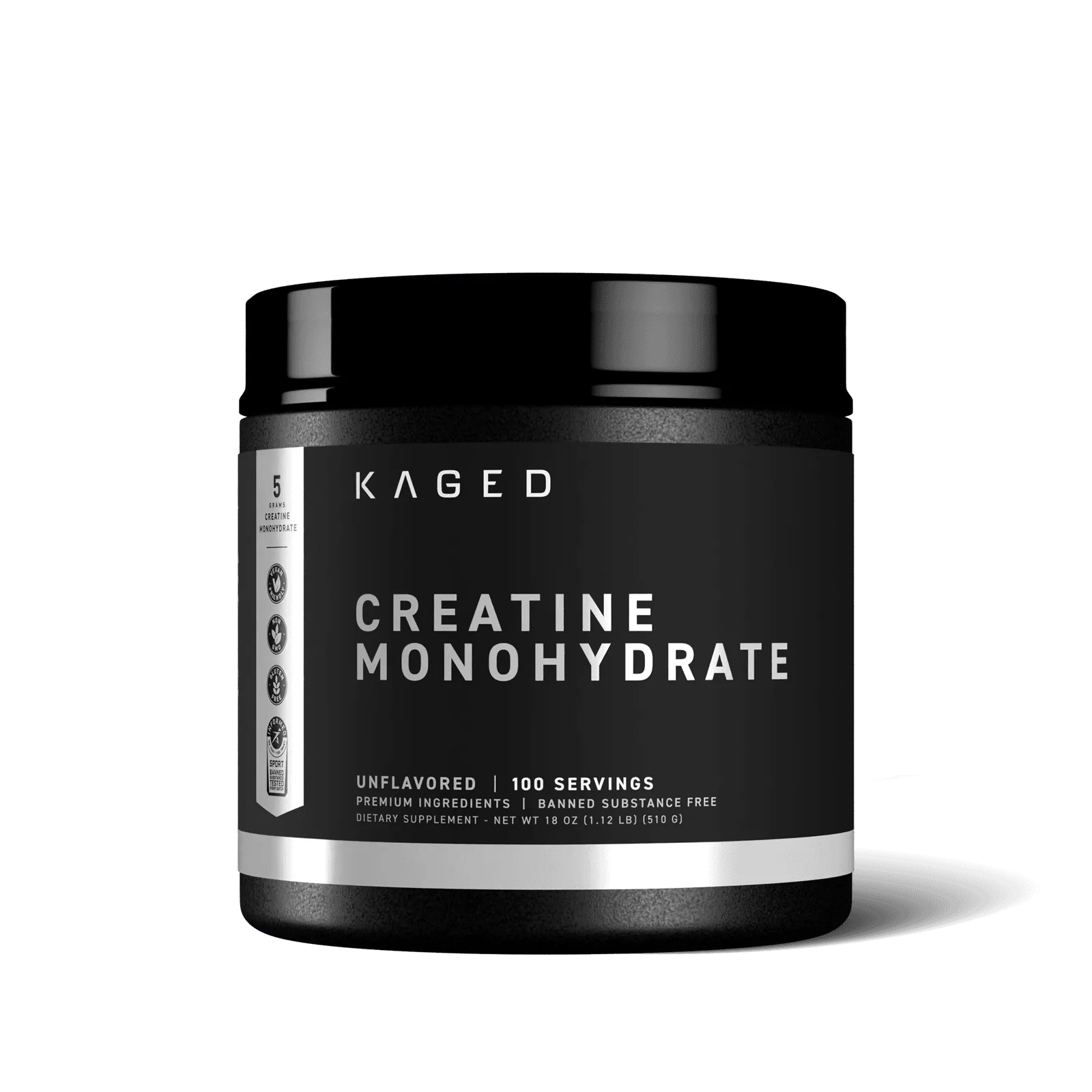
- Creatine Monohydrate: Kaged Creatine Monohydrate is third-party tested for hundreds of banned substances and uses a micronized form so it mixes easily. If you're already using protein to support muscle and strength, adding creatine is a well-researched way to build on those goals, and the micronized form is easier to mix.
Which should you choose?
Best for
- People who want overnight recovery support and a before-bed protein
- Anyone who needs a slow-digesting protein to stay full between meals
- Athletes who need Informed-Sport Certified casein
Not for
- People who want the fastest possible post-workout protein (choose whey instead)
- Anyone who dislikes thick, pudding-like shakes
- Those who need a complete meal replacement rather than a pure protein (consider Clean Meal)