Quick answer
Choose cast aluminum when you want a heavy pan that spreads heat evenly and can take high heat without a fragile coating. Choose ceramic coated cookware when you want easy release, lighter handling, and less oil for eggs, vegetables, and quick sautés. If you cook a mix of both, buy one heavy cast aluminum piece for searing and one or two ceramic coated pans for daily nonstick tasks.
Heat conductivity: why cast aluminum feels steadier
Cast aluminum is formed as one thick piece, so heat moves through the pan body and spreads across the cooking surface instead of concentrating in one hot ring. That mass also holds heat when food goes in, which is why cast aluminum is often chosen for searing meat, toasting spices, and cooking at higher stovetop temperatures. The trade-off is weight and slower changes in temperature: the pan takes longer to heat up and longer to cool down, and you need a firm grip when tossing or plating.
Ceramic coated cookware: release and cleanup first
Ceramic coated pans put the performance in the surface rather than the pan body. The coating is designed for effortless release and easy cleanup, so you can fry eggs, sauté vegetables, or prepare single servings with less oil or butter. The coating is the part that needs care: avoid metal utensils and sudden temperature shocks, and expect the release to matter more than raw searing power. Nordic Ware's ceramic coated line includes compact and family-size options, so you can match the pan to the portion rather than forcing one pan to do everything.
Weight, storage, and everyday handling
Cast aluminum is usually the heavier choice, which can be an advantage when you want the pan to stay put on the burner but a drawback if you store pans overhead, move them often, or have wrist or grip limitations. Ceramic coated pans are generally easier to lift and maneuver, especially in smaller diameters, which makes them a practical pick for single servings, small kitchens, and cooks who prefer lighter cookware. Before buying, measure your cabinet and your burner: a 12-inch pan needs a wide burner and a place to live, while an 8-inch pan fits tighter spaces and smaller portions.
Care rules that decide how long each pan lasts
Cast aluminum rewards preheating and steady heat, but it still needs hand washing and thorough drying to avoid surface damage over time. Ceramic coated cookware needs gentler treatment: let the pan cool before washing, use soft sponges, and skip abrasive cleaners that wear down the release surface. With either material, match the utensil to the coating and avoid stacking pans without a protective layer between them.
Decision rules for choosing between cast aluminum and ceramic coated
- If you sear at high heat: Pick cast aluminum for its heat-holding mass and even spread across the cooking surface. Choose ceramic coated only if release and cleanup matter more than a hard sear.
- If you cook eggs, fish, or vegetables daily: Pick ceramic coated cookware for its nonstick release and reduced need for oil or butter. Keep a separate heavy pan for high-heat searing so the coating stays intact.
- If lifting and storing pans is a concern: Compare the actual weight and diameter before buying; smaller ceramic coated pans are easier to maneuver in tight kitchens. Measure your burner and cabinet first, then choose the largest pan you can handle comfortably.
- If you want one pan for most meals: A 12-inch ceramic coated skillet covers family-size sautéing and searing, while an 8-inch pan handles eggs and single servings. Buy the size that matches your typical batch, not the largest pan on the shelf.
Nordic Ware options that fit these decision rules
- Cardamom™ 8" Nonstick Frying Pan with Lid | Ceramic Coated Cookware: The Nordic Ware Cardamom 8-inch Nonstick Frying Pan with Lid has a ceramic coated surface designed for effortless cooking and easy cleanup, an 8-inch diameter, and a matching lid for versatile stovetop use. The small diameter and lid make it a strong fit for eggs, single servings, and covered simmering when you want ceramic release without a large pan.
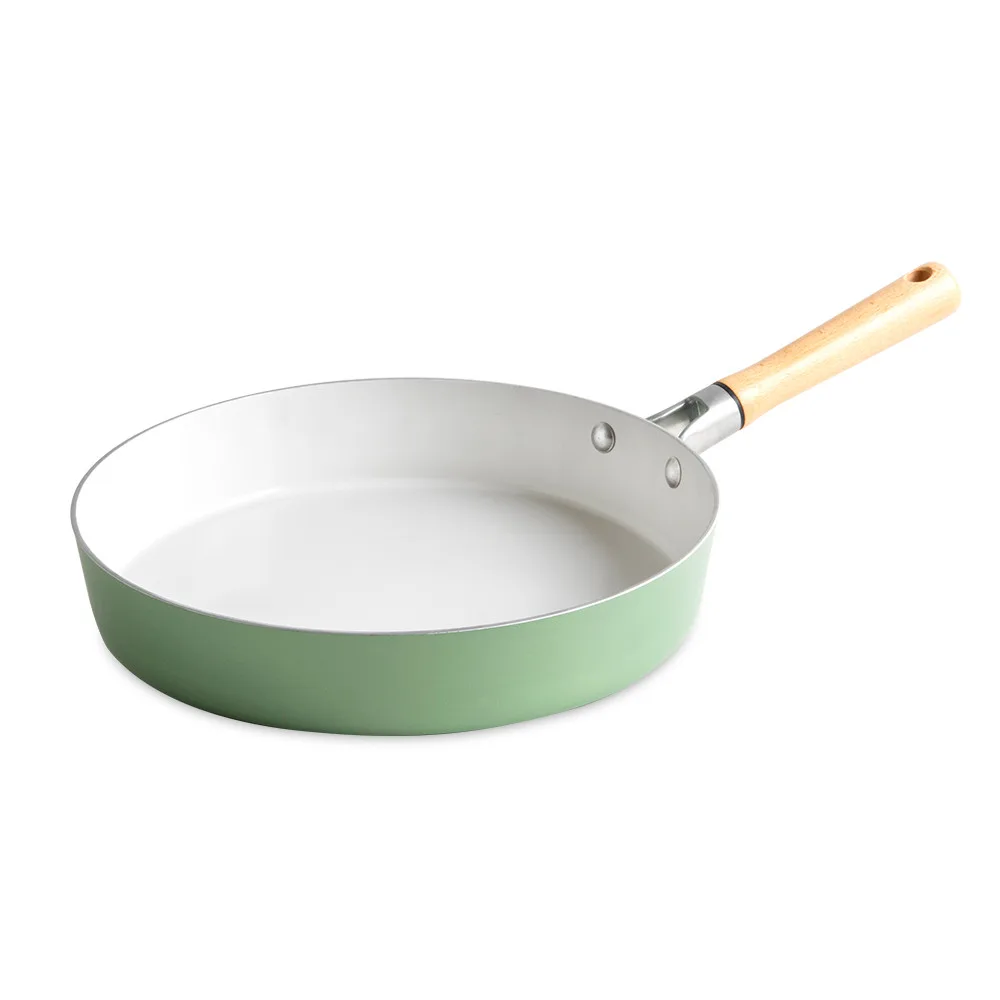
- Verde 8 Inch Ceramic Nonstick Skillet Pan | Ceramic Coated Cookware: The Verde 8 Inch Ceramic Nonstick Skillet Pan is a ceramic coated pan in the Kitchen category. A second 8-inch ceramic option gives you a lower-cost way to test whether ceramic release suits your daily cooking before investing in a larger piece.
- Cardamom™ Ceramic Nonstick 12 Inch Skillet | Ceramic Coated Cookware: The Nordic Ware Cardamom Ceramic Nonstick 12 Inch Skillet offers a 12-inch diameter, a ceramic nonstick coating, and a generous cooking area for family meals from searing to sautéing. The 12-inch size is the practical choice when you need ceramic release for larger batches, but it requires a wide burner and more storage space.
Who should buy which
Best for
- Cooks who want lighter pans and easy release for eggs, vegetables, and quick sautés
- Small households or single cooks who need an 8-inch pan with a lid
- Families who want a 12-inch ceramic coated skillet for larger batches
Not for
- Cooks who need maximum searing heat and heat retention from a heavy cast aluminum pan
- Anyone who uses metal utensils or abrasive cleaners on a coated surface
- Buyers who cannot store or lift a large 12-inch pan safely