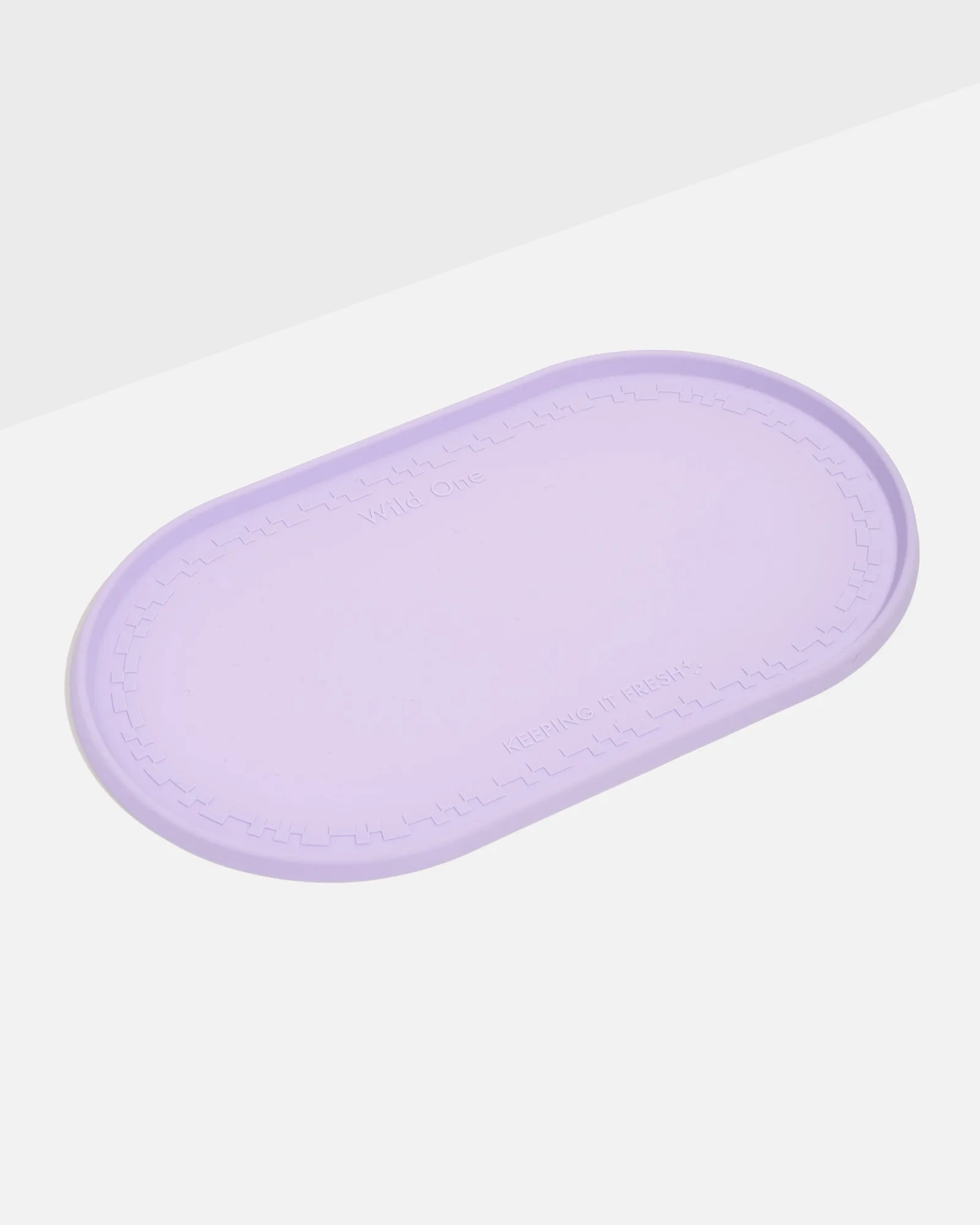
If you share your home with a cat, you know that mealtime can get messy. From scattered kibble to water splashes, the area around your cat's bowls often ends up dirty, requiring constant cleaning. A simple solution that many cat owners overlook is the placemat-293796">cat placemat. This practical accessory not only keeps your floors clean but also enhances your cat's dining experience.
In this guide, we'll explore why every cat owner should consider adding a placemat to their cat feeding area, how to choose the right one, and how to use it effectively. By the end, you'll see how a small investment can make a big difference in your daily routine and your cat's well-being.
Why Use a Cat Placemat?
A cat placemat, also known as a cat feeding mat or cat bowl mat, serves multiple purposes. First and foremost, it catches food and water spills, protecting your floors from stains and damage. Whether you have hardwood, tile, or carpet, a placemat creates a barrier that is easy to clean. Simply wipe it down or toss it in the washing machine, and your feeding area stays fresh.
Beyond cleanliness, a placemat can also help with cat mess prevention. Many cats are messy eaters by nature, pushing food out of their bowls or dropping kibble as they eat. A placemat confines the mess to a designated area, making cleanup a breeze. Additionally, some placemats have raised edges that contain spills even better, ensuring that water and food stay put.
Using a placemat also defines a specific feeding area for your cat, which can help with training and routine. Cats are creatures of habit, and having a consistent spot for meals can reduce anxiety and promote healthy eating habits. It also protects your floors from scratches caused by sliding bowls, keeping them in good condition.
- Choose a placemat with raised edges to contain spills and messes effectively.
- Look for non-slip backing to keep the mat in place while your cat eats.
How to Choose the Right Cat Feeding Mat
When selecting a cat placemat, consider the material, size, and design. Silicone mats are popular because they are waterproof, easy to clean, and durable. They come in various colors and patterns, allowing you to match your home décor. Another option is fabric mats, which are soft and absorbent, but they may require more frequent washing.
Size matters. The mat should be large enough to accommodate your cat's bowls and provide extra space for spills. A mat that is too small will not be effective, while one that is too large may be cumbersome. Measure the area where you plan to place the mat and choose accordingly.
Also, think about the style. Some mats have a single flat surface, while others feature a raised rim or a built-in scoop for collecting crumbs. Consider your cat's eating habits and your cleaning preferences. If your cat tends to fling food, a mat with raised edges is a must.
- Measure your cat's bowls before purchasing a mat to ensure a proper fit.
- Opt for a mat with a non-slip bottom to prevent sliding and bunching.
How to Use a Cat Placemat Effectively
Using a cat placemat is straightforward, but a few tips can maximize its benefits. Place the mat on a flat, stable surface where your cat usually eats. Ensure that the bowls sit securely on the mat, and that the mat itself does not slide around. If your mat has a non-slip backing, it should stay in place without extra effort.
Clean the mat regularly. For silicone mats, a quick rinse with warm soapy water or a wipe-down with a damp cloth is sufficient. For fabric mats, follow the manufacturer's instructions for washing. Keeping the mat clean prevents bacteria buildup and keeps the feeding area hygienic for your cat.
Consider pairing your placemat with other feeding accessories, such as a slow feeder bowl or a raised bowl stand, to enhance your cat's dining experience. A placemat can also be used under water fountains or multiple bowls, providing a cohesive and tidy setup.
- Clean the mat at least once a week to maintain hygiene.
- If you have multiple cats, use separate mats to prevent resource guarding.
Integrating a Placemat into Your Cat's Routine
Introducing a new placemat to your cat is usually easy, as most cats are curious and will investigate new objects. Place the mat in the same spot as the old feeding area, and your cat will likely adapt quickly. If your cat is hesitant, try placing a treat on the mat to create a positive association.
A placemat can also be part of a broader feeding station setup. For example, you can combine it with a high-quality bowl like the Dog Bowl from Wildone, which is designed for durability and ease of cleaning. Pairing a placemat with a proper bowl ensures that both food and water stay contained, reducing the chance of messes.
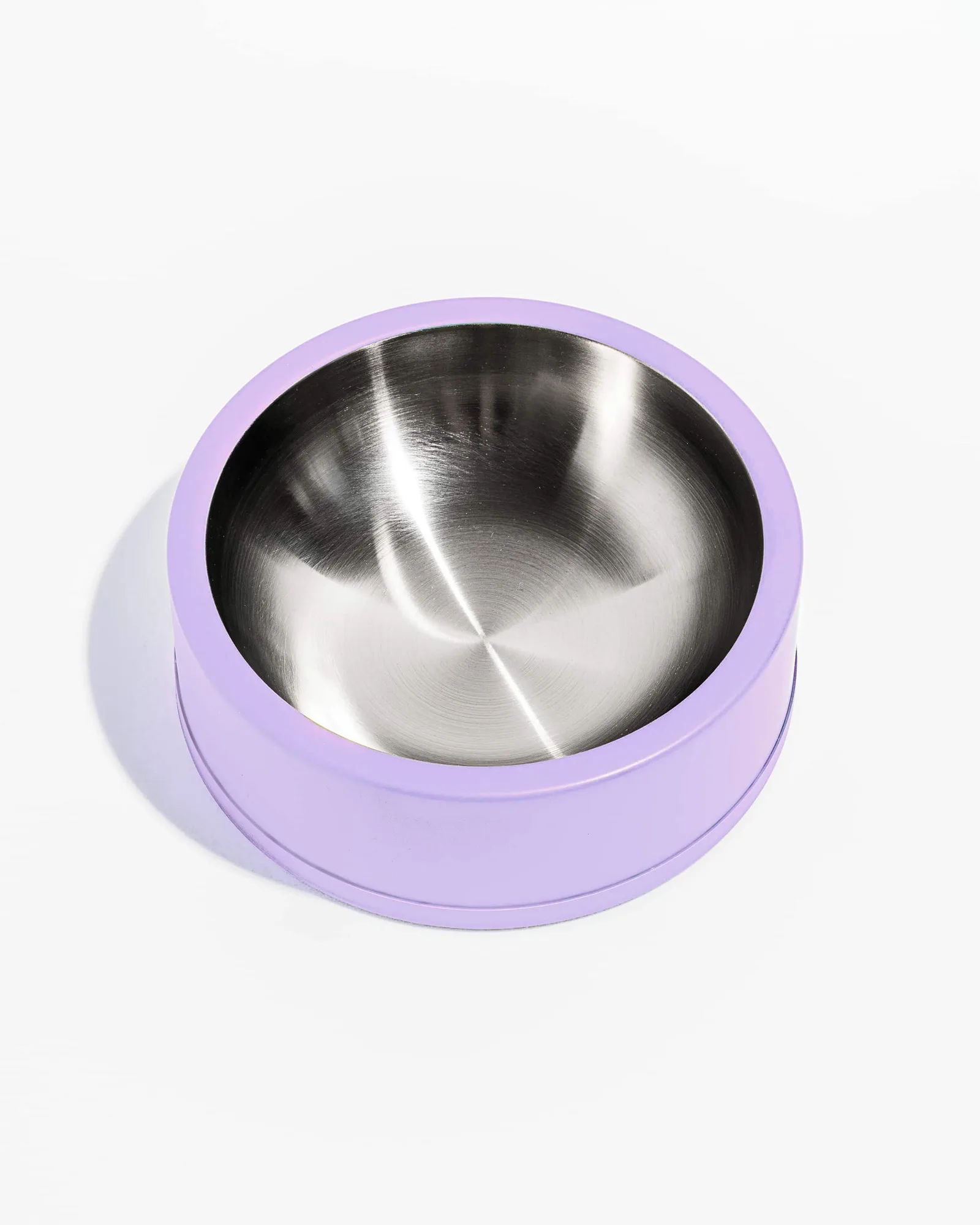
Dog Bowl
Remember that a placemat is not just for cats that are messy eaters. Even well-behaved cats can benefit from a dedicated feeding area that is easy to maintain. It's a simple addition that can make your life easier and keep your home cleaner.
- Place the mat in a low-traffic area to give your cat peace during meals.
- Use a mat that complements your home's aesthetic for a seamless look.
A cat placemat is a small investment that yields significant benefits in cleanliness, convenience, and your cat's comfort. By choosing the right mat and using it consistently, you can keep your feeding area tidy and reduce the time you spend cleaning up after meals. For a complete feeding setup, consider pairing your placemat with a reliable bowl like the Dog Bowl from Wildone, designed to meet your pet's needs. Explore our collection today to find the perfect accessories for your furry friend.