Quick Answer
If your cat eats too quickly, vomits after meals, or seems unsatisfied, a slow feeder is likely the better choice. For cats that eat at a normal pace, a regular bowl is simpler and easier to clean. Consider your cat's specific eating habits and health needs when deciding.
Cats have very different eating styles. Some nibble slowly throughout the day, while others wolf down their food in seconds. If your cat is in the second group, you might be wondering whether a slow feeder or a regular bowl is the right call. The answer depends on your cat's eating speed, digestion, and overall health.
In this comparison, we'll look at the key differences between cat slow feeders and regular bowls, the trade-offs of each, and how to match the right option to your cat's needs. We'll also highlight a couple of Wildone products that can help keep mealtime clean and comfortable.
How Eating Speed Affects Your Cat's Health
When cats eat too fast, they often swallow air along with their food, which can lead to bloating, gas, and even vomiting. Rapid eating can also cause stomach upset and discomfort. Over time, eating too quickly may contribute to obesity if your cat overeats before the brain registers fullness.
A slow feeder is designed to make your cat work a little harder for its food, naturally slowing down the pace. This can help reduce the risk of digestive issues and promote a more satisfying meal experience. However, not every cat needs this intervention, and some may even get frustrated by the challenge.
Regular Bowls: Simplicity and Convenience
A regular cat bowl is straightforward: pour the food, let your cat eat, and wash the bowl. It's easy to clean, easy to store, and often more affordable. For cats that eat at a normal pace, a regular bowl is perfectly fine and doesn't add unnecessary complexity to mealtime.
The downside is that a regular bowl offers no protection against fast eating. If your cat is a gulper, a regular bowl may not be the best choice for its health. Additionally, some bowls can slide around or tip over, adding mess and stress to feeding time.
Slow Feeders: Benefits and Considerations
Slow feeders come in various designs, such as mazes, ridges, or puzzle-like patterns. They encourage your cat to eat more slowly, which can improve digestion and reduce the chance of vomiting. Many pet parents also find that slow feeders provide mental stimulation, making mealtime more enriching.
However, slow feeders can be harder to clean, especially if they have intricate patterns. Some cats may become frustrated if the feeder is too challenging, leading to refusal to eat. It's important to monitor your cat's response and adjust if needed.
Making the Right Choice for Your Cat
Start by observing your cat's eating habits. Does it finish a meal in under a minute? Does it vomit after eating? If yes, a slow feeder is worth trying. If your cat eats at a relaxed pace and shows no signs of digestive distress, a regular bowl is likely sufficient.
When choosing a slow feeder, look for one that is the right size and difficulty level for your cat. Some cats adapt quickly, while others need a gentler introduction. You can also use a combination: offer a slow feeder for wet food and a regular bowl for dry food, or vice versa, depending on your cat's preferences.
Trade-offs at a Glance
- Slower eating: Slow feeders extend mealtime, reducing the risk of vomiting and digestive upset. Best for cats that gulp their food.
- Cleaning effort: Slow feeders with intricate designs can be harder to clean than a simple bowl. Consider your willingness to clean thoroughly.
- Cat's temperament: Some cats may find slow feeders frustrating and refuse to eat. Monitor your cat's reaction and adjust if needed.
Products That Support Healthy Feeding
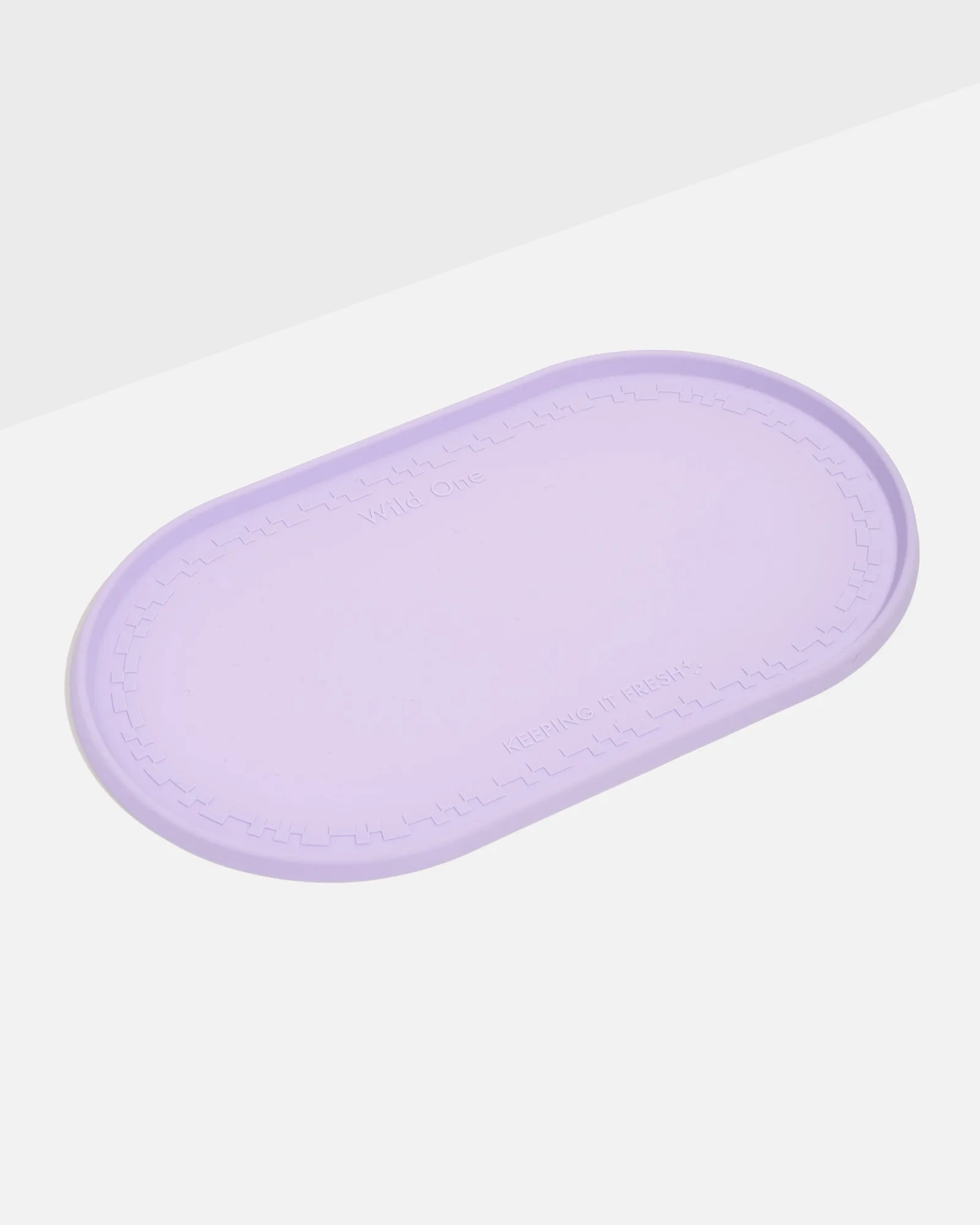
- placemat-293796">Cat Placemat: Keep your floors clean with this non-slip silicone cat feeding mat. Designed with a raised edge to contain spills and messes, it provides a stable surface for food and water bowls. Made from food-safe, non-toxic materials, it’s easy to clean and perfectly sized for two cat bowls. Whether you choose a slow feeder or a regular bowl, a placemat helps keep the feeding area tidy and prevents bowls from sliding, which is especially useful if your cat eats enthusiastically.
- Bowl Kit: Double up & save on our timelessly simple, non-slip Dog Bowls. The Kit includes two 32 oz. Dog Bowls made of food-grade, dishwasher safe stainless steel, scooped to ensure that no food is left behind. Personalize your Bowl Kit with up to 18 characters and 4 custom emojis on each Bowl. While designed for dogs, these durable stainless steel bowls are also suitable for cats and offer a non-slip base that can help reduce mess during mealtime. They are easy to clean and can be used as regular bowls for cats that don't need slow feeding.
How to Choose
Best for
- Cats that eat too quickly and show signs of digestive discomfort
- Pet parents who want to add mental stimulation to mealtime
Not for
- Cats that eat at a normal pace and have no health issues
- Pet parents who prefer minimal cleaning and simple feeding routines
Ultimately, the choice between a cat slow feeder and a regular bowl comes down to your cat's individual needs. If you're dealing with fast eating and related health concerns, a slow feeder is a smart investment. If your cat is fine with a regular bowl, there's no need to change. Whichever you choose, a non-slip placemat can make feeding time cleaner and more enjoyable for both of you.