Quick answer
Start with a cat toothpaste kit or a gel formula your cat accepts, and begin by letting them lick a small amount from your finger before introducing a brush. Brush gently along the gum line once a day, and keep sessions short and positive.
Why toothpaste type matters for cats
Cats are often sensitive to texture and taste, so the toothpaste you choose can make or break the routine. A kit that includes a brush and a flavored paste, such as fish or poultry, can help your cat associate brushing with something pleasant. Gels are an alternative for cats that resist a brush, but they still need to be applied to the teeth and gums. Always check with your vet before starting any new dental product, especially if your cat has existing dental issues.
When to skip brushing and see a vet
If your cat shows signs of pain, bleeding gums, or severely discolored teeth, do not attempt to brush at home. These can indicate dental disease that needs professional treatment. Your vet can advise whether a particular toothpaste or gel is suitable for your cat's condition.
Step-by-step: Starting a cat brushing routine
- Choose a cat-safe toothpaste: Pick a toothpaste formulated for cats, such as a fish-flavoured kit or poultry-flavoured paste. Never use human toothpaste, as it can be toxic to cats. Check the label for cat-specific ingredients.
- Let your cat taste the toothpaste: Place a small amount on your finger and let your cat lick it. This builds a positive association before you introduce a brush. If your cat refuses the taste, try a different flavour before brushing.
- Introduce the brush gradually: Use a finger brush or a soft cat toothbrush. Start by gently rubbing the brush along the outside of the teeth and gums for a few seconds. Keep initial sessions under 10 seconds and reward with praise.
- Brush along the gum line: Aim to brush the outer surfaces of the teeth where plaque accumulates most. Use gentle circular motions and focus on the gum line. Do not force the brush; if your cat pulls away, stop and try again later.
- Build up to daily brushing: Gradually increase duration to about 30 seconds per side. Consistency matters more than duration, so aim for once a day if possible. Skipping days is okay, but try to brush at least a few times a week.
- Check for problems and consult your vet: After brushing, look for redness, bleeding, or bad breath. If you notice any issues, stop brushing and seek veterinary advice. Regular vet check-ups are essential for cat dental health.
Product facts
-
Toothpaste Kit For Cats: Toothpaste Kit For Cats comes in fish flavour and includes brushing supplies. A complete kit gives you the basics to start a routine without buying items separately.
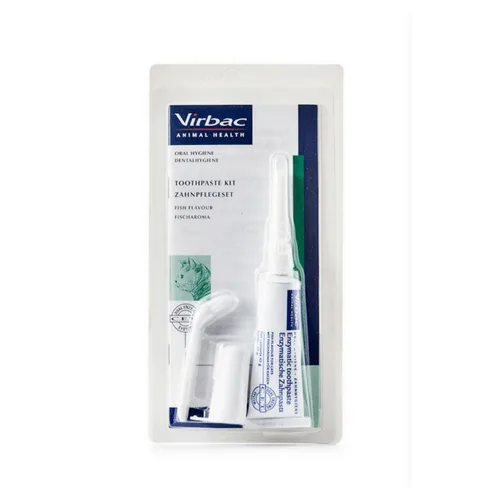
Toothpaste Kit For Cats
-
Petosan Toothpaste for Cats: Petosan Toothpaste for Cats has a poultry flavour and is designed for regular brushing. The tasty flavour can help make brushing a more positive experience for your cat.

Petosan Toothpaste for Cats