When it comes to stopping severe bleeding, the CAT tourniquet is a household name among first responders and outdoor enthusiasts. But My Medic offers a range of bleeding control tools that complement or even replace a tourniquet in certain situations. In this comparison, we'll pit the CAT tourniquet against My Medic's hemostatic dressings, wound closure devices, and other tools to help you decide what belongs in your kit.
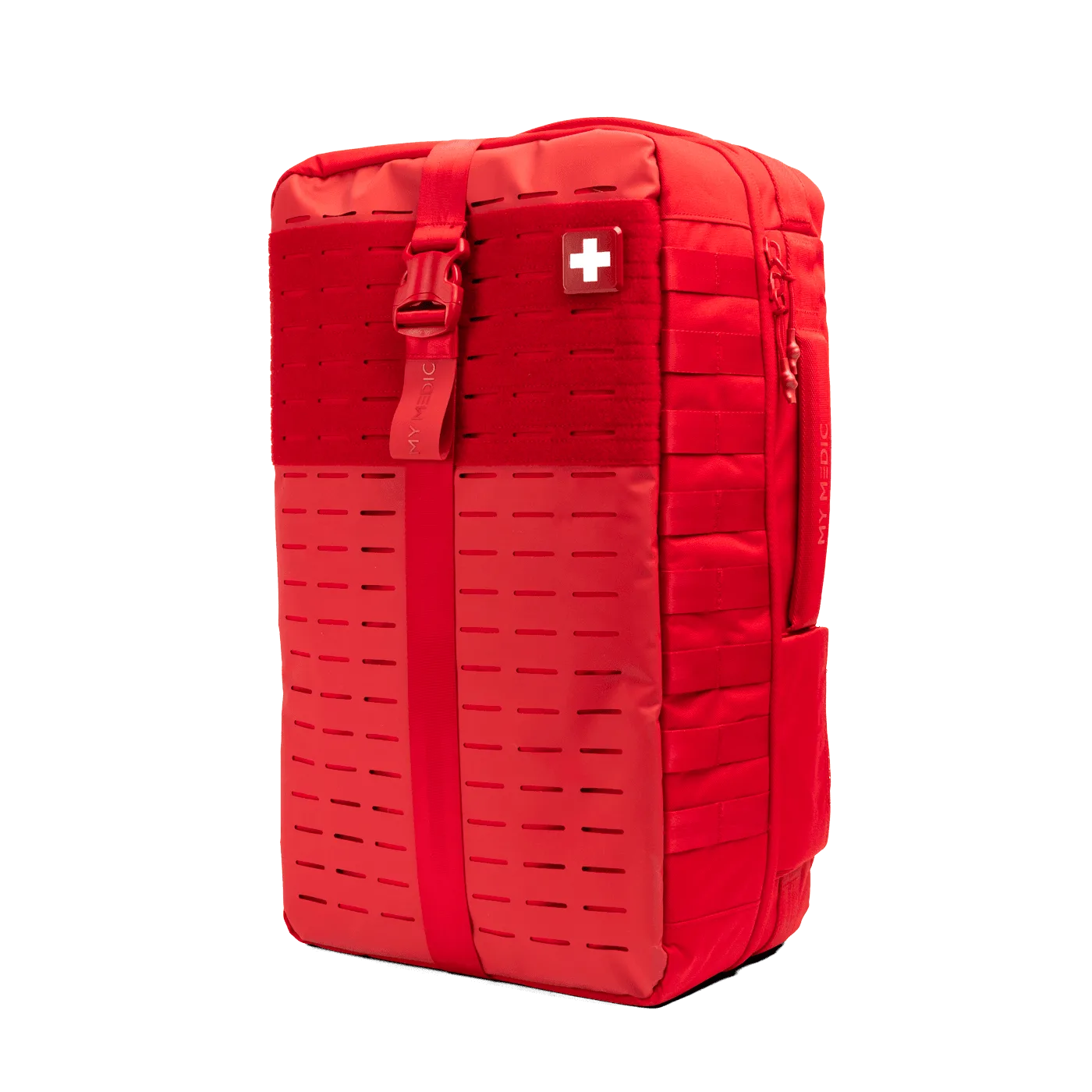
Medic
Understanding the strengths and limitations of each tool is crucial for effective emergency response. While a tourniquet is designed for life-threatening limb bleeds, other tools like hemostatic agents and pressure dressings work better for wounds on the torso or head. We'll break down the scenarios, pros, and cons so you can build a well-rounded first aid kit.
The CAT Tourniquet: Gold Standard for Limb Bleeds
The Combat Application Tourniquet (CAT) is widely used by military and civilian responders to stop arterial bleeding from arms and legs. Its windlass system allows for effective tightening, and it can be applied with one hand, making it ideal for self-aid. The CAT is lightweight, durable, and proven in combat situations.
However, a tourniquet is not suitable for all bleeding. It should only be used on extremities, and prolonged use can lead to tissue damage. That's why it's essential to pair a tourniquet with other tools that address different types of wounds.
- Effective for severe limb bleeds
- One-handed application
- Must be used correctly to avoid complications
My Medic's Hemostatic and Pressure Tools
My Medic offers several tools that work well alongside or instead of a tourniquet. For example, the Burn Pump Spray is designed for burn care but also helps cool and clean wounds, reducing infection risk. While not a direct bleeding control tool, it's a valuable addition to any trauma kit.
For wound closure and bleeding control, the Suture Removal Kit and Hemostat Curved 5.5" are useful for managing wounds after bleeding is stopped. A hemostat can clamp blood vessels, and the suture kit allows for temporary closure. These tools are more advanced and require training but are invaluable in prolonged field care.
- Burn Pump Spray for cooling and cleaning burns
- Suture Removal Kit for wound closure after bleeding stops
- Hemostat Curved 5.5" for clamping vessels
CAT vs. Hemostatic Agents: When to Use Each
Hemostatic dressings, such as those containing kaolin or chitosan, promote rapid clotting and are effective for wounds not amenable to tourniquets, like those on the torso or neck. While My Medic doesn't specifically list a hemostatic dressing in this product set, the concept is important. For severe bleeding, a tourniquet is the first line for limbs, but hemostatic agents can be used for junctional areas where a tourniquet can't be applied.
In practice, many first aid kits include both a tourniquet and hemostatic dressing. The CAT is fast and effective, but hemostatic agents can be used on multiple wound types. If you're building a kit, consider both options.
- Tourniquet for limbs, hemostatic for torso/head
- Hemostatic agents require less training than tourniquets
- Combine both for comprehensive coverage
My Medic's Wound Closure and Extraction Tools
Beyond bleeding control, My Medic offers tools like Tweezers for removing debris and splinters, which helps prevent infection. The Blister MOD is a specialized module for blister care, preventing further injury during long hikes. These tools don't stop severe bleeding but are essential for minor wound management.
For more serious wounds, the Suture Removal Kit and Hemostat Curved 5.5" are advanced options. In a comparison, these tools are not direct alternatives to a tourniquet but serve different phases of wound care. A tourniquet stops the bleed; a hemostat and suture kit help close the wound.
- Tweezers for debris removal
- Blister MOD for foot care
- Suture Removal Kit for closing wounds after bleeding control
Building a Balanced Bleeding Control Kit
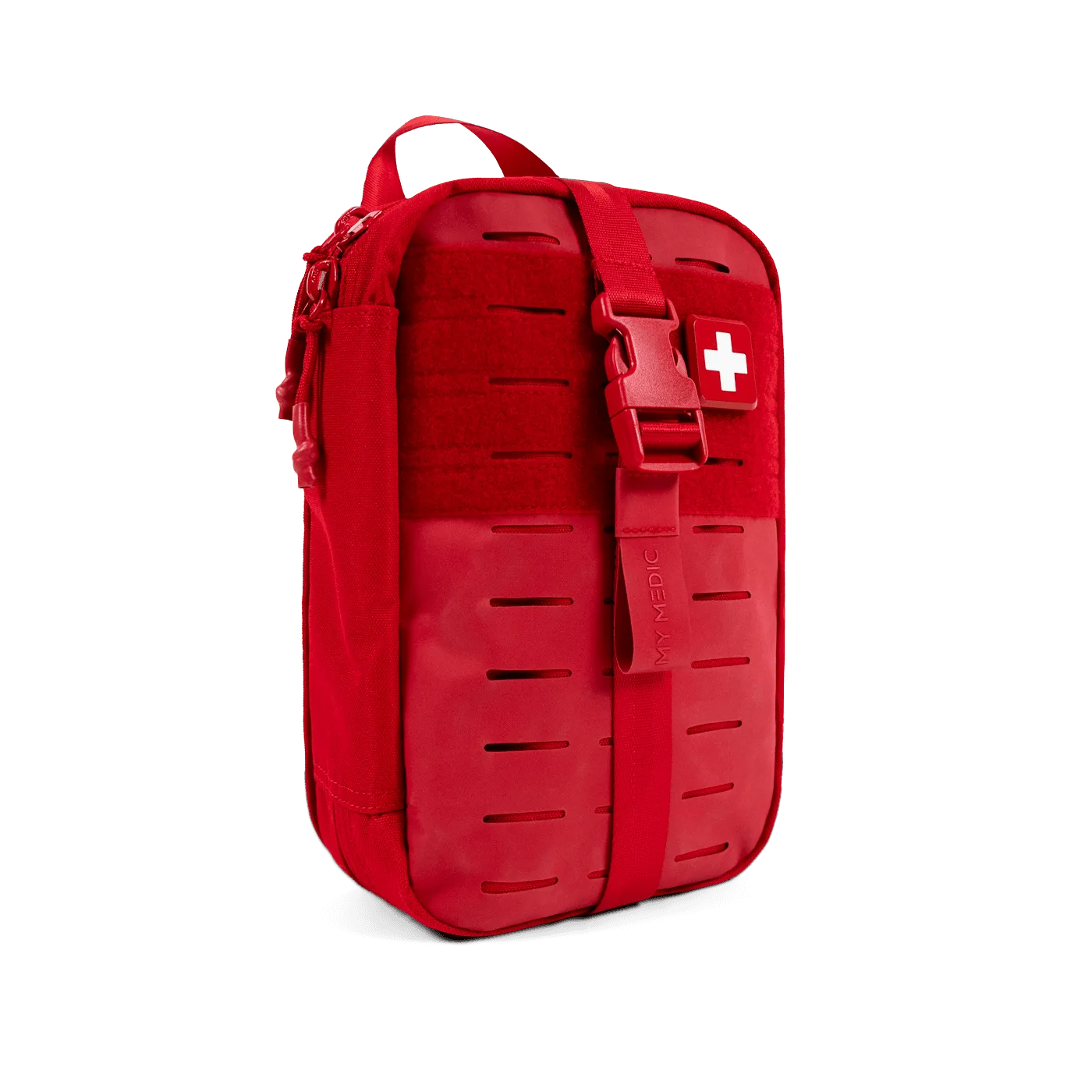
So, which is better? The answer depends on your scenario. For a hiking trip, a tourniquet like the CAT is a must-have for severe limb injuries. But you also need tools for other emergencies. My Medic's kits, such as the Scout, come with a variety of tools, including a tourniquet, hemostatic dressings, and wound closure items.
If you're customizing your own kit, consider adding a CAT tourniquet, hemostatic dressing, and a Suture Removal Kit. Also, don't forget the basics like Tweezers and a Blister MOD. A comprehensive kit covers all bases.
- Include a tourniquet for severe limb bleeds
- Add hemostatic dressings for non-limb wounds
- Don't overlook wound closure and minor care tools
In the battle of CAT tourniquet vs. other tools, there's no single winner. Each tool serves a unique purpose in bleeding control. For severe limb bleeds, the CAT is unmatched. For other wounds, My Medic's range of tools ensures you're prepared. Explore the Scout kit to get a comprehensive set of bleeding control tools.