Quick answer
For most homes and small offices, Cat6 is the right cable. It supports up to 10 Gbit/s at shorter runs and is far cheaper and easier to terminate than Cat8. Choose Cat8 only when you need its higher bandwidth ceiling, stricter shielding, and very short runs in a rack or data-center environment. If you are wiring a gaming PC across a room, a shielded Cat6 patch cable is usually the better value.
Speed and distance: what each cable actually delivers
Cat6 is rated for 10 Gbit/s, but that speed is only guaranteed up to roughly 55 metres when you are pushing 10GBASE-T. At 1 Gbit/s, Cat6 handles the full 100 metres. Cat8 raises the ceiling to 40 Gbit/s, but the standard limits that speed to runs of about 30 metres. That short distance limit is the single biggest reason Cat8 is rarely the right answer for whole-building wiring. If your cable run is longer than 30 metres, Cat8 cannot deliver its headline speed, so you are paying a premium for nothing.
Shielding and connector reality
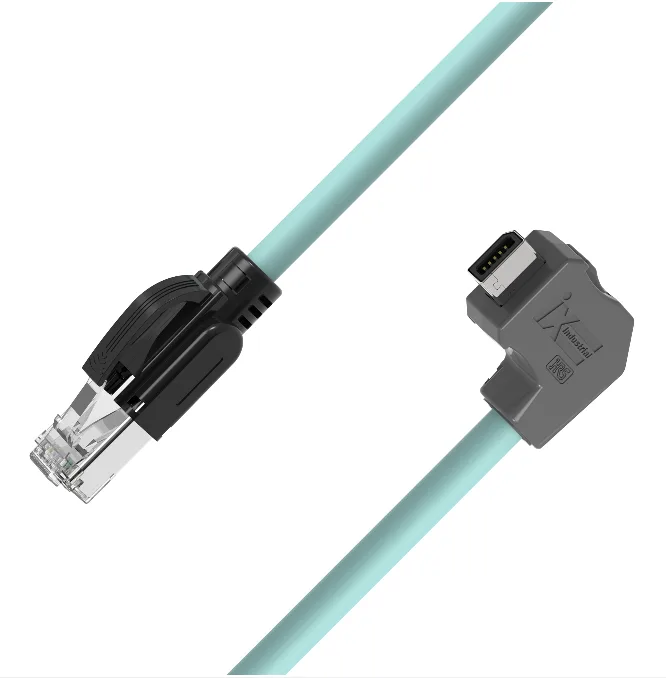
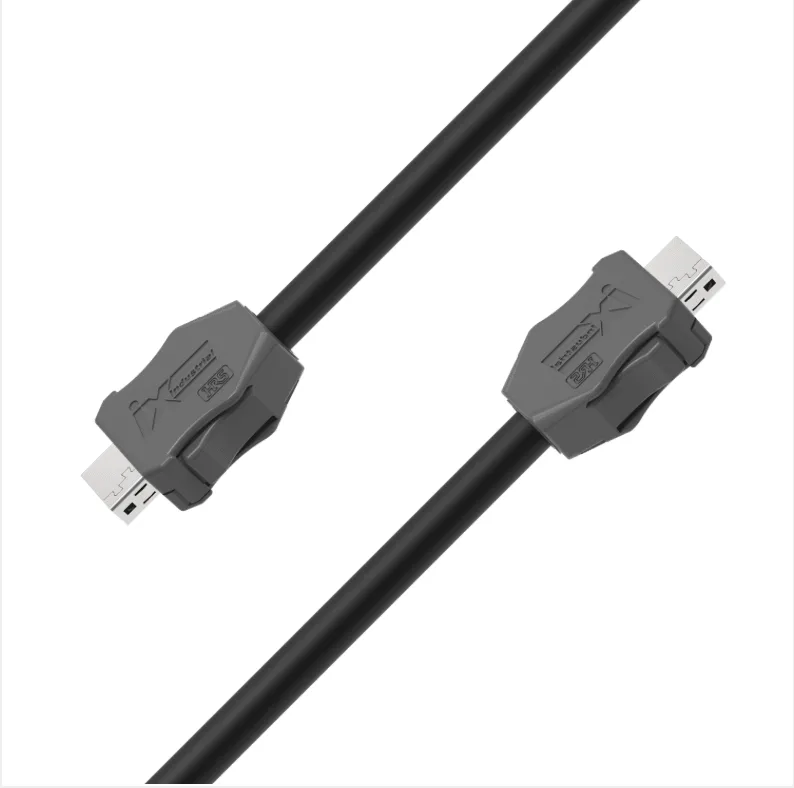
Cat8 is always shielded, usually with S/FTP construction, and it often uses different connector types than the RJ45 plugs most people expect. That matters because a shielded cable only helps if the whole path is grounded correctly. In a home or small office, a shielded Cat6 patch cable gives you most of the noise protection without the grounding headaches. If you are working in a compact industrial enclosure, an IX Industrial connector can be a better fit than either traditional RJ45 option. The IX Industrial CAT6A shielded cable from Innov8 Wholesale uses an A-key straight connector on both ends and supports up to 10 Gbit/s in a space-saving form factor. For a mixed setup where one end needs a standard RJ45 plug, the IX A-key upward-angled to RJ45 version is a practical alternative.
Cost, flexibility, and future-proofing
Cat8 cable costs more per metre, is stiffer, and has a larger bend radius, which makes it harder to route through tight walls or around corners. Cat6 is flexible, widely available, and cheap enough to replace if your needs change. The honest trade-off is this: Cat8 buys you bandwidth you probably cannot use in a home or office, while Cat6 buys you enough speed for nearly every current device. Unless you are running a short backbone between switches in a rack, put the money into a quality shielded Cat6 cable instead.
Trade-offs at a glance
- Cat6 speed vs distance: 10 Gbit/s up to about 55 m; 1 Gbit/s up to 100 m. Fine for almost all home and office runs.
- Cat8 speed vs distance: 40 Gbit/s but only up to about 30 m. Only worth it for very short, high-bandwidth links.
- Shielding and connectors: Cat8 is always shielded and may use non-RJ45 connectors; Cat6 can be shielded or unshielded with standard RJ45. Match the connector to your equipment, not the other way around.
Product facts
- IX Industrial CAT6A Shielded Ethernet Cable, IX A-Key Straight to IX A-Key Straight, PUR Jacket: IX Industrial CAT6A shielded Ethernet cable with straight IX A-Key connectors on both ends, supporting up to 10 Gbit/s. A space-saving option for compact industrial equipment where a standard RJ45 plug will not fit.
- IX Industrial CAT6A Shielded TPE Teal Ethernet Cable – IX A-Key Upward Angled to RJ45 Male: IX Industrial CAT6A shielded cable with an upward-angled IX A-Key connector on one end and an RJ45 male plug on the other, supporting up to 10 Gbit/s. Useful when you need to connect a compact industrial device to standard RJ45 networking gear.
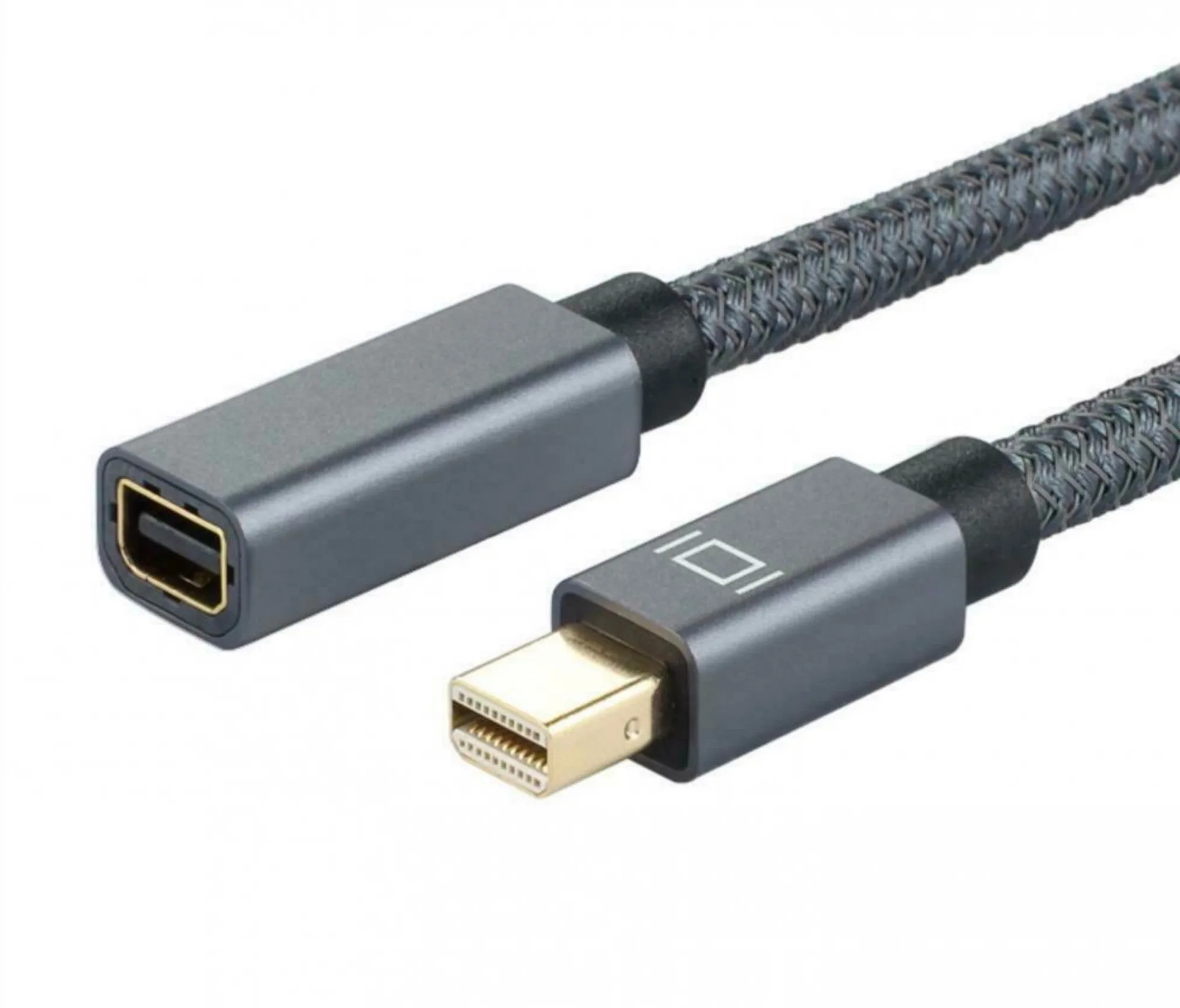
- Mini DisplayPort Male to Female Extension Cable – Video Extension Lead 1m: Mini DisplayPort male to female extension cable, 1 metre, designed to extend an existing Mini DisplayPort connection without signal loss. Not an Ethernet cable, but a reminder that cable type must match the port; check your device before buying any cable.
Which cable fits your setup?
Best for
- Home and office networks running 1 Gbit/s or 10 Gbit/s over typical distances
- Gaming PCs and consoles where a shielded Cat6 patch cable provides stable, low-latency performance
- Industrial environments that need a compact, shielded Cat6A cable with IX Industrial connectors
Not for
- Runs longer than 30 metres where you expect Cat8's full 40 Gbit/s speed
- Anyone who needs a flexible, easy-to-route cable for tight spaces or frequent moves
- Budget-conscious buyers who will not use more than 10 Gbit/s in the next few years