Quick answer
The single biggest thing you can do for catalytic converter care is fix what feeds it: oil burning, coolant leaks, misfires, and rich-running conditions. Then protect it with the right fuel, a healthy ignition system, and periodic exhaust inspections. A converter rarely fails on its own; it is usually poisoned or overheated by an engine problem you can catch early.
A catalytic converter is one of the few emissions parts that can outlive the car, but only if the engine in front of it stays healthy. Most converters that fail early were damaged by something upstream: oil burning past worn valve seals or rings, coolant seeping into the combustion chamber, unburned fuel from a misfire, or excessive heat from a chronic rich condition. Treat the converter as a symptom reader, not a wear item, and you will get far more miles out of it.
This guide walks through a simple, repeatable care routine you can run in an afternoon and then revisit at every oil change. It applies whether you are maintaining a factory converter or a MagnaFlow direct-fit replacement, and it works for both OEM Grade Federal/EPA Compliant and California Grade CARB Compliant units. No special tools are required beyond a scan tool, a flashlight, and a willingness to look under the car.
Why catalytic converter care is mostly engine care
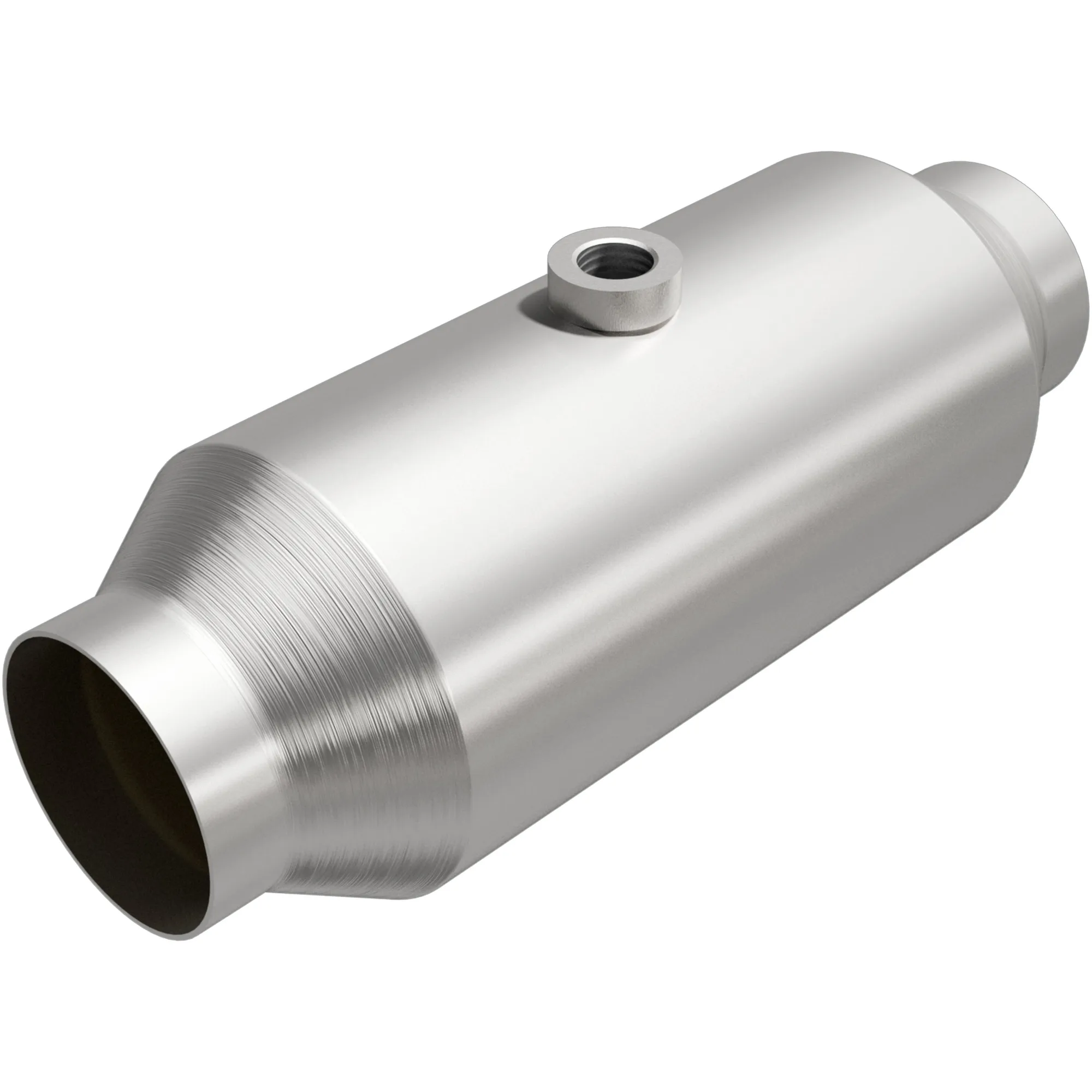
A converter's job is to burn off leftover hydrocarbons and carbon monoxide using a catalyst coating on a ceramic or metallic substrate. That coating is durable, but it is not indestructible. It gets poisoned by oil ash, phosphorus, and coolant additives, and it gets physically melted or cracked by temperatures well above normal operating range. In almost every early failure, the root cause is an engine that has been running wrong for weeks or months.
That is why the routine below focuses on the engine first and the exhaust second. If you only replace the converter without fixing an oil burning problem, the new unit will fail the same way. If you catch the problem early, even a high-mileage converter can keep working for years.
- A converter that fails twice usually means the upstream cause was never fixed.
- Oil ash and coolant residue do not burn off; they permanently coat the catalyst.
Know the difference between a symptom and a failure
A check engine light with a P0420 or P0430 code does not automatically mean the converter is dead. It means the rear oxygen sensor is reporting that catalyst efficiency has dropped below threshold. That can be caused by a failing converter, but also by an exhaust leak before the rear sensor, a lazy upstream oxygen sensor, or an engine running rich enough to overwhelm the catalyst. Diagnose before you replace.
Physical symptoms are more telling. A rattling noise from under the car often means the internal substrate has broken loose. A rotten-egg sulfur smell that persists after a long drive points to a rich condition or a converter that is no longer converting. Blue smoke at startup or between shifts points to oil burning, which is the leading killer of converters.
- Scan for stored and pending codes before assuming the converter is bad.
- A rattle, a persistent sulfur smell, or blue exhaust smoke each point to a different root cause.
Build a maintenance schedule around the converter
You do not need a separate maintenance calendar for the converter. You need to fold three checks into the maintenance you already do. At every oil change, check the oil level and note consumption. Every 30,000 miles or so, inspect the exhaust system for leaks, loose heat shields, and rust. Once a year, or any time the check engine light comes on, scan for codes and address them promptly rather than clearing them.
If your car is older or has known oil consumption, shorten those intervals. A car that burns a quart every 1,000 miles is depositing ash into the converter continuously, and catching that early is the difference between a $300 repair and a $1,000 one.
- Track oil consumption in miles per quart, not just 'it uses a little oil.'
- Never clear a check engine light without fixing the underlying cause.
Fuel, oil, and additives: what actually helps
Use the fuel grade your owner's manual specifies. Higher octane does not clean a converter, and it does not make it last longer. What matters is avoiding chronic misfires and rich conditions, which are usually ignition or fuel-delivery problems, not fuel-quality problems. If your manual calls for premium, use premium; if it calls for regular, regular is fine.
Oil choice matters more than most people expect. Use the viscosity and specification your manufacturer recommends, and change it on schedule. Avoid oil additives that claim to stop leaks by swelling seals; some contain phosphorus or silicone that can poison a catalyst. If you have an oil burning problem, the fix is mechanical, not chemical.
- Skip 'catalyst cleaner' fuel additives; none are proven to restore a poisoned converter.
- Fix oil burning at the source rather than masking it with a thicker oil or a seal sweller.
Your catalytic converter care routine, step by step
- Step 1: Read the codes before you touch anything: Plug in a scan tool and record every stored and pending code, plus freeze-frame data if available. A P0420 or P0430 alone does not condemn the converter; it tells you catalyst efficiency is low. Look for companion codes for misfires, oxygen sensors, or fuel trim. Checkpoint: if you see misfire or fuel trim codes, fix those first. The converter code may resolve on its own.
- Step 2: Check oil consumption and look for blue smoke: Note your oil level at every fill-up for a month and calculate miles per quart. Watch for blue smoke at cold start or after idling. Both point to oil burning, which coats the catalyst with ash that never burns off. Common mistake: assuming a little oil use is normal. A quart every 1,000 miles is enough to shorten converter life significantly.
- Step 3: Inspect for exhaust leaks and physical damage: With the engine cold, run your hand near joints, flanges, and the converter body while a helper briefly starts the engine, or use a smoke test. Look for black soot trails, cracked welds, dented converter bodies, and loose heat shields. A leak before the rear oxygen sensor can trigger a false catalyst code. Checkpoint: fix leaks before replacing a converter, or you may replace a part that was never the problem.
- Step 4: Confirm the converter is actually failing: If codes and symptoms persist after fixing upstream issues, have the catalyst efficiency tested with a scan tool that can graph upstream and downstream oxygen sensor signals. A downstream sensor that mirrors the upstream sensor indicates a converter that is no longer storing and releasing oxygen as it should. Common mistake: replacing the converter based on a single code without confirming the diagnosis.
- Step 5: Choose the right replacement grade and fit: Match the replacement to your state's rules and your vehicle. Federal/EPA compliant converters are legal in most states; California and states that follow its rules require a CARB compliant unit. Direct-fit designs install without cutting or welding and reduce the chance of leaks at joints. Checkpoint: verify the part number is listed for your exact year, make, model, and engine before ordering.
- Step 6: Recheck after installation and keep up the routine: After installing a replacement, clear codes, drive a full readiness cycle, and rescan to confirm no codes return. Then return to your normal schedule: oil changes on time, annual exhaust inspections, and prompt attention to any new check engine light. Common mistake: assuming the repair is finished once the light goes off. A follow-up scan confirms the fix.
What a well-built replacement looks like
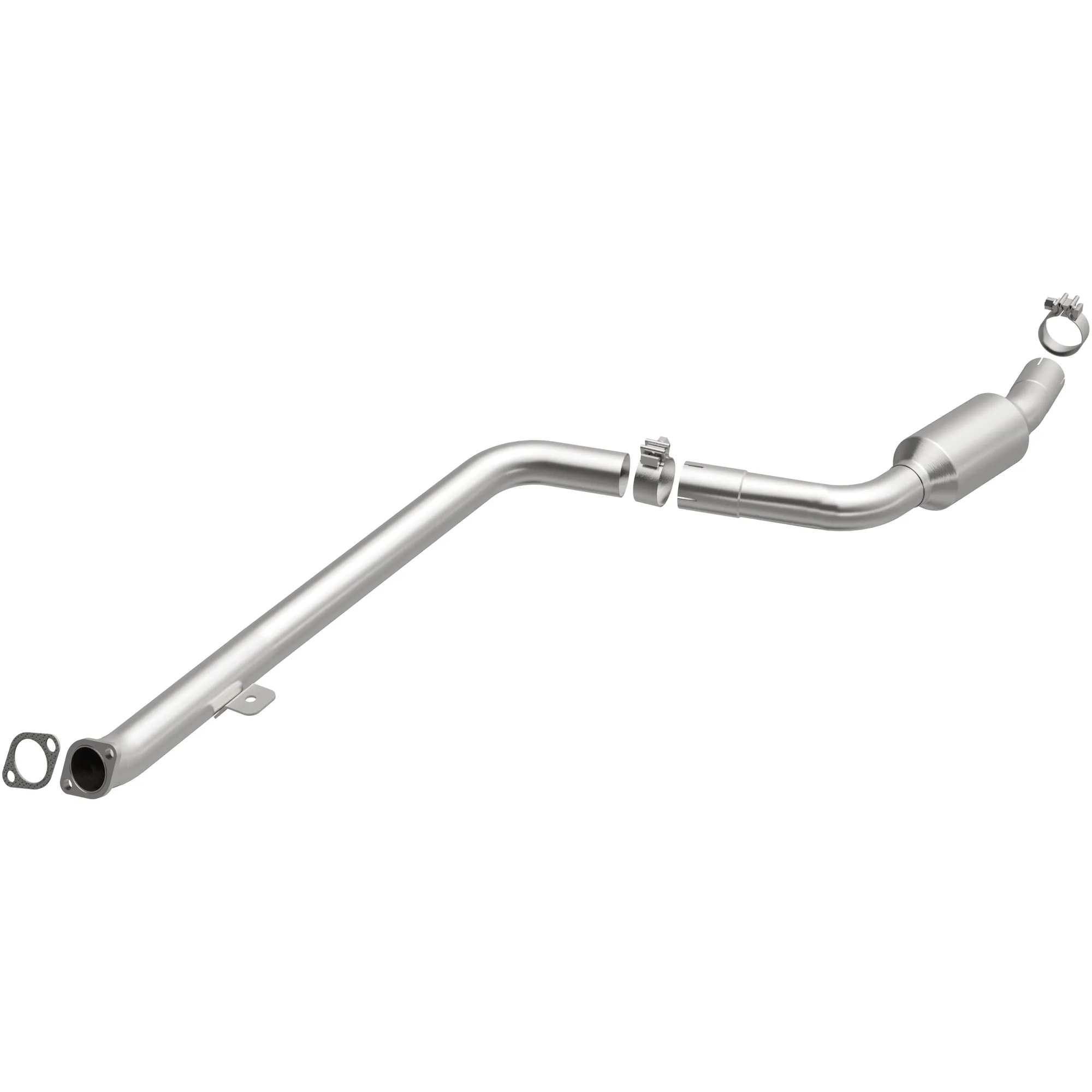
- MagnaFlow 2011-2012 BMW X3 xDrive28i 3.0L OEM Grade Federal / EPA Compliant Direct-Fit Catalytic Converter 52249: This OEM Grade Federal/EPA Compliant direct-fit converter uses free-flowing mandrel-bent tubing and highly corrosion resistant stainless steel construction, and installs with the proper tools without cutting or welding. Stainless construction and mandrel bends resist the rust and flow restrictions that shorten converter life, and a direct-fit design means no fabrication that could introduce leaks or misalignment.
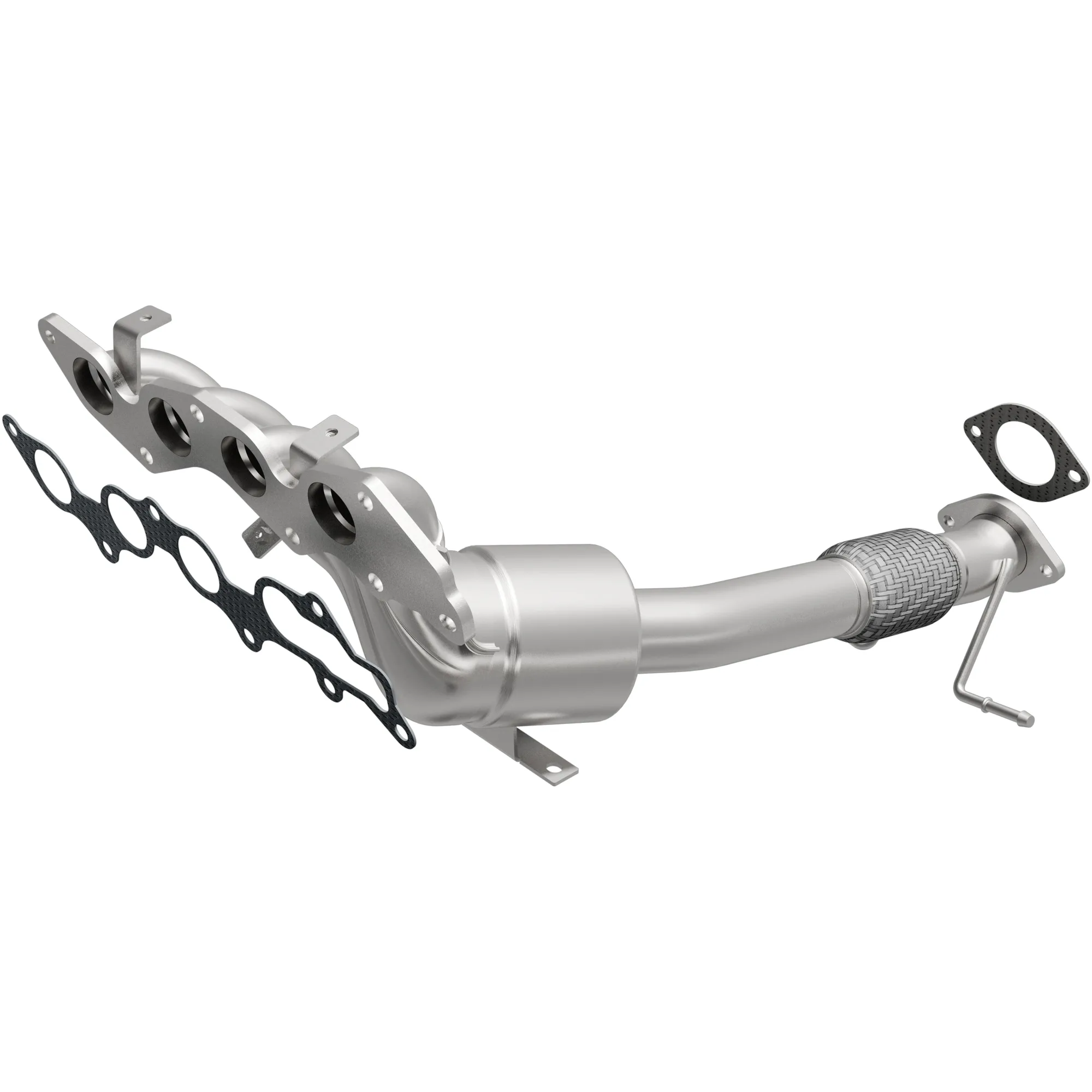
- MagnaFlow 2010-2013 Mazda 3 2.0L California Grade CARB Compliant Direct-Fit Manifold Catalytic Converter 5631995: This California Grade CARB Compliant direct-fit manifold converter is built with free-flowing mandrel-bent tubing and highly corrosion resistant stainless steel construction, and installs without cutting or welding. If you live in a state that follows California emissions rules, a CARB compliant unit is the legal replacement, and a manifold-integrated design eliminates a common leak point at the manifold-to-converter joint.
Catalytic converter care is not complicated, but it is unforgiving of neglect. Watch oil consumption, fix misfires and leaks early, use the right fuel and oil, and inspect the exhaust at least once a year. Do that, and your converter, whether it is the factory unit or a MagnaFlow direct-fit replacement, has a much better chance of lasting as long as the rest of the car.