Quick answer
Most early catalytic converter failures trace back to the engine, not the converter itself. Unburned fuel from a misfire, oil consumption, and coolant leaks all send contaminants or excess heat into the catalyst substrate. Fix the upstream cause first, then replace the converter with a part rated for your vehicle, such as a MagnaFlow direct-fit or universal unit matched to your year, make, model, and engine.
When a catalytic converter dies young, the instinct is to blame the part. In practice, the converter is usually the messenger. Something upstream, a misfiring cylinder, worn valve seals, a seeping head gasket, is feeding it what it cannot survive.
Below are five claims we hear often about catalytic converter mistakes and why catalytic converters fail. Each gets a plain verdict, explained only with what we can verify from MagnaFlow's own product information, plus practical steps you can take before and after a replacement.
Myth 1: A failed converter is always the converter's fault
Verdict: False. The converter is a passive component. It does not create the conditions that destroy it. When unburned fuel, oil ash, or coolant byproducts reach the substrate, the damage is a symptom of an engine problem that started earlier.
That matters for how you spend money. Replacing a converter without correcting the upstream cause usually leads to a second failure, and a warranty claim that may not be honored if the root cause was never addressed. Diagnose the engine first, then replace the converter.
- Pull stored codes before buying any converter. A P0420 alone does not prove the converter is the origin of the problem.
- Fix misfires, oil consumption, and coolant loss before installing a new unit.
Myth 2: Any replacement converter will do as long as it bolts up
Verdict: False. Fitment and emissions compliance are separate questions. A converter can physically bolt up and still be the wrong part for your state's inspection rules or your engine's calibration. Universal and direct-fit designs solve different problems.
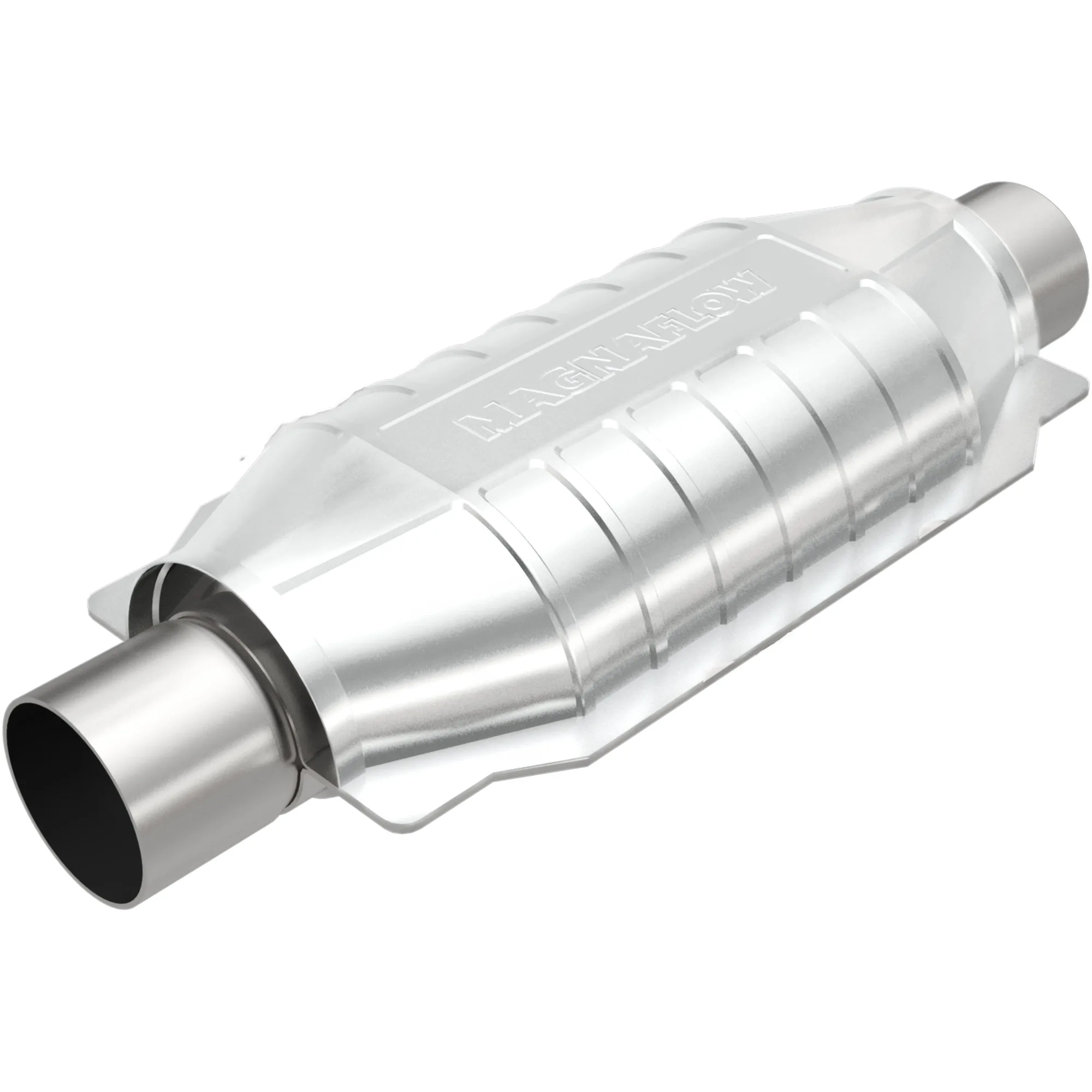
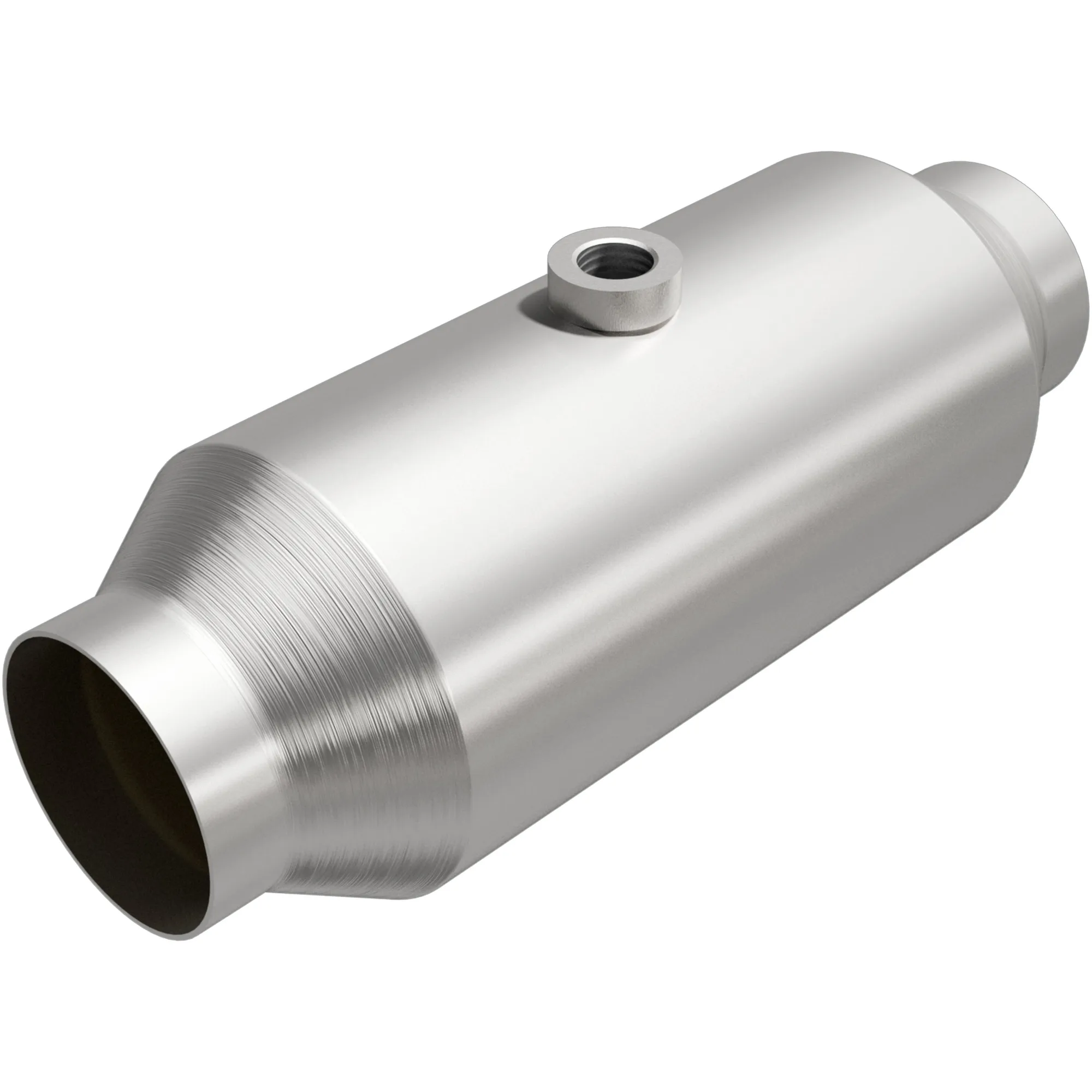
MagnaFlow's California Grade CARB Compliant Universal Catalytic Converter 334004 is built for a wide array of vehicles and uses stainless steel construction that resists corrosion. Its single laser fusion weld greatly reduces the possibility of a leak, and the compact, low-mass design is intended to keep the check engine light off when properly matched. Confirm your vehicle is covered before ordering.
- Match year, make, model, and engine displacement before anything else.
- Check whether your state requires CARB compliance or accepts Federal/EPA parts.
Myth 3: A misfire is harmless if you keep driving
Verdict: False, and this is one of the most expensive catalytic converter mistakes. A misfiring cylinder dumps unburned fuel into the exhaust, where it burns inside the converter instead of the combustion chamber. That extra heat is what cooks the substrate.
The fix is rarely the converter. Ignition coils, plugs, plug wires, and injectors are the usual suspects. Repair those first, clear the codes, and confirm the misfire is gone before you install a replacement converter.
- Treat a flashing check engine light as urgent, not as a wait-and-see item.
- After the misfire repair, drive a full readiness cycle before retesting.
Myth 4: Oil burning and coolant leaks do not reach the converter
Verdict: False. Both travel downstream. Burning oil leaves ash deposits that coat the catalyst surface, and coolant leaks introduce contaminants that degrade the washcoat. Neither is visible from the outside, which is why the converter gets blamed after the fact.
MagnaFlow's OEM Grade Federal / EPA Compliant Direct-Fit Catalytic Converter 21-540 uses free-flowing mandrel-bent tubing and highly corrosion resistant stainless steel construction, and MagnaFlow notes it can be installed with the proper tools without cutting or welding. It is still not immune to oil ash or coolant contamination. No converter is.
- Track oil consumption between changes. A sudden increase is a warning, not a quirk.
- Pressure-test the cooling system if you smell coolant or see a slow loss.
Myth 5: A new converter resets everything, so old habits are fine
Verdict: False. A replacement converter restores emissions performance, not engine health. If the underlying oil burning, misfire, or coolant leak continues, the new part faces the same conditions that killed the old one.
This is also where warranty coverage gets complicated. A converter replaced under a valid defect claim is one thing; a converter replaced while a known engine fault continues is another. Fix the cause, then protect the repair with maintenance you can document.
- Keep receipts for the diagnostic repair and the converter purchase.
- Recheck for pending codes a few hundred miles after installation.
Verdict summary
- The converter caused its own failure: Unburned fuel, oil ash, and coolant contaminants come from the engine, not the converter. Diagnose upstream before you buy.
- Any converter that bolts up is fine: Physical fit and emissions compliance are different requirements, and universal versus direct-fit designs serve different needs. Verify coverage and compliance first.
- A misfire can wait: Unburned fuel burns inside the converter and overheats the substrate. Repair the misfire before replacing the converter.
- Oil burning and coolant leaks stay in the engine: Both reach the catalyst and degrade it over time, even when no converter code is present yet. Track oil use and cooling system health.
- A new converter fixes the vehicle: It restores emissions performance only. The conditions that caused the first failure will repeat if left alone. Fix the cause, document the repair.
Converter options worth knowing about
- MagnaFlow California Grade CARB Compliant Universal Catalytic Converter 334004: Universal design fits a wide array of vehicles, with stainless steel construction highly resistant to corrosion and a single laser fusion weld that greatly reduces the possibility of a leak. A good option when you need CARB compliance and a compact, low-mass part, but you must confirm your specific vehicle is covered.
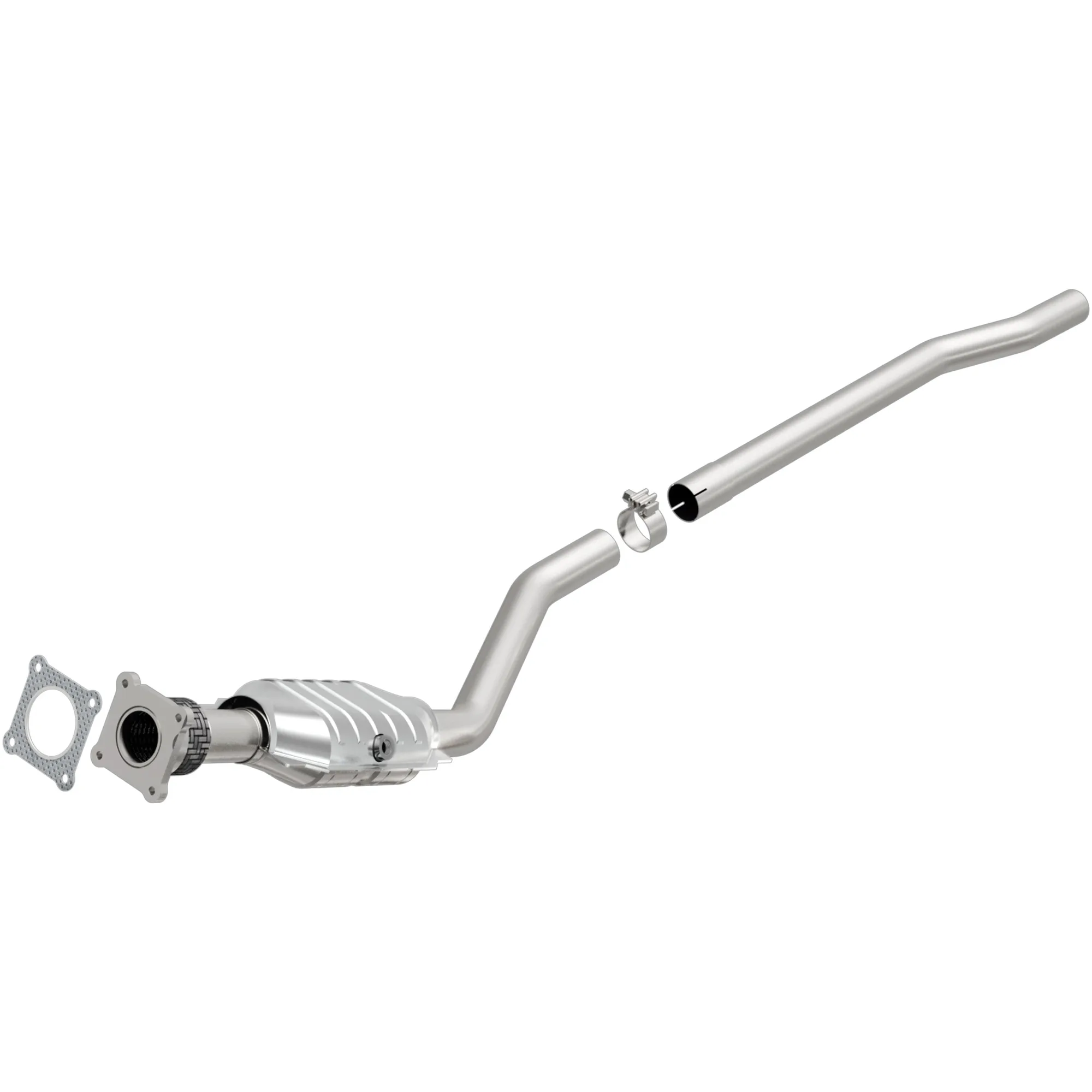
- MagnaFlow 2001-2003 Chrysler Voyager 2.4L / 2001-2007 Dodge Caravan 2.4L HM Grade Federal / EPA Compliant Direct-Fit Catalytic Converter 93425: Direct-fit design with free-flowing mandrel-bent tubing and corrosion resistant stainless steel construction; MagnaFlow states it can be installed with the proper tools without cutting or welding. Vehicle-specific fitment removes guesswork, and no welding means a simpler install for a DIY repair.
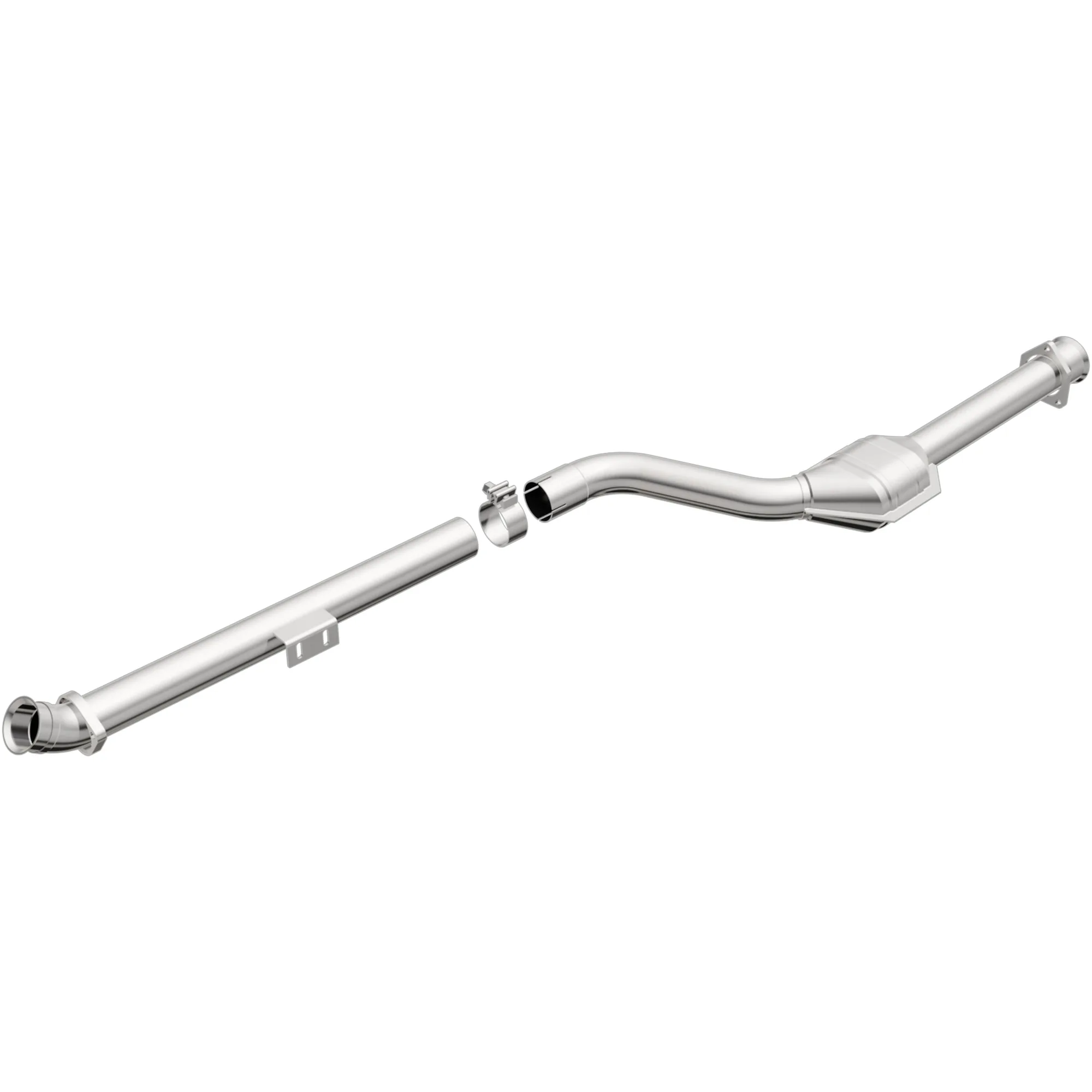
- MagnaFlow 2003-2005 Mercedes-Benz C230 1.8L OEM Grade Federal / EPA Compliant Direct-Fit Catalytic Converter 51592: OEM Grade Federal/EPA Compliant direct-fit converter with free-flowing mandrel-bent tubing, corrosion resistant stainless steel construction, and no cutting or welding required when installed with the proper tools. OEM Grade is the tier to consider when you want factory-style emissions performance on a specific application.
Catalytic converter failure causes are usually engine problems wearing a converter-shaped disguise. Repair the misfire, oil consumption, or coolant leak first, choose a converter that matches your vehicle and your state's rules, and the replacement has a real chance of lasting. If you are unsure which MagnaFlow part fits your application, confirm the year, make, model, and engine before ordering.