Quick Answer
Your old catalytic converter has two kinds of value: the scrap value of the precious metals inside it, and the core value a seller credits you when you buy a replacement. Recycling is legal but regulated in most states, and core charges are refundable deposits that encourage you to send the old unit back. Compare the core refund to the scrap quote before you decide which route pays more.
If you have just replaced a catalytic converter, you are probably holding a part that looks like scrap metal but may be worth more than you expect. The honeycomb inside contains platinum, palladium, and rhodium, which is why recyclers and thieves both care about it.
This guide answers the questions owners ask most: what a converter is actually worth, how core charges work, whether you can legally recycle one, and what to do with a MagnaFlow converter you have taken off the car.
What gives a catalytic converter its core value?
Core value comes from the precious metals coated onto the ceramic or metallic substrate inside the converter. Platinum, palladium, and rhodium are the three main ones, and their market prices move daily. That is why two converters of similar size can be worth very different amounts.
The type of converter matters too. A direct-fit unit built for one vehicle usually holds a larger, more predictable substrate than a universal unit, so recyclers often quote it higher. Condition matters as well: a converter that has been overheated, physically damaged, or hollowed out has little recoverable material left.
- Keep the converter intact if you plan to sell it; cutting the substrate out destroys most of the value.
- Save the receipt or part number so a recycler can confirm what the unit is.
How does a converter core charge work?
A core charge is a refundable deposit added to the price of a replacement converter. You pay it up front, then get it back when you return the old unit in acceptable condition. It is not a fee, and it is not a trade-in discount; it is a deposit that keeps used converters flowing back into the recycling stream.
Core charges vary by part and seller, and the refund usually depends on the old converter being complete and rebuildable. If you return a converter that has been cut open or emptied, expect a partial refund or none at all. Always ask about the core policy before you buy, and keep the return window in mind.
- Ask whether the core charge is included in the listed price or added at checkout.
- Return the old converter in the same box the new one arrived in to avoid damage.
What determines scrap catalytic converter price?
Scrap catalytic converter price is driven by three things: the current market price of platinum, palladium, and rhodium; the specific part number and the amount of substrate it contains; and the condition of that substrate. Recyclers often grade converters by part number because the same physical size can hold different loadings.
Quotes also vary by buyer. A local scrap yard may pay less than a specialist converter recycler because the specialist can process the substrate directly. Getting two or three quotes is normal, and a quote is usually valid only for a short period because metal prices move.
- Photograph the part number and any stamped codes before you hand the converter over.
- Ask whether the quote is per unit or per pound; the two are not the same.
Can you legally recycle a catalytic converter?
In most U.S. states, yes, but with conditions. Many states require recyclers to verify that you legally own the converter, often by recording your ID and the vehicle identification number it came from. Some states restrict cash purchases or require a waiting period before payment.
The rules exist because converter theft is common. If you are selling a converter that came off your own car, bring the title or registration and be ready to explain the replacement. If a buyer offers cash with no questions and no paperwork, that is a warning sign, not a convenience.
- Check your state's scrap metal rules before you load the converter into the car.
- Never buy a used converter from an individual without documentation.
Should you recycle the old converter or return it as a core?
Compare the two numbers directly. If the core refund is larger than the scrap quote, return it as a core; it is simpler and often instant. If the scrap quote is clearly higher and your state allows the sale, recycling may pay more, but you will handle the paperwork and transport yourself.
There is also a practical angle. Returning a core keeps a genuine replacement part in circulation and closes the loop on your purchase. Scrapping sends the metals back to a refinery. Both are legitimate; the right choice depends on which pays more after you account for your time.
- Get the core refund amount in writing before you decide.
- Factor in shipping or driving distance when comparing quotes.
What should you do with a MagnaFlow converter you have removed?
MagnaFlow converter disposal follows the same path as any other converter: return it as a core if you bought a replacement from a seller that offers a core program, or take it to a licensed recycler. Do not throw it in the trash. It contains regulated materials and has recoverable value.
Keep the old unit complete and store it somewhere dry until you decide. If you replaced a MagnaFlow HM Grade Federal / EPA Compliant Universal Catalytic Converter 99176HM, for example, the compact low-mass design and single laser fusion weld mean the housing is easy to identify and handle, which helps a recycler confirm what it is.
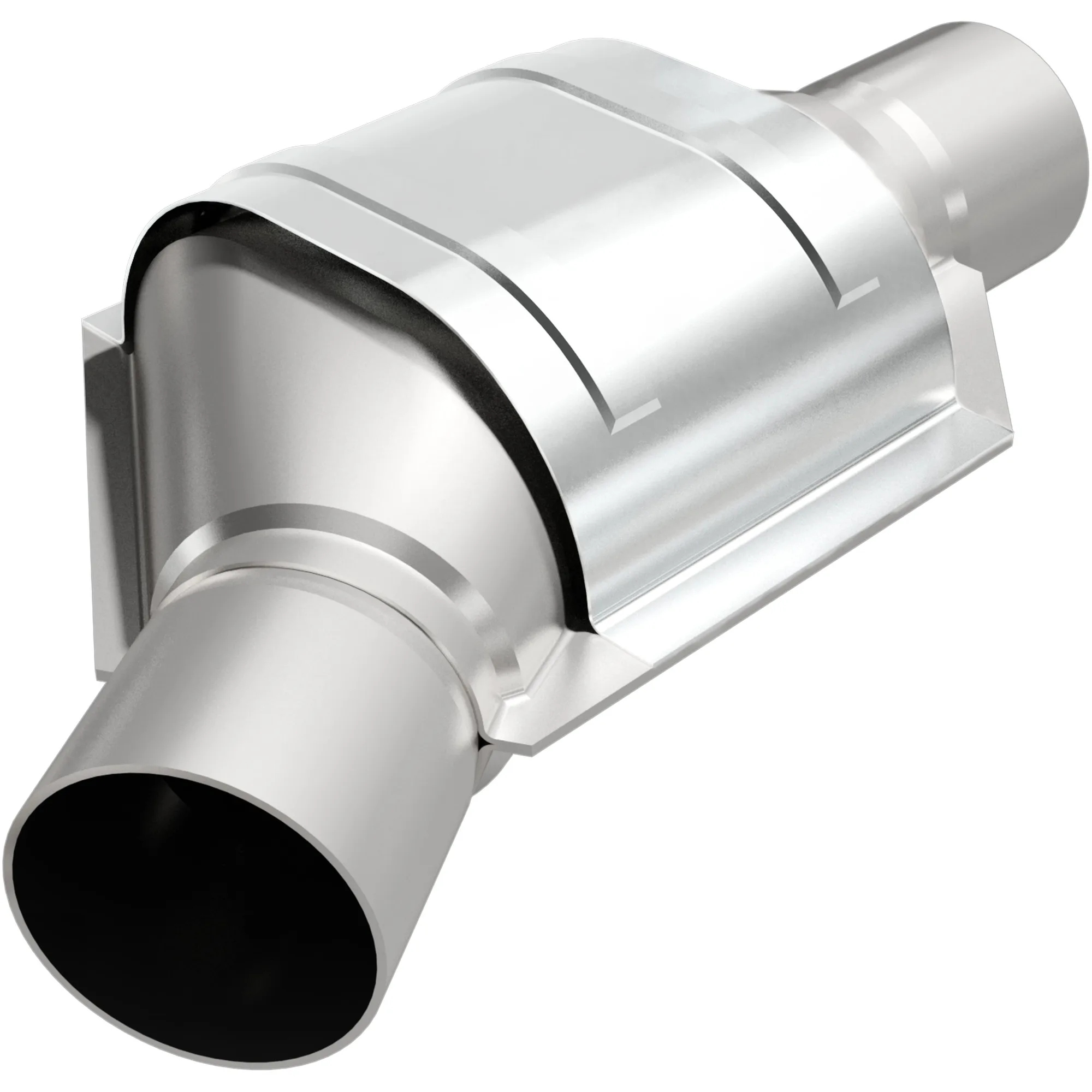
MagnaFlow HM Grade Federal / EPA Compliant Universal Catalytic Converter 99176HM
- Store the converter indoors; moisture and road salt reduce its condition grade.
- If you are unsure of the part number, a recycler can often identify it from the housing shape.
Converter Recycling Quick Reference
What is a core charge?
A refundable deposit added to the price of a replacement converter, returned when you send back the old unit in acceptable condition. Ask about the core policy before checkout, not after.
What drives scrap catalytic converter price?
Current platinum, palladium, and rhodium prices, the specific part number and substrate loading, and the condition of the substrate. Get two or three quotes; a single quote is rarely the best one.
Is recycling a converter legal?
Usually yes, but many states require ID and VIN documentation, and some restrict cash purchases or impose waiting periods. Bring your title or registration and expect paperwork.
Core refund or scrap sale?
Compare the core refund amount against the scrap quote after accounting for your time, transport, and any paperwork. Whichever pays more net is the right call.
What about a removed MagnaFlow converter?
Return it as a core if your seller offers a program, or take it to a licensed recycler; keep it complete and dry until then. Never discard a converter in household trash.
Converter Options and Core Considerations
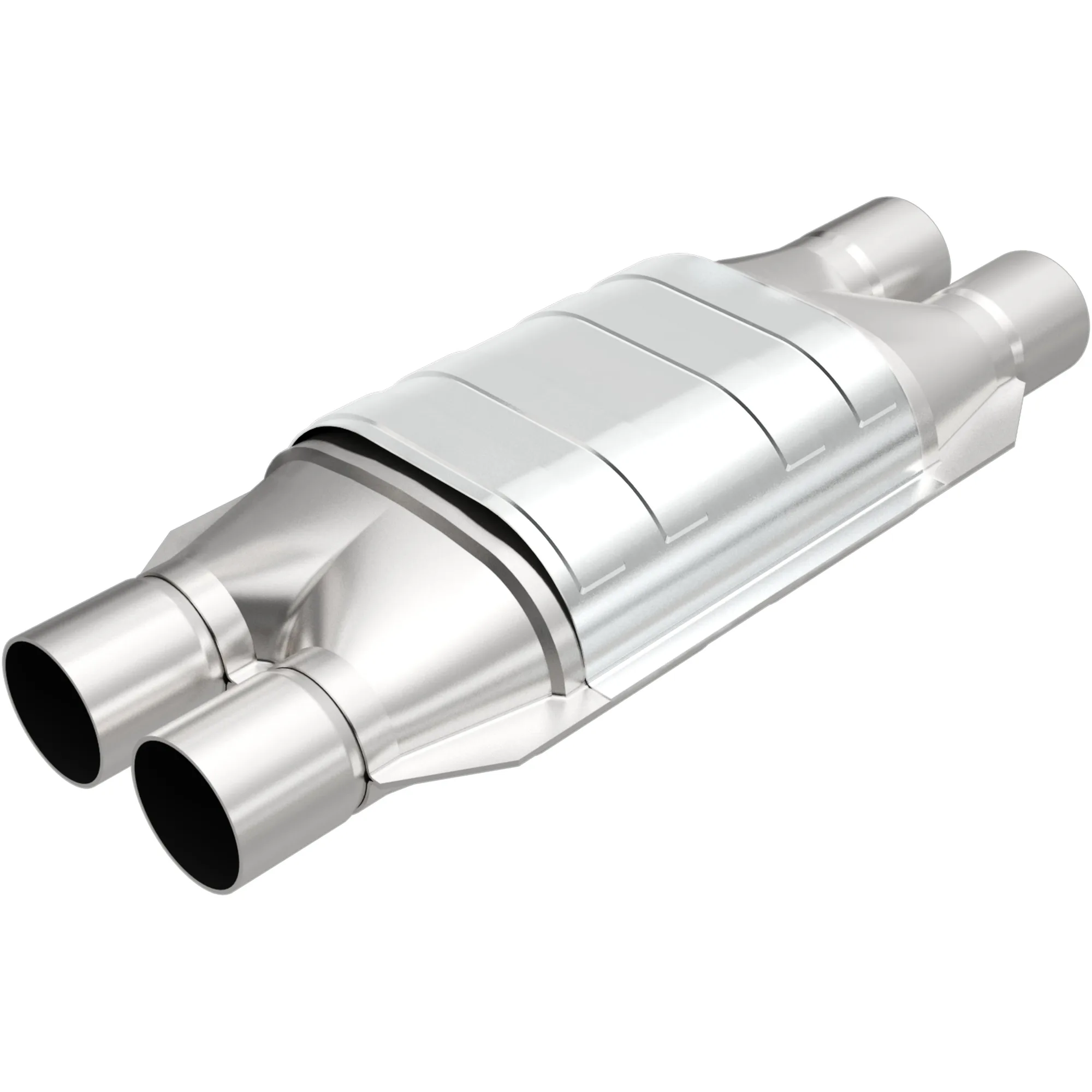
- MagnaFlow Standard Grade Federal / EPA Compliant Universal Catalytic Converter 93508: Standard Grade universal design with highly corrosion resistant stainless steel construction, designed to meet or exceed Federal emissions requirements. A lower-cost universal replacement is a reasonable choice when you want to keep the vehicle running and are weighing a core refund against scrap value.
- MagnaFlow HM Grade Federal / EPA Compliant Universal Catalytic Converter 99176HM: Universal design with stainless steel construction, a single laser fusion weld to reduce leak potential, and a compact, low-mass design. The compact housing is easier to store and identify, which simplifies returning it as a core or having a recycler grade it.
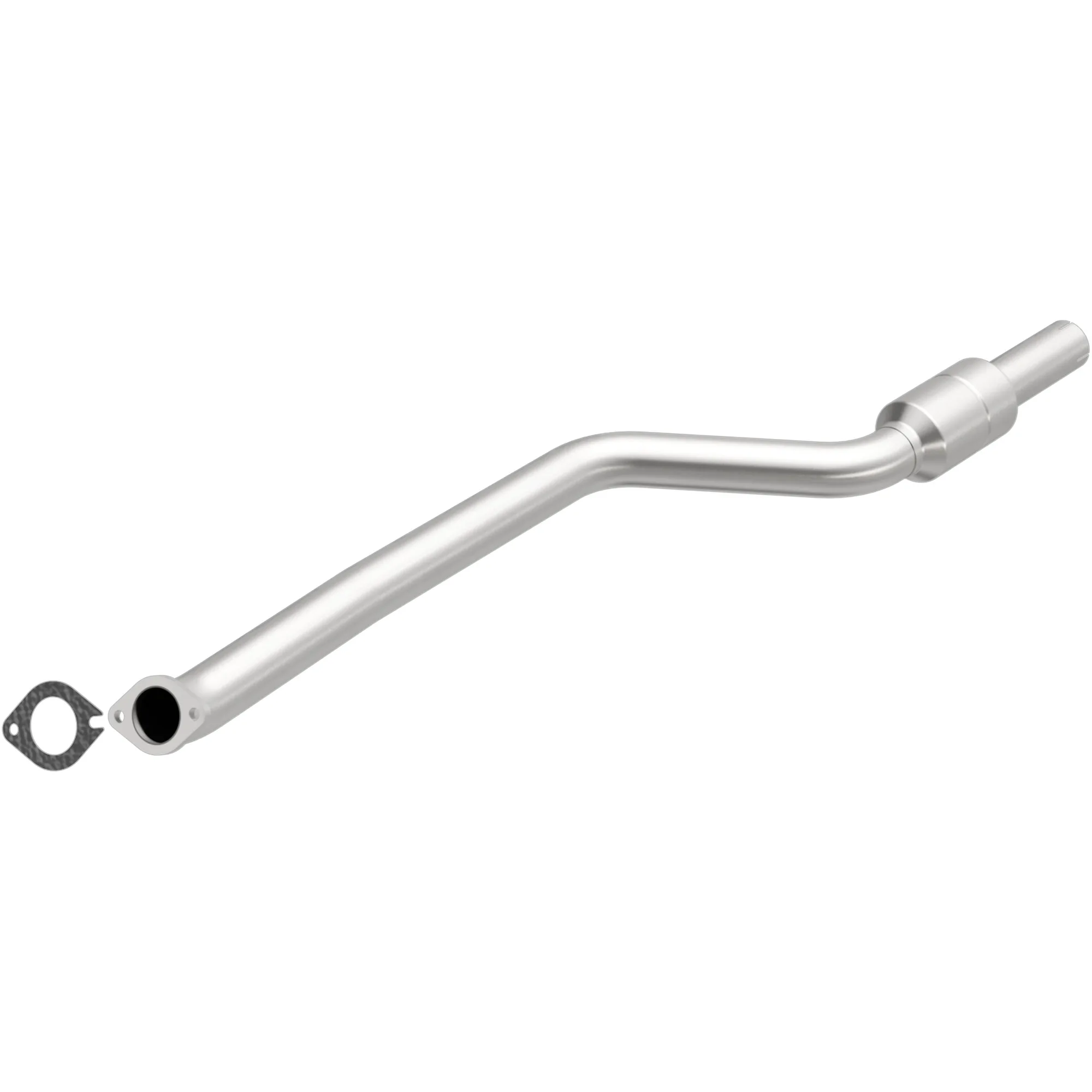
- MagnaFlow OEM Grade Federal / EPA Compliant Direct-Fit Catalytic Converter 49769: Direct-Fit design with free-flowing mandrel-bent tubing and highly corrosion resistant stainless steel construction; installs with proper tools and no cutting or welding required. Direct-fit units typically carry a higher core value because the substrate is matched to a specific application, so a core refund is often worth comparing carefully against a scrap quote.
Your old converter is worth something either way, so do not let it sit in the garage or go in the trash. Check the core policy on your replacement purchase, get a scrap quote for comparison, and follow your state's documentation rules. The few minutes it takes to compare the two options usually pays for itself.