Quick answer
The most effective catalytic converter theft prevention combines three habits: park where a thief cannot easily slide under the car, make the converter harder to cut or remove with a shield or clamp, and mark the part so it is traceable. Do all three, because each one raises the time and risk for a thief. Start with parking, then add a physical deterrent, then etch or register the converter.
Catalytic converters are stolen because they contain precious metals and because many sit in an exposed spot under the vehicle. A thief with a battery-powered saw can remove one in under two minutes if the car is parked in a quiet, dark place. That is why catalytic converter theft prevention is less about one gadget and more about stacking a few practical habits.
This guide walks through an ordered process you can follow this weekend. It covers parking choices, physical deterrents like a cat clamp or catalytic converter shield, etching catalytic converter markings, and what to do if yours is already gone. It also explains where a replacement converter fits when you need one.
Step 1: Park where a thief cannot work unnoticed
Thieves prefer low light, low traffic, and enough ground clearance to slide under a car quickly. Parking tips converter theft prevention often start with light and visibility: choose a well-lit spot, ideally under a camera or near a building entrance. If you have a garage, use it. If not, park with the converter side close to a curb or wall so there is less room to work.
At home, motion-sensor lights and a driveway alert help. At work or while shopping, pick the busiest part of the lot rather than the quiet edge. None of these choices stop a determined thief, but they add time, and time is the main thing that makes a thief move to an easier target.
- Park in well-lit, high-traffic areas when you cannot use a garage.
- If you must park on the street, keep the converter side near a curb or wall.
- Avoid leaving a high-clearance truck or SUV in the same isolated spot every night.
Step 2: Add a physical deterrent
A catalytic converter shield or a cat clamp makes the converter harder to reach and cut. A shield is a metal plate that bolts over the converter area, while a clamp wraps around the pipe and converter to block a saw. Both add cutting time, which is the goal. Look for a shield or clamp designed for your vehicle rather than a universal piece that may not line up with your exhaust routing.
If you are not comfortable drilling or bolting under the car, have a shop install it. The cost is usually far less than replacing a stolen converter, and a proper install avoids rattles or clearance problems. Check that the shield does not trap heat against the converter or block access for future service.
- Choose a vehicle-specific shield or clamp when one is available.
- Confirm the shield leaves room for normal exhaust movement and service access.
- Have a shop install it if you cannot safely lift and support the vehicle.
Step 3: Mark and register the converter
Etching catalytic converter information onto the shell or casing makes the part traceable and less attractive to a scrap buyer. Use a high-temperature engraver or a heat-resistant marker to add your license plate or VIN in a visible spot. Some owners also paint the converter with a bright high-temperature paint, which makes it obvious the part has been marked.
After marking, register the converter with your insurer or a national database if your provider offers one. Keep a photo of the etched marking and your receipt. If the converter is stolen, those records help police and recyclers identify it, and they support an insurance claim.
- Etch your license plate or VIN in more than one spot on the converter shell.
- Photograph the marking and store the photo with your vehicle records.
- Tell your insurer the converter is marked and registered.
Step 4: Use an alarm or sensor that reacts to movement
A standard car alarm may not trigger when someone slides under the vehicle. A tilt sensor, shock sensor, or dedicated catalytic converter alarm can detect the jacking or cutting motion. If your vehicle already has an alarm, ask whether a sensitivity adjustment or add-on sensor is available. Aftermarket sensors vary, so match the sensor to your alarm system rather than buying a standalone unit that may not integrate.
Set the sensitivity high enough to catch a jack or saw but not so high that wind or passing traffic sets it off. Test it once after installation. A noisy false alarm will train you to ignore it, which defeats the purpose.
- Look for a tilt or shock sensor that works with your existing alarm.
- Test sensitivity after installation and adjust to avoid false triggers.
- Combine the alarm with parking and marking steps for the best coverage.
Step 5: Know what to do if the converter is stolen
If your converter is cut out, do not drive far. The exhaust will be loud and hot gases may enter the cabin. Call your insurer and file a police report, then arrange a tow or a safe temporary repair. When you replace the converter, choose a part that matches your vehicle and emissions requirements. A direct-fit unit like the MagnaFlow OEM Grade Federal / EPA Compliant Direct-Fit Catalytic Converter 49786 is designed to install without cutting or welding and keeps the check engine light off, which simplifies the repair.
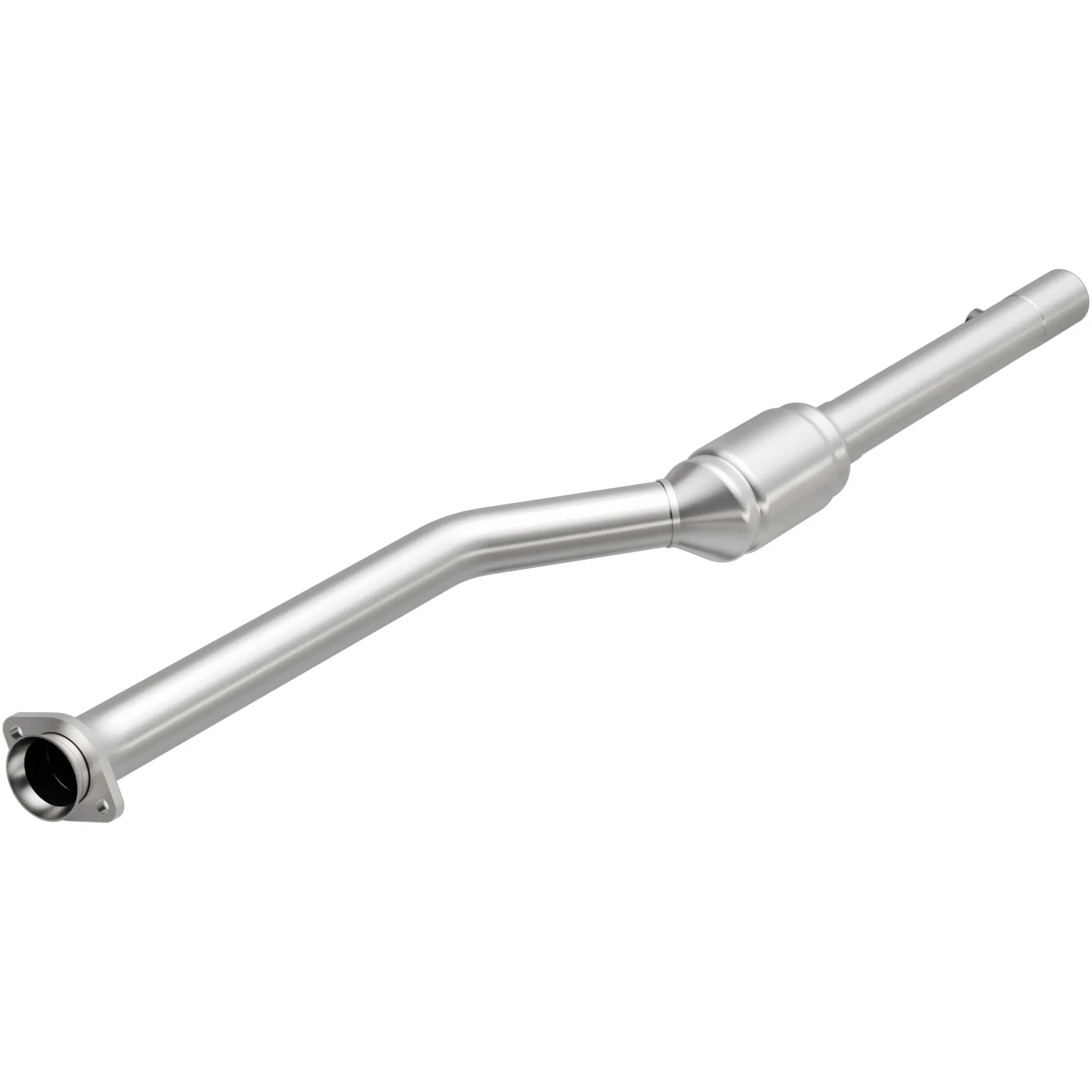
MagnaFlow OEM Grade Federal / EPA Compliant Direct-Fit Catalytic Converter 49786
If you live in a state that follows California emissions rules, a CARB-compliant converter is required. The MagnaFlow California Grade CARB Compliant Universal Catalytic Converter 5561205 fits a wide array of vehicles and uses a single laser fusion weld to reduce leak risk. Confirm your vehicle's requirements before ordering, because the wrong grade can fail inspection.
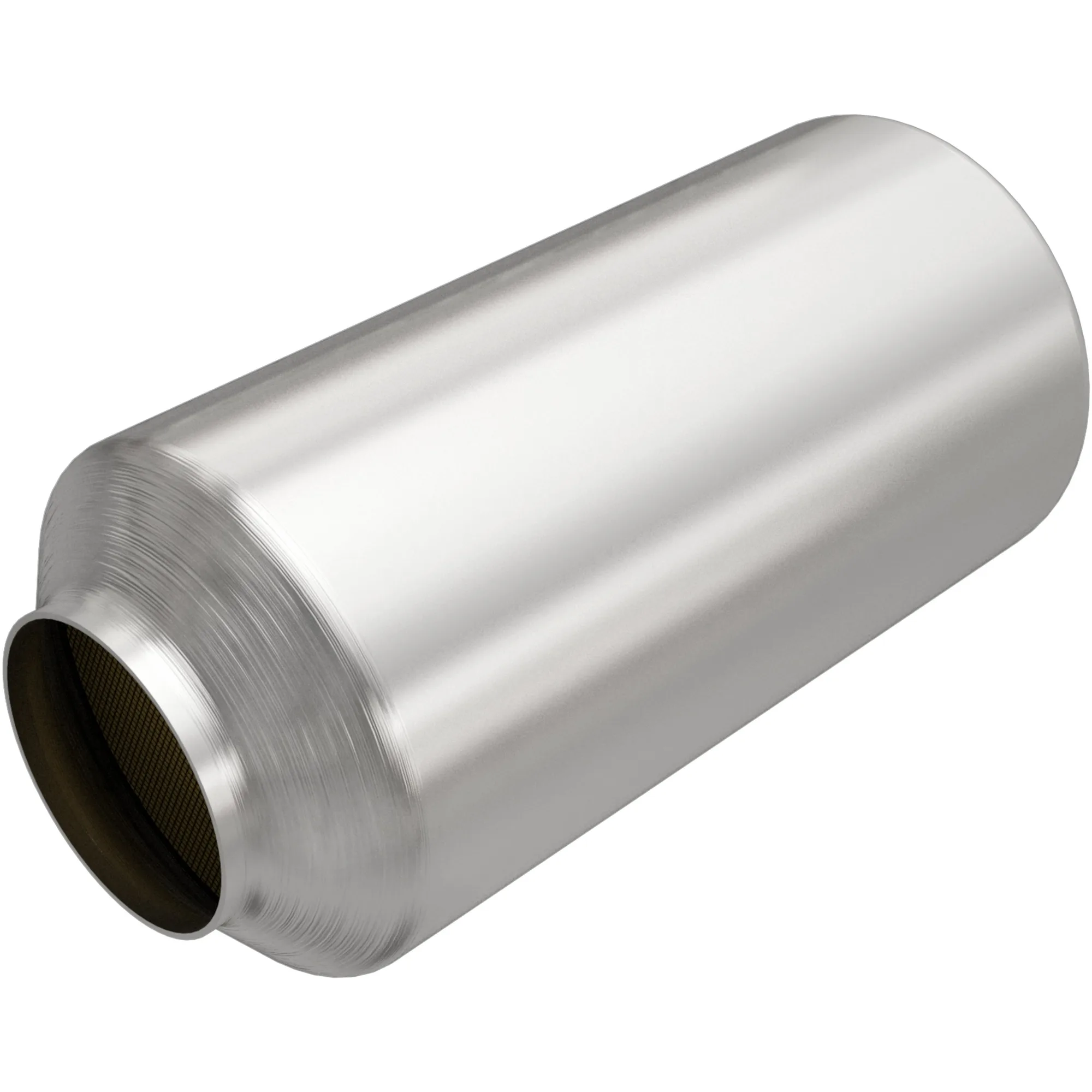
MagnaFlow California Grade CARB Compliant Universal Catalytic Converter 5561205
- File a police report and notify your insurer before replacing the converter.
- Match the replacement converter to your state's emissions rules.
- Keep the receipt and new converter's marking on file in case of a future theft.
Your catalytic converter theft prevention checklist
- Park smarter tonight: Move the car to a well-lit, visible spot and keep the converter side close to a curb or wall. Checkpoint: can someone slide a jack under the converter side without being seen?
- Install a shield or clamp: Choose a vehicle-specific catalytic converter shield or cat clamp and have it fitted if you cannot do it safely. Checkpoint: does the shield block a saw without rattling or trapping heat?
- Etch and register the converter: Engrave your license plate or VIN in a visible spot, photograph it, and tell your insurer. Checkpoint: can a recycler read your marking without removing the converter?
- Add a movement sensor: Install or adjust a tilt or shock sensor so it reacts to jacking or cutting, then test the sensitivity. Checkpoint: does the alarm trigger when you jack the car but stay quiet in wind?
- Plan your replacement: If theft happens, file a report, choose the correct emissions grade, and pick a direct-fit or CARB-compliant converter. Next step: confirm your state's emissions rules before ordering a replacement converter.
Converter options that support theft prevention
- MagnaFlow OEM Grade Federal / EPA Compliant Direct-Fit Catalytic Converter 49786: Direct-fit design with mandrel-bent tubing and stainless steel construction; installs without cutting or welding. A direct-fit converter is easier to replace after a theft and keeps the exhaust route close to stock, which makes a shield or clamp easier to fit.
- MagnaFlow California Grade CARB Compliant Universal Catalytic Converter 5561205: Universal design fits a wide array of vehicles; stainless steel construction resists corrosion; single laser fusion weld reduces leak risk. If you need a CARB-compliant converter and want a part that can be etched and registered, this universal option covers many vehicles.
Catalytic converter theft prevention works best as a stack: smarter parking, a physical shield or clamp, etched markings, and a sensor that notices movement. None of these steps is foolproof on its own, but together they make your vehicle a slower, riskier target. If you do need a replacement, match the converter grade to your state's rules and keep the receipt and marking on file.