Quick answer
Buy cavansite clusters in matrix only when the deep blue crystals are clearly visible against a contrasting host rock and the seller states the Indian origin, since cavansite is a rare zeolite mineral found in only a few localities. For a small, affordable entry point, the Cavansite Clusters In Matrix (India) specimen at USD 7.34 is a sensible first purchase. If you want a larger, more metallic display piece instead, the Pyrite Natural Clusters (Peru) at USD 169.91 serves a different collector goal.
What makes cavansite clusters in matrix identifiable
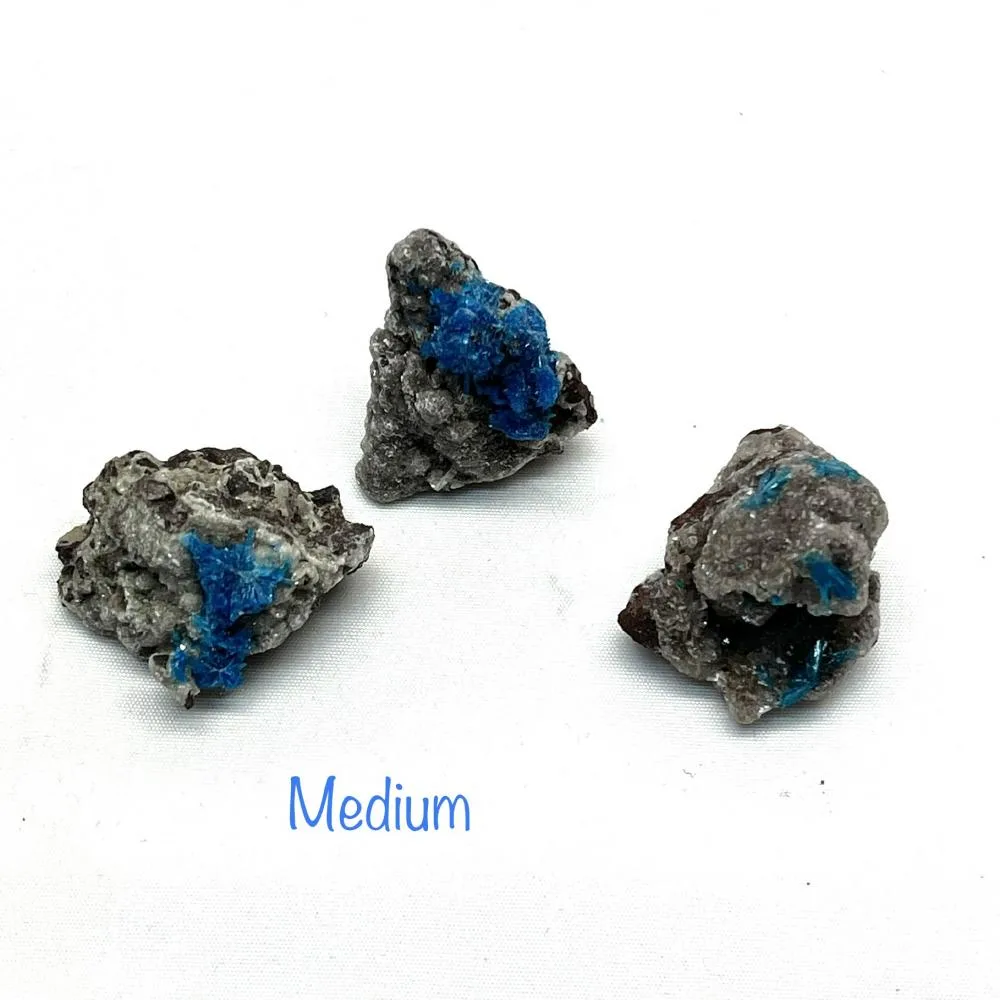
Cavansite is a calcium vanadium silicate zeolite, and its most diagnostic feature is an intense, electric blue color that does not fade under normal indoor light. In matrix specimens, the crystals form radiating rosettes, spheres, or bladed aggregates that sit inside or on top of a host rock, usually a basaltic or zeolitic matrix. The contrast between the blue and the matrix is the first thing to check: genuine cavansite blue is vivid and slightly translucent at the edges, not a flat painted-on color.
Because cavansite is a zeolite, it is softer and more fragile than quartz or pyrite. A real specimen will show crystal structure under a loupe, with individual blades or spherical clusters that have natural terminations. If the blue area looks like a smooth coating with no visible crystal faces, treat it as suspect until you can inspect it more closely.
- Look for radiating or spherical blue clusters with visible crystal faces.
- Check that the blue is intense and consistent, not patchy or painted.
- Confirm the matrix is natural host rock, not a glued-on fragment.
How to spot fake or dyed cavansite
The main risk with cavansite identification is dyed or treated material. Some sellers dye cheaper zeolites or even quartz to imitate cavansite blue. A dyed specimen often shows color pooling in cracks, a uniform blue that ignores crystal structure, or color that rubs off on a damp cotton swab. Genuine cavansite color is part of the crystal, so it stays put.
Another common issue is a composite specimen: a small cavansite cluster glued onto a larger, more attractive matrix. This is not always disclosed. Tilt the specimen under a bright light and look for a seam, glue line, or color mismatch where the blue meets the matrix. If the blue cluster looks like it was placed rather than grown, ask the seller directly.
- Do a cotton-swab test on an inconspicuous spot; dye will transfer.
- Inspect the contact zone between blue crystals and matrix for glue.
- Compare multiple photos; genuine specimens show natural variation.
Why Indian origin matters for cavansite
Cavansite was first described from the Wagholi quarry area near Pune, India, and India remains the classic and most recognizable source for collector-grade cavansite clusters in matrix. Indian cavansite typically forms in basaltic vugs associated with other zeolites, which gives the matrix its characteristic earthy, greenish-grey or brown tone. That contrast is part of what makes a blue cavansite specimen from India so visually striking.
Origin is not just a label; it affects what the matrix looks like and how the crystals sit. Specimens from other localities exist but are far less common in the retail market. If a listing claims cavansite but shows a matrix that looks like plain white quartz or a generic grey rock, ask for locality information before buying.
- Indian cavansite usually sits in a basaltic or zeolitic matrix.
- Matrix color and texture are clues to authentic origin.
- Ask for the specific locality if the listing only says 'India'.
Condition, size, and display trade-offs
Cavansite is fragile, so condition matters more than size for many collectors. A smaller specimen with intact, undamaged rosettes is usually a better buy than a large piece with crushed or missing crystals. Check the edges of the blue clusters: broken terminations, white powder, or loose crystals in the bag are signs of handling damage.
Size affects price and display impact, but it also increases shipping risk. If you are buying a larger cavansite specimen, ask how it will be packed. A specimen that arrives with crystals rattling loose has lost much of its value. For display, a piece with good blue-to-matrix ratio and a stable base will look better on a shelf than a large but dull matrix with a tiny blue patch.
- Prioritize intact crystals over overall size.
- Ask about packing for fragile zeolite specimens.
- Choose a stable, well-proportioned piece for display.
Cavansite care and storage
Cavansite care is mostly about avoiding physical damage and chemical exposure. Keep specimens out of direct sunlight for long periods, since intense UV can eventually affect color in some minerals, and avoid ultrasonic cleaners, acids, or harsh detergents. Dust with a soft brush or use a gentle air blower. If you must clean the matrix, use a barely damp cloth on the rock only, not on the blue crystals.
Store cavansite separately from harder specimens like quartz or pyrite to prevent scratches. A padded box or a display case with individual compartments works well. Because cavansite is a zeolite, it can be sensitive to repeated moisture and temperature swings, so keep it in a stable, dry indoor environment.
- Dust with a soft brush; avoid water on the blue crystals.
- Keep away from acids, ultrasonic cleaners, and prolonged direct sun.
- Store separately from harder minerals to avoid abrasion.
Decision rules for buying cavansite clusters in matrix
- If you are new to cavansite identification: Start with a small, clearly photographed Indian specimen where the blue rosettes are visible and the matrix is natural. The Cavansite Clusters In Matrix (India) at USD 7.34 fits this role. Buy one affordable reference piece before spending more.
- If the listing shows no locality or crystal detail: Ask for close-up photos of the blue clusters and the matrix contact zone. If the seller cannot provide them, walk away. No detail means no purchase.
- If you want a durable display mineral instead: Choose a harder specimen such as pyrite or black tourmaline. Pyrite clusters from Peru offer metallic cubic formations, and black tourmaline rods from India are easy to handle and display. Match the mineral's fragility to how you plan to store it.
- If the specimen is large but the blue area is small: Value the visible cavansite, not the total rock size. A smaller piece with dense, intact blue clusters usually displays better and costs less to ship safely. Judge the blue, not the bulk.
Product facts
- Cavansite Clusters In Matrix (India): Natural cavansite clusters in matrix, sourced from India, with deep blue crystal formations contrasting against the surrounding stone. This is a direct example of the classic Indian cavansite look, and the low catalog price makes it a practical first specimen for identification practice.
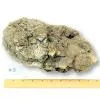
- Specimen - Pyrite Natural Clusters (Peru): Natural pyrite clusters from Peru with metallic luster and cubic formations; each specimen is unique in shape and size. If you want a metallic, cubic display specimen rather than a fragile blue zeolite, this is a sturdier alternative for a collector shelf.
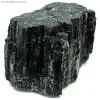
- Tourmaline - Black Tourmaline Rods (India): Natural black tourmaline rods from India, suitable for crystal grids, displays, or decorative pieces. A useful comparison for collectors who want an Indian mineral that is much harder and easier to handle than cavansite.
Who should buy cavansite clusters in matrix
Best for
- Mineral collectors who want a rare zeolite species with a distinctive blue color.
- Buyers looking for an affordable Indian specimen to study cavansite identification.
- Display collectors who keep fragile specimens in a stable, padded case.
Not for
- Buyers who want a durable, handleable stone for grids or pockets; choose black tourmaline rods instead.
- Collectors who prefer metallic luster and cubic forms; pyrite clusters are a better fit.
- Anyone unwilling to inspect close-up photos or ask about locality before buying.