Quick Recommendation
Clean the fence, apply a breathable sealant, and inspect annually for damage. Doing these three tasks will keep your cedar picket fence resistant to rot and UV wear.
Cedar picket fences add charm and structure to any garden, but exposure to rain, sun, and soil can lead to rot if they aren’t cared for properly. A simple routine of cleaning, sealing, and regular checks can dramatically extend the fence’s life.
This guide walks you through cedar picket fence maintenance with clear, actionable steps. Follow the process to achieve natural cedar fence weatherproofing and protect your investment for years.
1. Clean the Fence Thoroughly
Start by removing dirt, pollen, and mildew with a soft‑bristle brush and a garden‑grade cleaner diluted in water. Work from the bottom up to avoid streaks and rinse with a hose on low pressure. Let the wood dry completely—usually 24‑48 hours—before moving to the next step.
A common mistake is rushing the drying time; moisture trapped under sealant can cause blisters and accelerate rot. Check that the surface feels dry to the touch before sealing.
- Use a mild detergent, not harsh chemicals, to preserve the cedar’s natural oils.
2. Apply a Breathable Sealant for Weatherproofing
Choose a water‑based, breathable sealant designed for cedar. Apply with a natural‑bristle brush in thin, even coats, following the wood grain. Two coats are ideal; allow the recommended drying time between coats.
Avoid oil‑based products that seal in moisture. The mistake many make is over‑applying, which can trap water and lead to premature rot.
- Seal in the spring after cleaning, when temperatures are between 50‑80°F for best absorption.
3. Inspect, Repair, and Reinforce Annually
Walk the fence each spring and fall, looking for cracked boards, loose posts, or rusted fasteners. Tighten any loose stakes and replace damaged sections promptly. Using cedar grade stakes can help realign posts without damaging the wood.
A frequent oversight is neglecting the base where soil contact is highest. Apply a gravel barrier or mulch away from the post footings to reduce moisture exposure.
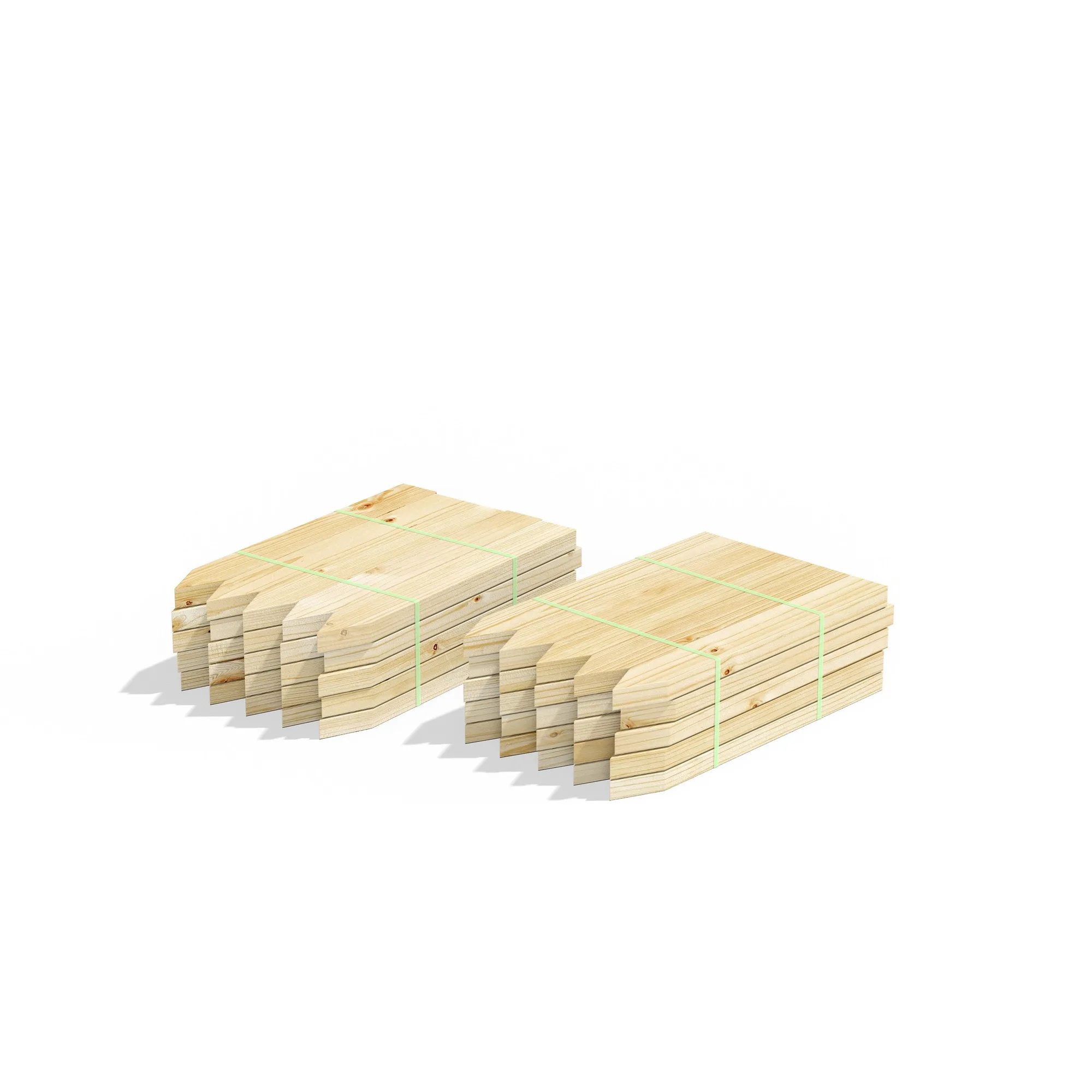
- Mark any problem areas with Greenes Cedar and Wooden Grade Stakes for easy reference during repairs.
Step‑by‑Step Maintenance Checklist
- Step 1: Clean the Fence: Brush off debris, wash with mild detergent, rinse, and let dry completely. Checkpoint: Ensure the wood is fully dry before sealing to avoid trapped moisture.
- Step 2: Seal the Wood: Apply a breathable, water‑based sealant in two thin coats, allowing proper drying time between coats. Mistake to avoid: Over‑applying sealant, which can seal in water and cause rot.
- Step 3: Inspect and Repair Annually: Check for cracks, loose posts, and rusted fasteners; tighten stakes, replace damaged boards, and add a gravel barrier at the base. Checkpoint: Use Cedar and Wooden Grade Stakes to mark problem spots for quick future reference.
Products That Help You Maintain Your Cedar Fence
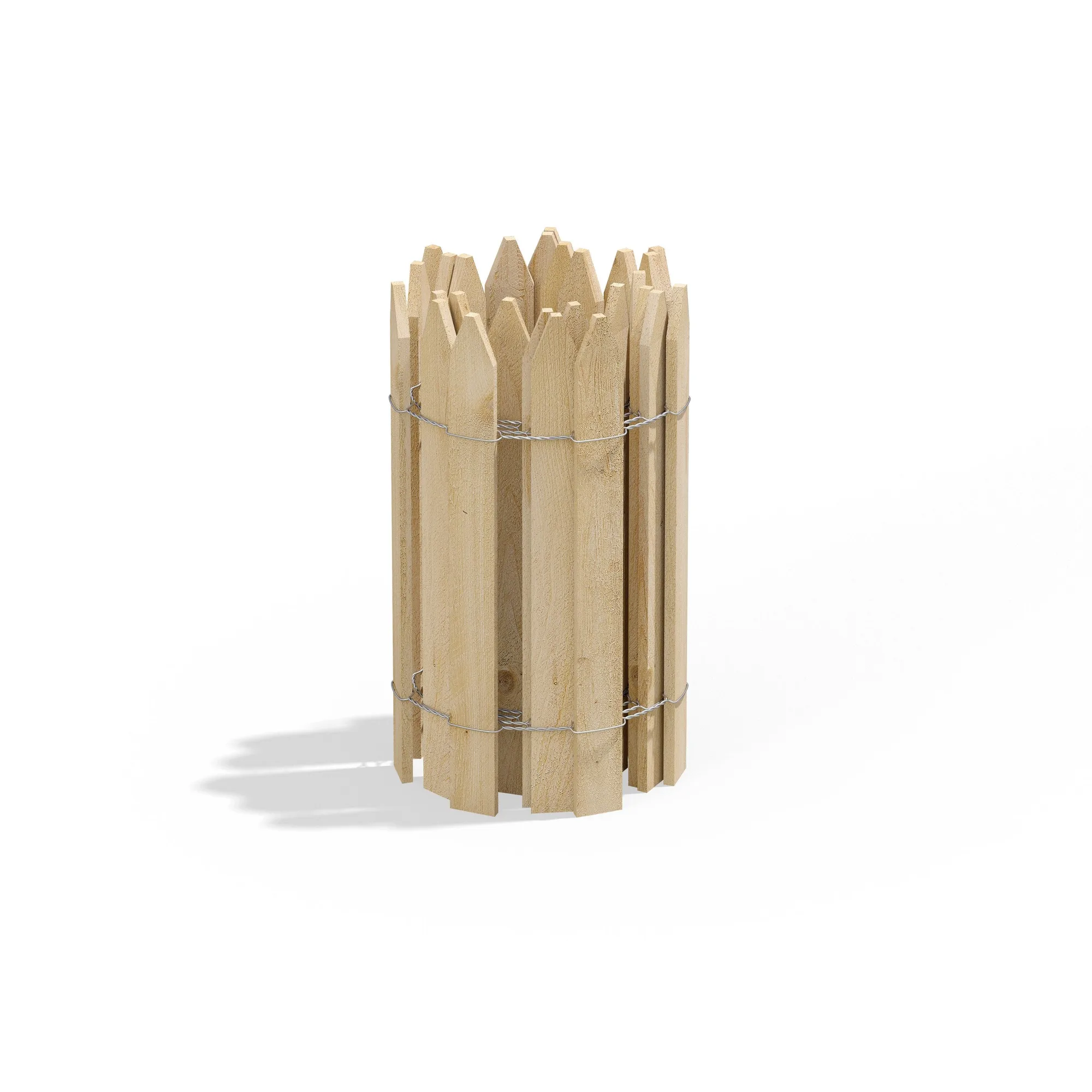
- Cedar Wooden Garden Picket Fence in Natural Cedar or White 8 ft x 16 in RC28C RC28W: Protect and Accent Your Yard with Greenes Picket Fencing for Gardens, Beds, and Trees. Made from cedar harvested from sustainable resources. The fence’s natural cedar composition resists rot, but regular cleaning and sealing keep its protective qualities intact.
- Cedar and Wooden Grade Stakes RCSGS RCSGSC: Greenes Cedar and Wooden Grade Stakes make it faster and easier than ever to mark out measurements, boundaries, level lines, fence lines, etc. Using these stakes during inspection helps keep posts aligned and stable, preventing future sagging or movement.
By following these simple maintenance steps, you’ll enjoy a beautiful, rot‑resistant cedar picket fence that enhances your garden’s look year after year.