Quick answer
Choose the 4x4 for small spaces, easy access, and budget-friendly gardening. Choose the 4x12 when you have ample ground space and want maximum planting area for a serious vegetable harvest.
Why the footprint matters
The two beds differ dramatically in footprint. The 4x4 covers 16 square feet, while the 4x12 spans 48 square feet – three times the planting space. That difference changes not only how much you can grow, but also how you plan your garden layout, pathways, and overall yard design.
A 4x4 bed fits neatly into a corner, along a patio, or on a small lawn. It is easy to reach across, so you can tend plants from any side without stepping into the soil. The 4x12, by contrast, requires a long, straight run of ground and is best accessed from both long sides, which means you need enough clearance around it to work comfortably.
Assembly and portability trade-offs
Both beds are made in the USA from untreated, naturally rot-resistant cedar, with sanded 3/4-inch thick boards and routed corner posts for strength and easy assembly. Neither requires tools.
The 4x4 is lighter and more portable, making it a good choice for renters or anyone who may want to rearrange their garden. The 4x12 is a more permanent installation; once it is filled with soil, it will be very heavy and difficult to move. Plan its location carefully before assembling.
Trade-offs to weigh before you buy
- Space vs. harvest: The 4x12 gives you three times the growing area of the 4x4, but it demands a long, open stretch of ground. If you have the room, the larger bed lets you grow a wider variety of crops and produce more food. If space is tight, the 4x4 is the practical choice. Measure your available ground and leave at least 2 feet of clearance around the bed for access.
- Depth vs. reach: The 4x12 is 14 inches deep, which suits deep-rooted plants and helps soil stay moist longer. But its length makes it harder to reach the middle from the edges. The 4x4 is only 7 inches deep, which limits root depth but is easy to reach from all sides. If you want deep-rooted crops, choose the 4x12 and plan to access it from both long sides.
- Budget vs. long-term value: The 4x4 is the more affordable entry point, especially if you are new to raised-bed gardening. The 4x12 costs more upfront but provides more growing space per dollar spent, which can be a better value if you plan to garden seriously for years. Compare the cost per square foot: the 4x12 offers more area for the price, but only if you will actually use it.
Product facts at a glance
-
Premium Cedar Raised Garden Bed 4 ft x 4 ft x 7 in (3/4 in Thick) RC4C4: 4 ft x 4 ft x 7 in, made in the USA from untreated, chemical-free North American cedar, with sanded 3/4 in. thick boards and routed corner posts. The compact 7-inch height is ideal for shallow-rooted crops and easy for children or those with limited mobility to reach.
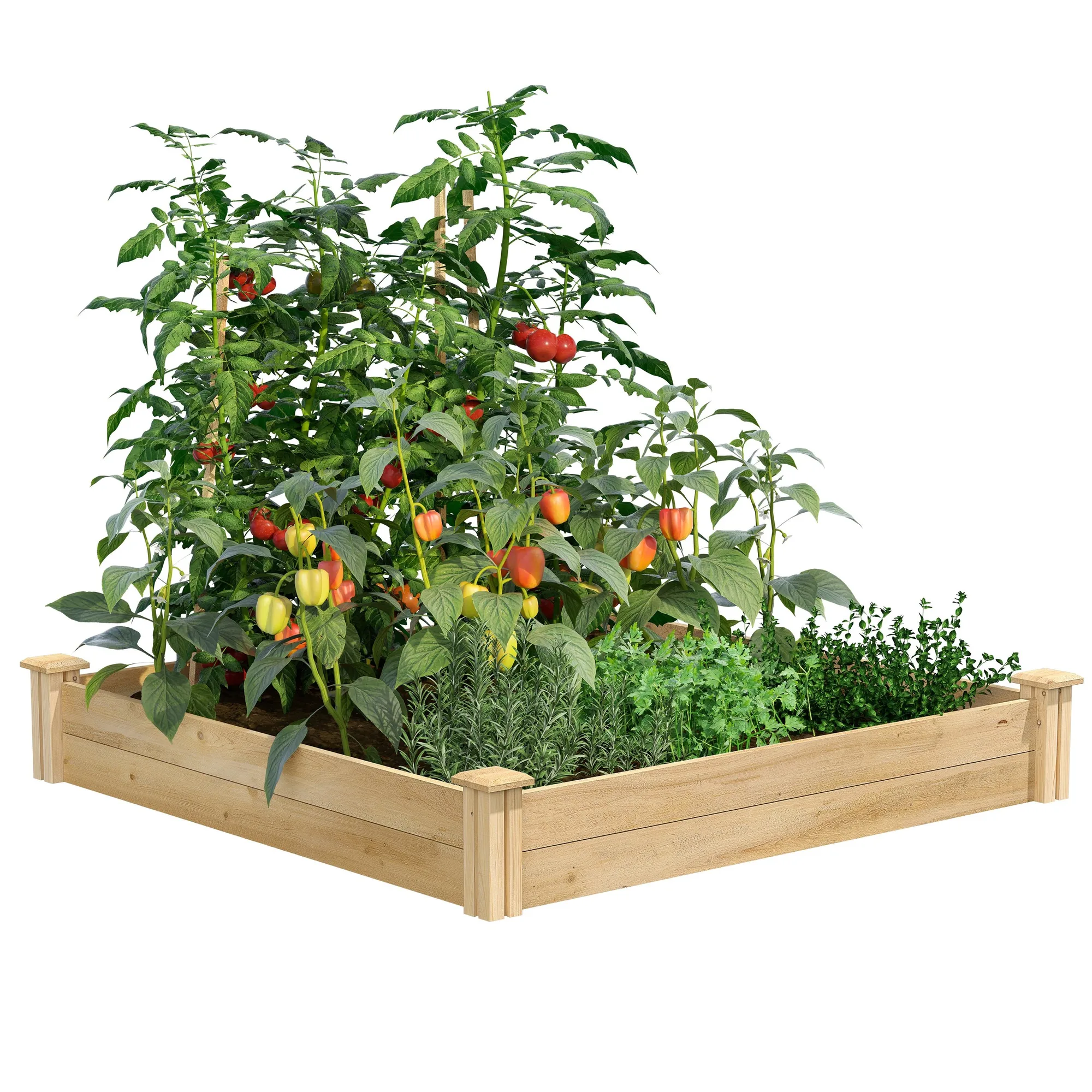
Premium Cedar Raised Garden Bed 4 ft x 4 ft x 7 in (3/4 in Thick) RC4C4
-
Premium Cedar Raised Garden Bed 4 ft x 12 ft x 14 in (3/4 in Thick) RC4814414: 4 ft x 12 ft x 14 in, made in the USA from untreated, naturally rot-resistant cedar, with sanded 3/4 in. thick boards and routed corner posts. The taller 14-inch depth gives roots more room and holds more soil, which is better for deep-rooted vegetables and water retention.
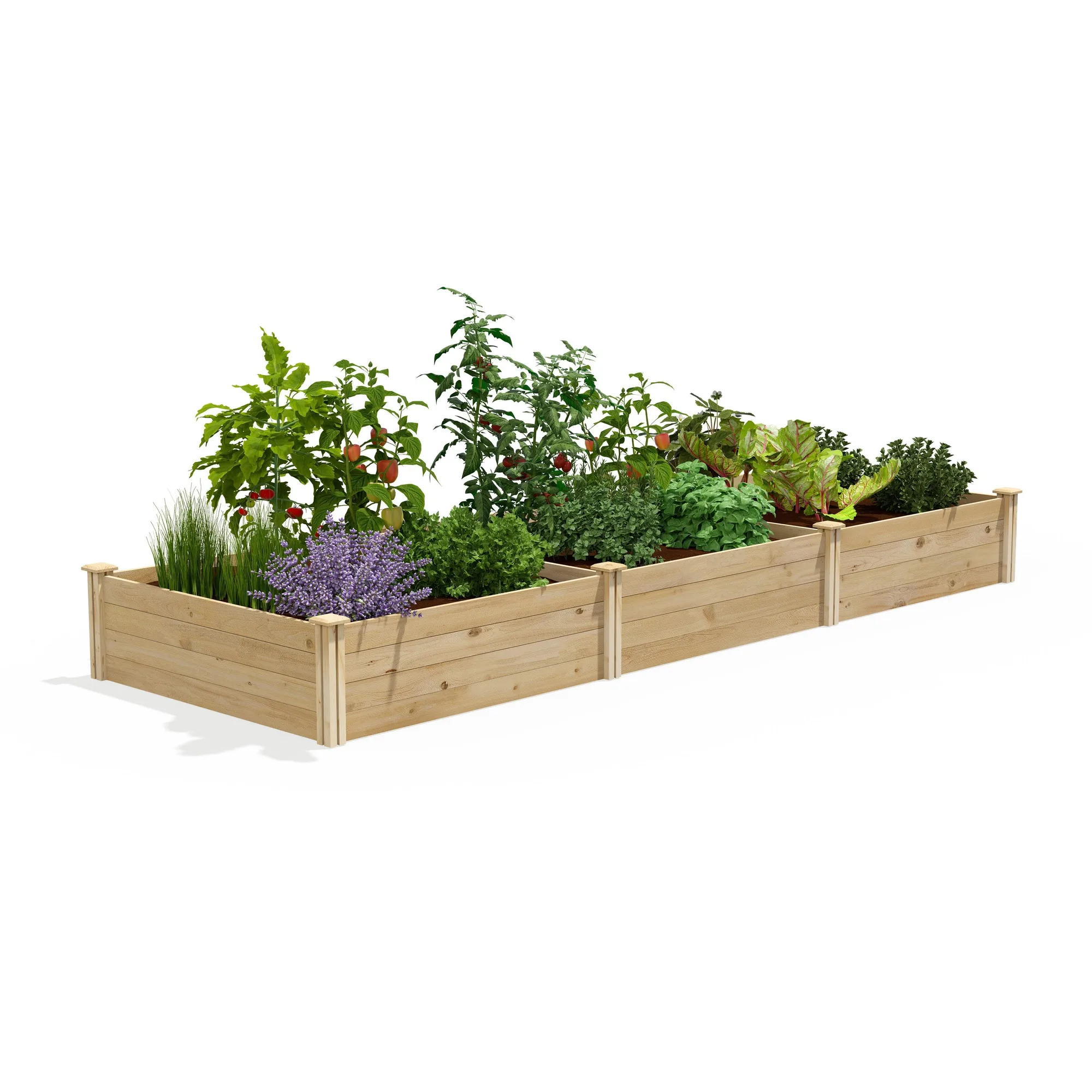
Premium Cedar Raised Garden Bed 4 ft x 12 ft x 14 in (3/4 in Thick) RC4814414
Which bed fits you best?
Best for
- Small yards, patios, or balconies where space is limited
- First-time raised-bed gardeners who want an easy, low-commitment start
- Growing herbs, lettuce, and shallow-rooted vegetables close to the house
Not for
- Gardeners with large vegetable plots who need maximum harvest space
- Anyone wanting to grow deep-rooted crops like tomatoes or carrots in taller soil