Quick Answer
To build a custom cedar raised bed, start by selecting the right boards for the sides, a floor support block for elevated bed stability, and optional trellis slats for vertical growing. This guide walks you through each choice.
Why Board Thickness and Width Matter
Standard cedar boards for raised beds are often 3/4-inch thick. Thicker boards (like 5.5-inch wide premium boards) offer more soil capacity and a sturdier look, while narrower slats are best for trellises, not side walls. Choose a board width that matches your desired bed height and the weight of the soil you plan to use.
Floor Support Blocks for Elevated Beds
If you are building an elevated raised bed with legs, a floor support block connects the leg posts and supports the floorboards. This part is critical for preventing sagging over time. The 46.5-inch block in our catalog fits standard bed lengths and adds rigidity without adding much weight.
Trellis Slats vs. Side Boards
Trellis slats are smaller (1.25 inches tall) and are meant to be placed between trellis posts, not as side walls. Using them as side boards would leave too much gap and reduce soil containment. Always match the slat size to its intended role.
How to Choose and Use Boards, Blocks, and Slats
- 1. Determine Your Bed Type: Decide if your raised bed will sit on the ground or be elevated on legs. Ground-level beds need only side boards and corner posts. Elevated beds require floor support blocks and floorboards. Skipping floor support blocks on an elevated bed can lead to a sagging or unstable floor.
- 2. Select Side Boards: Choose cedar boards at least 3/4-inch thick. For deeper beds, use wider boards (like the 5.5-inch premium board) to hold more soil. Standard 4-foot lengths work well for modular designs. Boards with knots or slight warping are fine for ground beds but may need extra fasteners for elevated ones.
- 3. Add Floor Support Blocks for Elevated Beds: Measure the distance between leg posts and cut or select a floor support block (like the 46.5-inch option) to fit snugly. Attach it to the leg posts before adding floorboards. Ensure the block is level and flush with the frame to prevent floorboard gaps.
- 4. Include Trellis Slats for Vertical Growing: If you want to grow climbing plants, install trellis posts at the ends of the bed and attach trellis slats horizontally. Space slats 6-12 inches apart for support. Do not substitute trellis slats for side boards; they are too narrow to hold soil.
- 5. Assemble and Secure: Use exterior-grade screws or nails to fasten boards to posts. For elevated beds, attach floorboards to the support block. Check for level and square before filling with soil. Pre-drill holes near knots to prevent splitting.
Key Components for Your Build
-
Second Life Wood™ Premium Cedar Board 4 ft x 5.5 in (3/4 in Thick) RCB48P FW: Second Life Wood™ 4 ft. Long Cedar Board is rot-resistant and chemical-free, with visible natural characteristics like knots and grain, at a lower price. This board is a cost-effective choice for side walls; the natural variations add character but may require extra care during assembly to align edges.
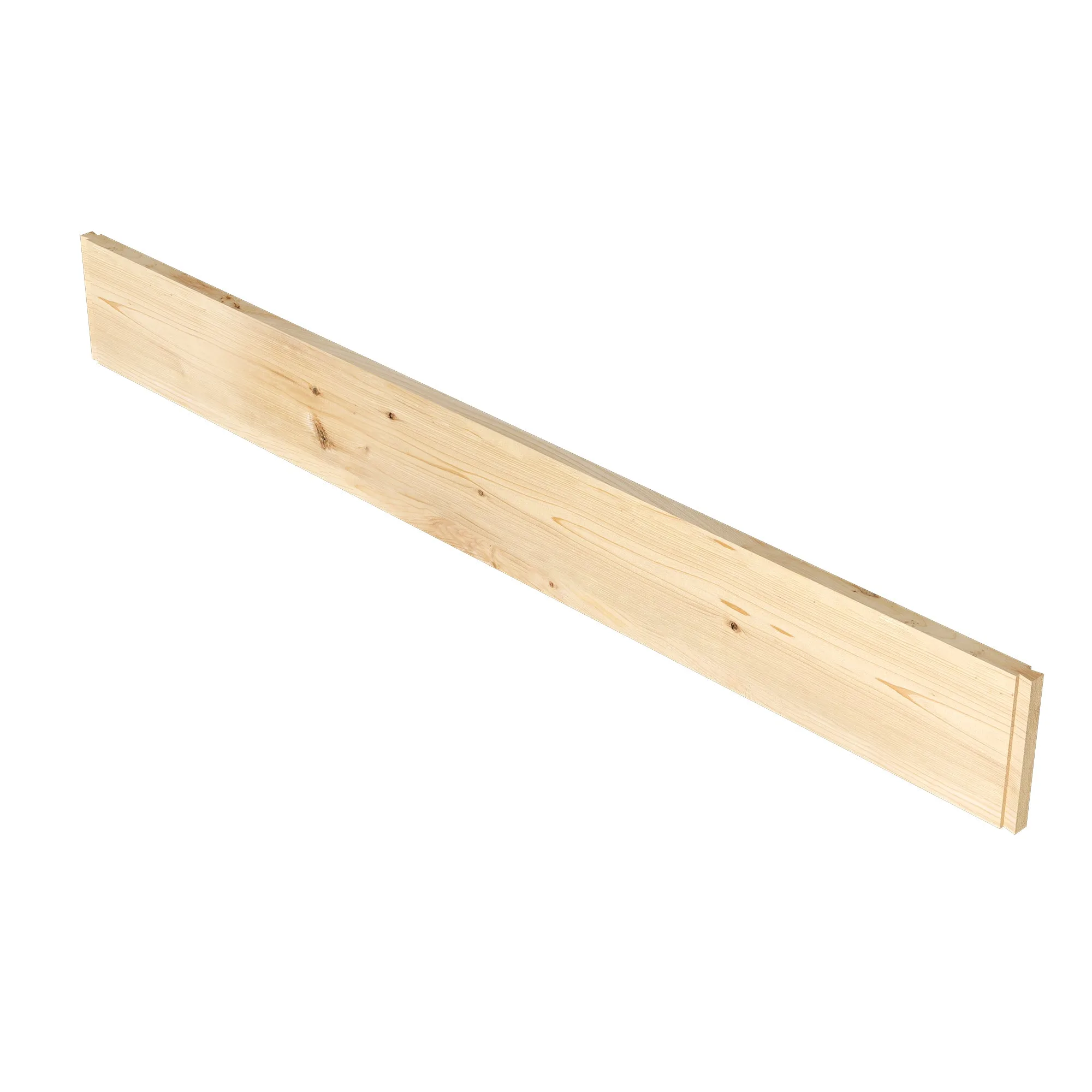
Second Life Wood™ Premium Cedar Board 4 ft x 5.5 in (3/4 in Thick) RCB48P FW
-
Premium Cedar Floor Support Block 2.5 in x 2.5 in x 46.5 in RC48FSB: The 46.5-inch floor support block adds strength and stability to elevated garden beds by securely connecting leg posts and supporting floorboards. Use this block if your raised bed is elevated to prevent the floor from bowing under the weight of soil and plants.
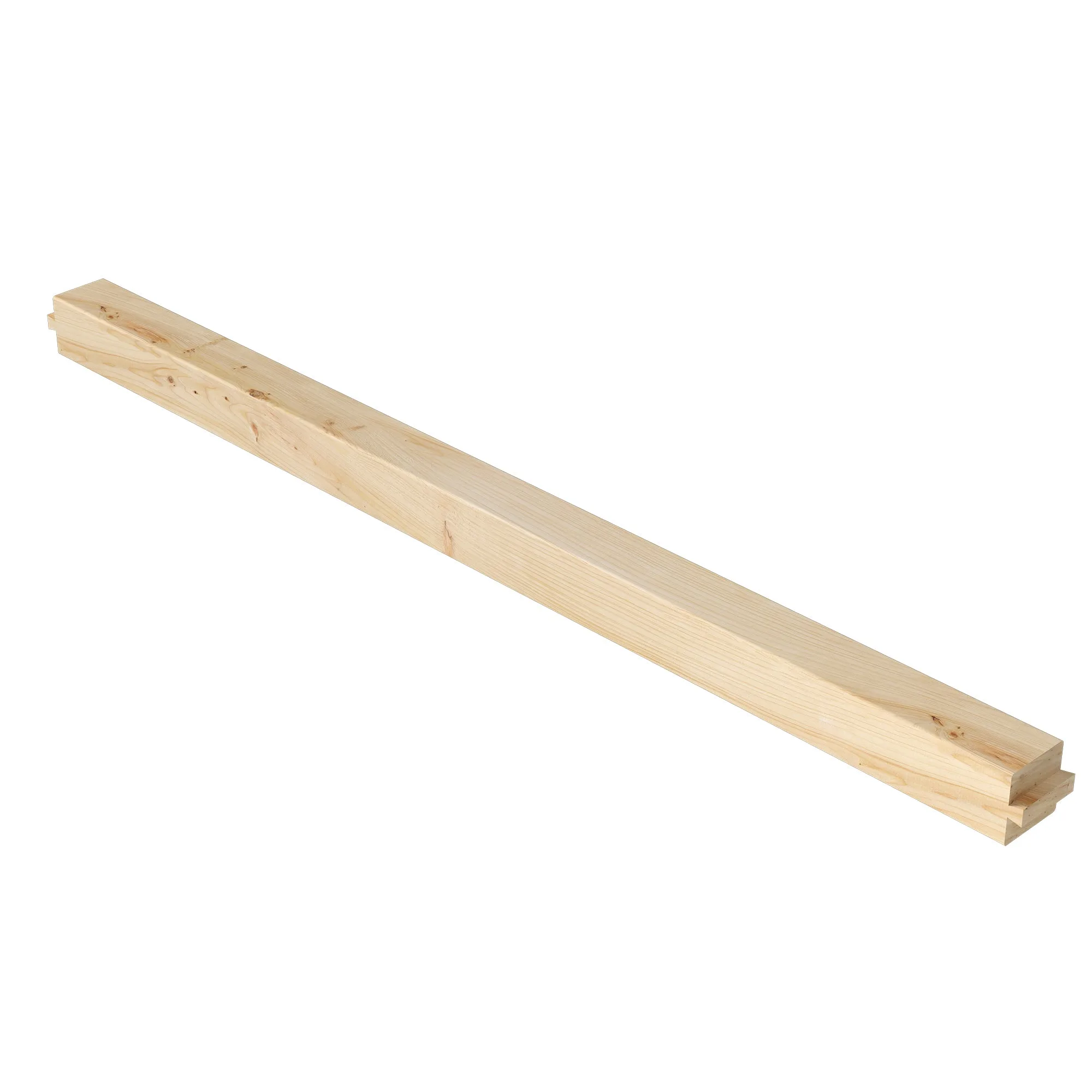
Premium Cedar Floor Support Block 2.5 in x 2.5 in x 46.5 in RC48FSB
-
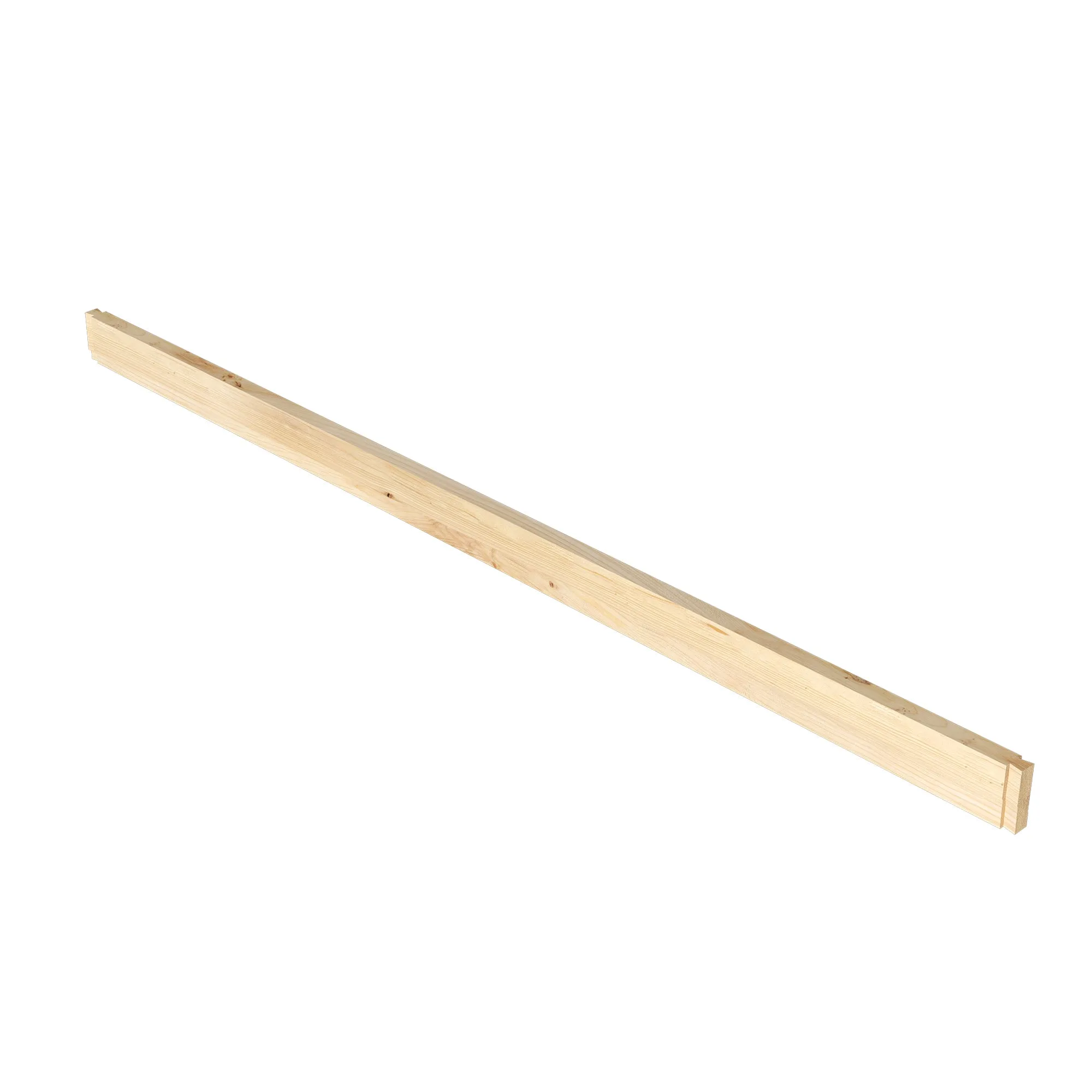
Cedar Trellis Slat 48 in RC48SLT: The 48-inch Cedar Trellis Slat is 3/4 x 1.25 inches and designed for creating a trellis between trellis posts. These slats are not for side walls; they are specifically for vertical growing structures, so buy separate side boards for the bed itself.