Quick answer
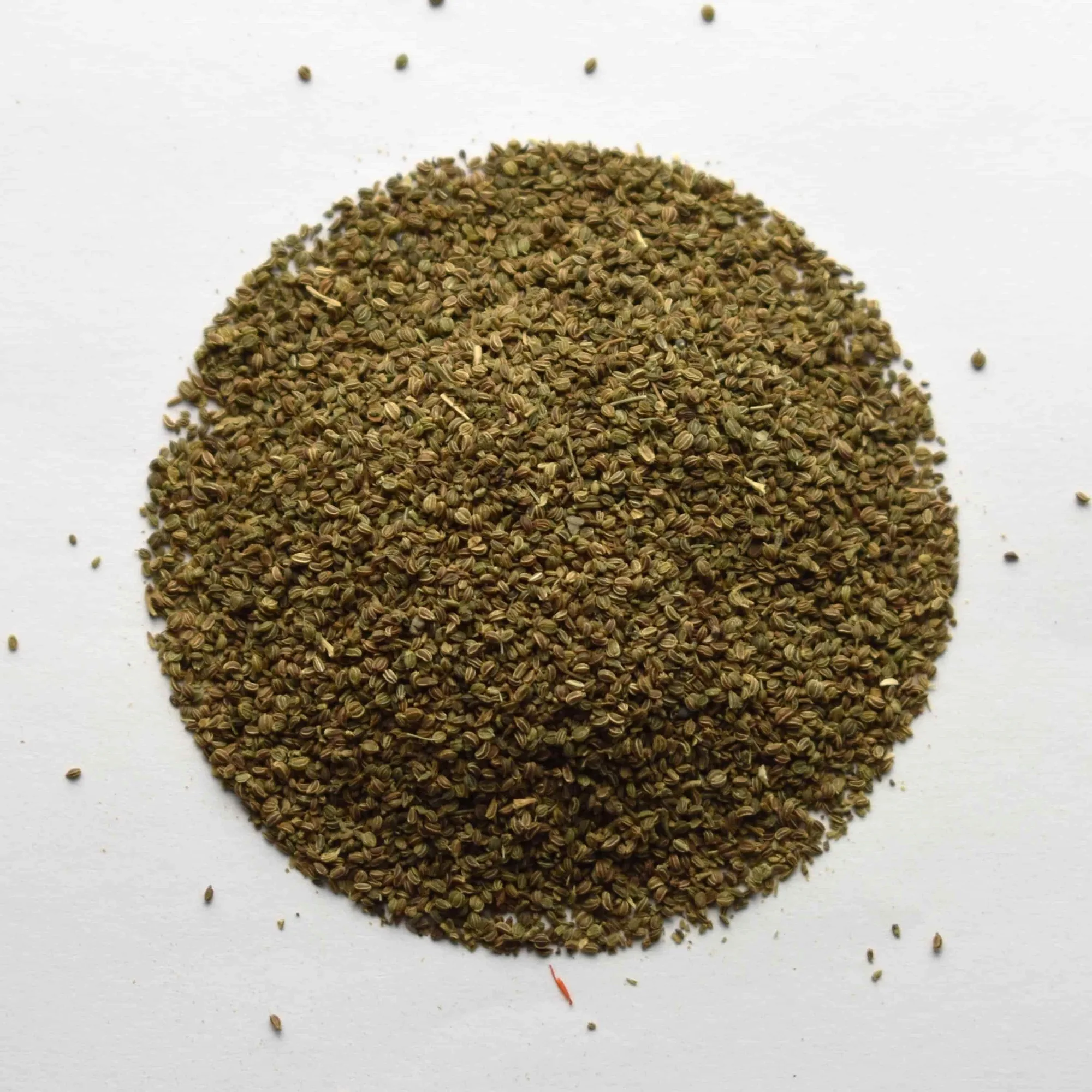
Buy whole celery seed if you cook soups, tomato sauces, fish, or egg dishes and want a sharp, fresh, slightly bitter spice that adds depth without shouting. Skip it if you prefer mild, sweet spices or need a ready-made seasoning blend. For most kitchens, a small jar of whole seed lasts months because a pinch goes a long way.
What celery seed actually tastes like
Celery seed is not the seed of the vegetable celery you buy in bunches. It comes from a small plant related to celery, and the flavor is concentrated: strong, sharp, and fresh with a slightly bitter aftertaste. Think of the most aromatic inner stalks of celery, then imagine them dried and intensified. That bitterness is a feature, not a flaw—it cuts through rich, fatty dishes like creamy soups or oily fish.
Because the flavor is so concentrated, you use far less than you would chopped celery. A quarter teaspoon can season a pot of soup for four people. Toasting the seed briefly in a dry pan before grinding or crushing it releases more aroma, but it can turn bitter if you walk away. Stay nearby and pull the pan off the heat as soon as you smell it.
Celery seed vs celery salt: the swap that trips people up
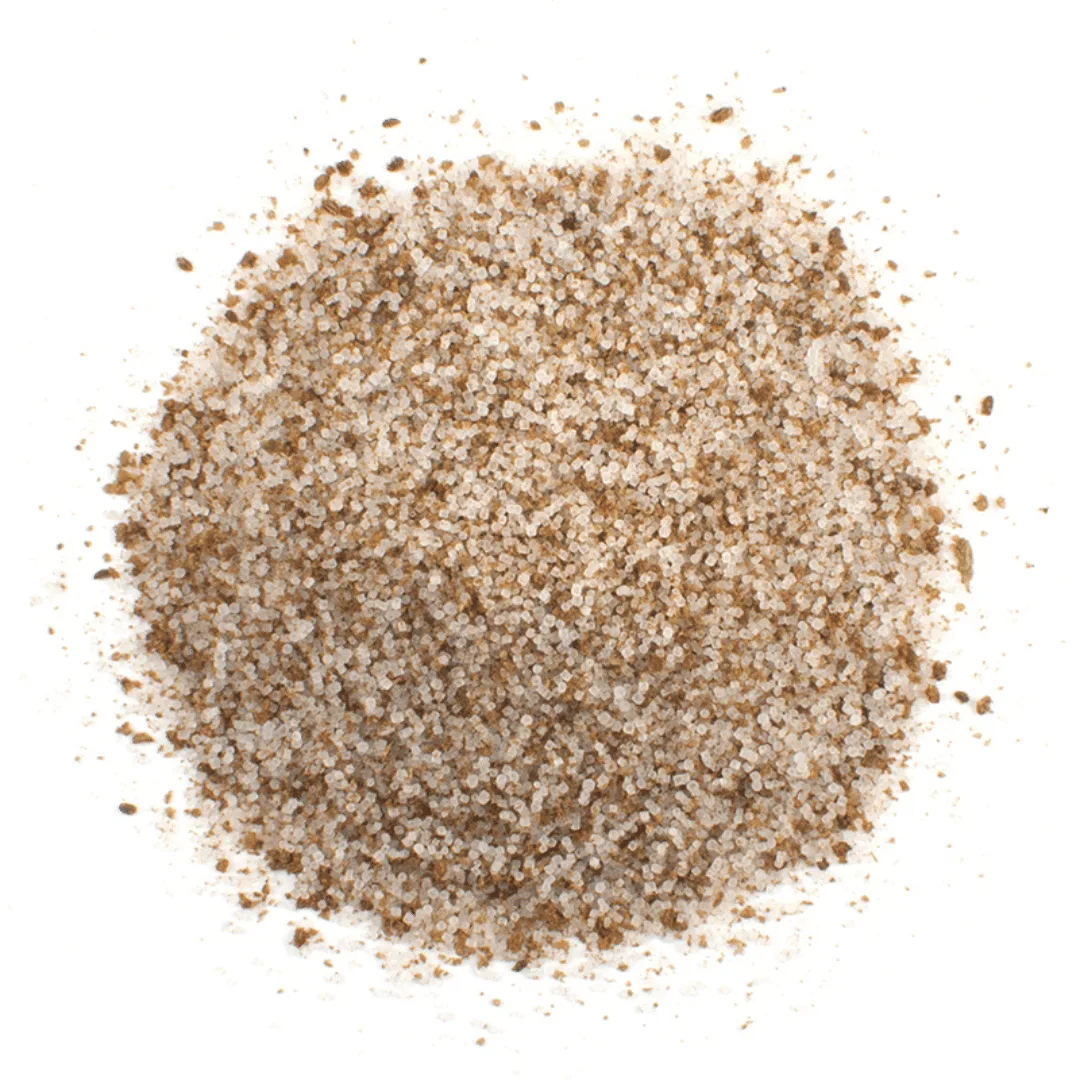
celery salt
Celery salt is a blend of ground celery seed and salt, usually with a good amount of salt. That means you cannot swap them one-for-one. If a recipe calls for celery salt and you only have whole celery seed, use about half the amount of seed plus a pinch of salt, then taste. If you go the other direction—using celery salt in place of seed—you will add salt you did not plan for, which matters in brines, marinades, and anything you reduce on the stove.
For home cooks who want control, whole celery seed is the more flexible buy. You decide how much salt goes in. It also keeps its punch longer than pre-ground seed, which loses aroma within a few months. If you already rely on celery salt for bloody marys or hot dogs, keep both: the salt for finishing, the whole seed for cooking.
Where celery seed quietly fixes bland food
The classic pairing is tomato. Celery seed marries very well with tomatoes, which is why it shows up in tomato juice, ketchup-style sauces, and long-simmered pasta sauces. Add it early so it has time to soften into the sauce. It is also great with fish and eggs: a pinch in tuna salad, deviled eggs, or a poaching liquid for white fish adds a savory backbone without competing with delicate proteins.
Soups benefit most. Vegetable soup, chicken noodle, split pea, and creamy potato soup all taste flat without a background note like celery seed. If you are out of fresh celery or cooking for someone who dislikes the texture, celery seed fills that gap. It also works in coleslaw dressing, pickles, and potato salad, where its sharpness balances mayonnaise and vinegar.
How to store and use whole seed without waste
Whole celery seed keeps its flavor longer than ground. Store it in a small airtight jar away from heat and light—not above the stove. It does not spoil, but it fades. If a sniff from the jar smells dusty rather than sharp, it is time to replace it. Because you use so little, buy the smallest size that fits your cooking frequency rather than a bulk bag you will never finish.
Crush or grind only what you need. A mortar and pestle or the back of a skillet works fine for small amounts. If you add whole seed to a soup, some people find the texture distracting; tie it in a tea ball or a piece of cheesecloth and fish it out before serving. In baked goods or dry rubs, grind it so the flavor distributes evenly.
Decision rules for buying celery seed
- If you cook soups, tomato sauces, or fish at least twice a month: Buy whole celery seed in a small jar. Its sharp, fresh, slightly bitter flavor is exactly what those dishes need, and a little goes far. Best value for regular savory cooks.
- If you only need a seasoning salt for finishing: Choose celery salt instead, or make your own by blending whole celery seed with fine Himalayan sea salt. Do not substitute celery salt for seed in recipes without adjusting salt. Skip whole seed if you never cook from scratch.
- If you want a warm baking spice, not a sharp savory one: Celery seed is the wrong direction. Cardamom is the better buy for chai, garam masala, and baked goods, even though it costs more. Match the spice to the dish, not the other way around.
- If you are unsure about bitterness: Start with a quarter teaspoon in a pot of soup. Taste at the end. Increase next time if you wanted more depth. Bitterness fades with cooking, so add early rather than at the table. Small amounts first; you can always add more.
Product facts
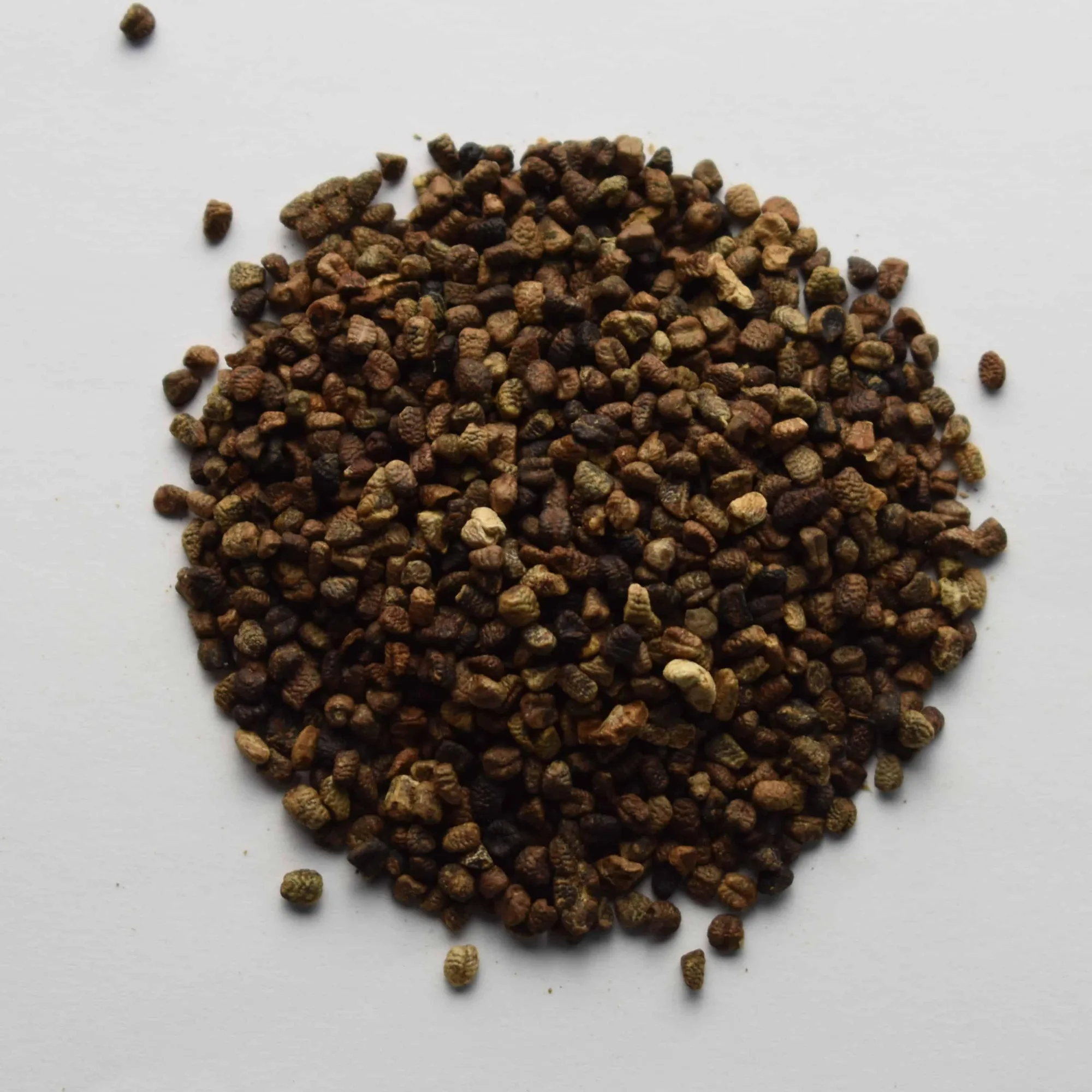
- Celery Seed, Whole: Celery Seed, Whole is native to Europe and America. It has a strong taste and is quite sharp and fresh with a slightly bitter aftertaste. It marries very well with tomatoes and is great with fish and eggs. This is the core buy for anyone who cooks tomato sauces, fish, or egg dishes and wants a sharp, fresh spice rather than a mild one.
- Cardamom Seed, Whole: Cardamom is the fruit of a tropical plant related to ginger, and is one of the world's most expensive spices, after saffron and the vanilla bean. It is essential to the cuisines of the Middle East and India, but is also a great addition to baking. If you want a warm, sweet spice for baking or chai rather than a sharp, savory one, cardamom is the better choice. It costs more because it is scarce, so buy it only if you will use it.
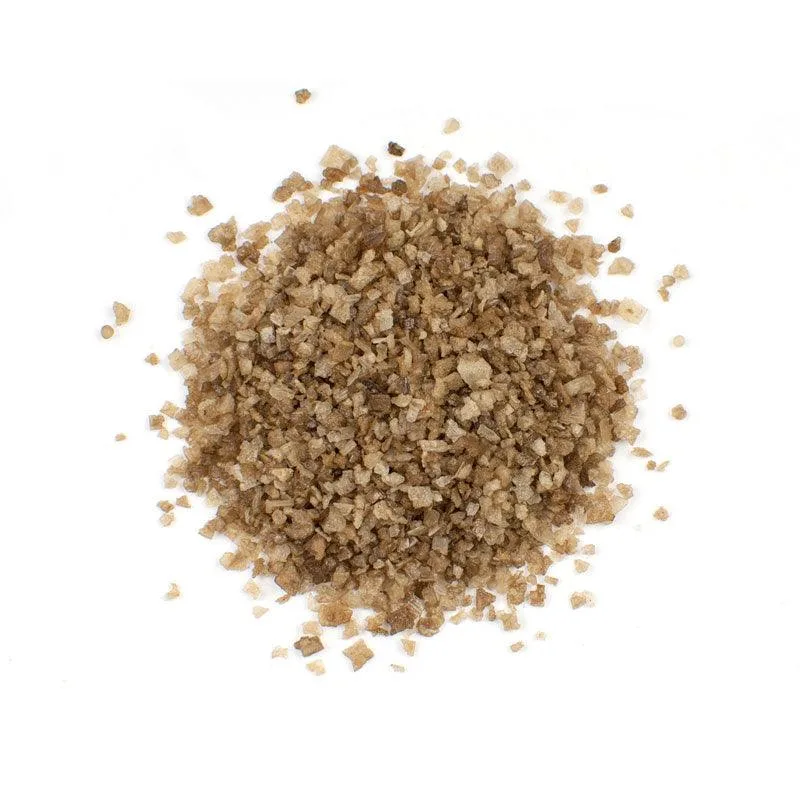
- Smoked Applewood Sea Salt: Applewood Smoked Sea Salt has a sweet flavor with a smoky aroma that compliments roasted and grilled meats. With a lighter flavor than the smoke of other woods like hickory or mesquite, applewood smoke is an ideal flavoring for more delicate proteins like seafood and poultry. Celery seed and smoked salt overlap on fish and poultry. Use celery seed for sharpness and smoked salt for a gentle smoke note; together they season without overwhelming delicate proteins.
- Himalayan Sea Salt, Fine: Himalayan Sea Salt is full of beneficial trace minerals like potassium and calcium and adds their unique flavors to your favorite dishes. If you make your own celery salt from whole celery seed, this fine salt blends evenly and adds a mineral note. Fine texture dissolves faster in brines and dressings.
Who should buy whole celery seed
Best for
- Home cooks who make soups, tomato sauces, and egg or fish dishes from scratch
- Anyone who wants to control salt separately from celery flavor
- Cooks who prefer whole spices for longer shelf life and fresher aroma
Not for
- Cooks who only want a ready-made seasoning salt for finishing
- People who dislike sharp, slightly bitter spice notes
- Bakers looking for a warm, sweet spice like cardamom