Quick answer
For dedicated deep-sky imaging, the Celestron RASA 8 astrograph delivers unmatched speed with its f/2.0 optics, while the Omni XLT 150 reflector offers a more affordable entry point for visual observation and basic astrophotography.
Speed vs. Versatility: The Core Trade-Off
The RASA 8 is purpose-built for fast, wide-field astrophotography. Its f/2.0 system captures deep-sky objects in seconds, making it ideal for short exposure imaging with modern CMOS cameras. The Omni XLT 150, with its slower f/5 ratio, requires longer exposures but provides a wider field of view for visual use and planetary imaging.
Neither OTA includes a mount or camera—both are sold as optical tube assemblies. You'll need to budget for a sturdy equatorial mount and your imaging gear. The RASA 8 demands a high-quality mount to handle its weight and focal length, while the Omni XLT 150 is more forgiving for beginners on a tighter budget.
Aperture and Light Gathering
The Omni XLT 150 offers 6 inches of aperture, gathering more total light than the 8-inch RASA 8's 203mm aperture? Actually, the RASA 8 has a larger 8-inch aperture, but its primary advantage is speed, not sheer light grasp. The Omni XLT 150's f/5 focal ratio is slower, but its longer focal length (750mm vs 400mm) provides higher magnification for smaller objects.
For deep-sky imaging, the RASA 8's fast optics mean you can capture faint nebulae and galaxies in much shorter exposures, reducing tracking errors. The Omni XLT 150, while capable of imaging, is better suited for visual observation and lunar/planetary work.
Trade-offs between the RASA 8 and Omni XLT 150
- Speed (f/ratio): RASA 8: f/2.0 – captures images in seconds. Omni XLT 150: f/5 – requires longer exposures. Choose RASA 8 if you want fast, wide-field deep-sky images. Choose Omni XLT 150 if you prefer visual observing or planetary imaging.
- Aperture and light grasp: Omni XLT 150: 6" aperture gathers more total light for visual use. RASA 8: 8" aperture but optimized for imaging speed. For visual observation, the Omni XLT 150 gives brighter views. For imaging, the RASA 8's speed outweighs the aperture difference.
- Mount and accessory requirements: Both are OTAs only. RASA 8 requires a heavy-duty equatorial mount; Omni XLT 150 is lighter and more mount-friendly. If your mount budget is limited, the Omni XLT 150 is easier to support. The RASA 8 demands a higher-quality mount.
- Cost: RASA 8: ~$1241 (list $1799). Omni XLT 150: ~$186 (list $290). Significant price gap. The Omni XLT 150 is a budget-friendly entry point. The RASA 8 is a serious investment for dedicated imagers.
Product facts at a glance
-
Celestron 8" Rowe-Ackermann Schmidt Astrograph OTA - 91073: The Celestron 8" RASA Astrograph features an f/2.0 optical system designed for use with modern color astronomical CMOS, smaller CCD, and mirrorless cameras. This extremely fast focal ratio allows you to capture deep-sky images in seconds rather than minutes, making it ideal for time-efficient astrophotography.
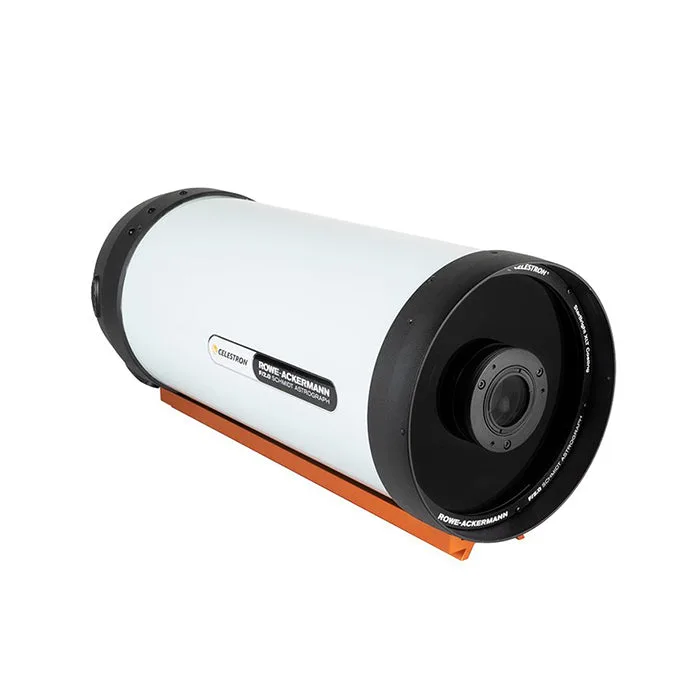
Celestron 8" Rowe-Ackermann Schmidt Astrograph OTA - 91073
-
Celestron Omni XLT 150 Reflector OTA - 31057-OTA: The Celestron Omni XLT 150 Reflector OTA offers up to 6" of light gathering capability, using aspheric shaping technology and hand-figuring for improved optics. The larger aperture provides bright, detailed views for visual observing, and the hand-figured optics deliver sharp images for planetary or lunar imaging.
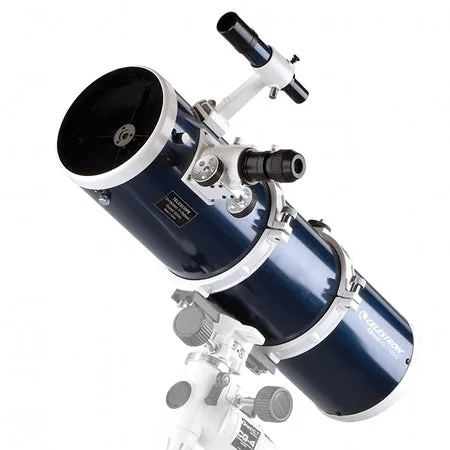
Celestron Omni XLT 150 Reflector OTA - 31057-OTA
Which OTA is right for you?
Best for
- Dedicated deep-sky astrophotographers who want to capture faint objects quickly
- Imagers using CMOS or mirrorless cameras who can invest in a sturdy mount
- Users who prioritize speed and wide-field views over visual observation
Not for
- Visual observers on a tight budget (choose the Omni XLT 150 or a Dobsonian instead)
- Planetary or lunar imaging specialists (the Omni XLT 150's longer focal length is better suited)
- Beginners who need an all-in-one telescope with mount and accessories