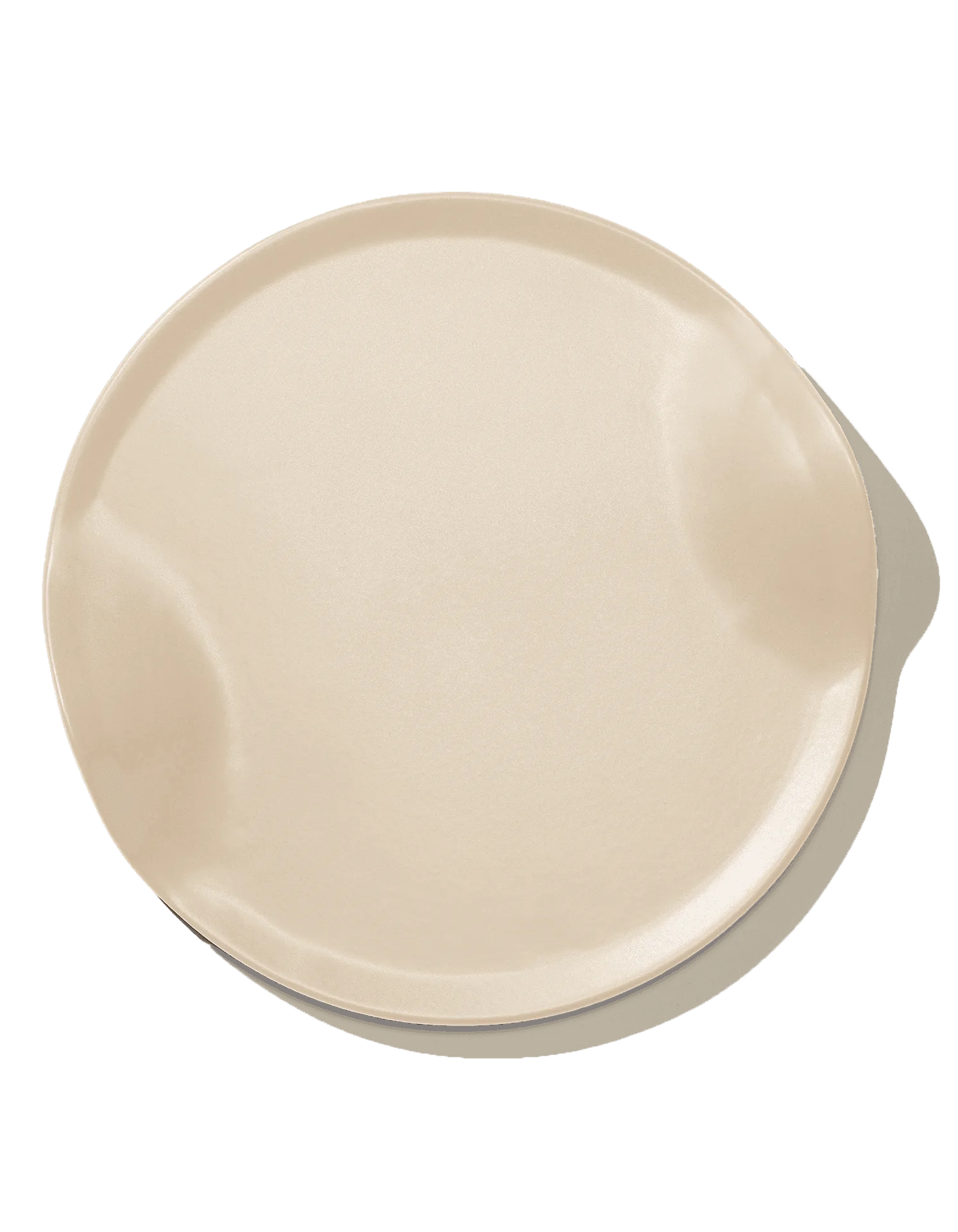
When you’re shopping for everyday dinnerware, the ceramic vs stoneware debate often comes up. Both materials look beautiful on the table, but they behave differently in the dishwasher, microwave, and during daily use. Understanding those differences helps you pick plates, bowls, and mugs that truly fit your routine.
Ceramic dishware is a broad category that includes earthenware, porcelain, and stoneware itself. In this comparison, we’ll focus on the most common two: general ceramic dinner plates (often made from porcelain or earthenware) and stoneware plates. We’ll look at durability, heat retention, weight, and maintenance so you can decide which is the best everyday dinnerware for your kitchen.
Durability and Chip Resistance
Stoneware is fired at a higher temperature than many other ceramics, which makes it denser and less porous. That higher firing temperature gives stoneware plates better resistance to chipping and cracking during daily handling. A stoneware plate can usually survive a gentle knock against a countertop or a drop from a low shelf without breaking.
General ceramic dinner plates, especially porcelain, are also quite durable but can be slightly more prone to chipping if the glaze is thin or if the piece is dropped at just the wrong angle. For families with kids or for busy weeknight dinners, stoneware often feels more forgiving. If you prefer a lighter plate that still looks refined, a high-quality ceramic dinner plate may be a better match.
- Stoneware tends to be heavier and more chip-resistant than standard earthenware or thin porcelain.
- Look for fully glazed rims on any plate to reduce the chance of edge chipping.
Weight and Feel at the Table
Stoneware has a substantial, weighty feel that many people associate with quality. That heft can make the plate feel stable when you’re carrying it to the table, and it helps keep food warm a little longer. However, if you have limited storage space or prefer lighter dishes for everyday use, stoneware might feel a bit cumbersome.
Porcelain and other ceramic dinner plates are generally lighter and thinner while still being strong. They stack more compactly in cabinets and are easier to handle when you’re serving a large meal. The choice here comes down to personal preference: do you like a solid, grounded feel, or do you prefer a lighter, more delicate touch? Both can work beautifully for everyday dining.
- Heavier stoneware plates are great for hearty meals; lighter ceramic plates work well for quick breakfasts or lunch.
- Consider how many plates you’ll stack – stoneware stacks take up more vertical space.
Heat Retention and Microwave Safety
Stoneware’s density means it holds heat longer than many other ceramics. That’s a plus if you want your dinner to stay warm through a leisurely meal, but it also means the plate itself can get very hot in the microwave. Always use a pot holder or trivet when handling a stoneware plate that’s been microwaved.
Most ceramic dinner plates, including porcelain, are microwave-safe but heat up more evenly and cool down faster. They’re less likely to burn your fingers when you take them out. Both materials are generally oven-safe, but always check the manufacturer’s guidelines. For example, a piece like The Goun Noodle Bowl is designed for high heat, but not every ceramic piece is.
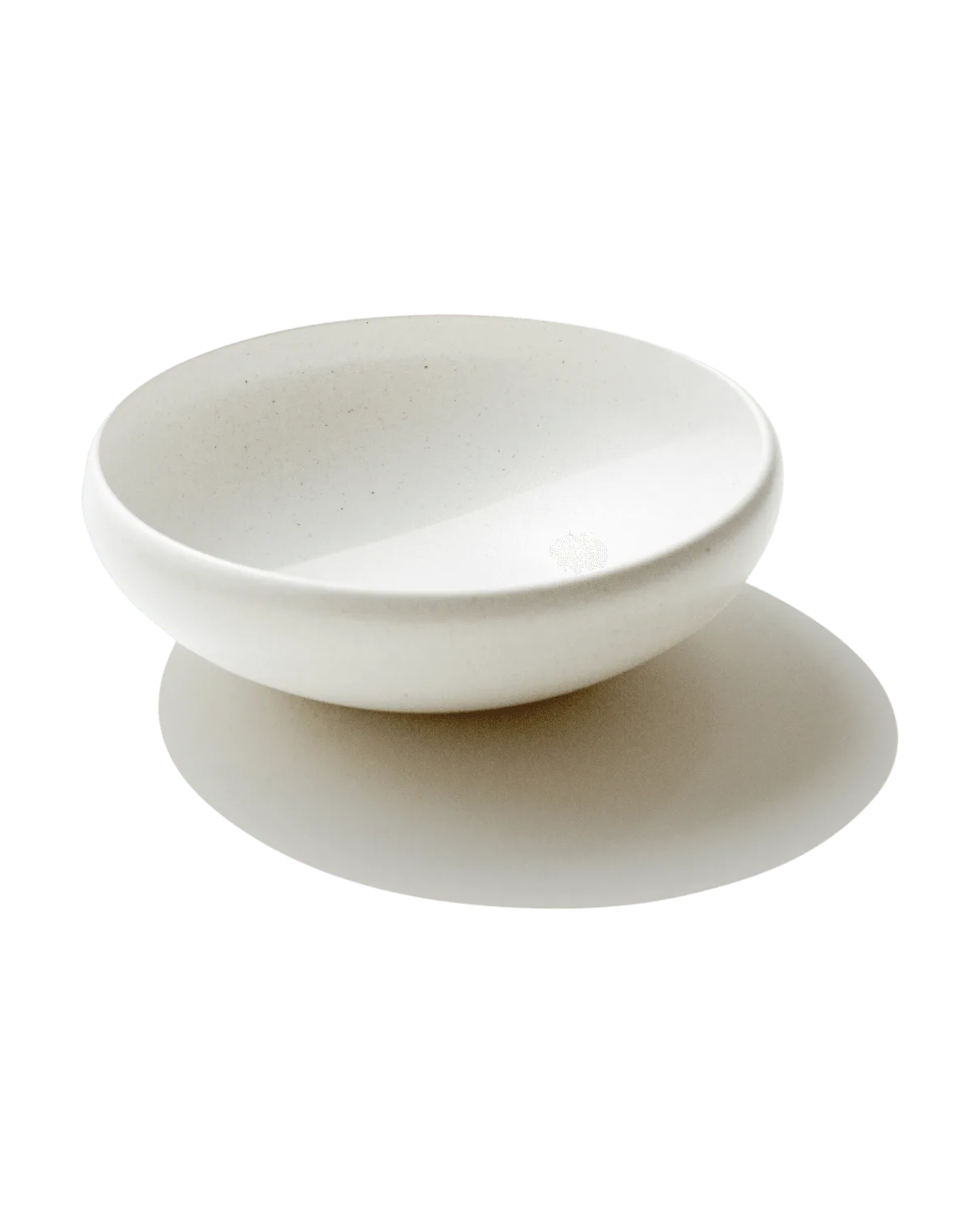
The Goun Noodle Bowl
- Always test a new plate by microwaving it with a cup of water for 30 seconds; if the plate is hot and the water is cool, it’s not microwave-safe.
- Use a trivet like the Artisan Felt Pom Pom Trivet to protect your table from hot stoneware.

Artisan Felt Pom Pom Trivet
Ease of Cleaning and Maintenance
Both ceramic and stoneware are dishwasher-safe in most cases, but stoneware’s lower porosity means it absorbs less water during the wash cycle. That can help prevent crazing – those tiny cracks in the glaze that sometimes appear over time. If you run your dishwasher daily, stoneware may keep its glossy finish longer.
General ceramic dinner plates, especially those with a high-quality glaze, also clean up easily. The main maintenance tip for both is to avoid sudden temperature changes, like putting a hot plate directly under cold running water. That can cause thermal shock and cracking. For everyday use, either material will serve you well if you handle it with basic care.
- Let plates cool completely before washing to prevent thermal stress.
- Avoid metal utensils on glazed surfaces to keep the finish scratch-free.
Choosing between ceramic dishware and stoneware for everyday use really depends on your priorities. Stoneware offers extra durability and heat retention, making it a reliable workhorse for busy households. Ceramic dinner plates, especially porcelain, give you a lighter, more elegant feel that still holds up well. Whichever you pick, look for well-glazed pieces from a trusted maker – and don’t be afraid to mix both in your cupboard for variety.