Meal prep is a game-changer for busy lifestyles, saving time and money while encouraging healthier eating. But the vessel you choose can make or break your routine. Ceramic and glass bowls are two popular eco-friendly options, each with distinct strengths. In this comparison, we'll pit the classic ceramic lunch bowl against the Seal Tight Glass Bowl to help you decide which is better for your meal prep needs.
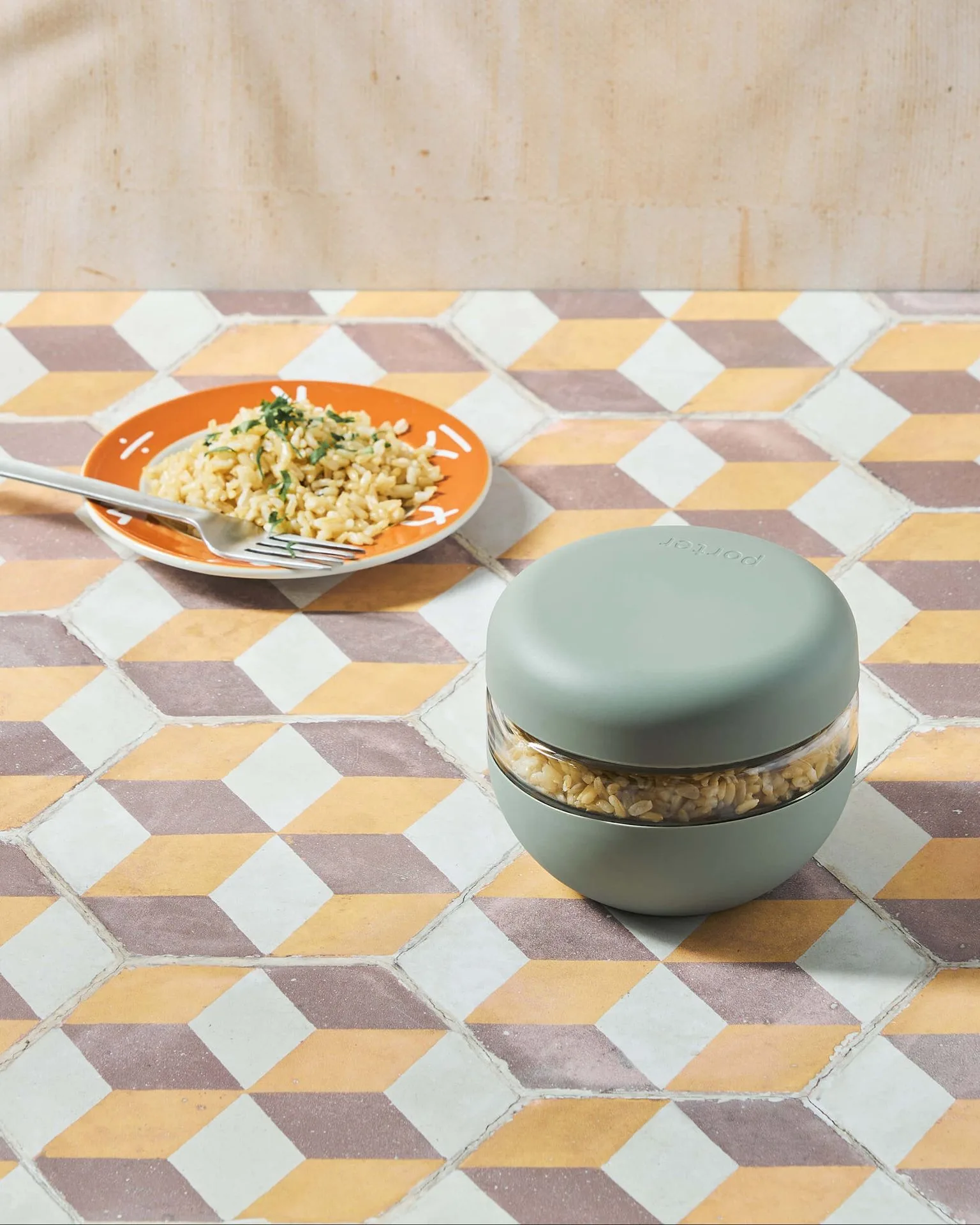
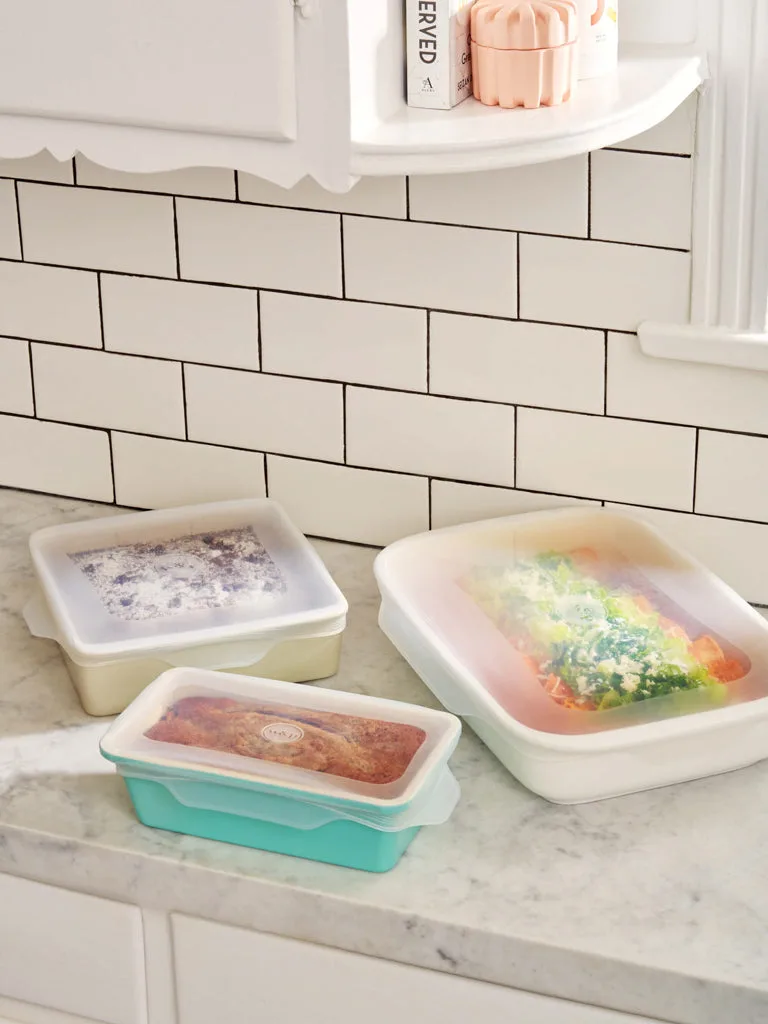
Seal Tight Glass Bowl
Both materials are sustainable alternatives to plastic, but they differ in weight, durability, heat retention, and versatility. Whether you're packing salads, soups, or leftovers, understanding these differences will guide you to the perfect bowl for your kitchen.
Material Matters: Ceramic vs Glass
Ceramic bowls are typically made from clay fired at high temperatures, resulting in a durable, non-porous surface. They often feature beautiful glazes that add a touch of elegance to your table. Ceramic is excellent for retaining heat, keeping your meals warm longer, which is ideal for hot dishes like stews or pasta.
Glass bowls, like the Seal Tight Glass Bowl, are made from borosilicate or tempered glass, known for their clarity and resistance to thermal shock. Glass is non-porous and doesn't absorb odors or stains, making it a hygienic choice for storing acidic foods like tomato sauce or citrus-based dressings.
- Ceramic: excellent heat retention, aesthetic appeal, but heavier and more fragile.
- Glass: see-through for easy identification, non-porous, and often microwave and dishwasher safe.
Durability and Weight: What to Expect
When it comes to durability, both materials have pros and cons. Ceramic is chip-resistant but can crack if dropped on a hard surface. Glass, especially tempered glass, is more impact-resistant but can shatter if subjected to extreme temperature changes. For daily commuting, weight is a crucial factor: glass bowls tend to be heavier than ceramic, which might be a consideration if you carry your lunch in a backpack.
The Seal Tight Glass Bowl is designed with a secure, leak-proof lid, making it a reliable option for transporting soups or salads without spills. Ceramic bowls often come with lids too, but they may not be as airtight. If you prioritize portability and worry about leaks, glass might have the edge.
- If you're prone to dropping things, consider the impact resistance of tempered glass.
- For oven-to-table versatility, ceramic can go from oven to table, but glass bowls are often not oven-safe.
Heat Retention and Cooking Versatility
Ceramic bowls are champions at retaining heat, making them perfect for serving hot meals that stay warm during a long lunch break. They are also safe for use in microwaves and ovens (depending on the glaze), allowing you to reheat or even bake directly in the bowl. This versatility is a big plus for meal preppers who like to cook and store in the same dish.
Glass bowls, like the Seal Tight Glass Bowl, are microwave-safe but typically not oven-safe unless specified. They excel in cold storage, keeping salads crisp and chilled. If your meal prep involves mostly cold items like grain bowls, salads, or fruit, glass is a fantastic choice. For hot meals, you might need to transfer to a plate or use a ceramic bowl.
Eco-Friendliness and Food Storage
Both ceramic and glass are eco-friendly alternatives to single-use plastic. They are reusable, recyclable, and free from harmful chemicals like BPA. However, glass is infinitely recyclable without loss of quality, whereas ceramic, if glazed, may not be recyclable in all facilities. For the eco-conscious consumer, glass might have a slight edge in terms of end-of-life recyclability.
When it comes to food storage, both materials preserve freshness well. The Seal Tight Glass Bowl features an airtight seal that keeps food fresh longer and prevents leaks. Ceramic bowls with lids can also be effective, but you must ensure the lid fits well. Additionally, glass is non-porous, so it won't absorb odors from strong foods like garlic or curry, while ceramic glazes can sometimes retain odors if not properly sealed.
Versatility in the Kitchen
Beyond meal prep, both bowls can multitask. Ceramic bowls double as beautiful serving dishes for parties or cozy dinners. Glass bowls are perfect for marinating, as the non-reactive surface won't interact with acidic marinades. They also allow you to see the contents, making it easy to monitor pickling or fermenting projects.
For a complete eco-friendly kitchen, consider pairing your bowls with other sustainable accessories. For instance, the Utensil Set is a great addition to any meal prep routine, offering reusable utensils that reduce plastic waste. Similarly, the Everyday Ice Tray can help you make ice cubes for refreshing drinks, and the Insulated Tumbler keeps your beverages at the perfect temperature.
In the battle of ceramic lunch bowl vs glass bowl, the best choice depends on your meal prep habits. If you love hot, hearty meals and want a bowl that transitions from oven to table, ceramic is your ally. If you prioritize leak-proof portability, easy identification, and cold storage, the Seal Tight Glass Bowl is a stellar pick. Both are eco-friendly investments that reduce plastic waste, so you can't go wrong. Explore the Seal Tight Glass Bowl to elevate your meal prep game today.