Quick Answer
If you prioritize lightweight, easy-to-clean, and versatile cookware for everyday meals, a ceramic pan is your best bet. If you value superior heat retention and don't mind extra maintenance, a cast iron skillet is a classic choice. For most home cooks, a ceramic pan offers the best balance of convenience and performance.
When it comes to choosing cookware, the debate between ceramic pans and cast iron skillets is a common one. Both have loyal followings and distinct advantages, but the right choice depends on your cooking style, priorities, and kitchen habits. In this comparison, we'll break down the key differences to help you decide which one deserves a spot on your stovetop.
We'll explore factors like heat performance, maintenance, versatility, and durability, using real product examples from our store to ground the discussion. Whether you're a busy parent whipping up weeknight dinners or a home chef perfecting your sear, understanding these trade-offs will guide you to the perfect pan.
Heat Performance: Even Heating vs. Superior Retention
Cast iron skillets are renowned for their exceptional heat retention. Once heated, they maintain a steady temperature, making them ideal for searing meats and achieving a perfect crust. However, they can develop hot spots if not preheated properly, and they take longer to heat up. This makes them a favorite for slow cooking and frying.
Ceramic pans, on the other hand, offer rapid and even heating. The ceramic coating distributes heat uniformly across the surface, reducing the risk of scorching. They heat up quickly, saving you time in the morning rush. For delicate tasks like sautéing vegetables or cooking eggs, a ceramic pan provides gentle, consistent heat that prevents sticking.
- Cast iron: best for high-heat searing and slow simmering.
- Ceramic: ideal for quick, even cooking with less oil.
Maintenance and Cleanup: Effortless vs. Labor-Intensive
One of the biggest differences lies in upkeep. Cast iron requires seasoning to maintain its non-stick surface and prevent rust. You must avoid soap, dry it thoroughly, and oil it after each use. This can be off-putting for those who prefer a quick cleanup.
Ceramic pans are a breeze to clean. The non-stick ceramic surface allows food to release easily, and most are dishwasher-safe. A simple wipe or gentle wash is all it takes. For busy home cooks, the convenience of ceramic is a significant advantage, especially when you want to spend less time scrubbing and more time enjoying your meal.
- Cast iron: requires seasoning and careful drying.
- Ceramic: low-maintenance, often dishwasher-safe.
Versatility and Weight: From Stovetop to Oven
Both types are versatile, but they excel in different areas. Cast iron is oven-safe and can go from stovetop to oven without issue, making it perfect for dishes like frittatas or cornbread. However, it is heavy and can be cumbersome to handle, especially for those with limited strength or storage space.
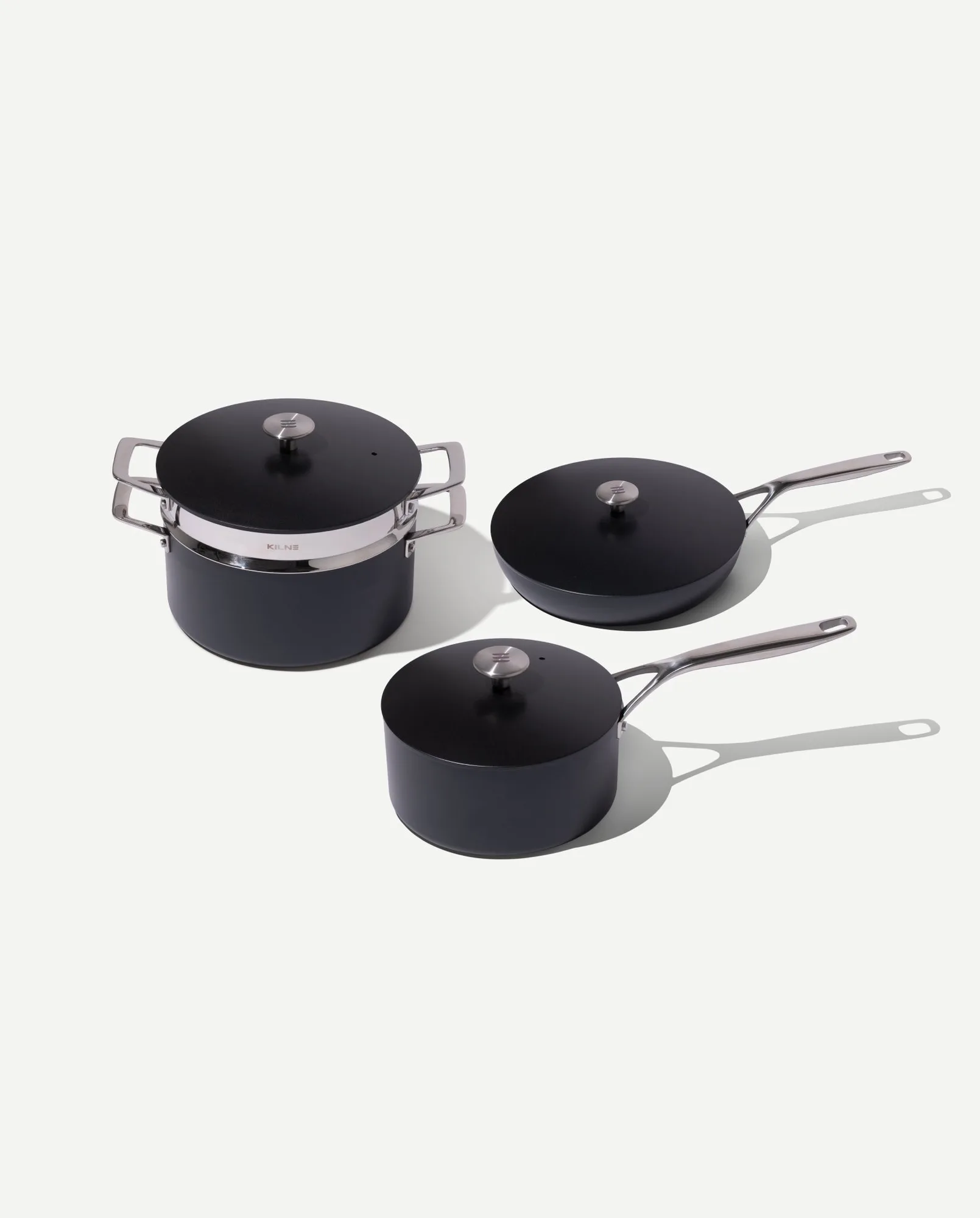
Ceramic pans are lighter and easier to maneuver, yet many are also oven-safe. For example, The 9.5" Ceramic Pan is designed to replace up to nine pieces of cookware, handling everything from frying to baking. Its lighter weight makes it a practical choice for everyday use, especially when flipping pancakes or tossing vegetables.
- Cast iron: excellent for oven-to-table dishes but heavy.
- Ceramic: lightweight and multi-functional, ideal for daily cooking.
Trade-Offs at a Glance
- Ease of Use: Ceramic pans heat quickly, are lightweight, and clean easily, while cast iron requires preheating and more maintenance. Choose ceramic for convenience and speed.
- Heat Retention: Cast iron holds heat exceptionally well, making it superior for searing and slow cooking, but it can be prone to hot spots. Choose cast iron for high-heat searing.
- Maintenance: Ceramic is low-maintenance and often dishwasher-safe; cast iron needs seasoning and careful drying to prevent rust. Choose ceramic if you want minimal upkeep.
Product Facts: Ceramic Pans in Action
- The 9.5" Ceramic Pan: Made in Italy with a patented longer-lasting non-stick ceramic coating. Multi-functional: replaces up to 9 pieces of cookware. This pan's versatility means you can fry, sauté, roast, and even bake, reducing the need for multiple pans and saving cabinet space.
- The Ceramic Pan Pair: Includes the 11" Ceramic Pan and its 9.5" counterpart (lids included), made without harmful chemicals for effortless cleanup. Having both sizes lets you cook a full meal simultaneously—entrée in the big pan, sides in the mini—streamlining your cooking process.
Which One Fits You?
Best for
- Busy home cooks who want quick, easy cleanup and lightweight pans for everyday meals.
- Those who prefer cooking with less oil and want a non-stick surface without chemical coatings.
Not for
- Traditionalists who value heat retention and don't mind extra maintenance.
- Campers or outdoor cooks who need a durable, rugged pan that can withstand high heat and rough handling.
Choosing between a ceramic pan and a cast iron skillet ultimately comes down to your cooking priorities. If you value convenience, versatility, and effortless cleanup, a ceramic pan like The 9.5" Ceramic Pan is a fantastic choice. For those who appreciate the classic performance of cast iron, it remains a timeless workhorse. Explore our collection to find the perfect addition to your kitchen.