Quick answer
The clearest restaurant dinnerware trends for 2026 are warm, earthy stoneware glazes, square-sided plates that frame food without crowding it, and made-to-order hospitality ceramics that let kitchens match a specific clay and glaze. If you are outfitting a dining room, start with a square-sided entree plate and a matching bread plate, then choose your glaze and clay to fit the room.
Why square-sided plates are showing up on more tables
Square-sided plates give a kitchen more usable surface for the same footprint. A vertical rim contains sauces and garnishes while the flat center leaves room to plate a main course without crowding it. That combination is why square silhouettes keep appearing in chef dinnerware trends alongside the round coupes that have dominated for years.
The tradeoff is storage and handling. Square plates nest less tightly than round ones and can chip at the corners if they are stacked carelessly, so plan shelf space and train staff on how they are racked.
What stoneware color trends actually look like in 2026
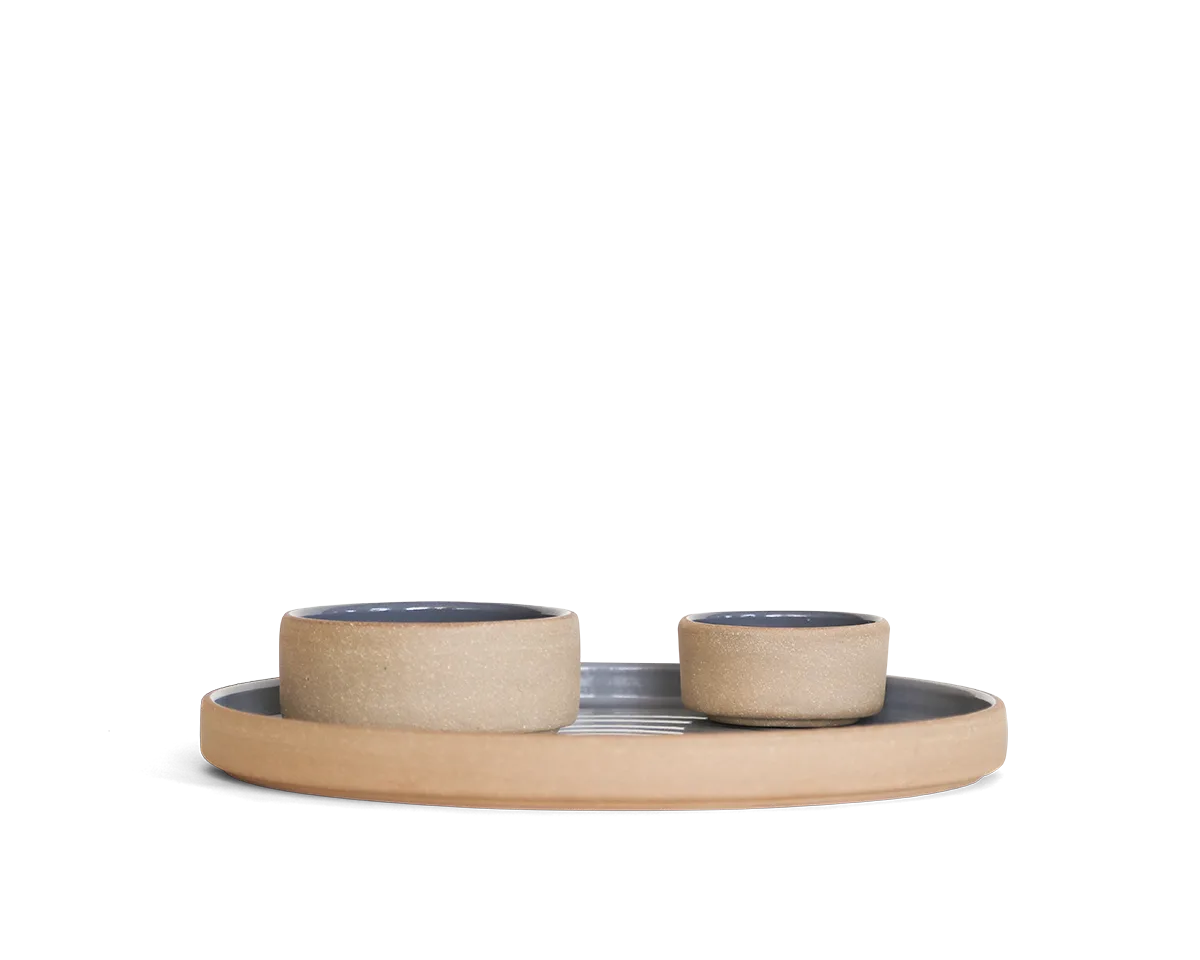
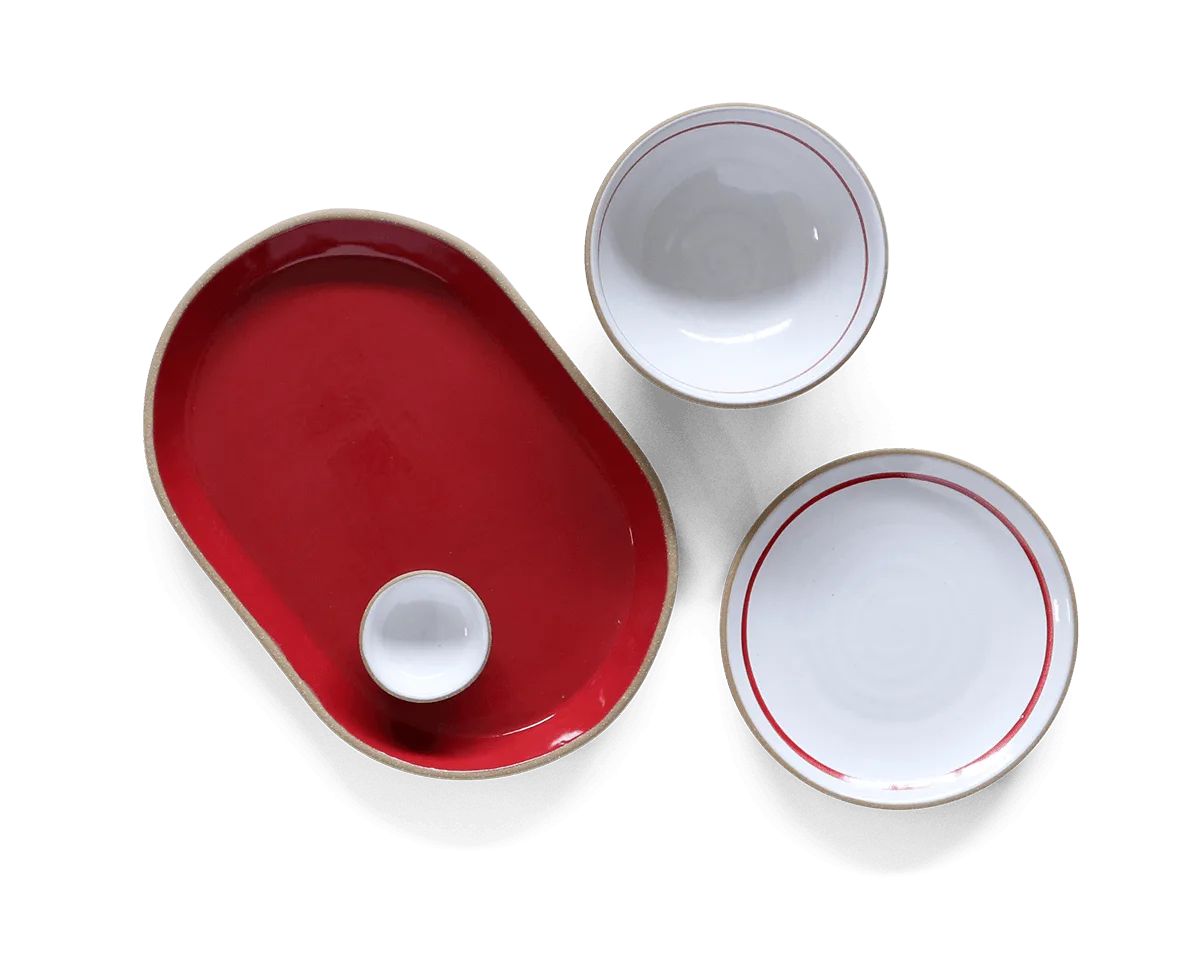
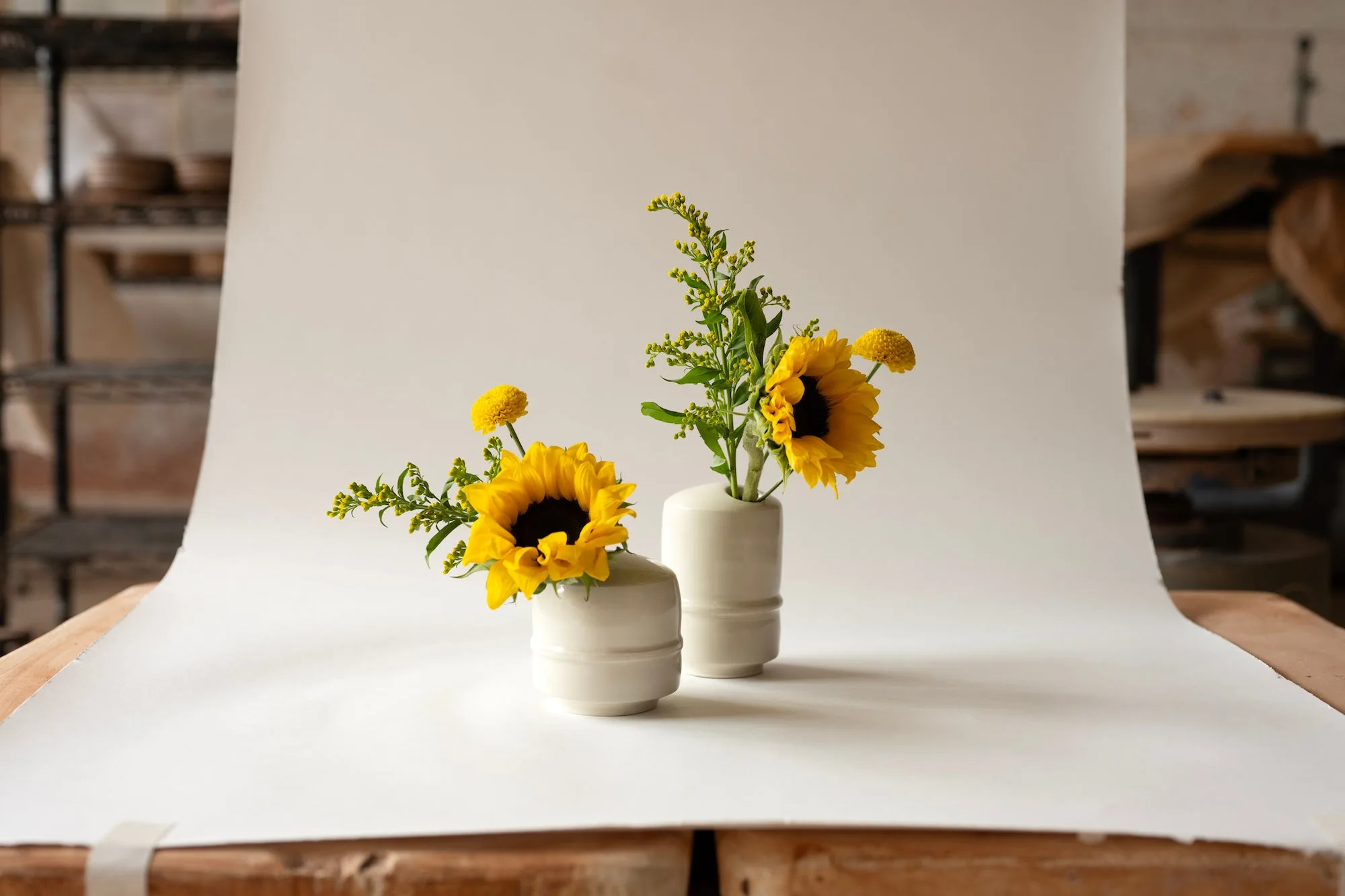
The stoneware color trends for 2026 lean warm and muted: clay-forward neutrals, soft earth tones, and glazes that read as food-friendly rather than decorative. The practical reason is contrast. A warm neutral plate makes greens, grains, and proteins look intentional, while a bright or heavily patterned plate competes with the food.
Because glazes are applied by hand, color varies slightly from piece to piece. Treat that variation as a feature of hospitality ceramics rather than a defect, and order a few extra pieces so a replacement later still blends in.
How to specify a made-to-order hospitality order
Made-to-order ceramics let you lock a clay and glaze to your concept instead of choosing from whatever is in stock. The catch is lead time and minimums, which are set per order rather than published as a fixed schedule. Confirm both before you commit to a launch date.
A practical sequence: decide your plate sizes first, choose clay and glaze second, and confirm lead time and order minimums last. That order keeps you from falling in love with a glaze that cannot arrive in time.
Reader questions about 2026 restaurant ceramics
Are square plates replacing round ones?
No. Square-sided plates are gaining ground because the vertical rim and flat center make plating easier, but round coupes remain common for share plates and courses that read better in a circle. Choose the shape per course, not per restaurant.
What glaze colors are restaurants choosing?
Warm, muted, clay-forward tones dominate because they let food color lead. Hand-applied glazes vary slightly between pieces, so order extras if you need a uniform look. Buy a few more pieces than you need for future replacements.
How far ahead should I order hospitality ceramics?
Pro Shop orders are often made or glazed to order, and lead time is confirmed by email rather than posted. Minimums and increments also apply, so build the ordering step into your opening timeline. Confirm lead time and minimums before you set a launch date.
Can I put my restaurant's name on the plates?
Custom back-stamping is available as an option on Pro Shop pieces, which lets a kitchen mark its own dinnerware without changing the front-facing design. Ask about back-stamping when you place the order, not after.
Products behind these trends
- Pro Shop 10.5" Square Sided Entree Plates: Pro Shop 10.5" Square Sided Entree Plates measure 10.5" W x 1" H and weigh about 2 lbs, with a Pro Shop order minimum of 24 pieces that increase in lots of 6. The size suits a full main course, and the 24-piece minimum with 6-piece increments means you can scale a small dining room without over-ordering.
- Pro Shop 6" Square Sided Bread Plates: Pro Shop 6" Square Sided Bread Plates measure 6"W x 1"H and weigh about 0.75 lbs, with the same 24-piece minimum and 6-piece increments. At under a pound each, they are easy for servers to carry and stack, making them a low-effort way to extend the same square silhouette across the table setting.
- 10.5” Square Sided Entree Plate: The 10.5" Square Sided Entree Plate has a hand-etched spiral at the center, a flat surface, and a vertical rim designed for plating a main course. The vertical rim holds sauces and sides in place, so a plate can carry a full composed dish without the presentation running into the edge.