Indoor plants have become a staple in modern home decor, bringing life, color, and a sense of calm to any room. But once you've chosen your favorite greenery, the next big decision is selecting the right container. Two popular options often top the list: ceramic vases and planters. While they may seem interchangeable, each serves a distinct purpose and offers unique benefits for your plants and your interior style.
In this guide, we'll break down the key differences between ceramic vases and planters, covering drainage, plant health, aesthetics, and versatility. Whether you're a seasoned plant parent or a beginner looking to elevate your space, understanding these differences will help you make an informed choice that keeps both your plants and your decor thriving.
What Are Ceramic Vases and Planters?
Ceramic vases are typically designed as decorative vessels for cut flowers or dried arrangements. They often feature narrow necks and come in a variety of shapes—from tall and slender to round and bulbous. Most ceramic vases do not have drainage holes, as they are meant to hold water for fresh blooms rather than soil for living plants. Their primary role is aesthetic, making them a favorite for styling mantels, dining tables, or entryways.
Planters, on the other hand, are purpose-built for potted plants. They usually have drainage holes at the bottom to prevent waterlogging, which is essential for root health. Planters come in many materials, but ceramic planters are especially prized for their durability, weight, and timeless appeal. They often include a matching saucer to catch excess water, making them practical for indoor use.
- Vases: No drainage, ideal for cut flowers, decorative focus, narrow openings.
- Planters: Drainage holes, saucers included, designed for soil and root growth, wider openings.
Drainage and Plant Health: The Critical Difference
The most important factor when choosing between a vase and a planter is drainage. Indoor plants, especially popular varieties like pothos, snake plants, and monstera, require well-draining soil to prevent root rot. A ceramic planter with drainage holes allows excess water to escape, keeping the roots healthy and oxygenated. Without drainage, water can pool at the bottom, leading to fungal growth and plant decline.
If you fall in love with a ceramic vase that lacks drainage, you can still use it for plants by employing a double-potting method. Place a plastic nursery pot with drainage inside the vase, using pebbles or a layer of activated charcoal at the bottom to elevate it. This technique gives you the look of a vase with the functionality of a planter. However, for long-term plant health, a dedicated planter is always the safer choice.
- Always check for drainage holes before planting directly in ceramic containers.
- Use a nursery pot as an insert for vases to combine style with plant safety.
Aesthetics and Styling: Which Suits Your Decor?
Ceramic vases excel at creating visual impact with their sculptural forms and glossy finishes. They are perfect for showcasing tall, dramatic stems like branches or dried pampas grass. A vase can act as a standalone art piece on a console table or bookshelf. For example, the Branch Study #2 Original adds an organic, handcrafted touch to any room, while the Your Forest print complements a nature-inspired vignette when paired with a simple vase.
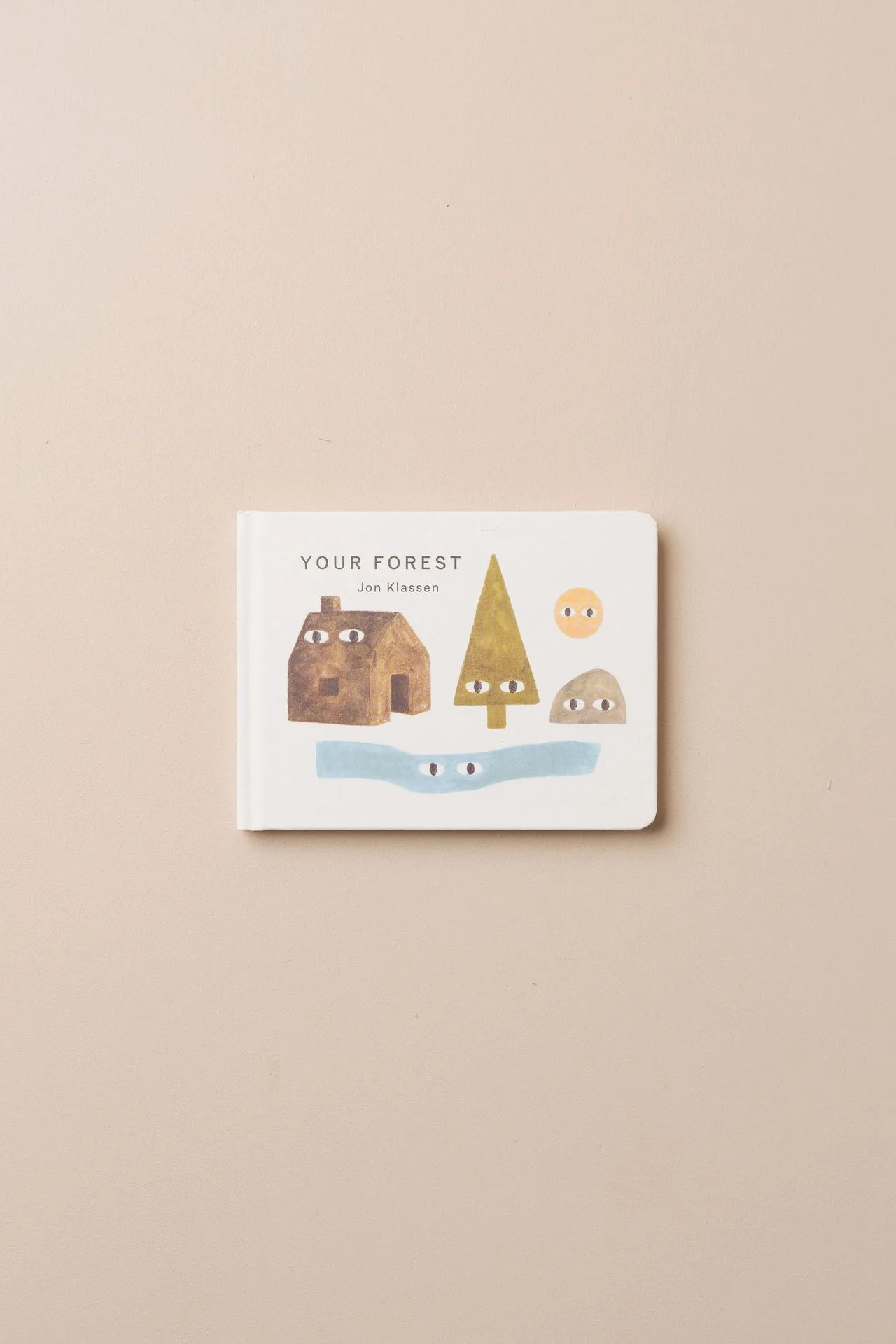
Your Forest
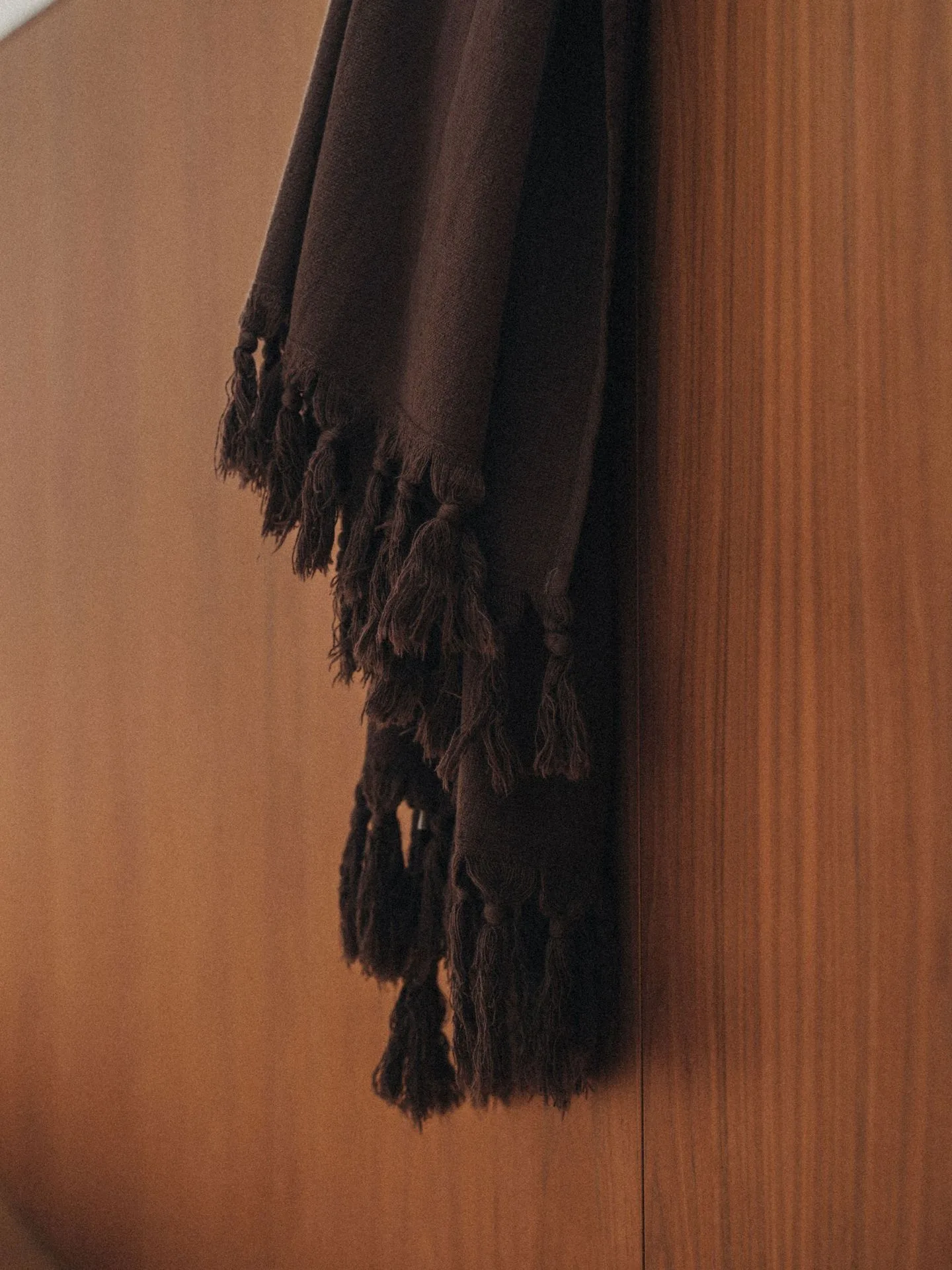
Planters, however, offer more versatility for grouping plants of different sizes. A collection of ceramic planters in coordinating colors can create a cohesive look on a shelf or plant stand. The Velvet Fringed Cushion Terracotta adds warmth to a seating area, but a nearby planter with a trailing ivy softens the space. For a minimalist aesthetic, choose planters with clean lines and neutral tones that let the foliage shine.
- Vases: Best as statement pieces, ideal for empty corners or tabletops.
- Planters: Great for plant groupings, can be mixed and matched for texture.
Versatility and Practicality: Everyday Use
Ceramic vases are low-maintenance when used for cut flowers—simply change the water every few days. They can also be repurposed as decorative objects, holding utensils in the kitchen or makeup brushes in the bathroom. Their narrow openings make them less practical for rooting cuttings or housing large plants, but they shine in temporary displays.
Planters are built for the long haul. They can accommodate everything from small succulents to large fiddle-leaf figs. Because they are designed for soil, they are heavier and more stable, reducing the risk of tipping. For bathrooms or kitchens, consider a planter that can handle humidity, like the Hand and Body Wash Refill Qualia 900ml paired with a ceramic dispenser for a cohesive spa look. Planters also make excellent gifts for plant lovers, especially when paired with a matching saucer.
- Vases: Easy to clean, versatile for non-plant uses, lightweight.
- Planters: Durable, stable, ideal for long-term plant care, often include saucers.
How to Choose: A Quick Comparison Guide
To help you decide, consider your primary goal. If you want to display fresh flowers or dried arrangements that change frequently, a ceramic vase is your best bet. If you're nurturing a living plant that you hope will thrive for years, invest in a quality planter. For those who love both, a hybrid approach works beautifully: use a planter for your permanent plants and a vase for seasonal blooms.
Below is a simple table comparing key features:
- Feature | Ceramic Vase | Planter
- Drainage | Usually none | Typically has holes
- Best for | Cut flowers, decor | Living plants, long-term
- Maintenance | Water changes | Watering, repotting
- Styling | Statement piece | Grouping, layering
- Weight | Light to medium | Medium to heavy
Ultimately, both ceramic vases and planters have their place in a well-styled home. For a cohesive look, mix both: use a planter for your favorite monstera and a vase for a bouquet of eucalyptus. If you're ready to elevate your indoor garden, explore our collection of ceramic planters and vases—each piece is crafted to bring beauty and function to your space. Start with a classic ceramic planter that complements your decor and gives your plants the home they deserve.