Choosing the right mixing bowl can make a world of difference in your baking and cooking experience. Among the many materials available, ceramic and glass are two popular choices that offer distinct advantages and drawbacks. In this comparison, we'll dive into the pros and cons of ceramic vs. glass mixing bowls to help you decide which is best for your kitchen.
Whether you're a professional baker or a home cook, understanding the characteristics of each material will guide you to the perfect bowl for your needs. From durability and heat resistance to aesthetics and maintenance, we'll cover it all.
Durability and Longevity
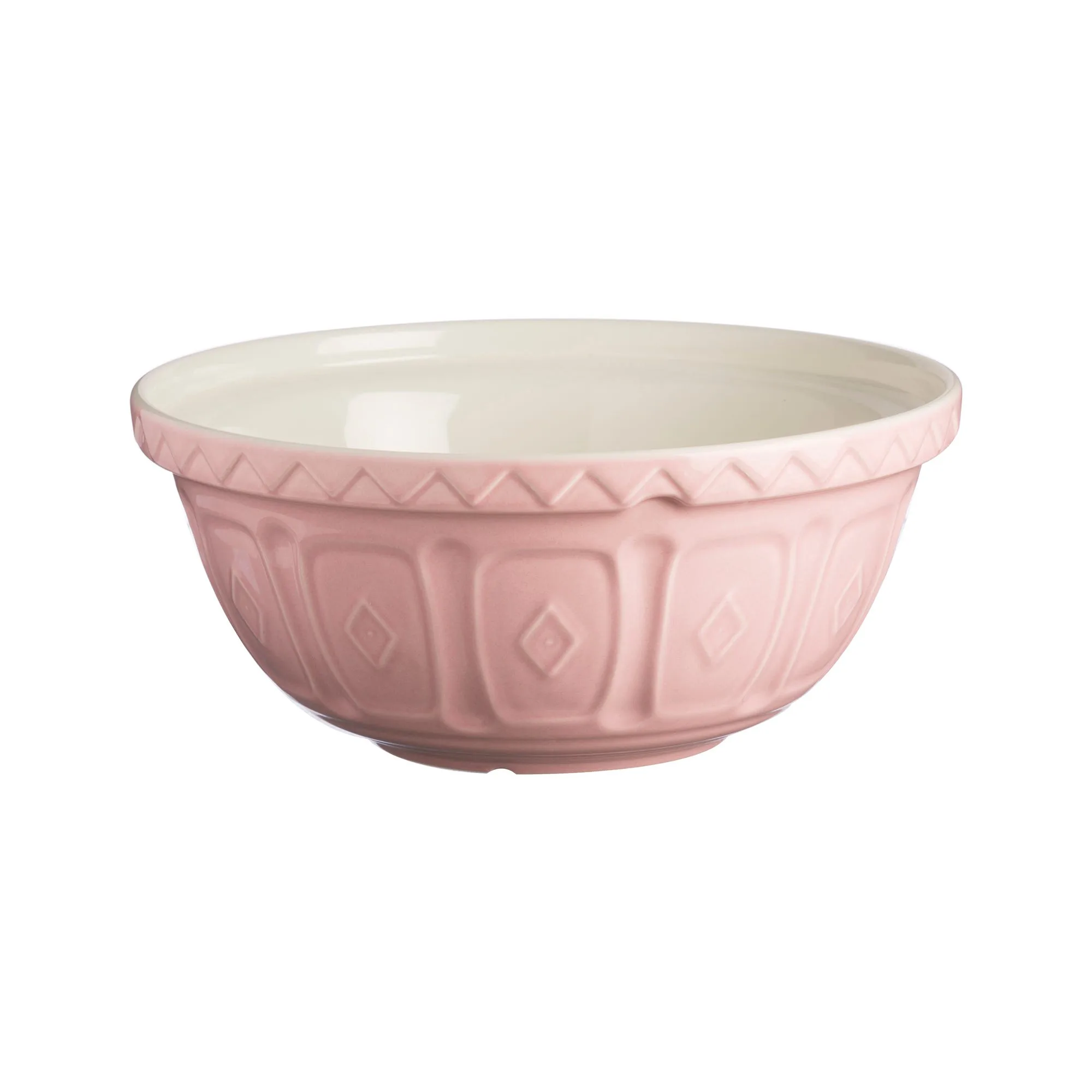
When it comes to durability, both ceramic and glass mixing bowls have their strengths and weaknesses. Ceramic bowls, such as the Mason Cash 26cm Cane Mixing Bowl, are fired at high temperatures, making them incredibly robust and resistant to chipping and cracking during everyday use. They can withstand the rigors of mixing, whisking, and even occasional drops without sustaining damage. However, they are not indestructible; a hard knock on a hard surface could cause a chip.
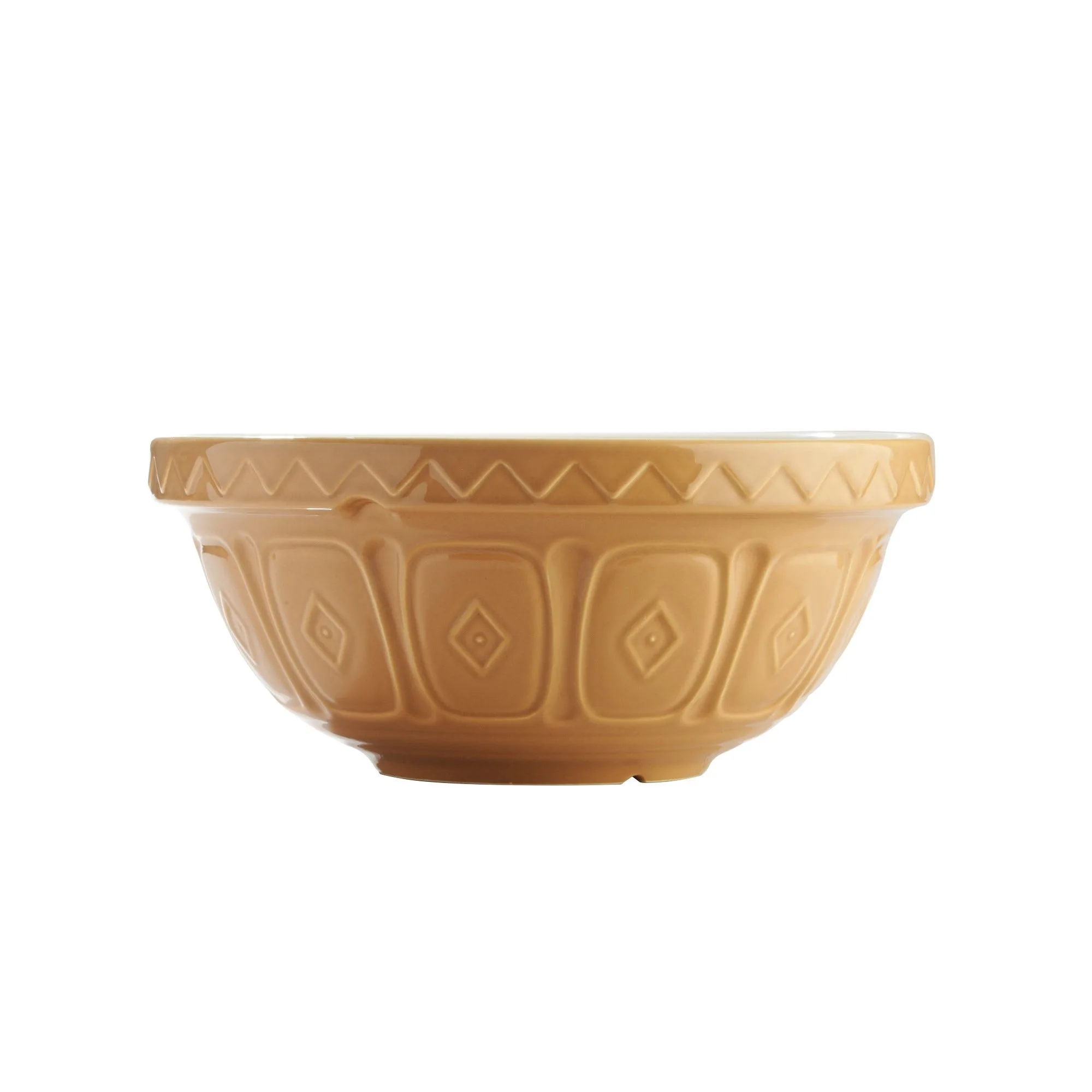
Mason Cash 26cm Cane Mixing Bowl
Glass bowls, on the other hand, are typically made from tempered or borosilicate glass, which is designed to resist thermal shock. They are also quite durable, but they are more prone to chipping or shattering if dropped. Unlike ceramic, glass bowls can break into sharp shards, which can be a safety concern. For those who prioritize longevity and safety, ceramic might be the better option.
- Ceramic bowls are fired at high temperatures for added strength.
- Glass bowls can shatter if dropped, posing a safety risk.
Heat Resistance and Versatility
One of the key differences between ceramic and glass mixing bowls is their ability to withstand temperature changes. Glass bowls, especially those made from borosilicate glass, can go from the freezer to the oven without cracking, making them incredibly versatile for recipes that require chilling or baking. They are also microwave-safe, which is convenient for melting chocolate or butter.
Ceramic bowls, like the Mason Cash Cane 25cm Batter Bowl, are also oven-safe and can handle high temperatures, but they are not as resistant to sudden temperature changes as glass. Placing a cold ceramic bowl directly into a hot oven could cause it to crack. However, ceramic bowls are excellent for serving and can keep food warm for longer periods. If you need a bowl that can handle extreme temperature fluctuations, glass may be the winner.
Mason Cash Cane 25cm Batter Bowl
- Glass bowls are freezer-to-oven safe and microwave-friendly.
- Ceramic bowls retain heat well but are more sensitive to thermal shock.
Weight and Handling
The weight of a mixing bowl can significantly affect your comfort and ease of use. Ceramic bowls are generally heavier than glass bowls, which can be an advantage when mixing thick doughs or batters, as they stay put on the counter. However, the extra weight can be tiring for some users, especially when lifting or pouring.
Glass bowls are lighter, making them easier to handle and pour from. They are also easier to see through, allowing you to monitor the contents from the outside. But their lighter weight means they may slide around more during vigorous mixing. If you prefer a bowl that stays firmly in place, a heavier ceramic bowl might be more suitable.
- Ceramic bowls are heavier and stay put during mixing.
- Glass bowls are lighter and easier to pour from.
Aesthetics and Design
Both ceramic and glass mixing bowls come in a variety of designs, but ceramic offers more options for color and pattern. Mason Cash is renowned for its beautiful ceramic bowls, such as the Colour Mix S12 Powder Blue Mixing Bowl 29cm, which adds a pop of color to your kitchen. These bowls are often considered attractive enough to double as serving dishes, blending form and function seamlessly.
Glass bowls, on the other hand, are typically clear or lightly tinted, which some might find less visually appealing. However, their transparency is practical for checking the consistency of your mixture. If you value aesthetics and want to add a touch of style to your kitchen, ceramic bowls are the clear choice.
- Ceramic bowls come in various colors and patterns.
- Glass bowls offer transparency for easy monitoring.
Care and Maintenance
Caring for your mixing bowls is essential to prolong their lifespan. Ceramic bowls are generally dishwasher-safe, but it's recommended to hand wash them to preserve their glaze and design. They are also resistant to stains and odors, making them easy to clean. However, they can be heavy and require careful handling to avoid chipping.
Glass bowls are also dishwasher-safe and are less likely to retain stains or odors. They are non-porous, so they won't absorb food particles, making them hygienic. Glass is also easier to clean than ceramic, as you can see any residue. Both materials are relatively low-maintenance, but glass may be slightly easier to care for.
- Ceramic bowls are dishwasher-safe but best hand-washed.
- Glass bowls are non-porous and easy to clean.
Price and Value
Price is often a deciding factor when choosing kitchen equipment. Ceramic mixing bowls, especially those from reputable brands like Mason Cash, tend to be more expensive due to their craftsmanship and durability. They are an investment that can last for years, making them a good value in the long run.
Glass bowls are generally more affordable and widely available. They offer good value for money, especially if you need multiple bowls for different tasks. However, they may not last as long as ceramic if they are prone to chipping. Ultimately, your budget and how often you bake will determine which material offers the best value for you.
- Ceramic bowls are more expensive but durable.
- Glass bowls are budget-friendly and versatile.
In the battle of ceramic vs. glass mixing bowls, there is no definitive winner—it all depends on your personal preferences and baking habits. If you value durability, aesthetics, and a bowl that stays put, ceramic is an excellent choice. If you need a lightweight, versatile bowl that can go from freezer to oven, glass is a great option. Consider what matters most to you, and you'll find the perfect mixing bowl for your kitchen.