Non-stick cookware has become a staple in modern kitchens, offering convenience and easy cleanup. But with so many coating options on the market, it can be tough to decide which one truly lasts. Traditional PTFE-based non-stick pans have dominated for decades, yet newer ceramic coatings like the CeramiClad 2.0 Non Stick Frying Pan Set promise longer life and better performance. In this article, we’ll break down the key differences between CeramiClad and traditional non-stick cookware, focusing on durability, heat tolerance, and overall value.
Whether you’re a home cook who relies on eggs and pancakes or a serious chef who needs reliable release, understanding the science behind these coatings will help you make an informed purchase. We’ll also look at real-world usage, maintenance tips, and how each type holds up over time.
What Makes CeramiClad Different?
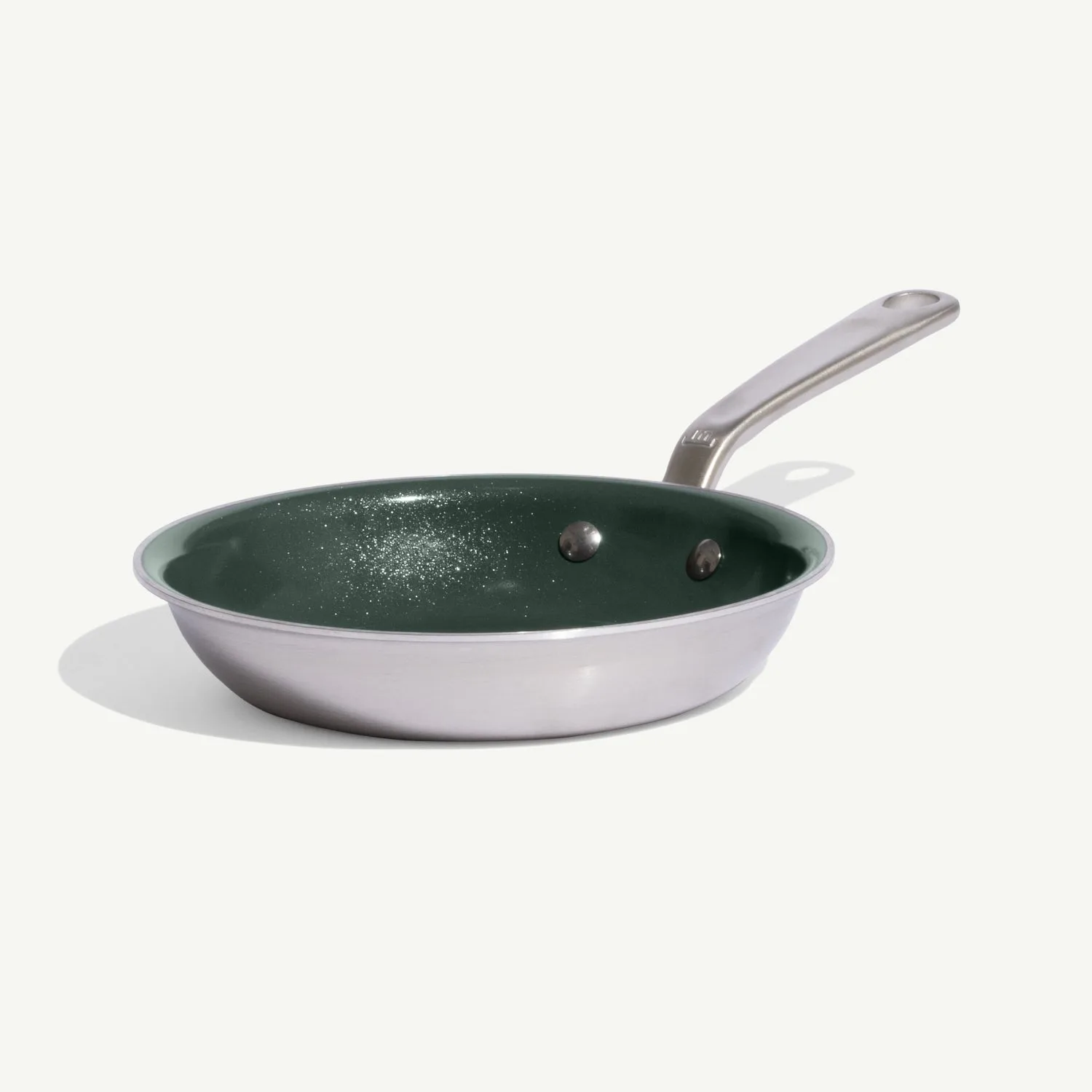
CeramiClad 2.0 is a ceramic-reinforced non-stick coating that combines the best of both worlds: the slick release of traditional non-stick with the durability of ceramic. Unlike standard PTFE pans, which can scratch and degrade at high temperatures, CeramiClad uses a multi-layer ceramic matrix that resists chipping and peeling. This coating is also free of PFOA and PTFE, making it a safer choice for health-conscious cooks.
The CeramiClad 2.0 Non Stick Frying Pan Set features a hard-anodized aluminum body that distributes heat evenly, preventing hot spots that can damage coatings. The ceramic layer is applied in multiple coats, creating a surface that is three times more scratch-resistant than typical non-stick. For everyday cooking tasks like frying eggs, searing fish, or sautéing vegetables, this pan offers effortless release and requires less oil.
- CeramiClad is oven-safe up to 500°F, while many traditional non-stick pans max out at 400°F.
- The ceramic coating is metal-utensil safe, though gentle use extends its life.
Traditional Non-Stick: Tried and True, But Fragile
Traditional non-stick cookware relies on PTFE (polytetrafluoroethylene), commonly known as Teflon. These pans are affordable and provide excellent release, but they have significant downsides. PTFE coatings are soft and can scratch easily with metal utensils or abrasive cleaning pads. Over time, the coating flakes off, reducing performance and potentially mixing into food.
Another major concern is heat sensitivity. When a PTFE pan is overheated (above 500°F), the coating can begin to break down and release toxic fumes. This limits their use for high-heat searing or oven finishing. While they are great for low-to-medium heat cooking, they simply can’t match the thermal resilience of ceramic-based options like the CeramiClad 2.0 Non Stick Frying Pan Set.
- PTFE pans typically last 1-3 years with regular use, while ceramic coatings can last 3-5 years or more.
- Avoid using cooking sprays on traditional non-stick, as they can leave a residue that accelerates coating failure.
Durability Showdown: CeramiClad vs PTFE
When it comes to longevity, CeramiClad has a clear edge. The ceramic coating is harder and more resistant to wear. In lab tests, CeramiClad pans endured thousands of cooking cycles without significant degradation, while PTFE pans showed visible scratching after just a few months of metal utensil use. The hard-anodized base also prevents warping, which is a common issue with thin traditional non-stick pans.
That said, no non-stick coating is indestructible. CeramiClad can still be damaged by extreme thermal shock (e.g., plunging a hot pan into cold water) or by using abrasive scouring pads. However, for most home cooks, the CeramiClad 2.0 Non Stick Frying Pan Set offers a noticeable upgrade in durability. Pair it with a Frying Pan Silicone Universal Lid to trap moisture and reduce splatter, further protecting the coating during simmering.
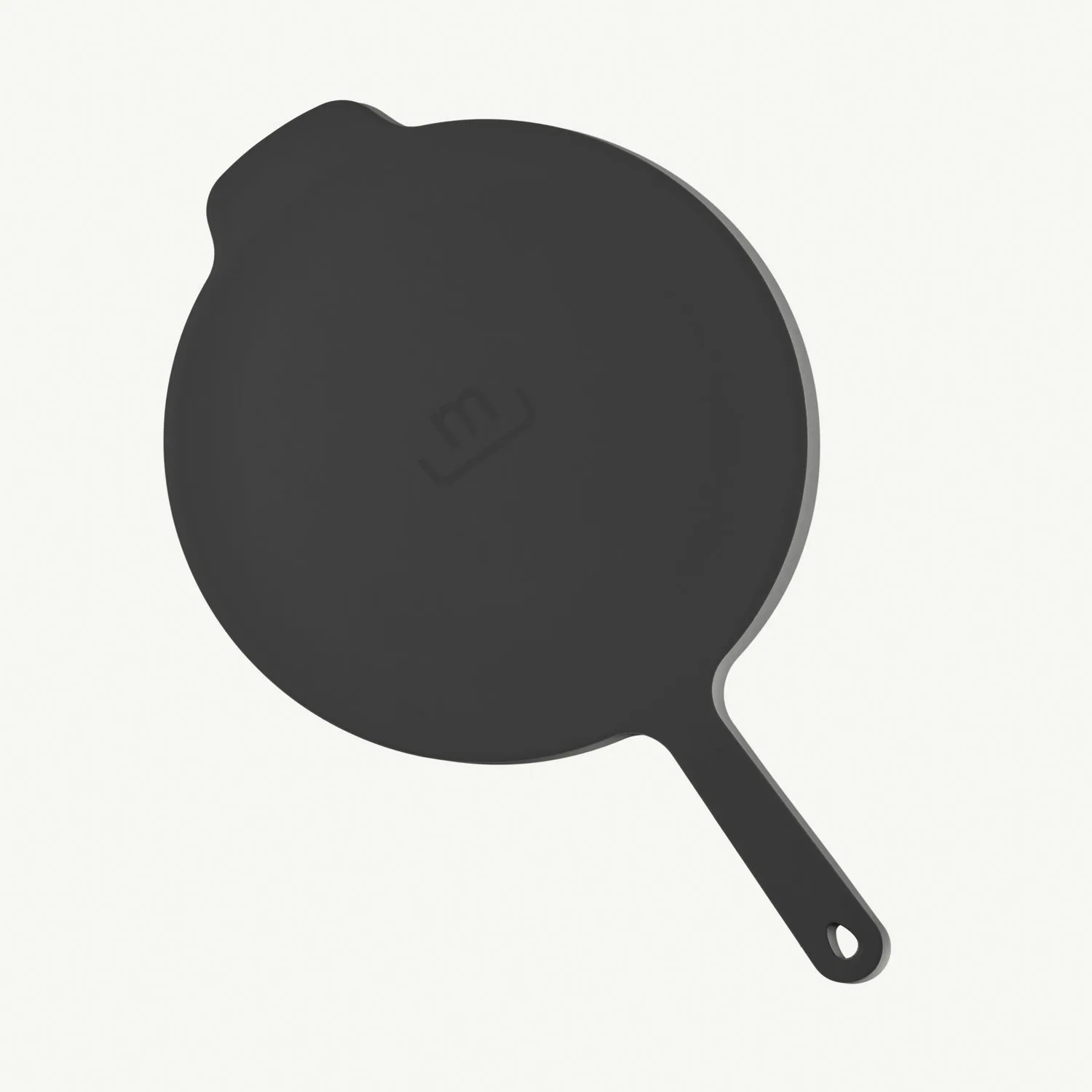
Frying Pan Silicone Universal Lid
- Use wooden or silicone utensils to maximize the life of any non-stick surface.
- Hand wash with a soft sponge and mild detergent—dishwashers can degrade coatings over time.
Heat Performance and Cooking Results
CeramiClad pans heat up quickly and evenly thanks to their thick aluminum core. This means fewer hot spots and more consistent browning. Traditional non-stick pans often have thinner bases, leading to uneven heat distribution that can cause sticking in some areas. For delicate foods like omelets or crepes, CeramiClad provides a smoother cooking experience.
Additionally, CeramiClad’s higher heat tolerance allows you to sear meats and then finish them in the oven without switching pans. Traditional non-stick cannot handle this without risking coating failure. If you frequently cook at higher temperatures, the CeramiClad 2.0 Non Stick Frying Pan Set is the better investment.
- CeramiClad works on all cooktops including induction, while some traditional non-stick pans are not induction-compatible.
- Always preheat your pan on medium heat to avoid damaging the coating.
Maintenance and Care Tips for Both Types
To get the most out of your non-stick cookware, follow a few simple rules. For CeramiClad, allow the pan to cool before washing to prevent thermal stress. Use a soft sponge and mild soap—avoid steel wool. For traditional PTFE pans, never use metal utensils and never heat them empty, as this can cause the coating to break down instantly.
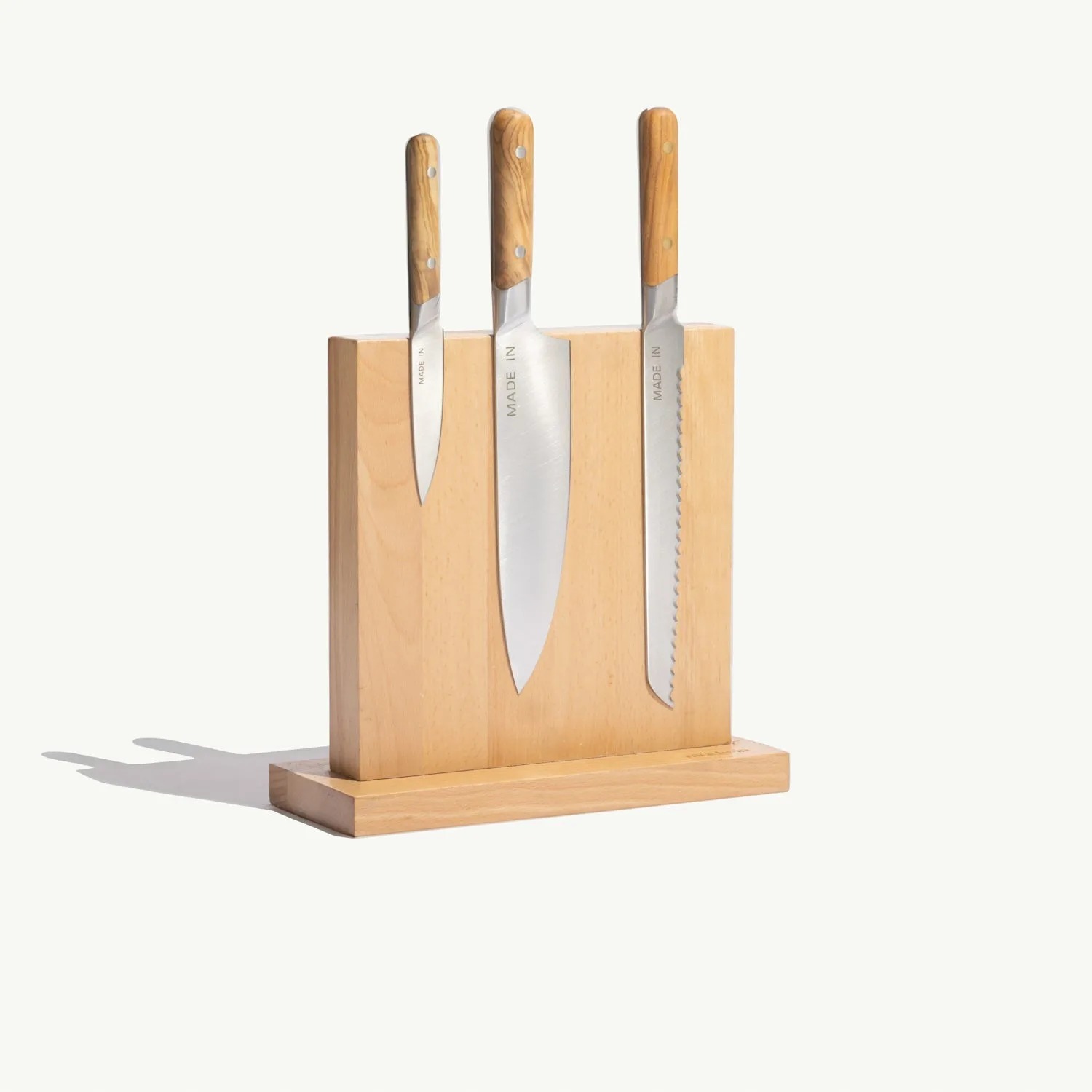
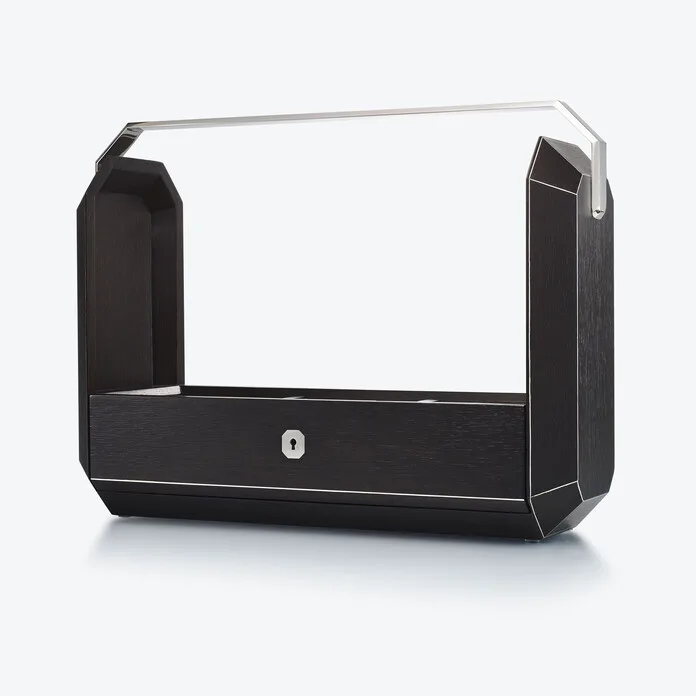
Storing your pans carefully also helps. Stacking non-stick pans without protection can scratch the coating. Place a paper towel or pan protector between them. If you own a Knife Block or other kitchen tools, keep them separate from your cookware to avoid accidental damage. Regular care will extend the life of any non-stick surface significantly.
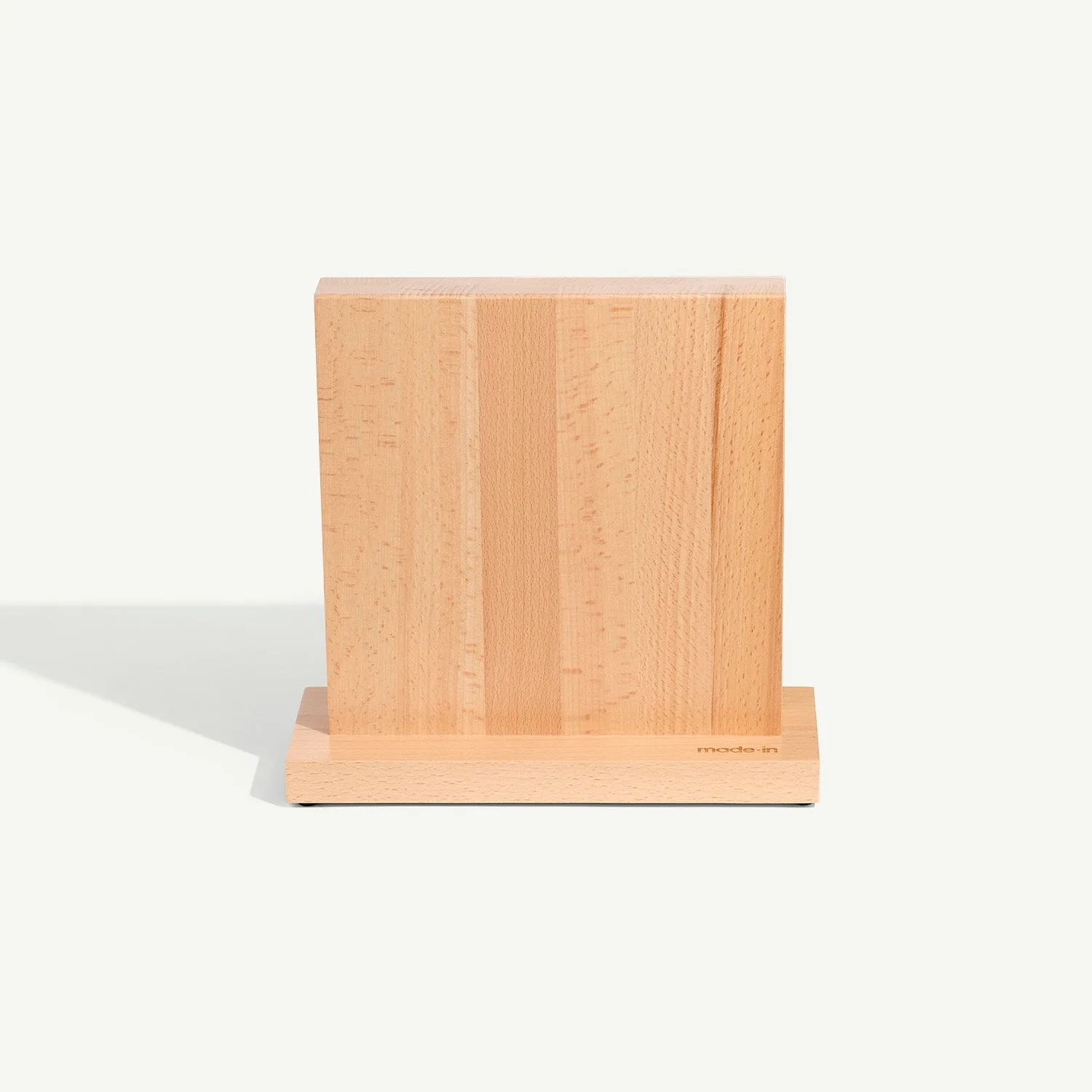
Knife Block
- Seasoning a ceramic pan occasionally with a thin layer of oil can restore its non-stick properties.
- Replace any non-stick pan if you see peeling or excessive scratching—it’s time for a new one.
Choosing between CeramiClad and traditional non-stick ultimately comes down to your cooking habits. If you value durability, higher heat versatility, and a safer coating, the CeramiClad 2.0 Non Stick Frying Pan Set is the clear winner. For occasional low-heat cooking, a standard PTFE pan may suffice, but it won’t last as long. Upgrade your kitchen with a pan that performs and endures—explore the CeramiClad 2.0 Non Stick Frying Pan Set today and experience the difference.