If you struggle with dry, flaky, or sensitive skin, you’ve probably heard about ceramides and panthenol. Both are powerhouse ingredients in Korean skincare, celebrated for their ability to repair the skin barrier and lock in moisture. But which one is truly best for your dry skin? The answer isn’t one-size-fits-all—it depends on your specific concerns, your skin’s tolerance, and how you layer your routine.
In this guide, we’ll break down the science behind ceramide and panthenol, compare their benefits for dry skin, and help you decide which ingredient (or combination) deserves a spot in your daily regimen. Whether you’re building a routine from scratch or fine-tuning your current one, understanding these two barrier-repairing heroes will transform your approach to hydration.
What Are Ceramides and How Do They Repair the Skin Barrier?
Ceramides are lipid molecules that make up about 50% of the skin’s outermost layer, the stratum corneum. They act like the mortar between bricks, holding skin cells together and forming a protective barrier that prevents moisture loss and blocks irritants. When ceramide levels drop—due to aging, harsh cleansers, or cold weather—the barrier weakens, leading to dryness, redness, and sensitivity.
In skincare, synthetic or plant-derived ceramides mimic your skin’s natural lipids. They fill in gaps in the barrier, instantly improving hydration and resilience. Products like the 8 Hyaluronic Acid Hydrating Gentle Foaming Cleanser prepare your skin to better absorb ceramide-rich moisturizers, while barrier creams containing multiple ceramide types (like ceramide NP, AP, and EOP) offer comprehensive repair. For dry skin, ceramides are non-negotiable because they address the root cause: a compromised barrier.
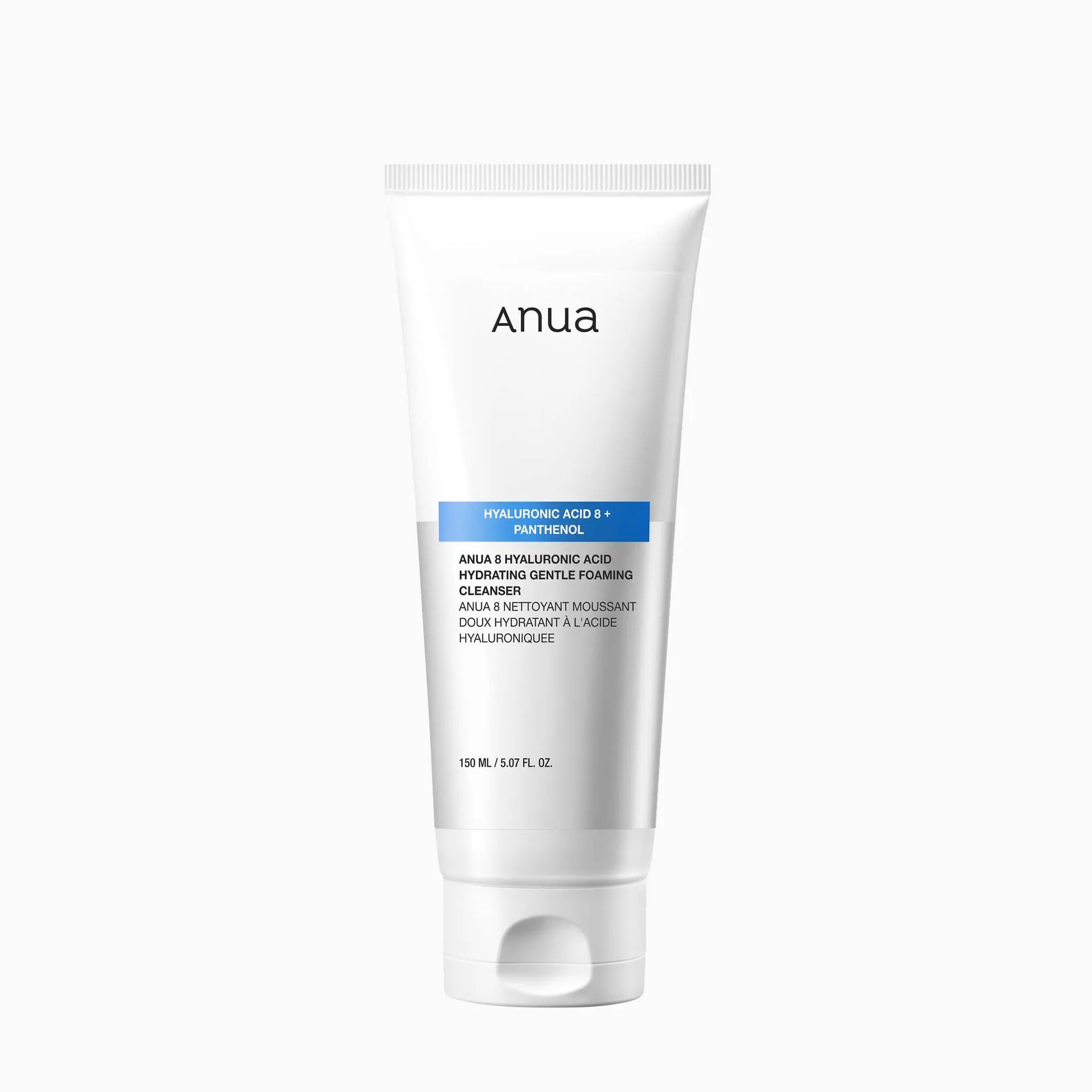
8 Hyaluronic Acid Hydrating Gentle Foaming Cleanser
- Ceramides are essential for maintaining a healthy moisture barrier.
- Look for products with multiple ceramide types for best results.
- Pair ceramides with hyaluronic acid for deep hydration.
What Is Panthenol and How Does It Soothe Dry Skin?
Panthenol, also known as provitamin B5, is a humectant and emollient that attracts moisture to the skin and helps it retain water. When applied topically, panthenol converts to pantothenic acid (vitamin B5), which supports skin regeneration and reduces inflammation. It’s especially effective for calming irritated, red, or stressed skin—making it a favorite in Korean soothing formulas.
Unlike ceramides, panthenol doesn’t directly rebuild the lipid barrier. Instead, it creates a protective film that prevents transepidermal water loss and speeds up healing. For dry skin that also deals with breakouts or sensitivity, panthenol is a gentle alternative. Products like the https://purebeautytools.store/products/heartleaf-80-moisture-soothing-ampoule-51555Heartleaf 80% Moisture Soothing Ampoule combine panthenol with soothing botanicals to calm and hydrate without clogging pores. Panthenol is also a star in lightweight gels and essences for those who find heavy creams too occlusive.
- Panthenol is both a humectant (draws in moisture) and emollient (softens skin).
- It’s ideal for sensitive, irritated, or acne-prone dry skin.
- Panthenol works well in serums and toners for a lighter feel.
Ceramide vs Panthenol: Key Differences for Dry Skin
When comparing ceramide vs panthenol for dry skin, think of ceramides as structural repair and panthenol as functional soothing. Ceramides are best for long-term barrier strengthening, especially if your skin feels tight, flaky, or dehydrated despite moisturizing. Panthenol shines when your skin is red, itchy, or reacting to environmental stressors—it provides immediate comfort and helps other ingredients absorb better.
Another difference is texture. Ceramide-rich creams are often richer and more emollient, perfect for nighttime or very dry climates. Panthenol-based products tend to be lighter and more versatile, suitable for layering under sunscreen or makeup. For example, a panthenol toner can prep your skin without heaviness, while a ceramide moisturizer seals everything in. The https://purebeautytools.store/products/peach-77-niacin-essence-toner-51534Peach 77 Niacin Essence Toner offers brightening alongside panthenol-like soothing properties.
- Ceramides = structural barrier repair (long-term).
- Panthenol = immediate soothing and hydration (short-term).
- Both can be used together for optimal results.
Can You Use Ceramide and Panthenol Together?
Absolutely—and in fact, many Korean skincare experts recommend layering them for maximum barrier support. Start with a panthenol-rich toner or serum to calm and hydrate, then follow with a ceramide moisturizer to lock in moisture and rebuild the barrier. This combination addresses both immediate soothing and long-term repair, making it ideal for dry, sensitive, or compromised skin.
For example, you could apply the Heartleaf 80% Moisture Soothing Ampoule after cleansing to infuse panthenol and soothing heartleaf extract, then finish with a ceramide cream. If you’re dealing with dry patches and occasional breakouts, the Rumi Ultra-thin Spot Cover Patch can target blemishes without disrupting your barrier-focused routine. The key is to choose products that complement each other without overloading your skin.
- Layer panthenol first (toner/serum), then ceramide (moisturizer).
- Avoid using too many occlusive ingredients if your skin is prone to congestion.
- Patch test new combinations to ensure compatibility.
Ultimately, both ceramide and panthenol are essential for dry skin barrier repair, but they serve different roles. Ceramides rebuild the structure, while panthenol soothes and hydrates. For the best results, incorporate both into your routine—starting with a panthenol-rich product like the Heartleaf 80% Moisture Soothing Ampoule to calm and prep, then sealing with a ceramide moisturizer. Your skin will thank you with a resilient, dewy glow.